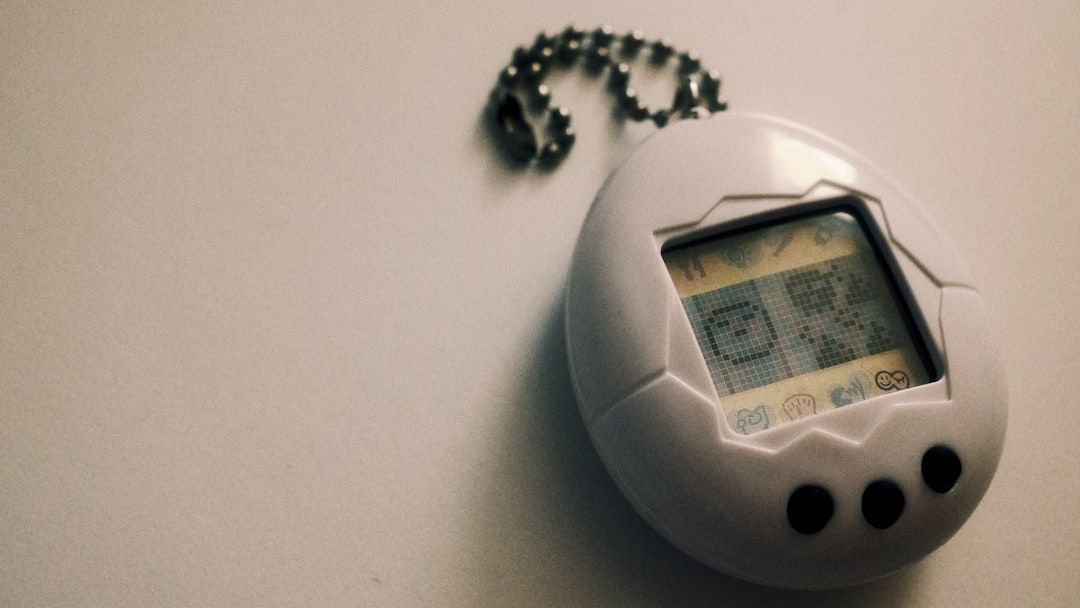

Picture a neighborhood in 1985. Kids riding bikes until dark, no helmets in sight. Parents having coffee inside while children played unsupervised in the backyard. Family dinners happening without anyone checking a phone because those didn’t exist yet. Nobody tracked their children with GPS. Nobody worried if a seven-year-old walked to school alone.
Fast forward to now, and here’s the twist. That same hands-off approach is quietly making its way back into American homes. Not exactly the way you’d think, though. Parents aren’t just blindly copying what their own parents did. They’re picking and choosing which parts of 1980s parenting feel right for this decade, mixing old-school freedom with modern awareness. It’s happening in surprising numbers, from Utah to Texas, from city apartments to suburban cul-de-sacs.
Free-Range Kids Are Roaming Again

Utah became the first state to enact legislation protecting parents’ right to free-range their children in 2018, followed by Oklahoma and Texas, with Colorado and Kansas also enacting such laws, and many other states relaxing their policies to favor childhood independence. The movement echoes that 1980s vibe when kids routinely walked to school, played at parks without adults hovering, and figured out their own conflicts on the playground. Free-range parenting emphasizes granting children increased independence and decision-making opportunities, allowing children to engage in activities such as walking home from school, using public transit, or staying home alone, which proponents believe fosters self-reliance and personal responsibility. This isn’t just nostalgia talking. Parents are actively pushing back against the culture of constant supervision that dominated the early 2000s and 2010s.
Generation X Parents Remember What Worked

Gen Xers focus on learning about parenting and caring about work-life balance, understand the importance of individualism, tend to support their children’s choices for different lifestyles more than past generations, and are very involved in their kids’ development. Here’s the thing. Many parents today were themselves the latchkey kids of the 1980s. They came home to empty houses, made their own snacks, and entertained themselves until their parents got home from work. Some of those experiences were hard, honestly. Yet many Gen X parents now recognize that not every moment needs adult orchestration. There is public discourse about the difference between the freedom some describe as neglect that Gen X grew up with and the much closer eye they keep on their kids.
The Slow Parenting Rebellion
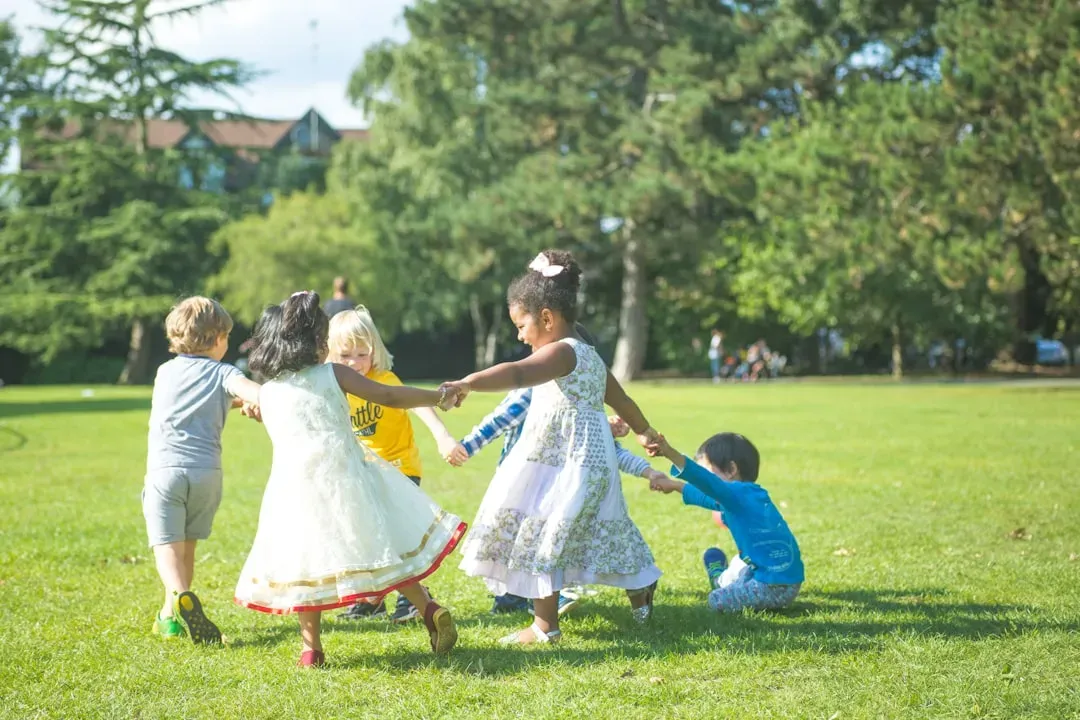
Slow parenting is a parenting style in which few activities are organized for children, allowing them to explore the world at their own pace, and is a response to concerted cultivation and the widespread trend for parents to schedule activities and classes after school. This movement directly challenges the overscheduled madness that’s become normal. Remember when summer meant weeks of pure boredom that eventually led to building forts or inventing weird games with neighborhood kids? The slow parenting movement blossomed from Carl Honoré’s book Under Pressure: Rescuing Our Children from the Culture of Hyper-Parenting, wherein he honed in on the pitfalls of helicopter parents who micromanage and overbook their kids’ lives to the detriment of their mental health, resiliency, and independence. Families are deliberately pulling back from the constant carousel of soccer practice, music lessons, tutoring, and enrichment activities that leave everyone exhausted.
Overscheduling Is Officially Harming Kids

A data analysis published in the February 2024 issue of the Economics of Education Review found that students are assigned so much homework and signed up for so many extracurricular activities that the last hour was no longer helping to build their academic skills and was actually harming their mental well-being, making students more anxious, depressed or angry. The numbers don’t lie. A 2024 data analysis found a relationship between the number of enrichment activities a child participated in and their mental health challenges, with kids who spend more time in extracurricular activities being more likely to struggle with anxiety, depression, and anger. This research validates what 1980s parents seemed to know instinctively: children need downtime. They need space to think, to be bored, to figure things out without constant intervention.
Screen Fatigue Drives Outdoor Play Revival

The digital overwhelm is real for families in 2026. Parents see their kids glued to tablets and phones, dealing with social media pressure that didn’t exist in the pre-internet 1980s. Research indicates there are a number of ways activities like climbing a tree or trying to break rocks with a hammer benefit kids’ development, such as developing executive functioning capabilities, risk-management skills, self-confidence, and independence. So more families are recreating that analog childhood experience – sending kids outside to play, limiting screen time, and encouraging the kind of creative, unstructured exploration that was just standard practice four decades ago. It’s not about going backward. It’s about reclaiming something valuable that got lost in the rush to digitize childhood.
Independence Actually Builds Resilience
Hopeful parents tend to create successful pathways to accomplish parenting goals, undergo less parenting stress, and make more emotional connections with their children, and parents who demonstrate positive interactions with their children are more likely to have maintained adequate mental health and demonstrate supportive connections. Developmental research increasingly supports what 1980s childhoods demonstrated in practice: kids who handle age-appropriate challenges develop crucial life skills. Learning to navigate a disagreement with a friend without mom intervening teaches problem-solving. Walking to school builds confidence and spatial awareness. Making mistakes when no adult is watching removes the fear of constant judgment. These aren’t dangerous experiments. They’re necessary steps toward raising competent adults rather than dependent teenagers.
The Nostalgia Factor Is Powerful
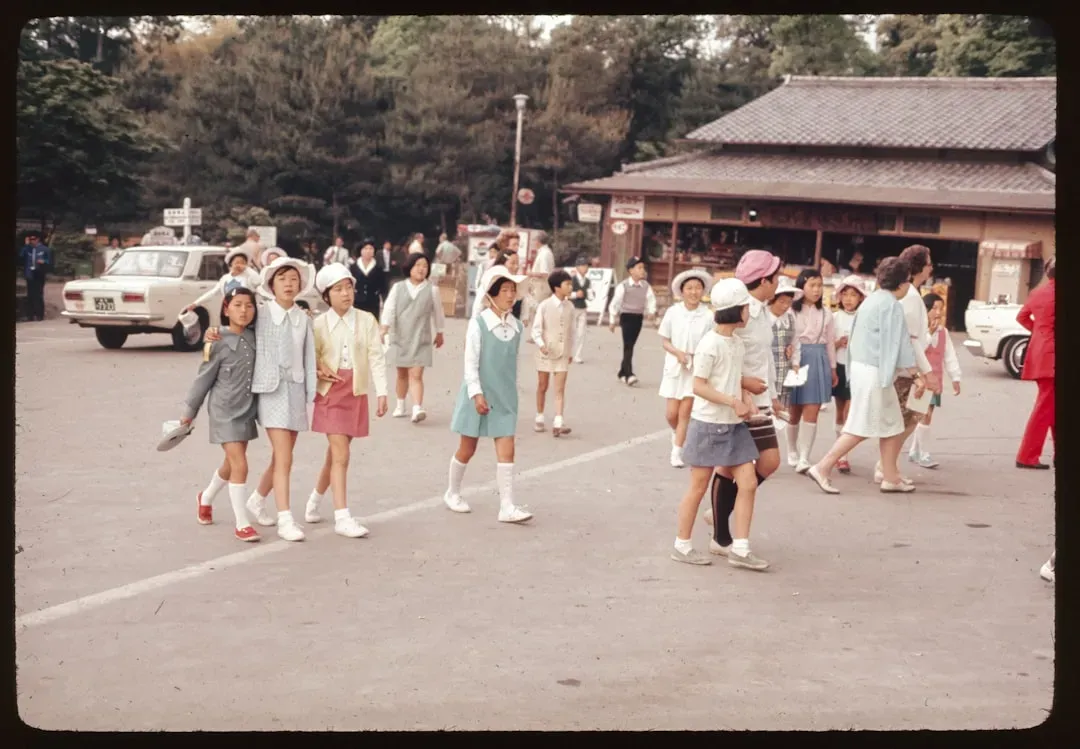
Let’s be real. Cultural nostalgia for the 1980s remains strong in 2025, with new films, TV revivals, and exhibitions celebrating the era, reflecting a deeper cultural fascination with pre-digital childhood experiences that also influence parenting ideals. That warm glow of memory – biking around the neighborhood until the streetlights came on, playing flashlight tag, building elaborate games that lasted all summer – pulls at parents who want their own children to taste that freedom. Is some of it rose-colored glasses? Sure. Not every 1980s childhood was Leave It to Beaver perfection. Yet the emotional pull is undeniable, and it’s shaping how parents structure their children’s days.
Modern Stress Makes Simple Appealing
According to a Pew survey, 70 percent of parents believe that parenting is more difficult now than it was 20 years ago, though research demonstrates that each generation of parents tends to perceive their experiences of parenting as more difficult than the generation before them. Cultural commentators point out that today’s parents face heavier expectations – ranging from constant parenting advice online to packed extracurricular schedules – prompting some to borrow more relaxed 1980s-style norms as an antidote. The sheer volume of information and pressure is overwhelming. Parenting Instagram accounts tell you you’re doing it wrong. Pinterest makes you feel inadequate. The college admissions race starts in kindergarten. No wonder some parents are saying enough and choosing a simpler path that feels more manageable.
Safety Concerns Are Being Reframed

Only one-tenth of one percent of missing children cases are traditional kidnapping cases where a child is abducted by a stranger, with the National Center for Missing and Exploited Children reporting that only 296 children were abducted by a stranger, making the chances of a child being kidnapped by a stranger while riding their bike or playing at the park astronomically low – about 0.000004 percent or about 1 in 2.5 million. The stranger danger panic that ramped up in the late 1980s and continued for decades created genuine fear among parents. Data now shows that fear was disproportionate to actual risk. Crime rates have generally declined, yet parental anxiety increased. Understanding the real numbers helps parents calibrate appropriate boundaries. Kids can play outside. They can walk to a friend’s house. The world isn’t more dangerous than it was in 1985 – in many ways, it’s safer.
It’s Not All or Nothing

Nobody’s advocating for children riding in cars without seat belts or leaving toddlers home alone. While some 1980s-style habits like minimal supervision or lax safety practices would be unsafe today, many parents selectively adopt elements that emphasize independence, unstructured play, and lowered pressure, illustrating a nuanced return rather than wholesale revival. Parents are thoughtful about this. They’re keeping modern safety standards – car seats, bike helmets, water safety – while loosening the reins on supervision and scheduling. They’re teaching kids to handle conflict rather than solving every problem for them. They’re saying yes to boredom and no to the fifth extracurricular activity. This hybrid approach takes the best of both eras: the freedom of the 1980s with the awareness of the 2020s. It’s about giving children room to grow into capable, confident people who can handle the inevitable bumps of life without falling apart.
What’s emerging isn’t a time machine back to 1985. It’s something more interesting: a deliberate choice to reject the extreme intensity that defined millennial parenting and rediscover the value of stepping back. Are you giving your kids enough space to figure things out on their own?