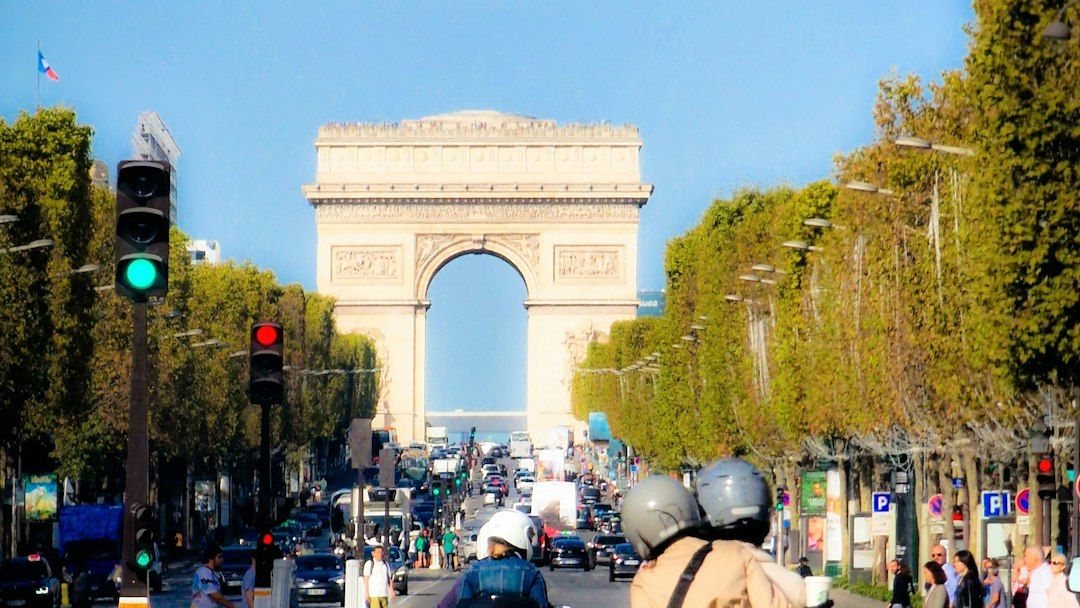

Something is quietly happening in the world of transatlantic travel. American tourists, long-time devotees of the Eiffel Tower and Parisian café culture, are pointing their passports somewhere unexpected. A sun-soaked, tile-adorned capital perched on the edge of the Atlantic is stealing hearts and travel budgets alike. It is not on every American’s radar yet – though it is getting there fast. The shift is real, it is measurable, and the reasons behind it are fascinating. Let’s dive in.
Paris Is Bursting at the Seams
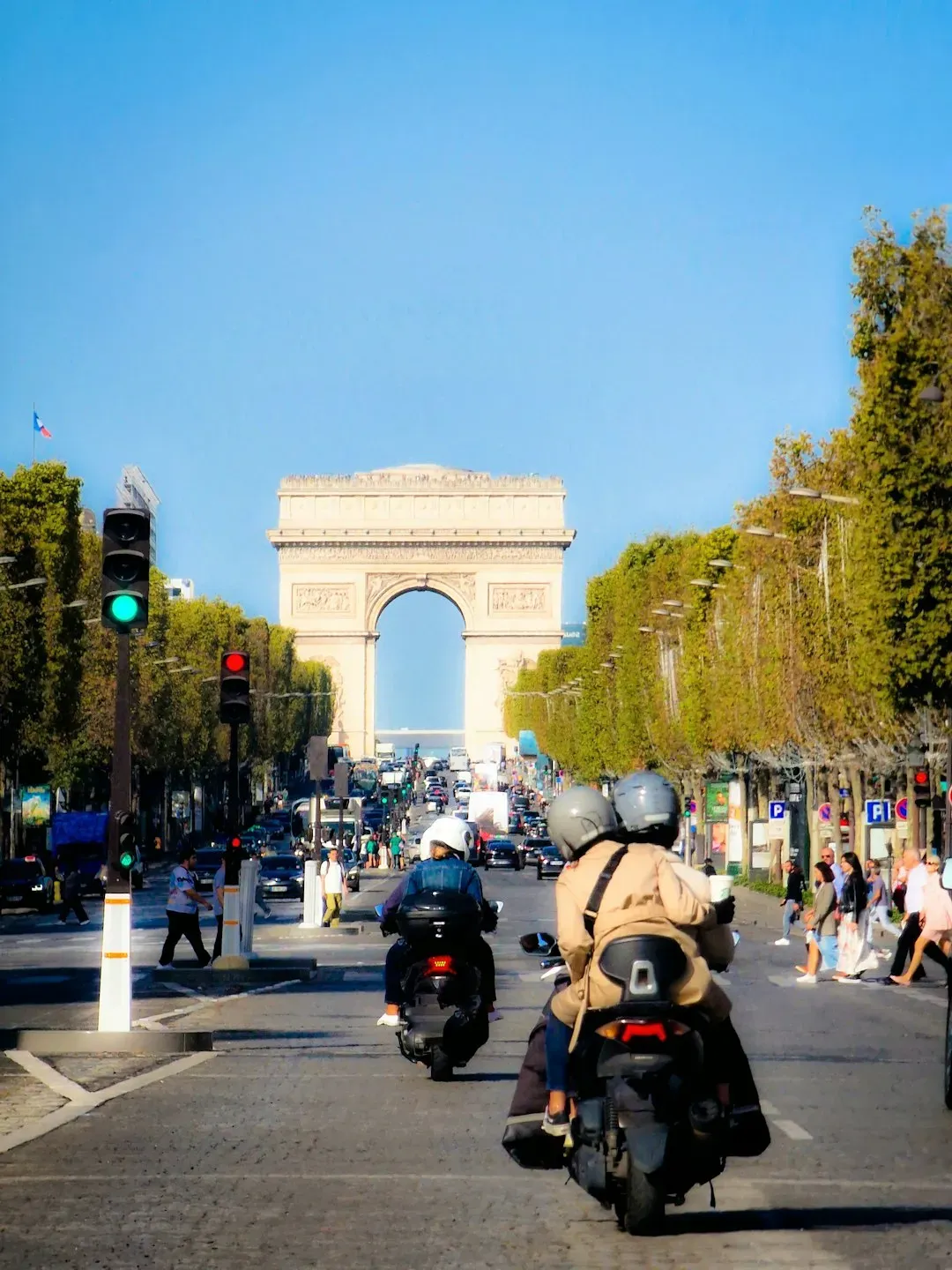
Let’s be honest – Paris has a crowd problem that keeps getting worse. The city welcomed 48.7 million tourists in 2024, a 2% increase from the previous year. That is an almost incomprehensible number of people squeezing through the same cobblestoned streets, museum hallways, and café terraces.
The unrest is visible even at iconic cultural sites like the Louvre Museum, where staff staged a wildcat strike over chronic overcrowding, understaffing, and deteriorating conditions. The Louvre logged 8.7 million visitors in 2024, more than double what its infrastructure was designed to handle. That is not a tourism success story. That is a system under serious strain.
Sacré-Cœur and the surrounding Montmartre neighborhood have turned into what some locals call an open-air theme park. Local staples like butchers, bakeries, and grocers are vanishing, replaced by ice-cream stalls, bubble-tea vendors, and souvenir T-shirt stands. Paris, the city of romance, is starting to feel less like a living city and more like a theme park version of itself.
According to city officials, nearly 30,000 housing units in Paris have been converted into short-term rentals, drastically reducing the availability of homes for Parisians and distorting the real estate market. When locals are being pushed out of their own neighborhoods, something has clearly gone off the rails.
Lisbon: The Capital Americans Are Falling in Love With
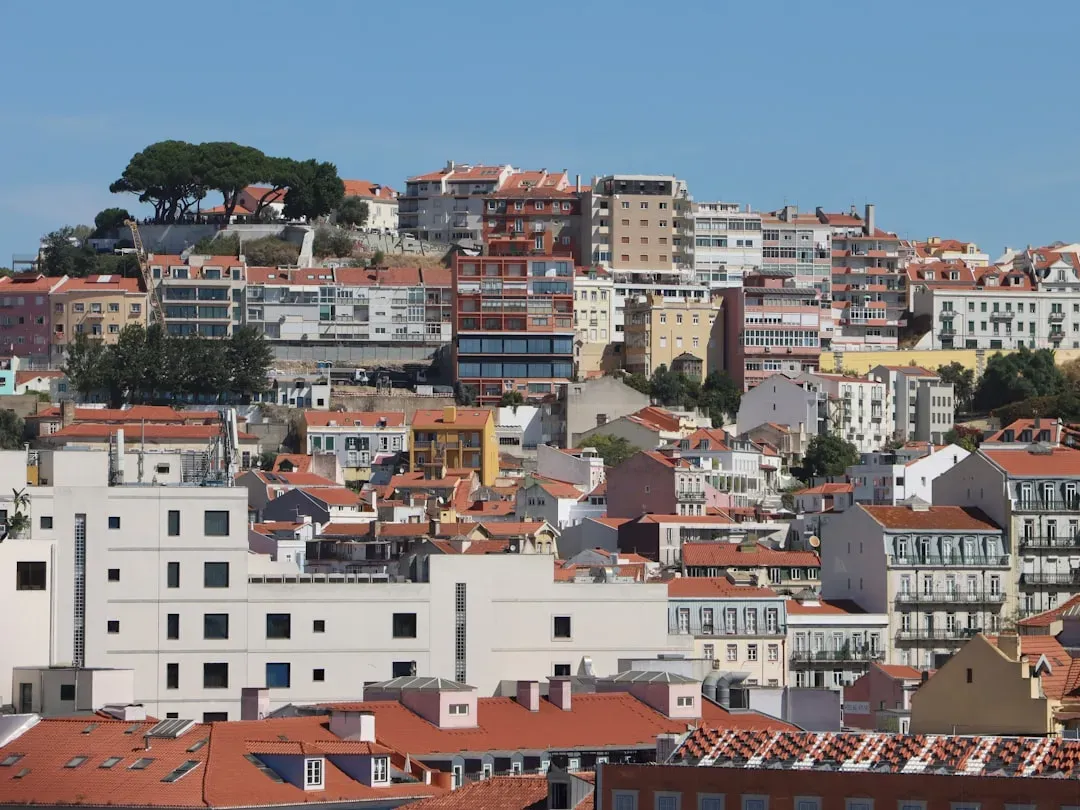
The city in question is Lisbon, Portugal’s hilly, charismatic capital. It has been hiding in plain sight for years, adored by European travelers but somehow overlooked by American ones – until recently. The numbers now tell a completely different story.
The United States has emerged as the top international market for Lisbon, with Americans making up 17.2% of the total visitors in 2025, translating to nearly 1.2 million guests. Think about that for a second. Americans are now the single largest group of international tourists in Lisbon. Not British travelers, not Spanish visitors – Americans.
US demand for Lisbon has soared by nearly 90% over the last four years. That kind of growth is not a blip. It is a tidal shift. The number of Americans visiting Portugal has almost doubled in just two years, driving growth in tourism, travel, and real estate investments.
The Price Difference Is Shocking
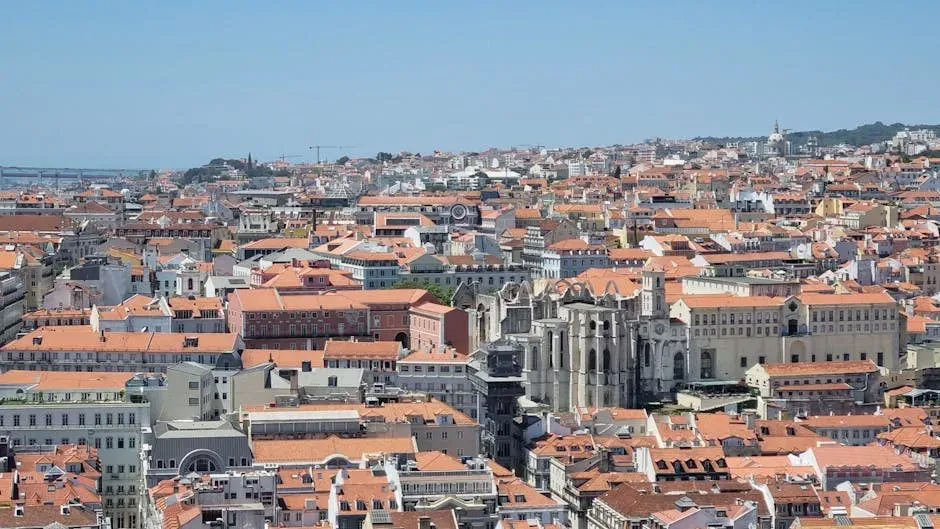
Here is the thing that really gets people’s attention. Lisbon is dramatically cheaper than Paris – not just a little cheaper, we are talking a genuinely significant gap. The cost of living in Lisbon is about 24% more affordable than Paris and 40.8% lower than London, including rent. For a two-week European vacation, that difference compounds fast.
Daily expenses for mid-range travelers in Lisbon typically run around €100 to €150, which is significantly lower than those in Paris at €180 to €250. Essentially, you can stretch your dollar noticeably further in Lisbon while still eating well, staying in good hotels, and seeing everything the city has to offer.
Even at the luxury level, Lisbon offers exceptional value compared to cities like Paris, London, or Zurich, where a comparable luxury experience would typically cost 30 to 50% more. So whether you are a budget backpacker or someone who prefers five-star everything, Lisbon just makes more financial sense.
Record Tourism Numbers Tell the Full Story
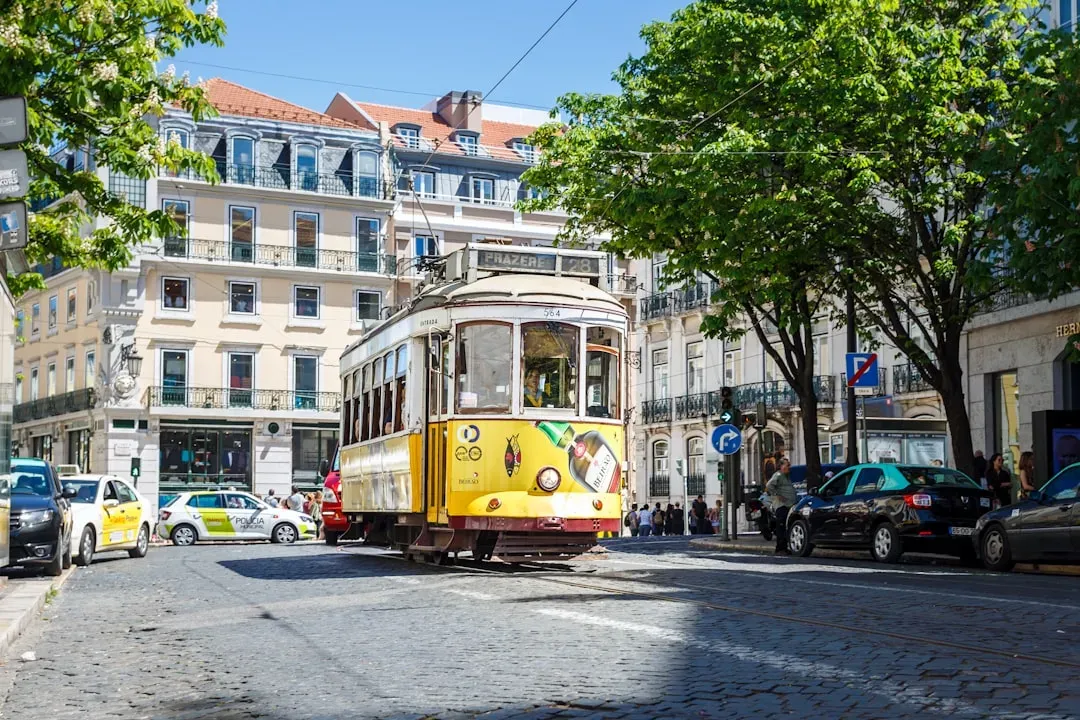
In 2024, Lisbon’s tourism continued its strong recovery, welcoming 6.54 million international visitors alongside 1.98 million domestic guests, representing a 5.5% rise in international arrivals compared to 2023. The city did not just recover from the pandemic years. It smashed through its own historical records.
Portugal recorded more than 30 million overnight guest stays in 2023, a figure approximately twice that recorded ten years prior, demonstrating the rapid growth the tourism sector is enjoying. That trajectory has continued without slowing down.
In 2023, Portugal was named Europe’s Leading Destination at the World Travel Awards, while Lisbon itself earned the title of Europe’s Leading City, a recognition it retained in 2024. That is back-to-back recognition at the continent’s most prestigious travel awards. Honestly, the secret is getting harder to keep.
More Direct Flights Make It Easier Than Ever

One of the biggest practical barriers to visiting Lisbon used to be the hassle of getting there. That obstacle has been shrinking fast. The growth in American tourism can largely be attributed to expanded air travel capacity between the USA and Portugal, as well as targeted promotional campaigns by Portugal’s national tourism authority.
Direct flights between New York and Lisbon take around 6 hours and 45 minutes, while direct flights from Boston take around 6 hours and 25 minutes, and from Washington D.C. around 7 hours and 15 minutes. That is a shorter flight than many Americans take to reach Hawaii. TAP Air Portugal offers direct flights all year round between the USA and Lisbon, United Airlines offers flights year-round from New York and seasonally from other cities, and Delta Airlines offers flights to Lisbon all year from New York as well.
In 2025, United Airlines launched its first-ever direct flights from New York to Faro in the Algarve, alongside a seasonal New York-to-Funchal route, as part of the airline’s largest-ever international growth. More routes mean more competition, which typically pushes prices down – another win for budget-conscious American travelers.
Lisbon’s Culture Is Authentic in a Way Paris No Longer Feels

There is a subtler reason behind this shift, one that is harder to quantify but very real for the travelers living it. Lisbon’s mix of Moorish, Gothic, and Baroque architecture creates a visually stunning environment, where centuries-old buildings stand side-by-side with contemporary structures. Visitors can explore iconic landmarks such as the Lisbon Cathedral, the Alfama district, and the stunning Praça do Comércio.
I think what people are really searching for, especially younger American travelers, is a place that still feels lived-in. Not curated, not Instagrammed to death, not a postcard. American visitors are increasingly choosing Lisbon as a destination, attracted by its relatively affordable luxury offerings, rich cultural heritage, and vibrant food scene.
Lisbon was voted Europe’s leading city break destination in 2024, beating out favorites like Paris, Athens, and Venice. This is a city where you can wander into a small restaurant, order bacalhau and a glass of local wine, and pay a fraction of what a similar meal costs in the Marais. That authenticity is becoming its own form of luxury.
Lisbon Is Embracing High-Value Tourism Without Losing Its Soul
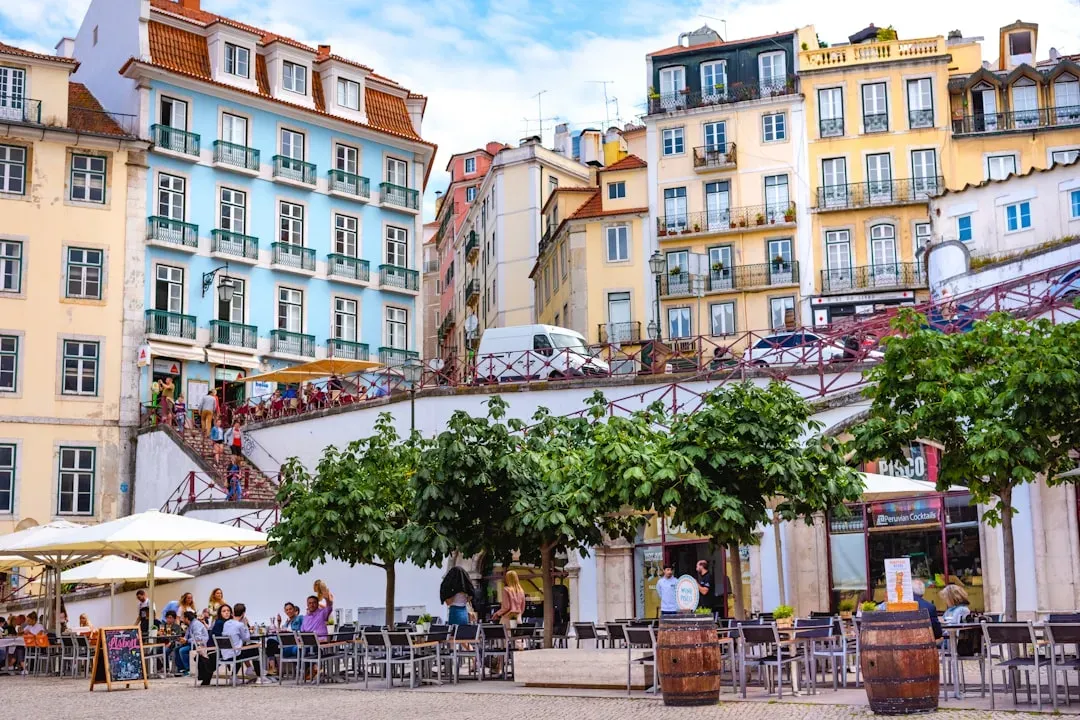
Portugal’s capital is not trying to compete with Paris by mimicking it. Instead, Lisbon is developing its own distinct tourism strategy, one focused on quality over sheer volume. Lisbon’s tourism sector is making strides in attracting high-spending visitors, shifting its focus away from mass tourism and now targeting tourists with high consumer spending, reflecting a significant strategy shift aimed at increasing revenue and improving the overall tourism experience.
Revenue per Available Room in Lisbon rose by 2.2% compared to the previous year, reaching €114.46. That growth happened even as room supply increased, which tells you the demand is genuinely strong, not artificially inflated. In 2024, tourists spent a total of €6.67 billion in Lisbon, a 10.8% increase over the prior year.
Tourism receipts in 2024 amounted to €27.65 billion across Portugal, reflecting an 8.8% increase compared to the previous year. More importantly, tourism receipts from the US market grew by an impressive 13.9% year-on-year, highlighting not just an increase in footfall but also in spending. Americans are not just visiting more – they are spending more when they get there.
What This Trend Tells Us About the Future of Travel
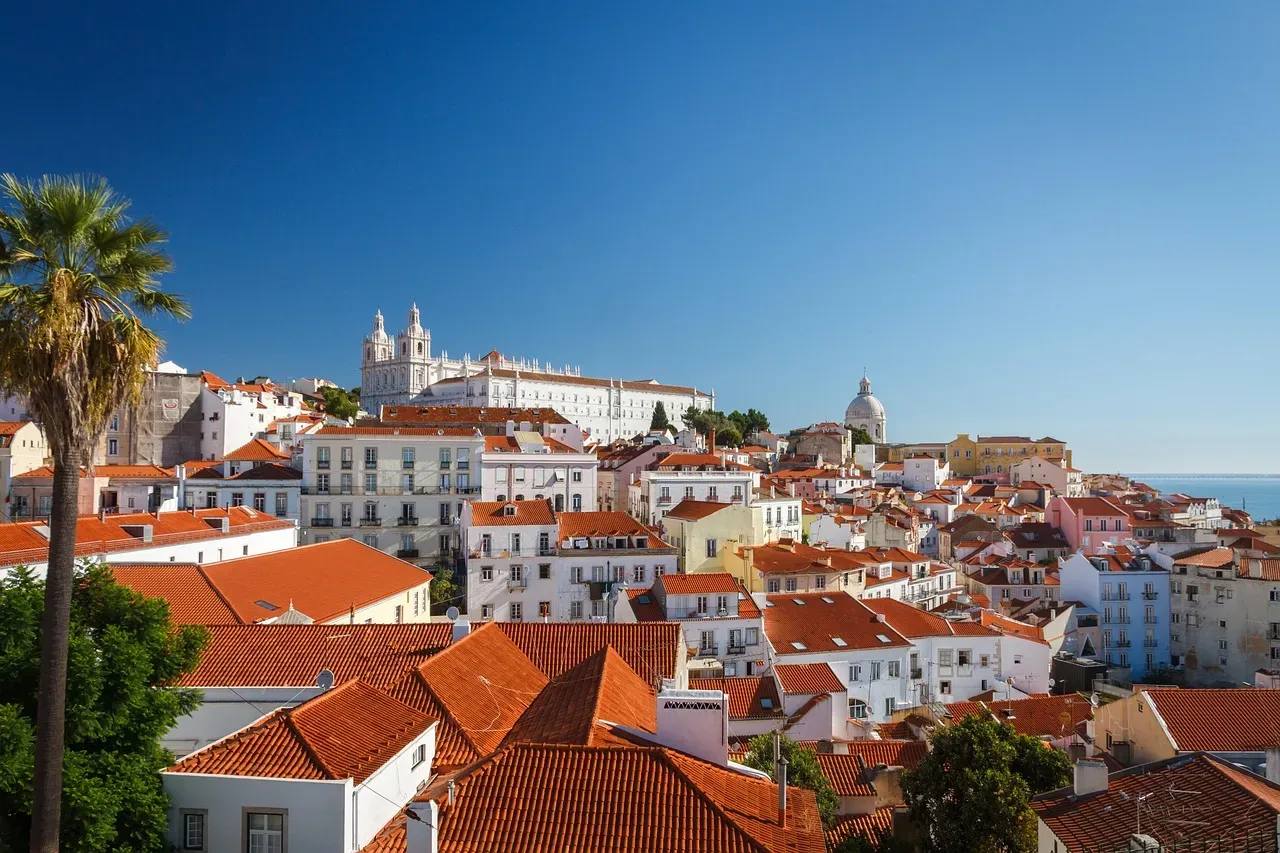
The broader picture here is about something shifting in how Americans think about European travel. The “must do Paris” bucket list mentality is giving way to something more personal, more curious, and frankly more adventurous. Urban planners warn that historic neighborhoods risk becoming what some critics call “zombie cities” – picturesque but lifeless, their residents displaced by short-term visitors. Cities like Paris are now cautionary tales as much as aspirational destinations.
A study found that roughly seven in ten luxury travelers now prefer urban destinations, indicating a clear shift toward cities as the go-to spots for high-end travel. Lisbon is perfectly positioned to absorb that demand without the grotesque overcrowding that is now defining Paris. It has history, food, music, ocean access, and an unmistakably warm welcome.
It’s hard to say for sure how long Lisbon can maintain the “hidden gem” status that makes it so appealing right now. Growth on this scale inevitably changes a city. To meet rising demand, the construction of a new Alcochete Airport has been proposed, with completion expected by 2034, set to replace the current airport. Lisbon is already planning for the next chapter. The question every traveler has to ask themselves is this: do you go now, while the cobblestones are still yours to wander – or do you wait until it becomes the next Paris? What would you choose?