

Something unusual is happening across rural America. Towns that were shrinking for more than a decade are now growing again. Housing markets in places most people can’t find on a map are suddenly running hot. Young professionals are trading city skylines for mountain views. Honestly, it’s one of the most fascinating demographic shifts this country has seen in generations – and it’s still unfolding right now.
The numbers are real, they’re recent, and they tell a story that goes far deeper than pandemic restlessness. Let’s dive in.
A Historic Reversal in Rural Population

For years, the story of rural America was one of slow, quiet decline. People left. Factories closed. Main streets hollowed out. Then, something changed.
Thousands of people moved to rural America, causing a fourth consecutive year of growth in rural areas, with nonmetropolitan counties growing by 134,000 residents between 2023 and 2024 – reversing a decade-long trend of population decline that had taken hold from 2010 to 2020.
After a decade of population loss in the 2010s, the nonmetro population has increased each year since 2020, with that growth being driven by migration, which has offset population losses caused by more deaths than births. Think about that for a second. Migration alone is keeping entire regions alive.
The COVID-19 Pandemic Flipped the Script

Let’s be real – COVID-19 was a catastrophe in almost every sense. Yet buried within the chaos was an unexpected side effect: it handed millions of Americans the freedom to reconsider where they lived.
After a decade of population loss, rural U.S. population is growing again, spurred by the increase in remote work that followed the COVID-19 pandemic. The commute that once tethered workers to expensive city apartments simply evaporated.
The pandemic accelerated migration trends that had already become established over the 2010s in much of the country. Migration to smaller, more affordable metro areas with fewer than one million residents – like Knoxville, Tennessee – doubled during the first year of the pandemic, while migration out of the largest metro areas also doubled in 2020.
Remote Work: The Engine Behind the Move

If the pandemic was the spark, remote work was the gasoline. It didn’t just nudge people toward smaller towns – it made the whole idea structurally possible in a way it never was before.
A 2024 article by Alan Berube of the Brookings Institution found that remote or hybrid working arrangements were likely behind the move of younger adults to rural areas where housing is available and affordable.
In the United States, the share of days worked from home rose from 5 percent prepandemic to 60 percent in the summer of 2020, fell throughout 2021 and 2022, but then stabilized at nearly 30 percent of days in 2023 and 2024. In other words, remote work isn’t a temporary phase – it settled into a new normal that fundamentally changed how millions of people think about location.
Young Adults Are Leading the Charge

Here’s the part that surprises almost everyone. It’s not only retirees seeking quiet pastures. Young adults – the generation most associated with urban energy, craft coffee shops, and city culture – are now among the most enthusiastic movers to small towns.
Based on population estimates released by the U.S. Census Bureau, between 2020 and spring 2024, two-thirds of population growth for those aged 25 to 44 occurred in areas with fewer than 1 million residents or rural counties. That statistic is genuinely startling.
A 2024 article by Hamilton Lombard of the University of Virginia’s Weldon Cooper Center for Public Service showed that since 2020, younger adults have been moving out of urban areas to smaller towns and rural areas and bringing higher incomes with them. They’re not moving because they’re struggling. They’re moving because they can, and they want to.
Sky-High City Housing Costs Are Pushing People Out

I think it’s impossible to talk about this migration wave without pointing directly at one enormous culprit: the cost of a roof over your head in a major city. It has, in many places, become genuinely absurd.
Urban centers have traditionally been associated with higher living costs, but recent years have escalated these expenses further. The Consumer Price Index for All Urban Consumers reported a 6.4 percent increase from January 2022 to January 2023, with shelter costs rising by 7.9 percent during the same period – the most significant 12-month advance since 1982. This surge in housing expenses has made city living increasingly unaffordable for many residents.
Stalwart patterns continue to show an exodus from once-popular megacities – where skyrocketing costs of living and population densities are the norm – in favor of smaller, more breathable cities and towns with lower costs of living, easier access to the outdoors, and vibrant, self-contained cultural scenes.
Rural Housing Prices Are Rising Fast Too
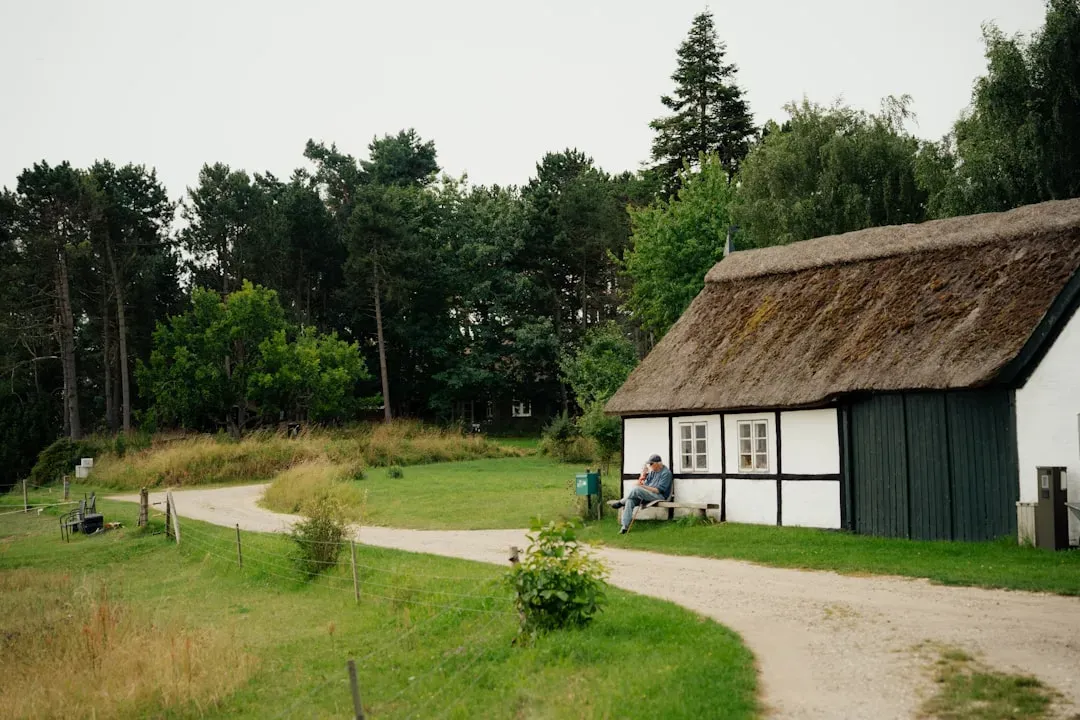
Here’s the plot twist that nobody who moved for affordability fully expected. The wave of city migrants flooding into smaller towns has started to push up home prices in those same rural communities – sometimes dramatically.
The U.S. median home value rose by approximately 40 percent between early 2020 and March 2024. In certain hotspot rural counties, the increases were far steeper than that national average.
Small and midsize rural communities had some of the biggest increases in home prices in the first two years of the pandemic, driven by out-of-town buyers. Researchers found that from November 2019 to November 2021, the surge in remote work alone increased home prices by approximately 15 percent. The affordability advantage that drew people in is, in some places, already beginning to erode.
The South and Interior Northwest Are the Biggest Winners
Not every small town is booming equally. The geography of this migration tells its own story, and certain regions have pulled far ahead of others.
The South saw the largest growth, with two-thirds of rural population growth happening there. The South gained an additional 130,100 residents in 2024, resulting in a net growth of 88,200 people after natural decrease.
In terms of percent change, however, the largest growth last year happened in the Interior Northwest. Between 2023 and 2024, the Interior Northwest, which includes the states of Idaho, Wyoming, and Montana, grew by 12,000 residents, a 0.68 percent increase. Idaho saw the most inbound migration in 2025 for the second year in a row, while southern states including South Carolina, North Carolina, and Tennessee remained primary draws and have consistently ranked among the top inbound states since 2020.
New Businesses Are Following the People

What happens when a wave of younger, higher-earning professionals settles into a small town? Turns out, they don’t just sit quietly. They start businesses. They invest. They change local economies.
The ongoing growth in young adult populations in most rural counties and the accompanying rise in incomes among new residents suggest that remote work and a tight labor market are continuing to allow many workers to have far more geographic flexibility in where they live. This shift has coincided with increased economic activity in many rural counties and small towns. Between 2019 and 2023, IRS applications to start new businesses in the country’s smallest metro areas and rural counties increased 13 percent faster than in other parts of the country.
That’s not a small ripple. It’s a genuine economic realignment. Small towns are not just gaining residents – they’re gaining entrepreneurs, spending power, and investment that simply wasn’t there before.
The “Zoom Town” Effect and Its Limits

The term “zoom town” became a cultural shorthand for places like Bozeman, Montana or Bend, Oregon, that suddenly exploded in popularity as remote workers landed with laptops and lattes. It sounded temporary. It largely wasn’t.
Zoom towns may have appeared to be a temporary pandemic trend experienced by a few small towns, but the ongoing growth in young adult populations in most rural counties and the accompanying rise in incomes among new residents suggest that remote work and a tight labor market are continuing to allow many workers to have far more geographic flexibility in where they live.
Still, it’s hard to say for sure whether every small town benefiting from this wave will sustain its growth over the long term. Recent growth from 2020 to 2024 has been concentrated in counties adjacent to metro areas and counties with recreation economies, with most other nonmetro counties still seeing decline. Despite an overall nonmetro population increase, 51 percent of nonmetro counties saw population declines between July 2020 and June 2024. The boom isn’t universal – it’s selective.
Overall Mobility Remains Surprisingly Low
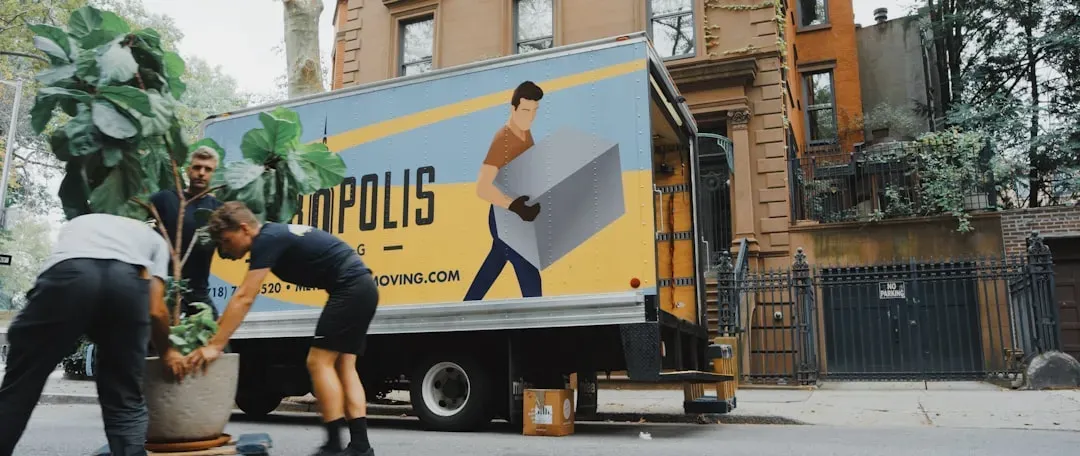
With all this talk of migration waves and rural revivals, it’s easy to imagine millions of Americans packing U-Hauls every few months. The reality is considerably more measured, and that context matters.
According to U.S. Census migration data, only about 11.8 percent of Americans moved to a different residence in 2024. That’s a relatively modest share of the overall population. The rural growth story, while real and significant, is being driven by a comparatively small slice of a very large nation.
Currently, over a third of Americans say they’re considering a move. The ability to start over has always been a central feature of the American Dream, so it’s not surprising to find so many people thinking about relocating. Based on history, however, only about 8 to 10 percent actually follow through. Wanting to leave and actually leaving are very different things.
Conclusion: A Reshaping That’s Still in Motion
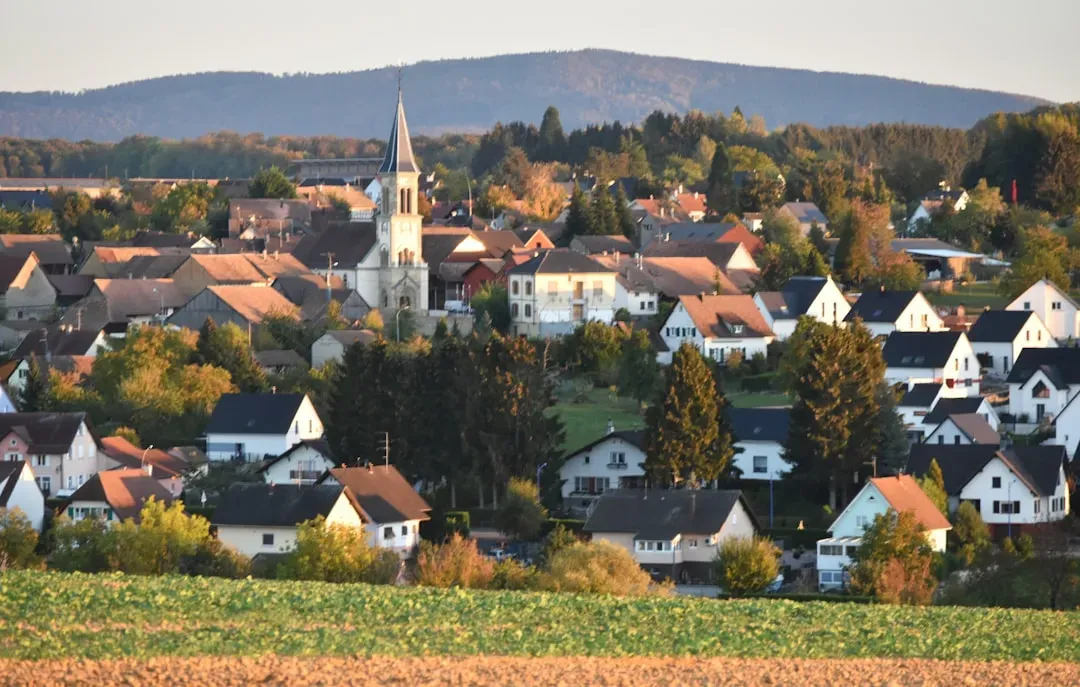
What we’re watching is not a fad. It’s not a pandemic blip that’ll correct itself once enough people miss their favorite city restaurants. This pattern has led some demographers to conclude that a major change in American migration is under way, particularly among workers.
The combination of remote work’s staying power, sky-high urban housing costs, and a genuine cultural hunger for space, nature, and community is redirecting where American life happens. Small towns that were invisible on the national radar five years ago are now destinations. That’s a remarkable thing.
The question worth sitting with is this: as more people discover the appeal of smaller places, will those places manage to stay the thing that attracted everyone in the first place – or will they simply become the next version of the expensive, crowded cities people were trying to leave? What do you think? Share your take in the comments.