
There’s something shifting beneath the surface of American life. You can see it in the moving vans heading away from skyscrapers and toward farmland. You can hear it in conversations about front porches, community potlucks, and affordable mortgages. People are leaving cities not because they have to, but because they want to. The question is no longer just about where you can afford to live. It’s about where you actually want to wake up every morning.
This isn’t just a fleeting trend. Between 2020 and 2024, nonmetropolitan counties gained nearly 974,000 people, with about 69 percent coming from domestic migration. Something fundamental has changed in how Americans think about home, work, and what makes life worth living. So what’s really driving this rediscovery of small-town life? Let’s dive in.
Migration Numbers Tell a Dramatic Story
After a decade of population loss in the 2010s, nonmetropolitan areas have increased each year since 2020. That’s not a small blip on a chart. It represents hundreds of thousands of people making a conscious choice to trade urban amenities for something different.
Rural net migration rates jumped from near zero between 2017 and 2020 to 0.47 percent in 2020-21. Meanwhile, urban areas saw their migration advantage evaporate almost overnight. This reversal caught demographers off guard, honestly, because it contradicted decades of urbanization trends that seemed unstoppable.
The fascinating part is what didn’t happen. Growth in most rural counties came from fewer people leaving rather than more people arriving. In other words, rural America didn’t suddenly become a magnet. Cities just stopped being the only option.
Remote Work Changed the Entire Equation

Let’s be real about what happened. When companies sent everyone home in 2020, they accidentally proved that location didn’t matter for millions of jobs. Fear of COVID-19 exposure in urban areas and the subsequent increase in remote work contributed to dramatic shifts in migration patterns.
By the third quarter of 2025, roughly one quarter of job postings offered hybrid arrangements, while another 12 percent were fully remote. That means more than one in three new jobs didn’t require you to live anywhere specific. Imagine what that does to your life choices when a California salary can follow you to a Kansas town.
Rural communities are embracing coworking as a solution to support local professionals and attract talent, as internet connectivity improves and demand for flexible work environments spreads beyond cities. Small towns are getting smarter, investing in the infrastructure that makes remote work actually work.
The Housing Affordability Gap Is Staggering
Here’s where simple math becomes life-changing. A dollar stretches farther in small towns, where you can often get a spacious home for the price of a studio in the city. That’s not exaggeration. That’s reality for millions of Americans who’ve been priced out of homeownership in metro areas.
Remote workers can keep their California salary and operate on a Midwest cost of living, according to relocation platform experts. The difference isn’t marginal. It’s the difference between renting forever and owning a house with a yard. Between financial stress and financial breathing room.
Some small towns have gotten aggressive about this advantage. Cities like Tulsa recruited nearly 700 households a year with $10,000 relocation checks and retained 90 percent of them after the first year. These aren’t desperate Hail Mary passes. They’re strategic investments that seem to be working.
Places Farther From City Centers Are Growing Fastest
The country’s fastest-growing places are increasingly far-flung exurban communities on the outer margins of metro areas, with more growth occurring 30, 40, and even more than 60 miles away from downtown than before the pandemic. That’s a measurable shift in where Americans want to be.
Many small and midsize cities with populations under 50,000 saw relatively higher growth rates in 2023 than in 2019 before the pandemic, while large cities generally grew at slower rates. The pattern is unmistakable. Distance from urban cores is no longer the liability it once was.
Census researchers noticed something interesting. With many more people able to work from home at least some of the time, people are more willing to live further away from their place of employment than in the past. Commute tolerance used to define housing markets. Now it barely matters.
Young Adults Are Part of the Migration Wave

This isn’t just retirees seeking peace and quiet. The demographic shift includes people in their prime working years, which changes everything about a community’s vibrancy and future. Recent trends show that since 2020, the vast majority of growth among adults in their twenties through forties has shifted to smaller cities and rural areas as lifestyle and natural amenities become priorities.
These aren’t people giving up on their careers. They’re knowledge workers, freelancers, consultants, and employees of companies that went permanently hybrid. Small towns that once relied on tourism, farming, or a single employer now welcome designers, engineers, teachers, and freelancers who log in from kitchens and spare rooms.
Competitive housing markets, overcrowding and a lack of community connection drive remote workers to leave large metro areas for better quality of life in small towns offering lower cost of living, accessible amenities, and award-winning school systems. These are calculated decisions, not nostalgic fantasies.
Community and Quality of Life Matter More Than Ever
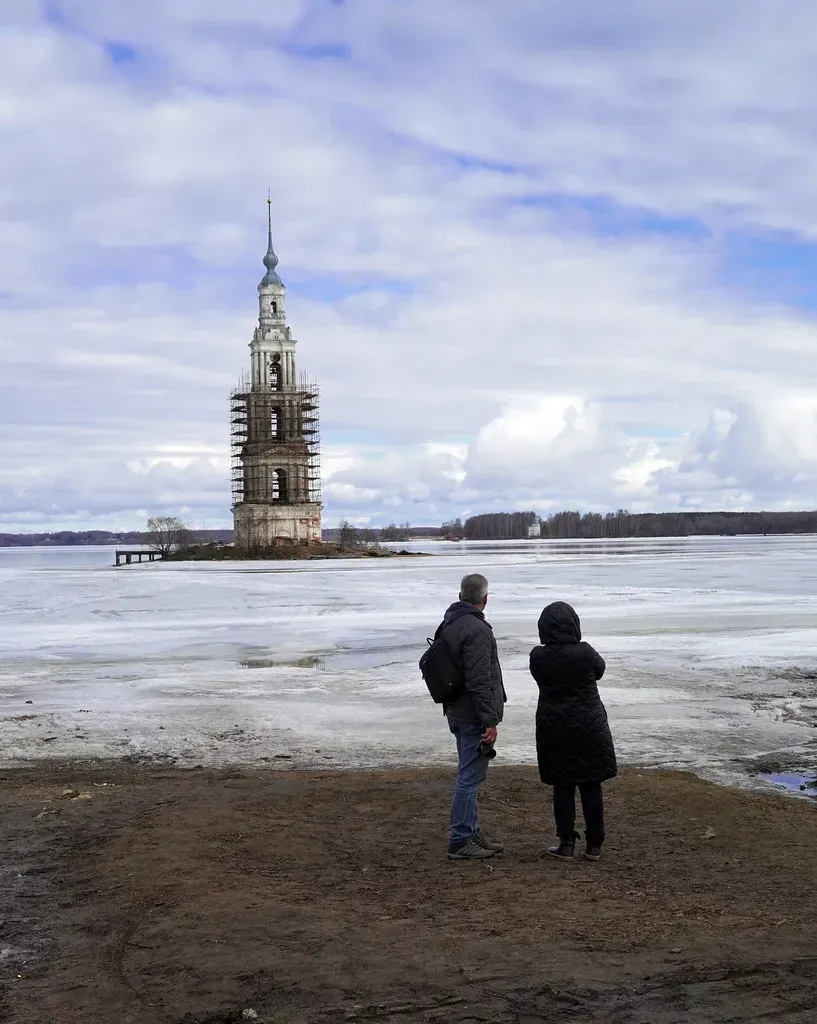
There’s something people crave that cities stopped providing for many residents. Smaller towns offer green space, slower mornings, and more time with family, which matters especially when work is already high-pressure. It’s not that cities are bad. It’s that they’re relentlessly fast, and not everyone wants to live that way anymore.
The pandemic forced a reckoning with what actually matters. When you’re stuck at home anyway, do you want to be in a cramped apartment or a house with a backyard? When schools went remote, did you want your kids staring at screens in a small bedroom or having space to run around outside?
Remote workers aren’t just looking to save money; they’re searching for a healthier routine, with a shorter commute and more time for hobbies, family, and outdoor activities. Quality of life became quantifiable in ways it never was before.
Family and Social Networks Pull People Back
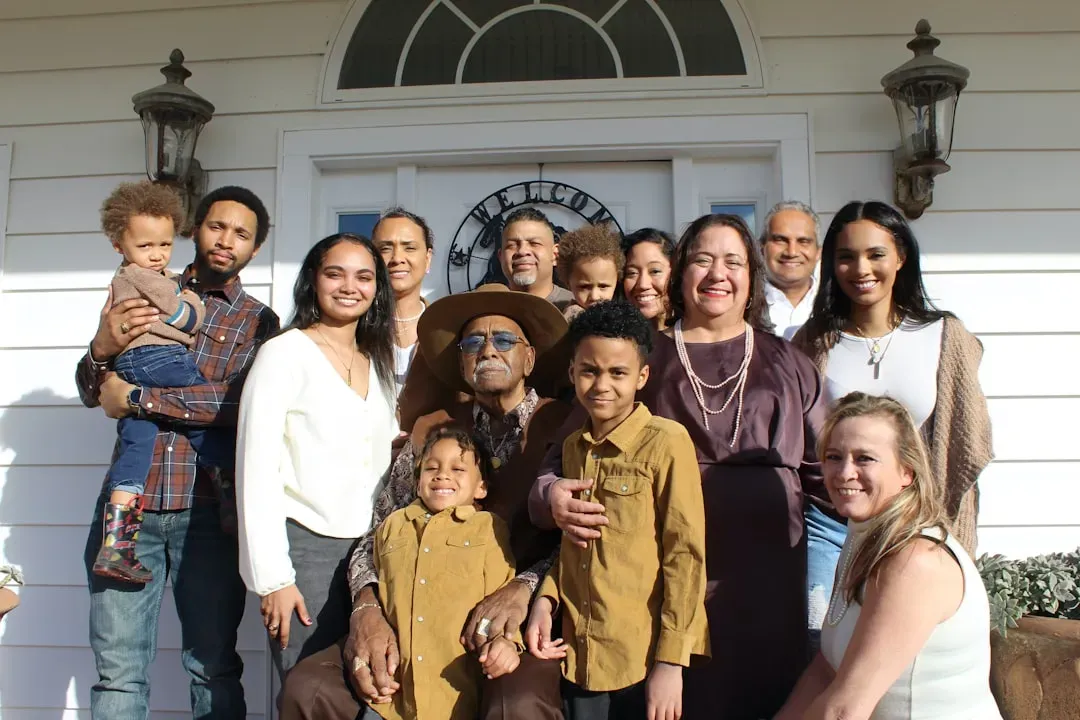
Surveys consistently show that proximity to family ranks among the top reasons people relocate. Small-town migration often means returning to roots or moving closer to extended family networks that urban life had pulled people away from. There’s comfort in that, especially for people raising children who want grandparents nearby.
Events, networking groups, and recreational activities designed to foster connections among remote workers are emerging, creating an environment where professionals can integrate seamlessly. Small towns are working to prove they’re not isolated or boring. They’re building the social infrastructure that newcomers need.
When you already know people in a place, when your kids can play with their cousins, when you run into neighbors at the grocery store, community happens naturally. Cities offer diversity and excitement. Small towns offer belonging and continuity.
This Is Part of a Broader Counterurbanization Process
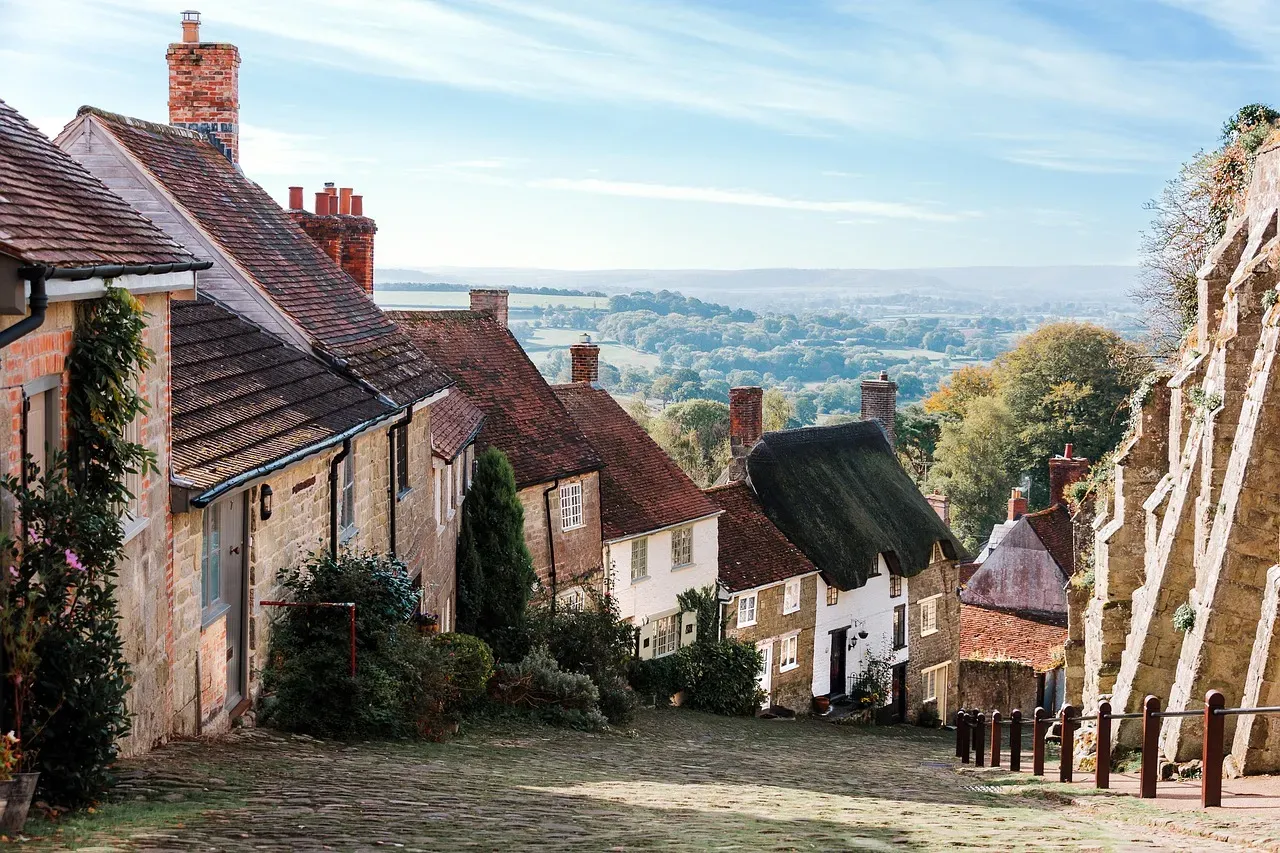
Counterurbanization is a demographic and social process in which people move from urban areas to rural areas, inversely related to urbanization and often occurring as a reaction to inner-city conditions. America is experiencing a textbook example of this phenomenon right now.
People have moved from urban to rural communities for various reasons including job opportunities and simpler lifestyles, and due to technology, people from rural communities can now remote work via rural Internet. This isn’t new in concept, but it’s new in scale and sustainability.
Population experts use phrases like deconcentration and decentralization. What they mean is that the magnetic pull of cities is weakening. Not disappearing, but weakening. For the first time in generations, Americans have real choices about where to live without sacrificing economic opportunity.
Families and Retirees Are Both Choosing Small Towns
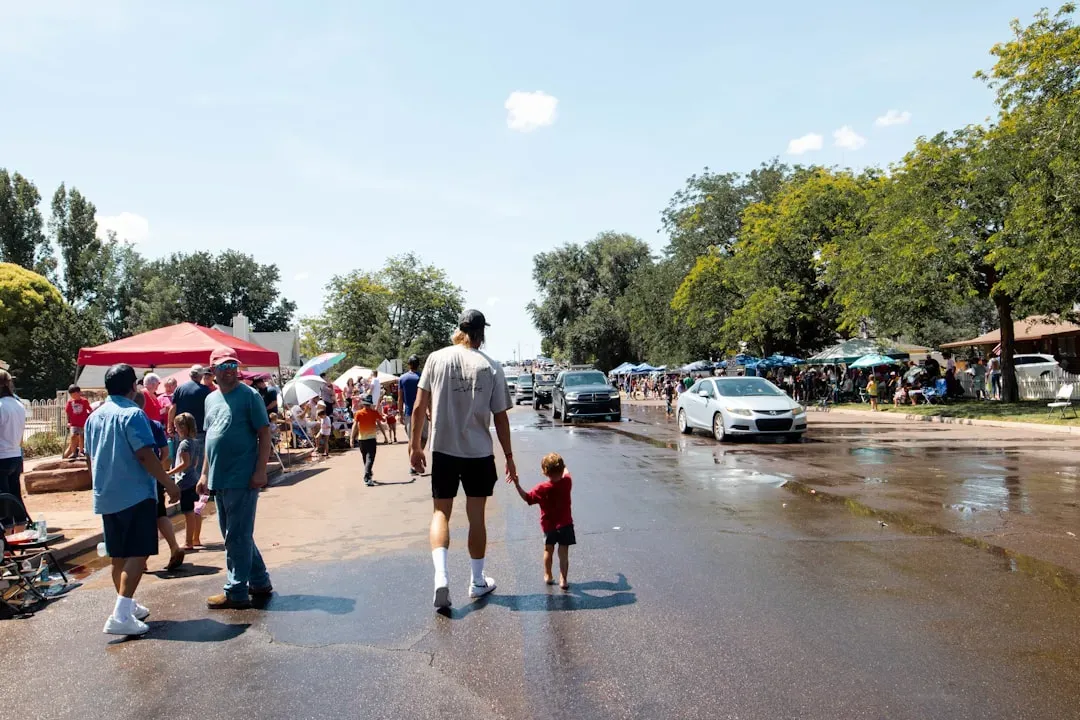
Recent growth between 2020 and 2024 has been concentrated in counties adjacent to metro areas and counties with recreation economies, with 65 percent of nonmetro counties experiencing positive net migration. Different groups are drawn to different types of places, but the overall direction is the same.
Families with children are seeking better schools, safer streets, and yards where kids can actually play outside unsupervised. Retirees want tranquility, lower costs, and communities where they can age in place with dignity. Both groups are finding what they need outside major metros.
Small-town communities are benefiting from an influx of remote workers who bring economic growth, revitalization, and new business opportunities. This creates a virtuous cycle. Newcomers support local businesses. Towns invest in infrastructure. More people are attracted. The downward spiral that plagued rural America for decades is reversing in many places.
The Pandemic Fundamentally Shifted Priorities About Home
Something broke open in 2020 that hasn’t closed back up. The overall U.S. internal migration rate actually declined during the pandemic, but the patterns within that migration shifted dramatically. People who moved were moving for different reasons and to different places than before.
This suggests a softening of pandemic-era domestic migration patterns, though notable relocation patterns since 2020 show an ongoing preference for places with more space and quality of life. The initial panic has subsided, but the fundamental reassessment of what makes a place worth living hasn’t reversed.
It’s hard to say for sure, but the pandemic might have been the permission slip people needed to make changes they’d been contemplating for years. When everything got disrupted anyway, why not disrupt your own life in ways you actually control?
What we’re witnessing is more than a migration. It’s a redefinition of the American Dream for the remote work era. The dream still includes prosperity and opportunity, but it increasingly also demands space, community, and a reasonable cost of living. Small towns are where those things intersect right now, and hundreds of thousands of Americans are voting with their feet. Did you expect that the pandemic would lead to such a lasting shift in where people choose to call home?