

The Joy of Authentic Experiences
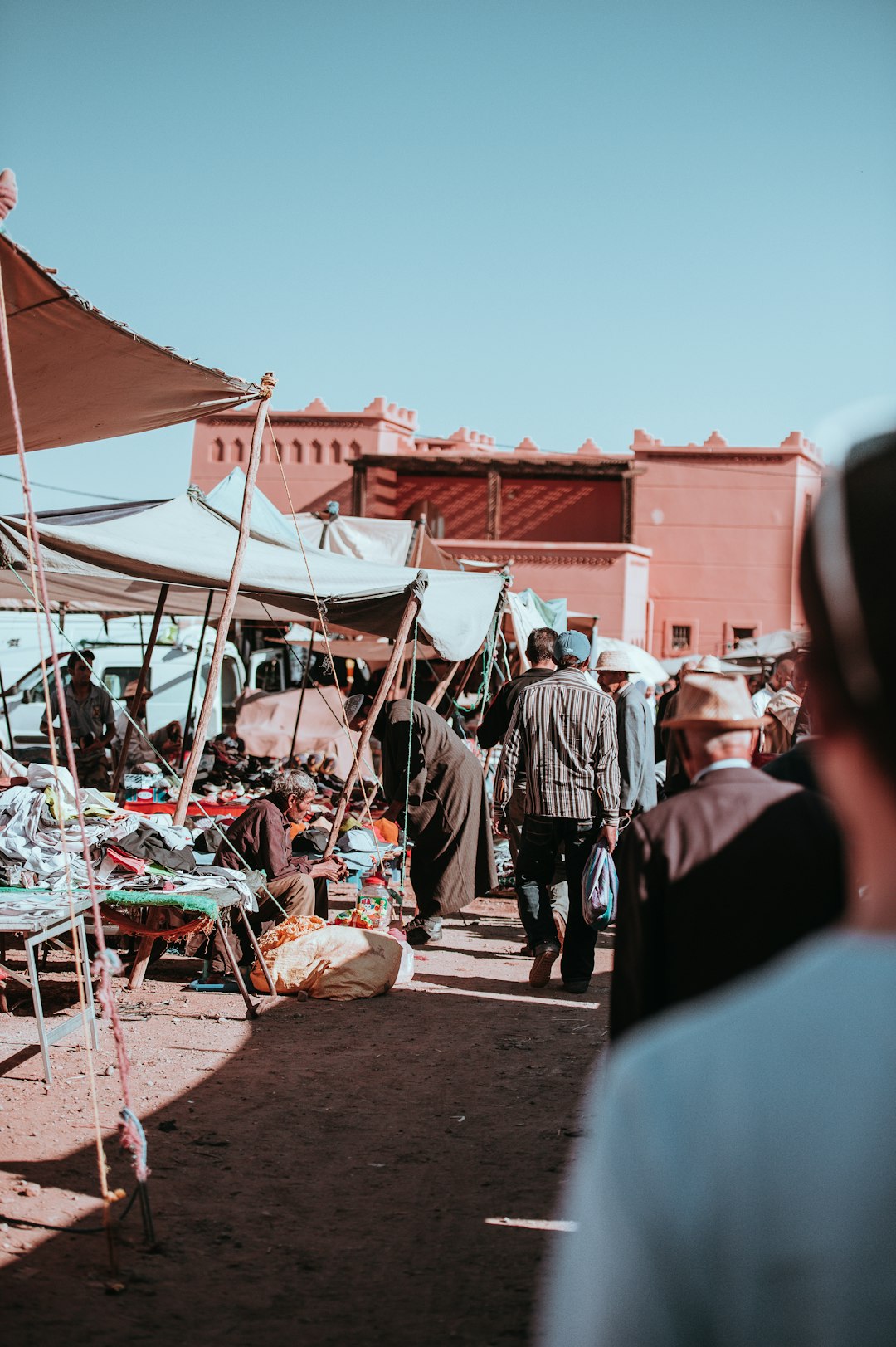
Budget trips continue to offer travelers the chance to truly experience the heart of a destination. According to the 2024 World Tourism Organization report, 78% of global travelers say that authentic cultural immersion is more important than luxury amenities when choosing a destination. This is evident in how budget travelers are more likely to explore local markets, sample street food, and engage in community-led tours, creating opportunities for meaningful interactions. For example, in 2024, backpackers in Vietnam reported greater satisfaction from participating in lantern-making classes in Hoi An than from staying in five-star hotels. These immersive moments often lead to deeper, more genuine connections with the local culture. Rather than being insulated behind resort walls, budget travelers are thrust into the daily rhythms of the community. This hands-on approach brings about a stronger sense of discovery and personal growth, making each trip feel more memorable and transformative.
Financial Freedom and Less Stress

Choosing a budget-friendly trip can alleviate much of the financial anxiety that often shadows high-end vacations. The Global Travel Association’s 2025 survey revealed that 62% of respondents found themselves more relaxed on budget trips because they didn’t have to worry about overspending or hidden costs. Travelers who choose affordable accommodations such as hostels or homestays often report feeling liberated from the pressure to “get their money’s worth” from expensive bookings. This relaxed attitude creates space for spontaneous fun and a focus on experiences rather than expenses. Additionally, the use of budget travel apps and platforms like Couchsurfing or Airbnb has surged, allowing travelers to discover unique and affordable lodging that adds extra excitement to their adventures. With less focus on cost, travelers find it easier to embrace the journey and cherish the simple pleasures that emerge along the way.
Building Lasting Relationships

Traveling on a budget frequently leads to the formation of strong, lasting bonds—both with travel companions and with locals. A 2024 study in the Journal of Travel Research showed that budget travelers tend to share more time, stories, and challenges with fellow adventurers, strengthening their relationships. For instance, a group of friends backpacking through Eastern Europe in 2024 reported forging lifelong friendships with both locals and other travelers in shared hostels. Volunteering or participating in community projects, often accessible through budget travel networks, further deepens these connections. The shared experience of navigating unfamiliar places and overcoming obstacles together creates a special sense of camaraderie. These bonds, built on shared memories and mutual support, often outlast the trip itself, enriching travelers’ lives long after they return home.
The Adventure of Discovery
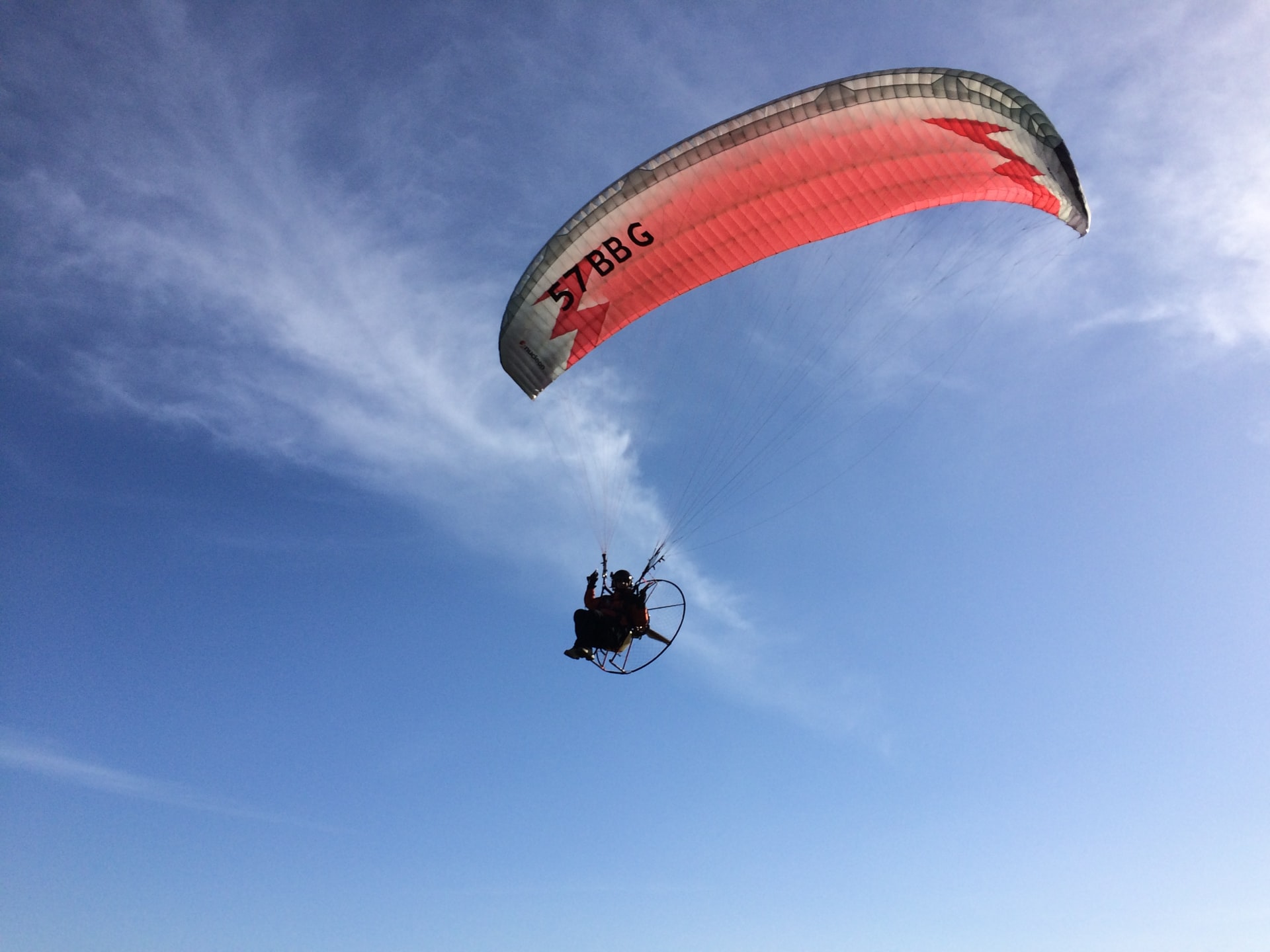
Budget travel naturally encourages a spirit of exploration, often leading travelers to discover hidden gems away from tourist hotspots. The Adventure Travel Trade Association’s 2025 report found that 70% of adventure travelers opt for budget options specifically to access off-the-beaten-path destinations. This approach opens up opportunities to stumble upon local festivals, secluded beaches, or small mountain villages that rarely appear in luxury vacation brochures. For example, in 2024, hikers in Peru found themselves participating in a village celebration, an experience they described as the highlight of their journey. The element of surprise and unpredictability makes each day feel like an adventure. By stepping outside the boundaries of traditional tourism, budget travelers uncover stories and moments that simply can’t be bought.
Sustainable Travel Choices
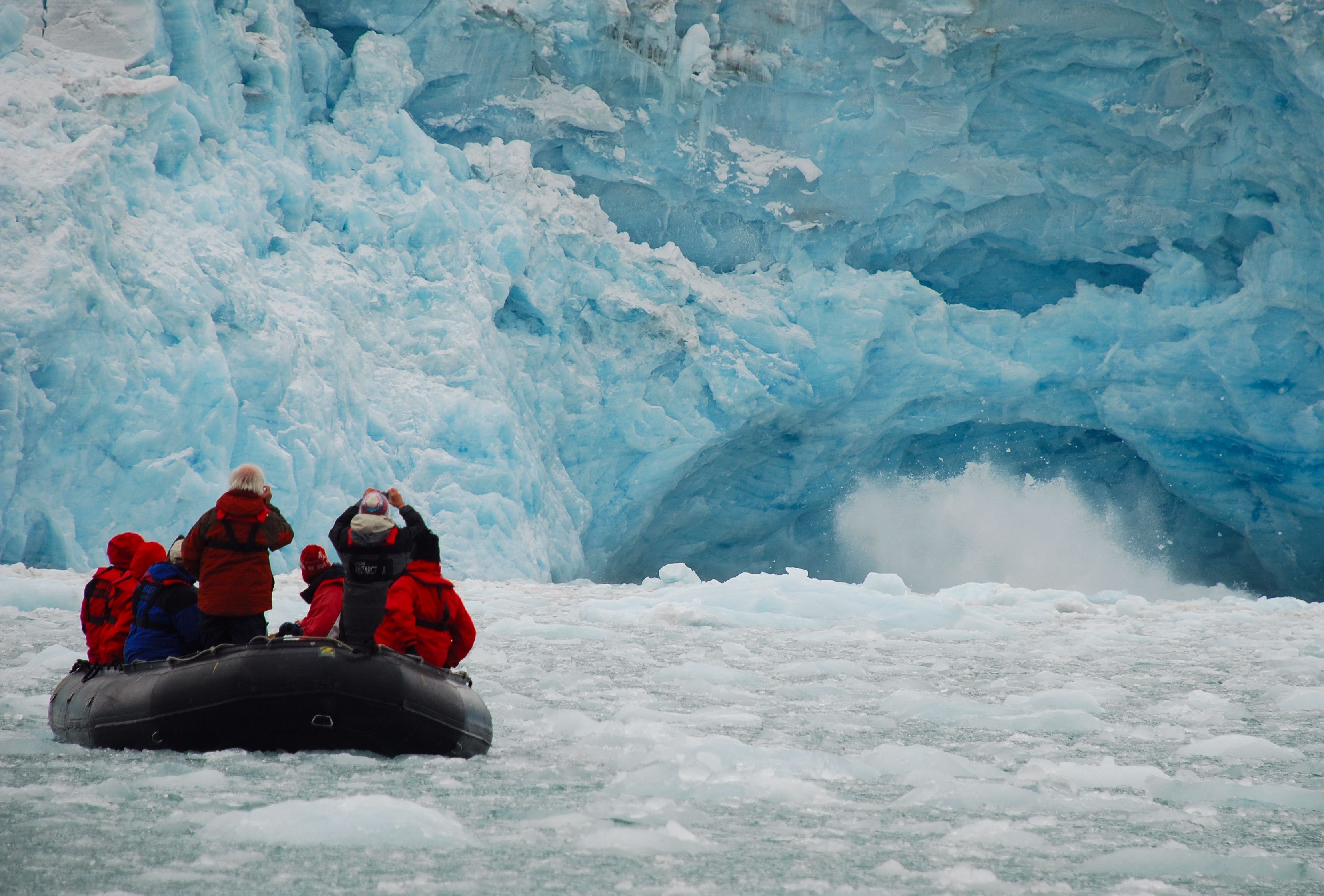
Budget travel is increasingly aligned with sustainable and responsible tourism practices. The Sustainable Travel Coalition’s 2024 research showed that 65% of budget travelers actively prioritize eco-friendly choices, such as public transportation, locally owned guesthouses, and minimizing waste. This shift is partly driven by a growing awareness of the environmental impacts of luxury travel, especially cruise ships and all-inclusive resorts. Choosing budget options often means lower carbon footprints and more direct support for local businesses. A recent example includes the rise of eco-hostels in Central America, which blend affordability with green initiatives like solar power and rainwater harvesting. These choices help travelers feel that their trips are not only enjoyable but also meaningful in their positive impact on the planet and local communities.
The Satisfaction of Overcoming Challenges

Navigating the hurdles of budget travel can be deeply satisfying and empowering. Travel Weekly’s 2024 survey highlighted that 58% of budget travelers felt a sense of pride when overcoming logistical challenges, such as negotiating fares or finding affordable meals in unfamiliar cities. These small victories often become the stories travelers share and remember most. For instance, a solo traveler in Morocco recounted the thrill of learning enough Arabic to bargain for souvenirs, turning a daunting task into a highlight of the trip. These moments require adaptability and problem-solving, fostering resilience and self-confidence. The sense of accomplishment that comes from successfully navigating these challenges often outweighs the comfort and predictability of luxury travel.
Flexibility and Spontaneity

Budget trips offer a level of flexibility and spontaneity that is hard to match with pre-planned luxury vacations. Expedia’s 2025 study found that 72% of budget travelers appreciate being able to change their plans at the last minute, whether that means extending a stay in a favorite town or joining new friends on an unplanned excursion. This freedom allows travelers to follow their curiosity and adapt to opportunities as they arise. A 2024 case from Portugal saw budget travelers joining a spontaneous surf camp after meeting locals on a bus, leading to unexpected skills and friendships. Such unplanned adventures often become the most cherished memories, showcasing the value of keeping an open itinerary.
Learning Opportunities

Educational experiences are a hallmark of budget travel, offering insights and skills that go beyond sightseeing. The International Journal of Tourism Research reported in 2024 that 67% of budget travelers participate in learning-focused activities, such as language classes, cooking workshops, or artisan crafts. These hands-on experiences foster a deeper understanding of local cultures and traditions. For example, travelers in Thailand have increasingly opted for budget-friendly homestays that include rice planting or Muay Thai lessons, providing a window into daily life that luxury tours rarely offer. Such activities not only enrich the traveler but also promote cross-cultural understanding and respect.
Health Benefits of Active Travel
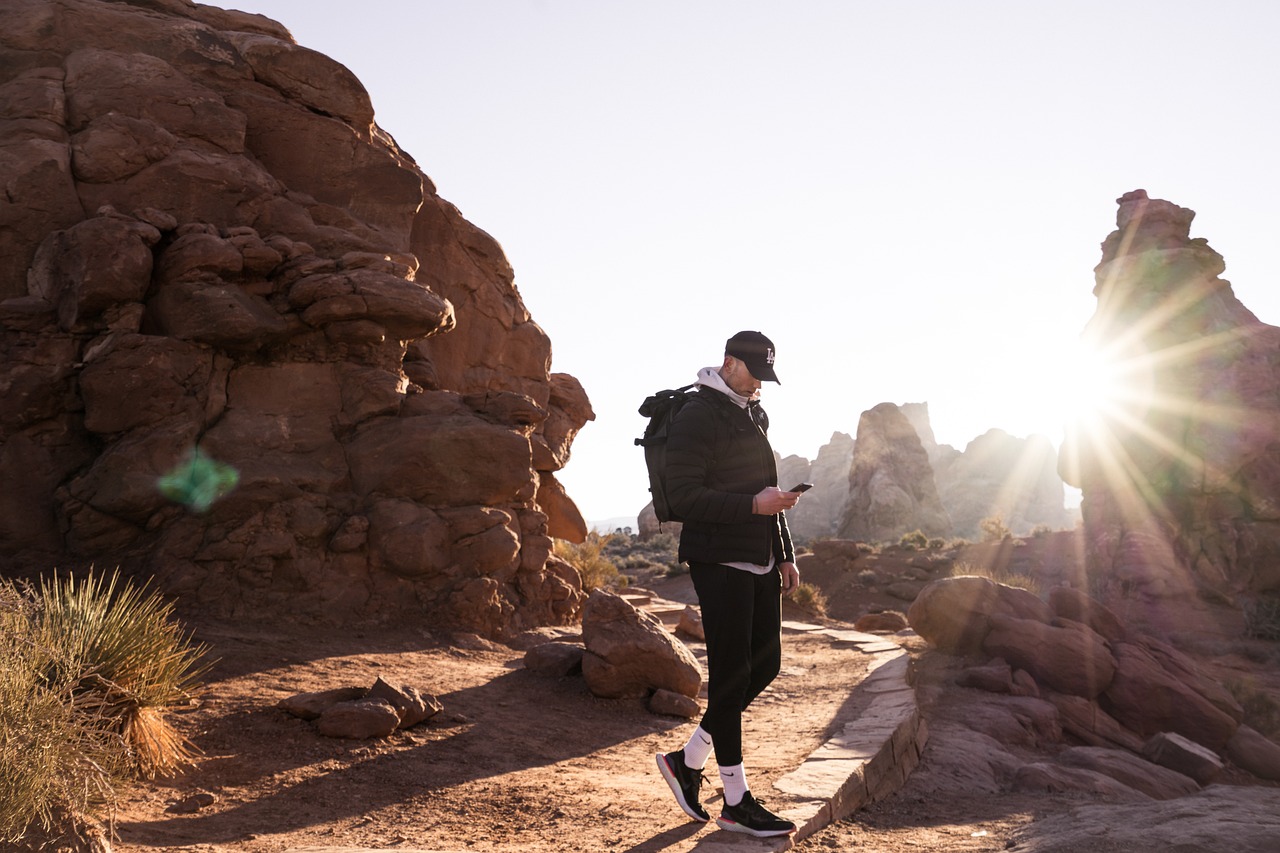
Budget travelers are often more physically active, reaping health benefits that enhance their overall well-being. The Global Wellness Institute’s 2025 research confirmed that travelers engaging in hiking, biking, or walking tours reported higher satisfaction and better mental health compared to those on sedentary luxury trips. Active travel, like trekking in national parks or cycling through countryside villages, encourages movement and outdoor exposure. In 2024, Spain saw a 30% increase in travelers choosing the Camino de Santiago pilgrimage route, citing both affordability and the chance to improve physical fitness. This emphasis on activity not only keeps travelers healthy but also creates a stronger connection with the natural beauty of their destination.
Creating Meaningful Memories

The memories forged on budget trips often prove to be the most meaningful and enduring. A 2024 survey by the Travel Experience Institute found that 80% of budget travelers felt their experiences were more fulfilling than those enjoyed on luxury vacations. These memories commonly stem from unique encounters, overcoming challenges, and participating in local traditions. For instance, travelers volunteering at a rural school in Nepal or sharing meals with a family in Italy reported feeling a deeper emotional connection to their destinations. These moments, shaped by authenticity and real human connection, often become the stories travelers cherish most throughout their lives.