The Tangible Foundations of AI Growth (Image Credits: Pexels)
Artificial intelligence thrives on vast computational power, but that power demands enormous physical infrastructure scattered across cities and towns. Data centers, the unsung heroes of the AI economy, rely on local electricity grids, land, and resources, placing them squarely in the midst of everyday communities. Residents near these facilities wield significant influence over their development, turning local approval into a critical factor for tech giants racing to scale.
The Tangible Foundations of AI Growth
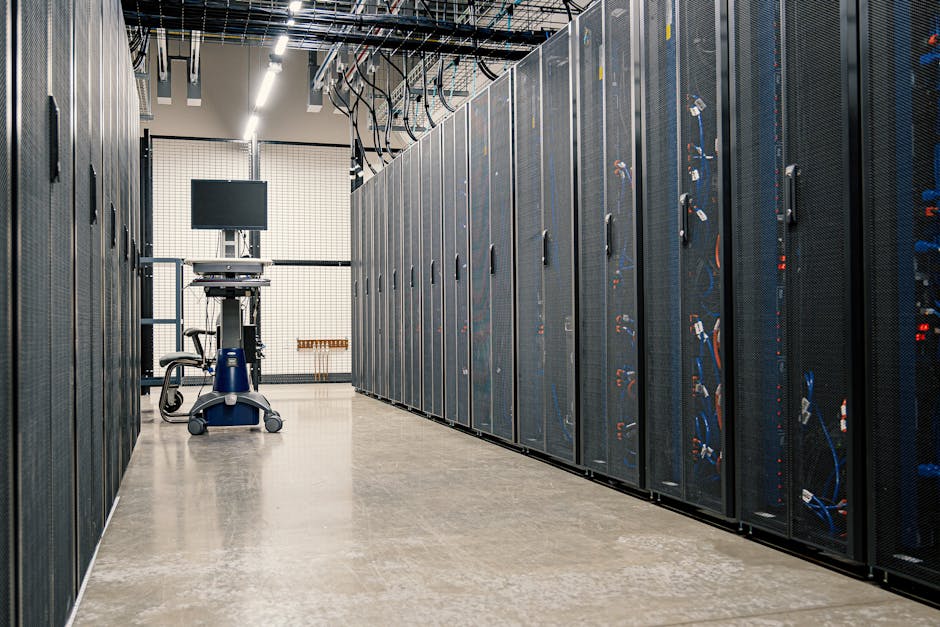
Data centers represent the concrete reality behind AI’s digital facade. These sprawling facilities consume massive amounts of electricity and require strategic placement near power sources, making their location a matter of local concern. Companies that overlook this grounded aspect risk delays or outright rejection.
Success in the AI arena now pivots on earning community trust through transparent practices and sustainable designs. Firms prioritizing long-term harmony with neighbors position themselves to expand rapidly, while others falter amid opposition. This shift elevates engineering and relationship-building to strategic imperatives.
Historical Parallels: Infrastructure as Economic Anchor
Railroads in the 19th century transformed landscapes by connecting towns to prosperity, a pattern echoed today by data centers. Where tracks once laid the path for growth, modern facilities now promise enduring economic stability. Communities hosting them stand to gain generational benefits if development proceeds thoughtfully.
Responsible construction integrates these sites into local fabric rather than isolating them. Developers who invest in upgrades like grid enhancements ensure shared prosperity without shifting costs to taxpayers. Such approaches foster environments where innovation flourishes alongside community well-being.
Embracing the “Century-Long Neighbor” Mindset
Leading developers adopt a “100-year neighbor” philosophy, committing to projects with enduring positive impact. This mindset drives decisions like using modular, off-site construction to reduce on-site disruption and advanced cooling systems that conserve water. Cleaner materials and fuels further minimize environmental footprints.
Investments in local infrastructure, such as substations, bolster reliability for everyone. Partnerships with global bodies, including UNESCO’s World Engineering Day for Sustainable Development 2026, promote standards that balance technological advancement with stewardship. These efforts create Class A facilities that serve national needs while honoring local priorities.
From Temporary Jobs to Enduring Careers
Data center projects generate immediate construction employment, evolving into stable operational positions with advancement potential. Collaborations with trade schools open doors to skilled trades, retaining talent and families in the area. Over decades, these sites contribute a reliable tax revenue stream supporting essential services.
The compounding value manifests in stronger schools, improved roads, and vibrant public spaces. Communities experience not just economic uplift but a sense of partnership in technological progress. This model turns potential neighbors into stakeholders invested in mutual success.
Trust: The Path to Scalable Innovation
Transparency and shared benefits transform skepticism into support, enabling smoother expansions. Companies treating communities as transactional partners face resistance, while those building genuine alliances secure the stability needed for breakthroughs. National AI leadership emerges when local prosperity aligns with it.
Key practices include:
- Minimizing logistical disruptions through efficient building techniques.
- Employing resource-efficient technologies like waterless cooling.
- Funding grid improvements to enhance regional resilience.
- Fostering workforce development via educational ties.
- Maintaining open communication for ongoing trust.
Key Takeaways
- AI infrastructure demands local consent, making trust a competitive advantage.
- Sustainable designs and long-term commitments yield economic anchors for communities.
- Partnerships between tech and residents drive scalable progress.
As data centers power the AI future, their success hinges on harmonious integration with host communities. This ground-level strategy promises widespread benefits, blending innovation with responsibility. What role do you see communities playing in the AI era? Share your thoughts in the comments.