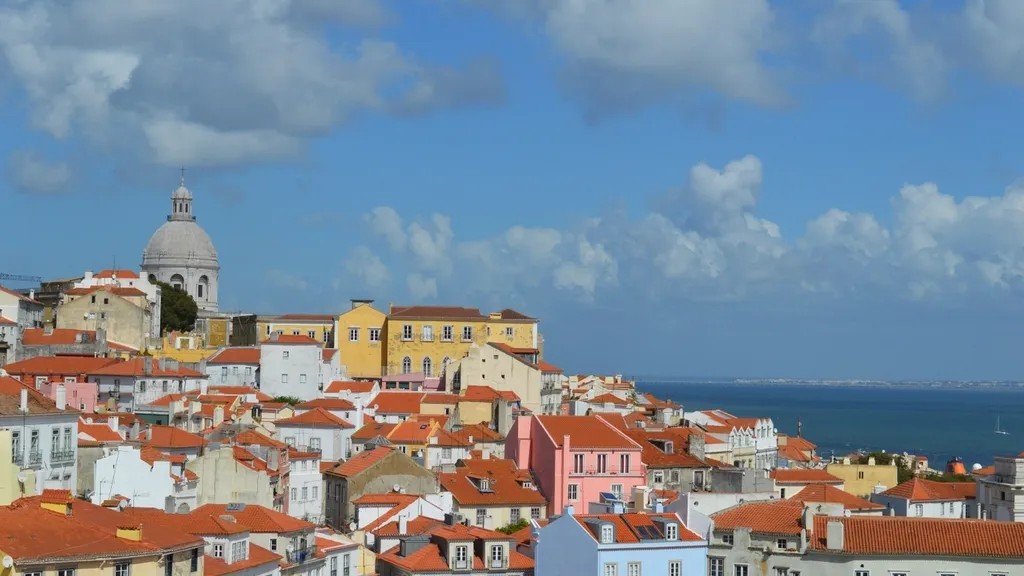

Not too long ago, the idea of working remotely from Lisbon or a sun-drenched Barcelona café felt like the ultimate dream. Pack your laptop, get a cute apartment near a cobblestone square, and log in with a glass of wine nearby. It was aspirational, beautiful, and for a while, genuinely achievable.
That dream is changing. Fast.
Something quiet but significant has been shifting in the digital nomad community since 2023, and it is only accelerating in 2025 and into 2026. Remote workers, once enchanted by European postcards, are increasingly looking inward at cities like Indianapolis, Chicago, Columbus, and Pittsburgh. Not exactly what you would expect. But here is why it makes more sense than it sounds. Let’s dive in.
Europe’s Visa Rules Are Getting Tougher and More Expensive
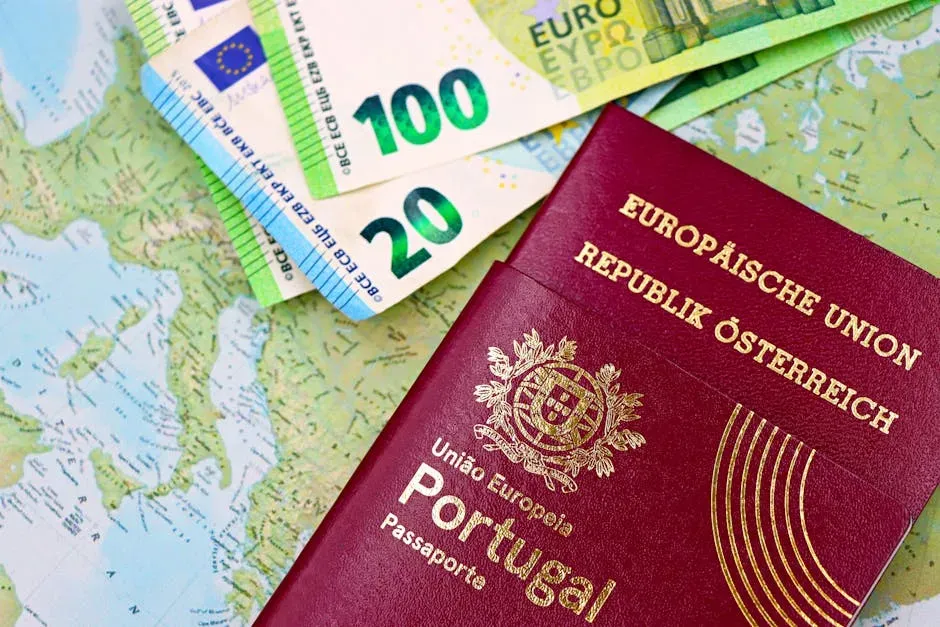
Here is the thing most travel influencers skip over: getting a European digital nomad visa is nowhere near as breezy as the Instagram posts suggest. Portugal was once the undisputed champion of European digital nomad visas, offering a compelling combination of low income requirements and tax benefits through its Non-Habitual Resident program. However, 2024 marked a turning point when the Portuguese government eliminated those tax advantages for new applicants, fundamentally changing the value proposition for digital nomads.
The income requirement for Portugal’s digital nomad visa rose to €3,280 per month, reflecting the government’s attempt to balance attracting remote workers while addressing housing affordability for local residents. Other countries are just as demanding. Iceland’s remote work long-term visa, for instance, is aimed at high-income individuals earning over €7,000 per month. That is not a digital nomad program. That is a program for the already wealthy.
Countries remain interested in nomads but are recalibrating. Many destinations still welcome remote workers with dedicated visas, but new tax reforms, housing policies, and administrative challenges mean requirements vary widely. For the average freelancer or mid-level remote employee, this bureaucratic complexity is becoming a genuine dealbreaker.
Lisbon and Other Hotspots Are Pricing Themselves Out
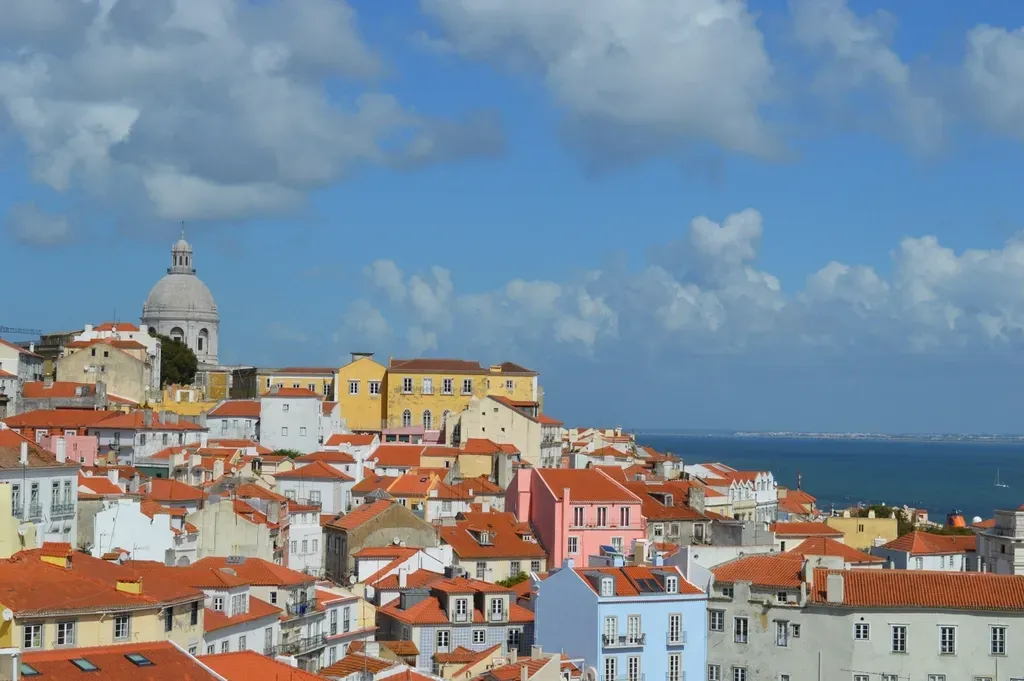
Let’s be real: Europe was always going to struggle with this. The most beloved nomad cities on the continent are also some of the most culturally rich and geographically small. Demand explodes. Locals suffer. Backlash follows. According to recent European migration data, the influx of well-paid remote workers contributed to rising property prices in Lisbon and Porto, creating tensions with local communities.
Traditional nomad destinations like Lisbon, Mexico City, and Bangkok have been grappling with overcrowding and rising costs. The backlash in Lisbon in particular became a genuine political issue, with locals protesting rental increases they directly linked to the foreign remote working crowd.
Portugal’s tax reforms also reduced incentives for some foreign earners, and Barcelona announced it would eliminate short-term tourist rentals by 2028, a policy that may indirectly affect nomads seeking temporary housing. Europe is, in effect, raising the drawbridge, at least for people without deep pockets.
The Sheer Scale of U.S. Remote Work Is Reshaping Geography
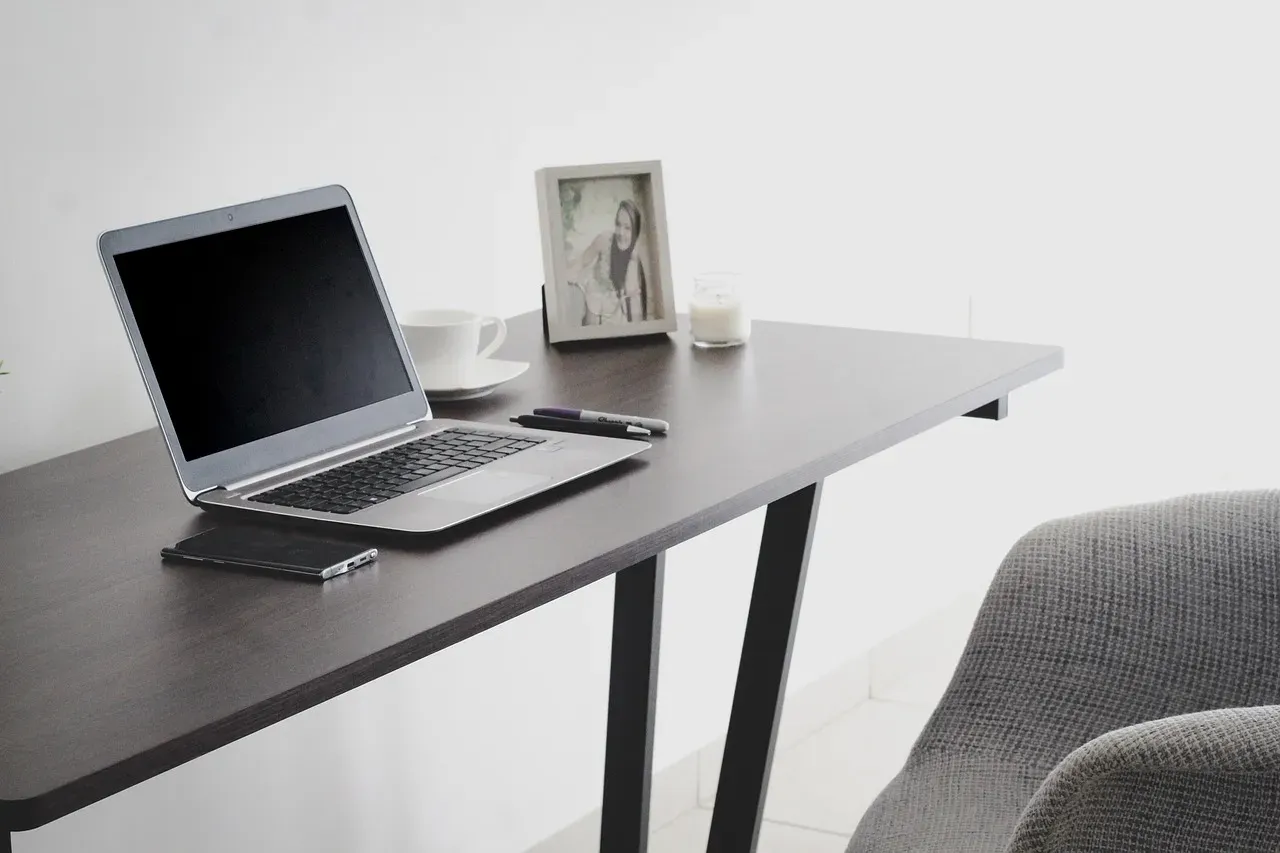
While Europe tightens its grip, the United States is quietly going through its own remote work revolution. The numbers are staggering. Globally, an estimated 40 million people were living as digital nomads by 2025. In the United States alone, the number of people identifying as digital nomads increased from approximately 7.3 million in 2019 to 18.1 million in 2024, a 147% rise since pre-pandemic times.
By 2025, in the United States, about 22% of the workforce continues to work remotely, representing around 32.6 million Americans. That is not a niche. That is a structural shift in how the American economy functions. With so many people untethered from traditional offices, the pressure to live in expensive coastal cities has naturally evaporated.
Remote work is redrawing the American housing map. Between 2020 and 2024, more than 36 million Americans moved, according to U.S. Census data. Many of these moves were sparked by the rise of remote work, paired with the search for affordability, space, and lifestyle upgrades. The Midwest, long overlooked, is now quietly central to this migration story.
Midwestern Cities Are Offering Real Financial Incentives
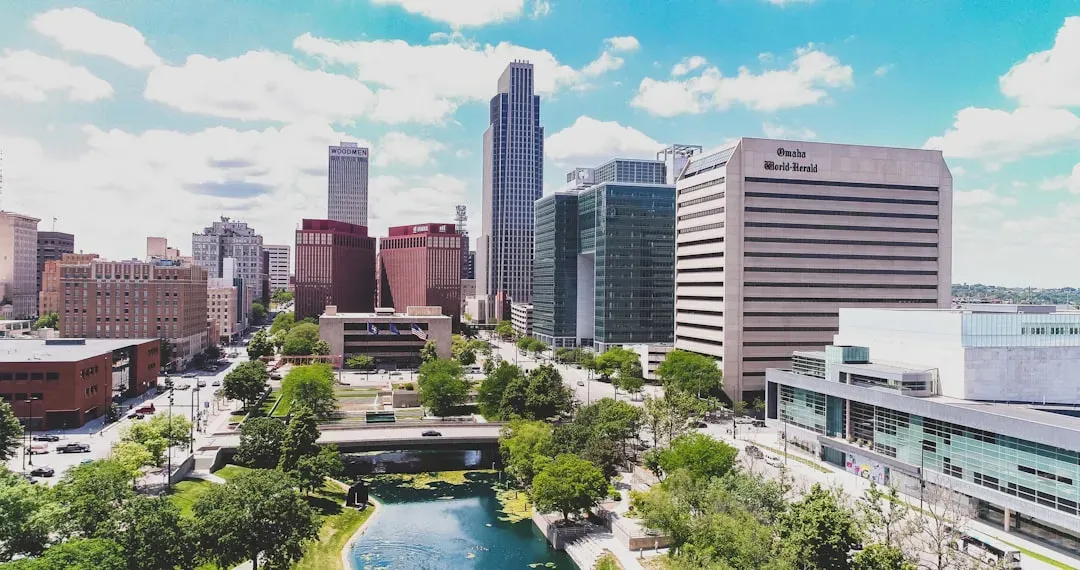
Some of this is pure economics, honestly. When you compare the cost of renting a flat in Lisbon or splitting your time between European capitals against the cost of setting up in a Midwestern city, the contrast becomes almost embarrassing. Midwest cities like Indianapolis have become genuinely appealing to remote professionals. Thanks to major employers that offer remote work and hybrid jobs, as well as numerous coworking spaces, Indianapolis is one of the best Midwest locations for telecommuters and remote workers.
Topeka, Kansas runs the Choose Topeka program offering up to $16,000 for homebuyers, with a cost of living 14% below the national average. That kind of incentive turns heads. Tulsa’s Remote program offers more than just a $10,000 relocation bonus. With a thriving arts scene and a supportive network of fellow remote workers, Tulsa is quickly becoming a hub for creatives and innovators.
Cities in the heartland are not just cheaper, they are actively competing for remote workers. That is a fundamentally different posture from increasingly restrictive European capitals.
Chicago Has Quietly Become a Midwestern Nomad Hub
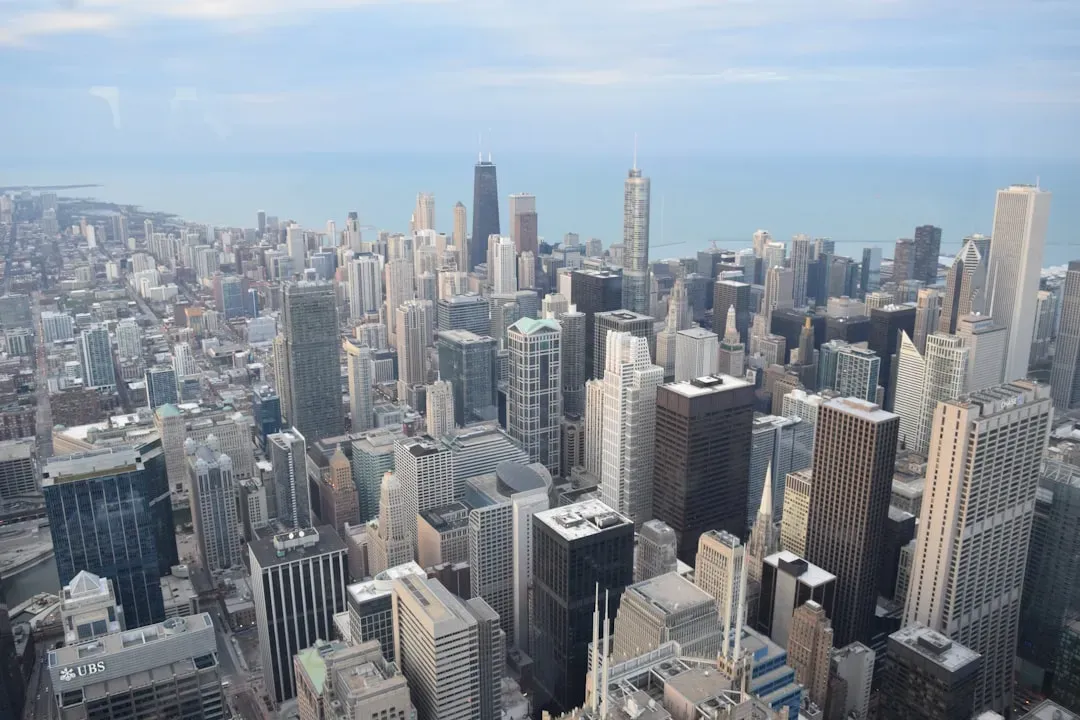
If you think of Chicago as an outdated, weather-beaten industrial city, you are working with old information. Chicago has become a noteworthy destination for remote workers seeking a Midwest base, largely due to its appealing blend of affordability and urban amenities. The city’s median home value, hovering around $270,100, is relatively reasonable compared to other major U.S. cities. Beyond housing, Chicago offers a strong cultural scene, a vast lakefront with recreational opportunities, and reliable broadband.
Chicago is a thriving hub for digital nomads and those involved in remote work, combining a robust tech ecosystem with rich cultural offerings. The city’s tech scene is supported by numerous incubators and coworking spaces like 1871, which provide spaces for collaboration and innovation. Honestly, this is the city people have been underrating for years.
There is a growing network of coworking spaces and coffee shops, further strengthening the appeal for professionals wanting a productive work environment outside of a traditional office. Add solid public transit, world-class restaurants, and no ocean separating you from your U.S.-based clients, and suddenly Chicago becomes hard to argue against.
Digital Nomad Burnout Is Pushing People to Settle Closer to Home

There is an uncomfortable truth that the “nomad lifestyle” social media machine rarely promotes: it eventually wears people down. After a while, reality hits, and nomads reach a burnout point. They realize they cannot keep up with constant travel for a long period of time, especially while working. That is where life forces them to slow down.
Mental health and wellness have become central concerns for today’s nomads. The constant travel and lack of routine that defined early nomadism often led to burnout and isolation. Modern nomads now prioritize destinations with strong healthcare systems, wellness infrastructure, and community connections. The Midwest, with its reputation for tightknit communities and stable social infrastructure, ticks many of those boxes.
Many nomads eventually return to a more settled lifestyle. The most common reasons include fatigue from constant travel and visa renewals, high cost of living in certain destinations, difficulty balancing work and travel effectively, and persistent loneliness or missing family and friends. For Americans specifically, staying stateside while working remotely solves nearly all of those problems at once.
The Rise of the “Slowmad” Is Reshaping the Movement

A new type of remote worker has emerged, and they are called slowmads. The slowmad adopts a “slow travel” approach, staying in one location for three to six months to deepen cultural immersion and reduce burnout. This is not the person hopping between Airbnbs every two weeks. This is someone who wants roots, even if temporary ones.
According to research, the average stay per location reached nearly six weeks in 2024, and that number is expected to keep growing. When you are staying somewhere for months at a time, you start thinking less about adventure and more about livability. You want grocery stores, good coffee, maybe a gym. The Midwest delivers all of that at a fraction of the cost of European capitals.
Instead of hopping from one destination to another, many digital nomads are embracing slow travel, staying in one place for extended periods, allowing for deeper cultural immersion and a more stable work-life balance. For many American nomads, that place is increasingly somewhere in their own backyard.
Return-to-Office Mandates Are Complicating the Europe Dream

The corporate world is also playing a role here that often gets left out of the narrative. Big companies have been rolling back remote freedom, and that has consequences for who can actually live abroad legally. Return-to-office mandates have clearly dampened employer-sponsored nomadism, especially at large firms. As offices reopened, many employers implemented RTO policies. Surveys in 2025 show roughly nine in ten companies have some in-office requirement, though hybrid remains the most common model.
In the U.S., 18.1 million workers identified as digital nomads in 2024, up from the year prior. However, the composition of that group is shifting: traditional employees working for companies declined, largely due to return-to-office mandates, while independent workers, freelancers, contractors, and entrepreneurs grew by roughly a fifth.
The result? The people who remain remote are increasingly freelancers and self-employed professionals who control their own schedules. For them, a Midwestern city with a low cost of living, a decent coworking scene, and no visa paperwork is an obvious win over the complexity of a European arrangement.
The Midwest Is Winning on Infrastructure, Not Just Price
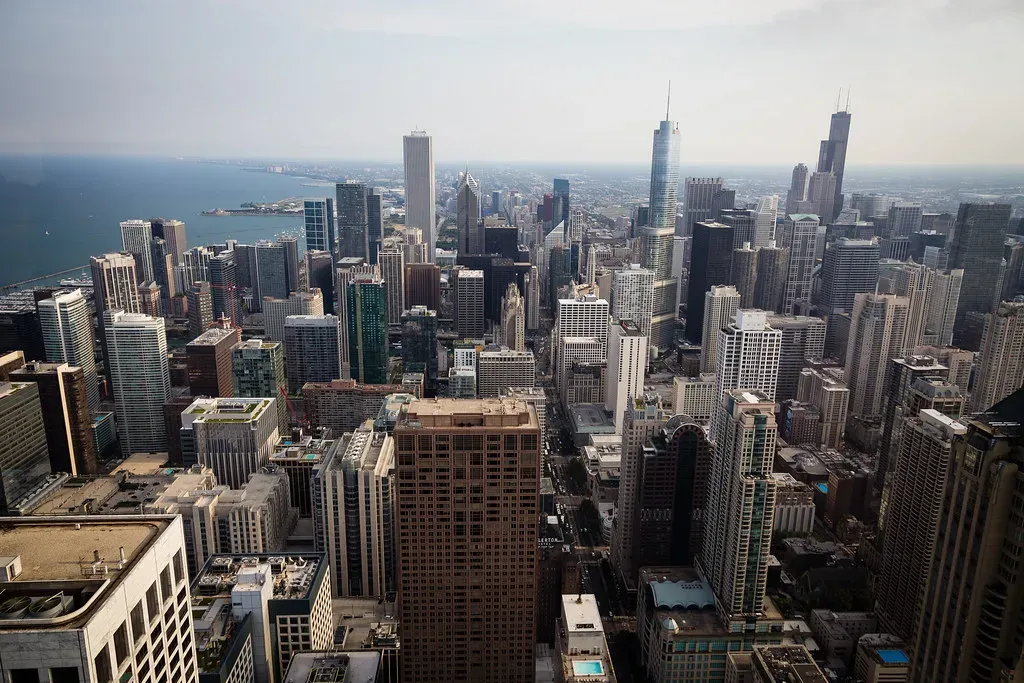
It would be too simple to say this is entirely about money. It is also about quality of life and, crucially, the practical support systems that remote workers genuinely need. Austin, Seattle, Denver, and Atlanta are quickly catching up and often offer better value propositions for remote workers. The real winners are cities that have built strong remote work ecosystems without the sky-high costs of traditional tech hubs.
St. Louis is one of the largest cities in the Midwest, and it is a great place for remote workers who want a slice of big-city life with an affordable price tag. Cities across the region are investing in fiber internet, coworking infrastructure, and urban revitalization projects specifically designed to attract the remote workforce. It is calculated, coordinated, and it is working.
Despite return-to-office mandates and economic uncertainty, digital nomadism is not slowing. Online searches for “digital nomad” rose 54% from 2023 to 2024, and in January 2025, they more than doubled year-over-year. A significant spike in late 2024 reflects increased interest among young professionals seeking broader horizons. The demand is undeniably there. The Midwest, quietly and efficiently, is meeting it.
Conclusion: The Postcard Dream Is Being Replaced by Something Real

The narrative around digital nomads has always been slightly mythologized. The perfectly filtered café photo, the sunset laptop shot, the glowing account of European adventure. What that story rarely included was the visa stress, the rising rents, the tax complexity, the loneliness, and the eventual question every nomad asks: is this actually sustainable?
For a growing number of Americans, the answer is to reframe the question entirely. You do not need to be in Lisbon to live a life of freedom and flexibility. You can build that in Indianapolis, Chicago, or Tulsa, often cheaper, with better community support and zero immigration paperwork. The digital nomad trend is not slowing down. It is maturing, shifting from adventure-seeking to strategic lifestyle design.
The Midwest was never glamorous. But in 2026, it might just be the smartest place a remote worker can land. What do you think: would you trade a European visa maze for an affordable apartment in the American heartland? Tell us in the comments.