Picture this: you snag a shiny new home in sunny Florida or booming Texas, dreaming of barbecues and beach days. Fast forward three years, and cracks spiderweb across your foundation while mold creeps up the walls. What’s going wrong with these fresh builds in the South? Let’s dive into the real culprits shaking up the Sun Belt dream.[1]
Honestly, it’s shocking how quickly issues pop up. Builders raced to meet pandemic demand, but corners got cut. Stick around as we unpack the top reasons these homes are crumbling faster than expected.
Rushed Builds During the Post-Pandemic Boom
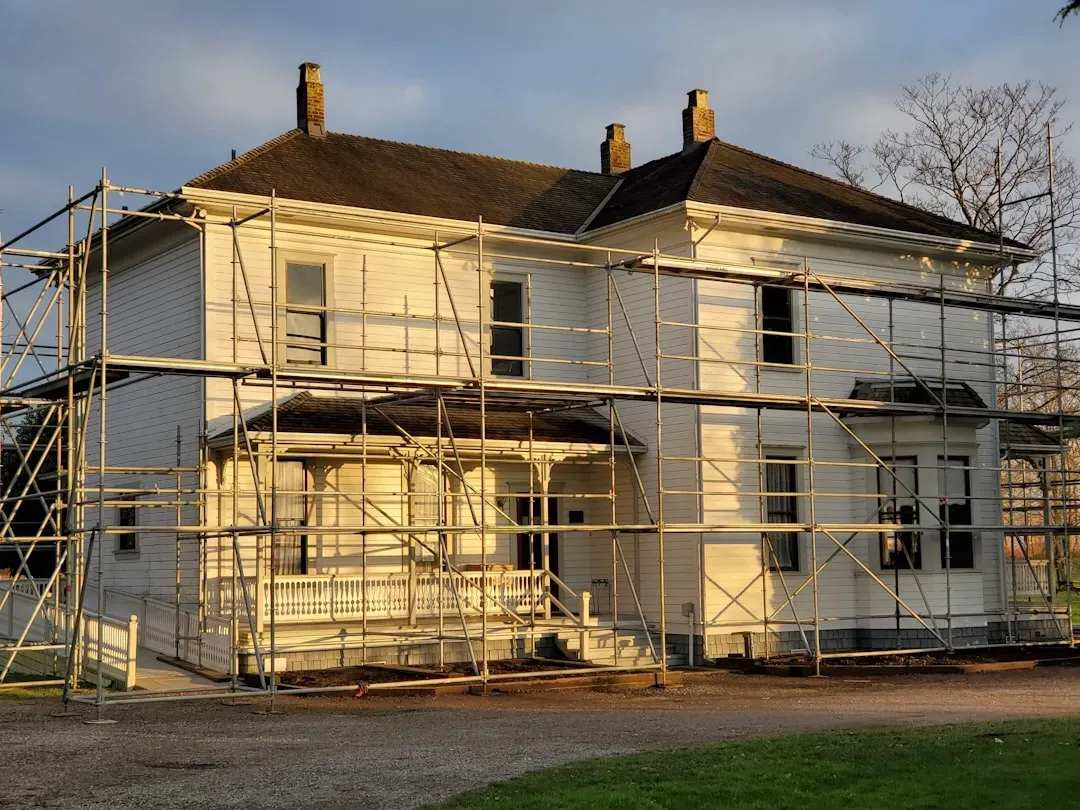
The South saw a construction frenzy after 2020, with Florida alone grabbing nearly 12 percent of all new U.S. home permits in 2024.[1] Developers pushed projects through at breakneck speed to cash in on migration from the North. That haste meant skimping on inspections and drying times.
Now, just a few years later, homeowners face leaks and warping from unfinished work. In Pasco County, Florida, private inspectors during COVID led to oversight gaps, sparking an Attorney General probe.[1] It’s like building a sandcastle before the tide rolls in.
Substandard Materials That Don’t Hold Up
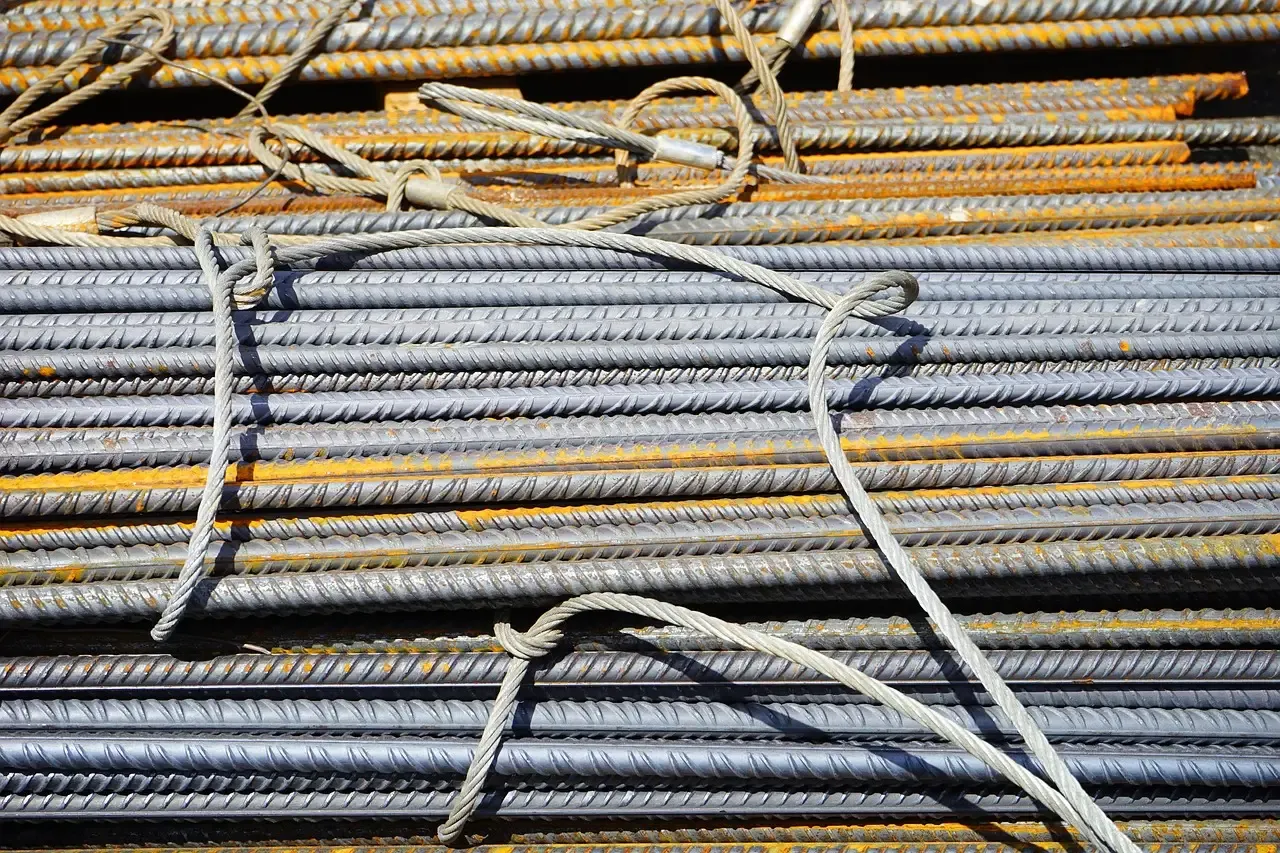
New lumber comes from fast-grown pine, light and twisty compared to old-growth timber that lasted decades. Nails bend under stress, and cheap particleboard swells with moisture.[2] Gulf Coast realtors note these homes lack the sturdy bones of pre-1980 builds.
Three years in, roofs splinter and siding peels. Here’s the thing: speed trumps quality when volume is king. No wonder folks call them disasters waiting to happen.
Foundation Cracks from Tricky Southern Soils
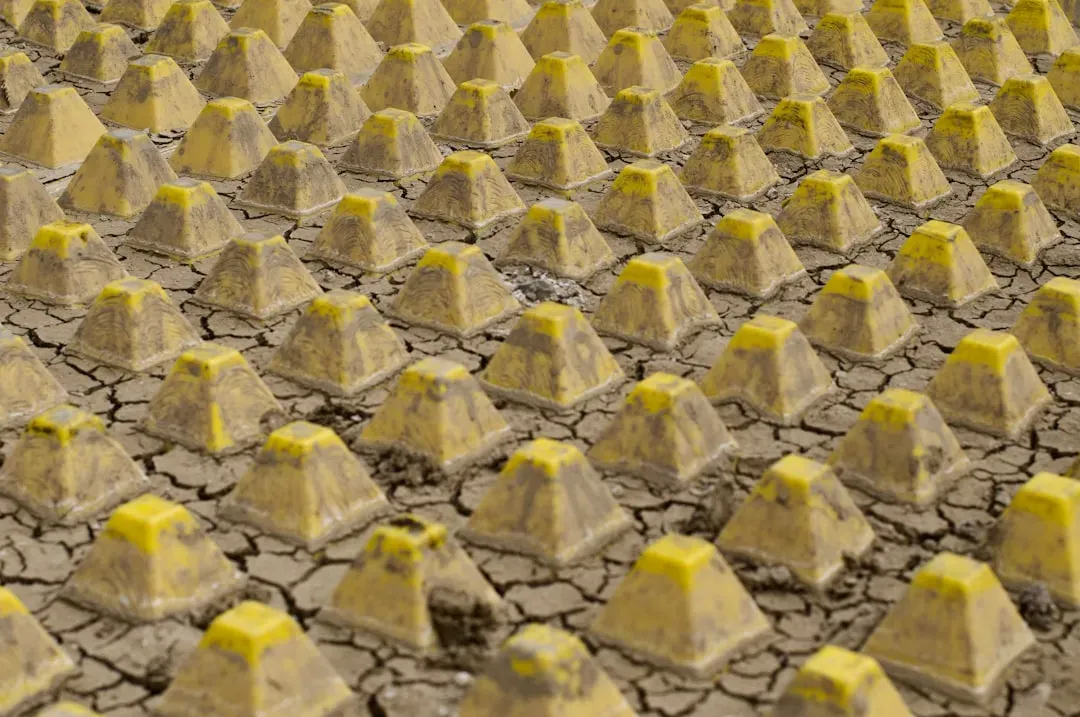
Texas tops foundation repair searches nationwide, thanks to expansive clay that swells with rain and shrinks in drought.[3] New homes in Dallas suburbs, built as recently as 2022, show ceiling cracks by 2025. Florida’s sandy bases fare no better with poor compaction.
Experts say shallow foundations and shoddy prep amplify the problem. A Central Texas drought in 2025 worsened sinking in Kyle and Buda areas.[4] Your dream pad turns into a leaning tower before the warranty expires.
Mold and Leaks Invading Fresh Interiors
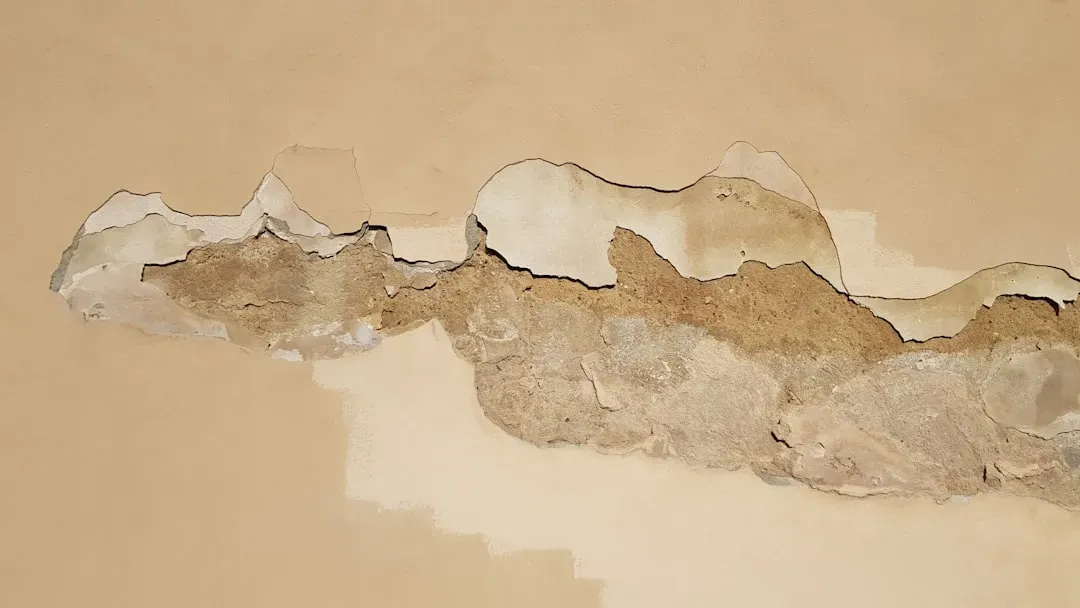
Water pours from ceilings in Florida’s Starkey Ranch, where half of Taylor Morrison homes needed fixes for shower pans and ventilation.[1] Poor ductwork sweats, saturating drywall and breeding mold that cracks counters.
Homeowners flee homes unlivable after mere years. Lennar builds in South Carolina report similar infestations requiring gut jobs. I know it sounds crazy, but new doesn’t mean safe here.
Hurricanes Exposing Weak Storm Resistance
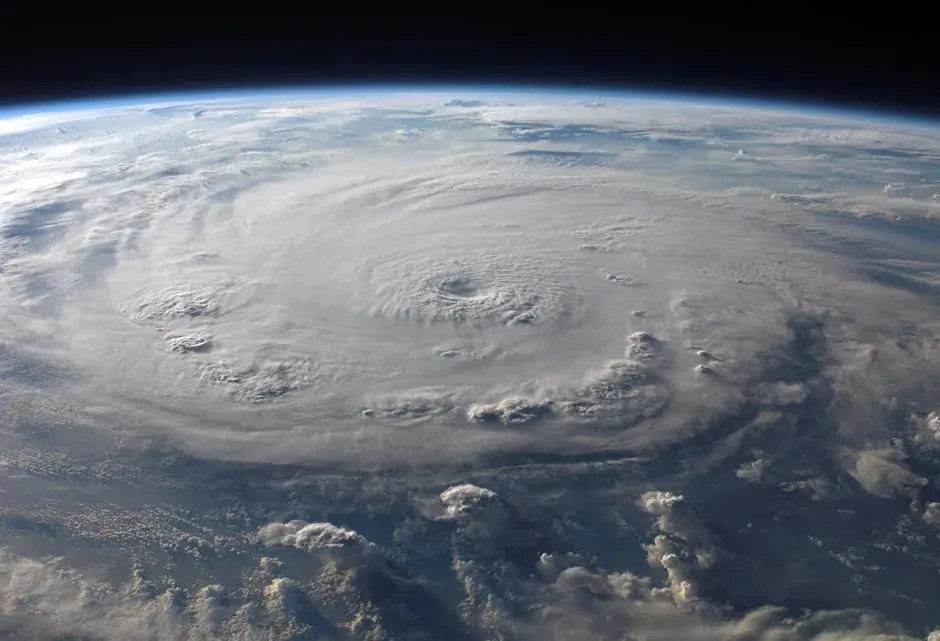
Southern states lag in mandatory codes, leaving new homes vulnerable to wind and flood.[5] Recent storms hit coastal builds hard, with payouts soaring despite “hurricane-ready” claims.
Old homes with steel clips endure; modern ones splinter. Insurance data shows massive claims on three-year-old structures. Climate amps the risk, turning minor hits into total losses.
Labor Shortages Fueling Shoddy Craftsmanship
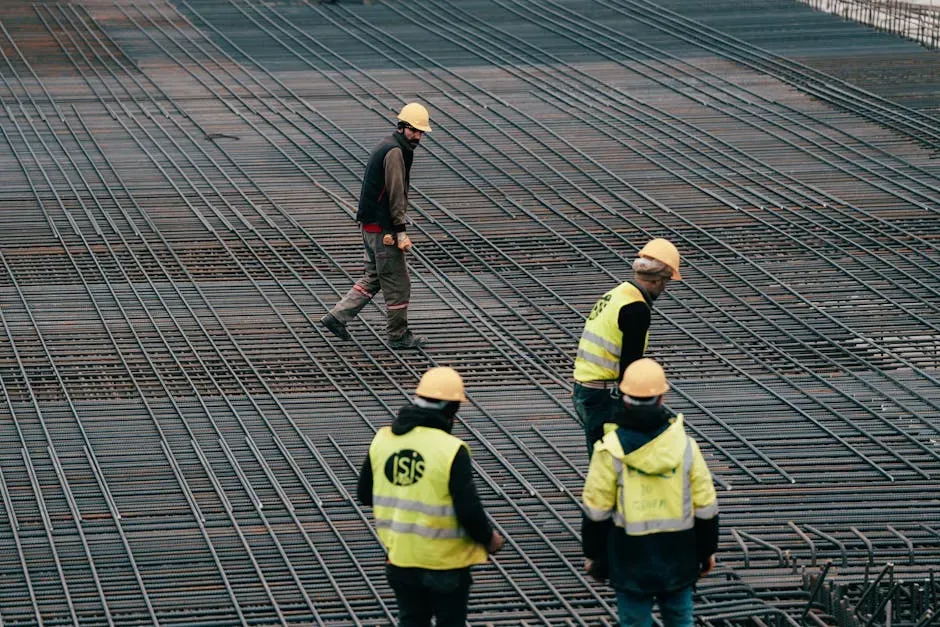
Builders rely on unlicensed subs racing deadlines, missing rafters and seals.[1] Complaints pile up against D.R. Horton and Lennar for water intrusion and trusses.
The industry needs 439,000 new workers in 2025 alone, stretching crews thin.[6] Result? Doors sag and floors buckle early. Quality took a backseat to quantity.
Insurance Nightmares Driving Market Chaos
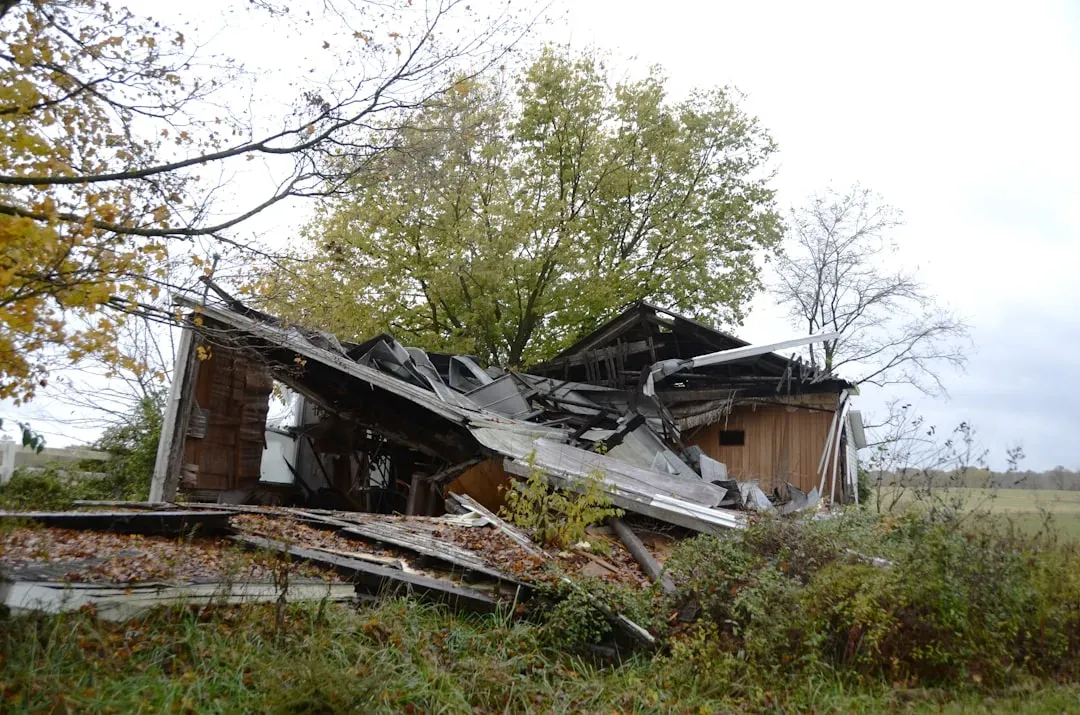
Florida premiums skyrocket from storm claims, hitting new builds hardest.[7] Lenders balk at uninsurable homes, stalling sales.
Southwest Florida middle-class families face foreclosures as coverage dries up. Three-year-old roofs fail inspections post-hurricane. It’s a vicious cycle killing buyer confidence.
Oversupply Glut Bigger Than the Bust
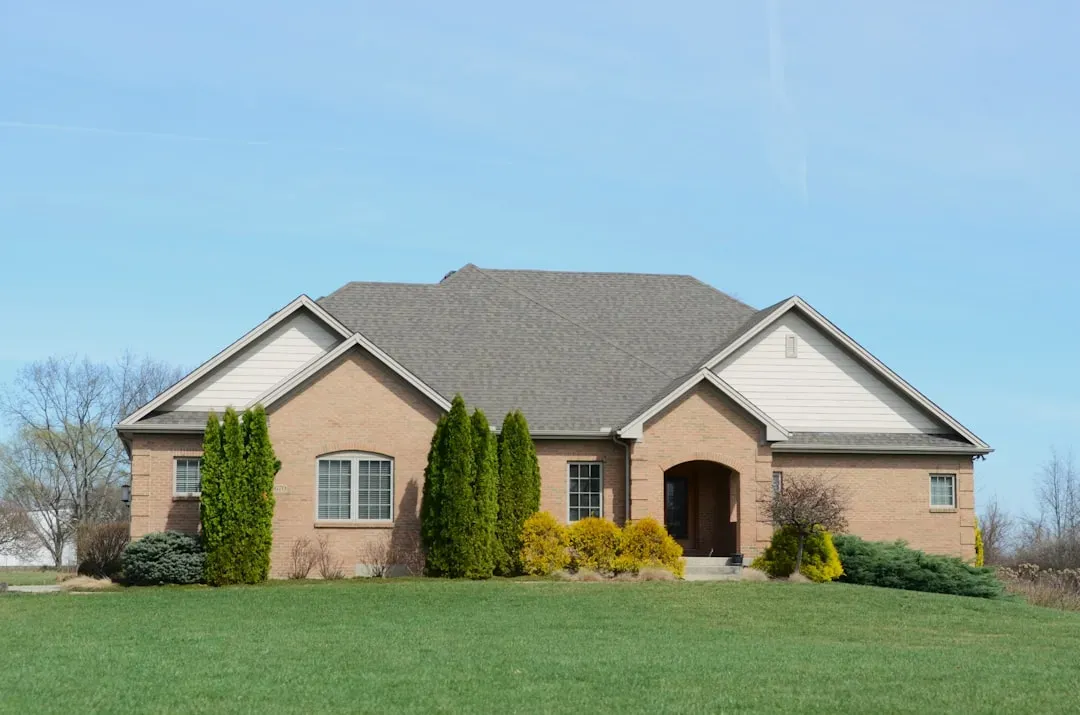
Southern inventory hit 304,000 new homes by late 2024, dwarfing 2006 bust peaks.[8] Sales dipped despite discounts, leaving months of supply unsold.
Texas and Florida lead the pile-up. Builders pump brakes in 2025, but damage lingers. Prices soften as desperation grows.
Warranties That Leave Owners Hanging
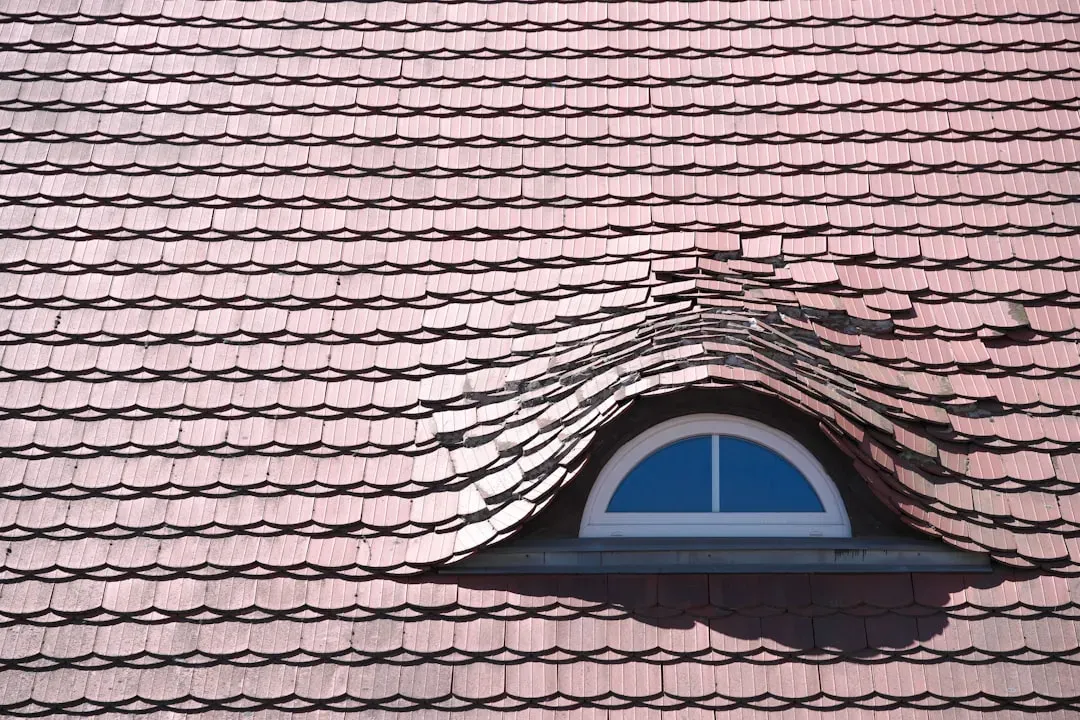
One-year coverage expires just as big defects emerge. Florida’s three-year roof warranty helps little against foundations.[9] Builders drag feet on claims.
Lawsuits reveal denied fixes for cracks and leaks. Homeowners foot million-dollar repairs. Trust erodes fast in these cases.
Mounting Lawsuits Against Mega-Builders
D.R. Horton faces coast-to-coast suits for defects in new Southern homes.[10] Lennar hit with dozens in Austin and Florida over foundations.
Class actions brew in Pasco County for hidden flaws.[11] Clay County sees fraud claims against big names. The pattern screams systemic shortcuts.
These Southern new builds promised paradise but delivered headaches way too soon. Buyers, think twice before signing – what’s your take on dodging the next defect disaster?