Grammys Spotlight Skips the Fire (Image Credits: Unsplash)
Recent street protests and urban tragedies have sparked widespread questions about music’s role in channeling public outrage.
Grammys Spotlight Skips the Fire
The Grammy Awards showcased historic wins and celebrity statements, yet political music stayed off the main stage. Host Trevor Noah teased Bad Bunny about skipping a performance due to a Super Bowl commitment, but no act delivered a direct protest anthem during the broadcast. Performers stuck to hits, with rare exceptions like past efforts from Kendrick Lamar on incarceration or Macklemore on equality.[1]
Even Bad Bunny, who won album of the year for a Spanish-language project and dedicated speeches to immigrants while decrying ICE, held back on onstage activism. A cover of Black Sabbath’s 1970 anti-war track “War Pigs” marked the lone nod to dissent, performed by a supergroup honoring the late Ozzy Osbourne. Analysts noted the event’s gentle tone amid fiery offstage rhetoric.[1]
Mainstream Pop Clashes with Protest’s Edge
Pop thrives on universal appeal, while true protest demands firm stances that risk alienating fans. Industry events like the Grammys preserve a timeline of hits rarely interrupted by dissent. Bad Bunny stands apart with tracks like “LO QUE LE PASÓ A HAWAii,” critiquing imperialism and displacement, rooted in Latin traditions from flamenco to corridos.[1]
Bruce Springsteen’s recent release “Streets of Minneapolis” addresses city violence head-on, echoing his past works like The Ghost of Tom Joad. The song cedes the spotlight to communal voices, capturing neighborhood resilience. Still, such efforts remain outliers in chart-topping realms.
Grassroots Folk and Indie Scenes Ignite
A robust lineage persists in rock, soul, and Americana, often overlooked in televised segments. Mavis Staples claimed two Grammys in roots categories, building on her civil rights-era legacy with The Staple Singers. Jazz updates like Terri Lyne Carrington and Christie Dashiell’s We Insist 2025 earned nods, reviving Max Roach’s activism.[1]
Women dominate this space, from Folk Alliance International honorees like Crys Matthews, Yasmin Williams, Kyshona, and Carsie Blanton to veterans such as Leyla McCalla and Ani DiFranco. Blanton blended jazz, folk, and activism, even protesting conference fees onstage. These artists prioritize community over solo swagger, sharing spotlights in ways that challenge traditional hierarchies.[1]
Social Media Fuels Daily Dissent
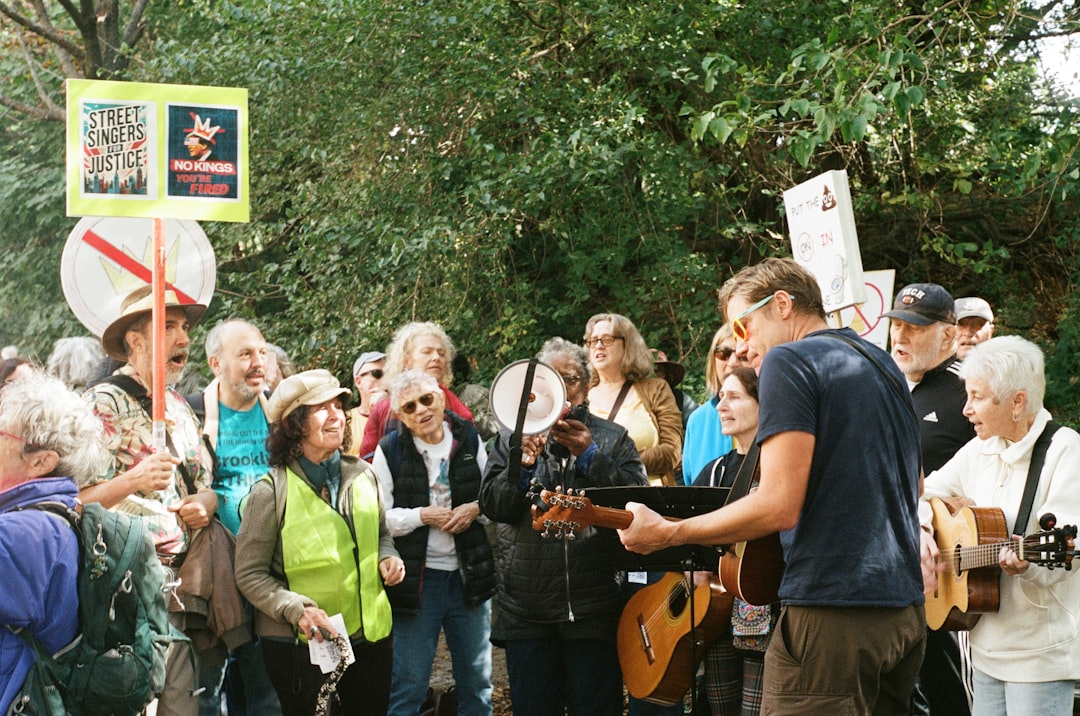
Platforms like Instagram and TikTok host an explosion of topical tracks, bypassing industry gates. Arkansas artist Jesse Welles gained fame posting near-daily news-inspired songs since 2023, earning four Grammy nods despite no wins. His style draws from John Fogerty, Joe Strummer, and Springsteen, offering relatable urgency.[1]
Here is where modern protest echoes classics like Bob Dylan’s early folk, Crosby, Stills, Nash & Young’s “Ohio,” The Clash’s “Clampdown,” Public Enemy’s “Fight the Power,” Rage Against the Machine’s “Killing in the Name,” and Kendrick Lamar’s “Alright”:
- Raw, specific calls to action amid crises.
- Blurring lines between artist and audience.
- Ephemeral shares mimicking old hootenannies.
- Niche communities turning fans into allies.
- Global reaches via keystroke distribution.
Key Takeaways
- Protest music favors grassroots over glamour, thriving in folk, indie, and online spaces.
- Women artists lead with communal, personal voices often sidelined by male-dominated narratives.
- Mainstream rarity stems from pop’s broad-appeal demands, not a lack of creators.
Protest songs endure where real risks unfold – in basements, streets, and digital feeds, not arenas. As labor icon Dolores Huerta noted, true leaders do the work. Seek them beyond the charts to hear resistance’s true rhythm. What protest tracks have caught your ear lately? Share in the comments.