The Hidden Logic of Economic Turning Points (Image Credits: Unsplash)
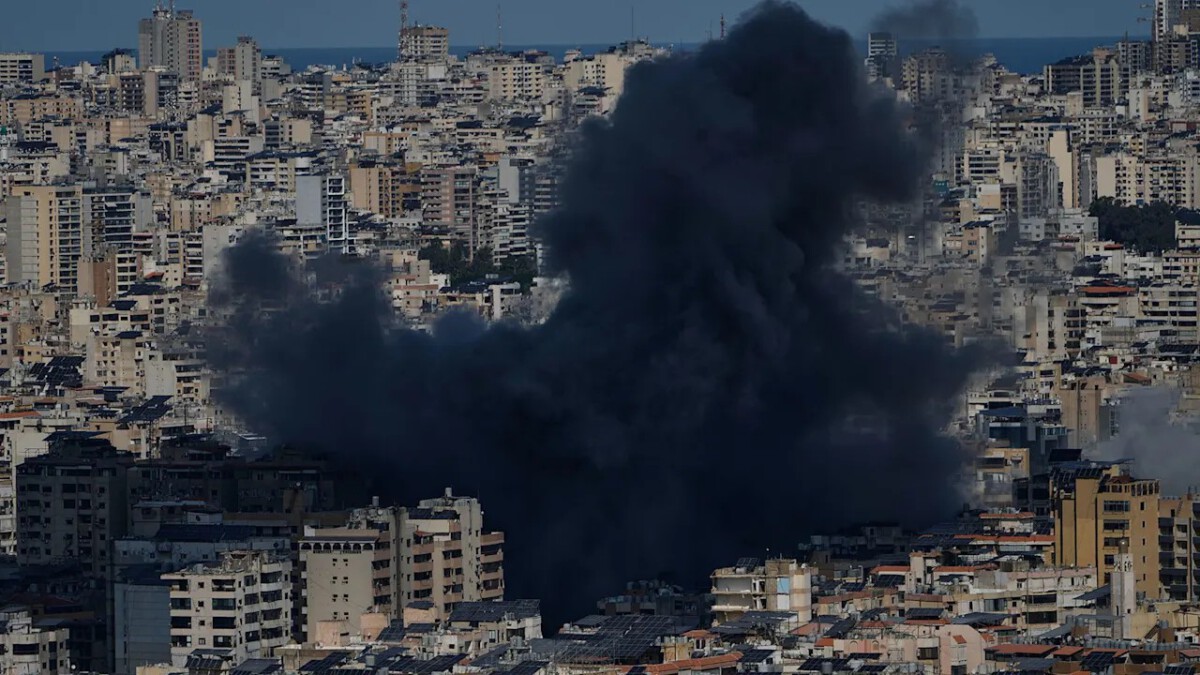
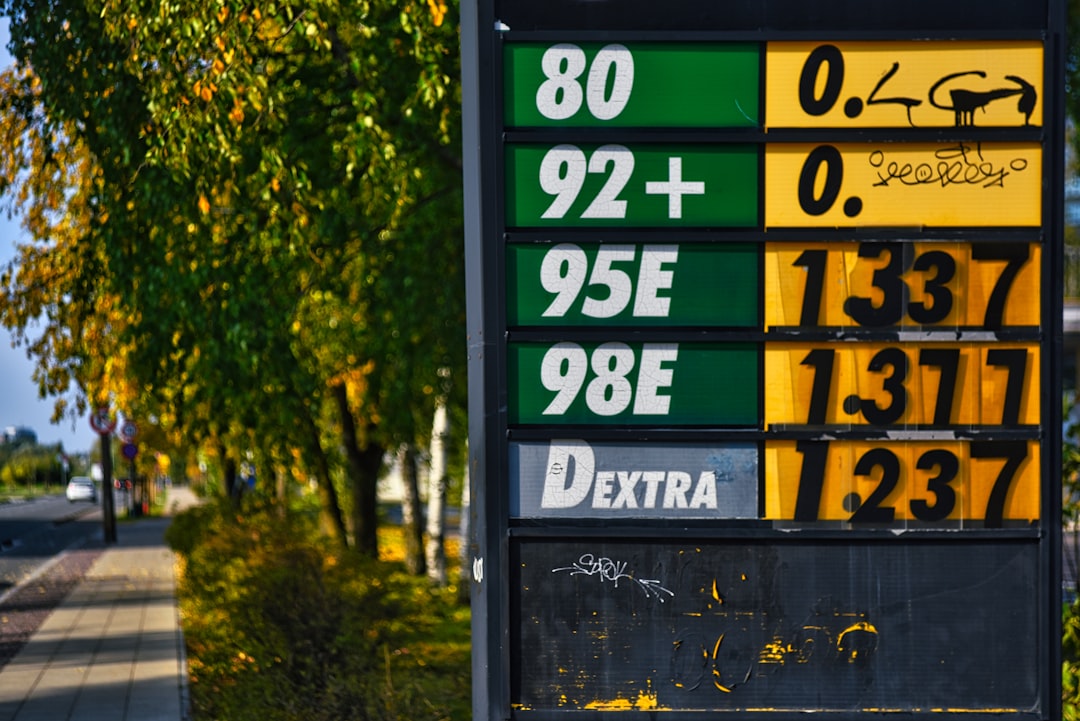
Global energy markets shuddered as Iran’s closure of the Strait of Hormuz disrupted a fifth of the world’s oil supply, pushing prices near $90 a barrel and prompting warnings of $150 peaks in the coming weeks.
The Hidden Logic of Economic Turning Points
Economic historian Carlota Perez offers a compelling lens on such disruptions. Her analysis in Technological Revolutions and Financial Capital outlines how major innovations – from steam engines to digital networks – unfold in phases. The early installation stage fuels speculation and builds infrastructure, often ending in turmoil.
Today, digital tools and green technologies sit at this crossroads. The speculative booms of the dot-com era, shale oil, and platform giants have passed. What follows could be a deployment era of widespread gains, but only if outdated systems lose their grip. High oil costs provide that push.
Energy Costs as Economic Compass
Low energy prices long propped up resource-heavy models. They enabled sprawling supply chains, energy-guzzling industries, and throwaway products. Fossil fuels dominated because their affordability overshadowed cleaner options.
Rising prices flip the script. Renewables with minimal fuel expenses gain ground. Efficiency measures and local production become competitive. Services like software and streaming eclipse goods that demand heavy transport and materials.
Perez stresses this shift favors knowledge-driven growth over extraction. It spurs redesigns for repair and reuse, easing environmental strain while creating high-value jobs.
Echoes from History’s Oil Crises
Past shocks reveal the pattern. The 1973 embargo ignited efficiency drives and cut consumption patterns that endured. The 1979 event deepened those changes, outpacing mere policy pleas.
Recent observers note ironies in today’s landscape. Policies slowing clean energy might unwittingly hasten diversification through market forces. Protracted high prices have proven the strongest drivers of energy shifts.
Unlike before, viable alternatives now exist. Solar and wind costs plummeted. Batteries store power reliably. Digital infrastructure supports remote services and smart systems.
Business Strategies for a High-Price World
Leaders face a choice in reacting to spikes. Hedging costs or lobbying offers short-term relief but misses deeper signals. Forward thinkers probe structural changes.
Consider these opportunities in a resource-scarce era:
- Shift to outcomes over products, like subscriptions replacing ownership.
- Prioritize local networks to slash transport reliance.
- Invest in skills for service sectors such as health, education, and design.
- Automate and circularize manufacturing for less waste.
- Leverage data for efficiency in urban, low-energy living.
Japanese carmakers thrived post-1970s by embracing fuel thrift. Others lagged for generations.
Key Takeaways for the Road Ahead
- High oil acts as a market signal, making green tech economically superior.
- Transitions demand policy on regulation and gain-sharing.
- Crises like this test if societies seize golden-age potential.
Price surges inflict real pain on households and firms. Support measures remain essential amid geopolitical risks. Yet history suggests this unrest could mark a pivot from material excess to sustainable abundance. What steps should leaders take next? Share your views in the comments.