
Macy’s Aggressive Store Closure Strategy Signals End of an Era
Macy’s confirmed the closure of 66 store locations in 2025, part of its Bold New Chapter strategy to close approximately 150 underproductive stores over a three-year period through fiscal 2026. The retailer aims to shift resources toward its 350 remaining go-forward locations while investing heavily in digital channels. Macy’s closed 66 stores in 2025 and announced 14 additional closures in 2026, representing one of the largest voluntary contractions by a major American department store chain in recent memory.
These decisions reflect deeper challenges facing traditional department stores. The closings aren’t random. Many legacy mall locations have struggled to maintain profitability, making them prime candidates for elimination in this ruthless new retail landscape.
The Dramatic Collapse of Neiman Marcus Downtown Dallas

The flagship Neiman Marcus store in downtown Dallas, which served as a symbol of wealth and fashion for more than a century, was set to close March 31, 2025, after the company received a notice from its landlord to terminate occupancy. Though the closure faced delays due to intervention from Dallas city officials, the landmark location’s fate represents the vulnerability of even the most prestigious retail institutions. The store will remain open past the 2025 holiday season while negotiations continue in 2026, but its uncertain future speaks volumes.
The struggle became emblematic of broader difficulties facing luxury department stores. Saks Global, which acquired Neiman Marcus, blamed the store closure on its landlord after more than a decade of negotiations. Financial pressures and expensive lease agreements have made historic flagship locations increasingly difficult to justify, even for brands synonymous with American luxury retail.
JCPenney and Sears Reduced to Shells of Former Glory
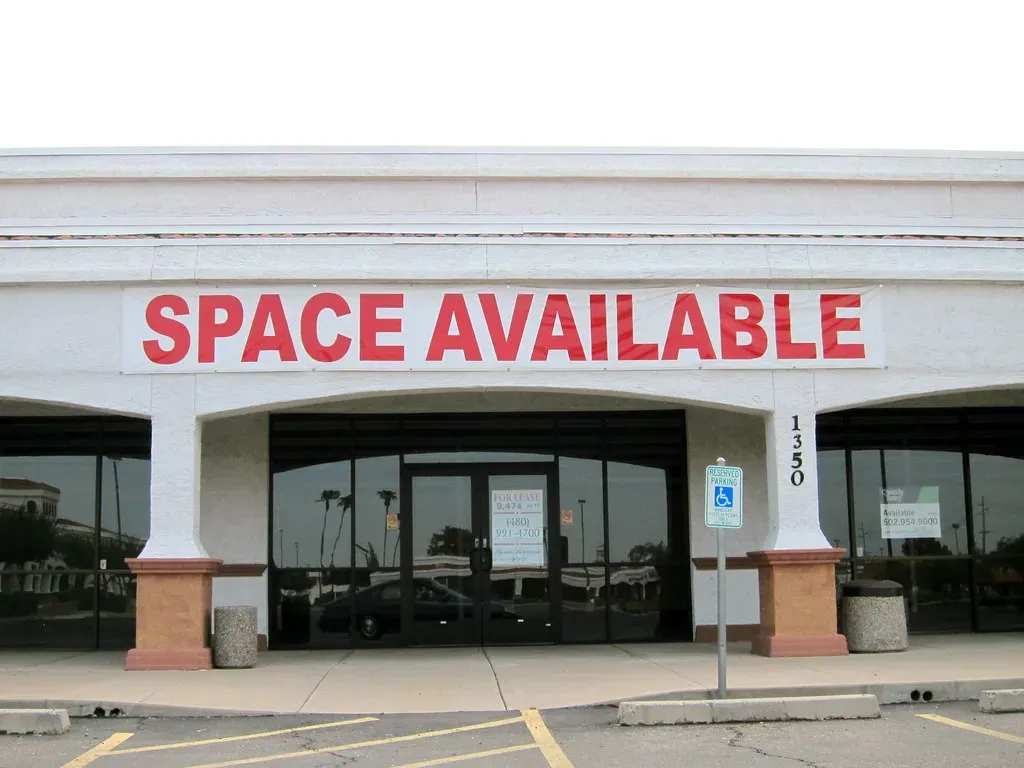
JCPenney filed for bankruptcy in May 2020 and announced it would close 200 of its 850 stores, dramatically shrinking its footprint across America. There are 646 JCPenney stores in the United States as of December 15, 2025, a fraction of its peak store count. The chain now operates under new ownership after being bought by mall operators Simon Property Group and Brookfield Asset Management, yet continues to announce isolated closures due to expiring leases and market changes.
Sears fared even worse. Once the dominant force in American retail, Sears operates only a small fraction of its peak store count, reduced from thousands of locations to a barely recognizable presence. The decline of these anchor stores has created a devastating domino effect, leaving massive vacant spaces in malls nationwide.
E-Commerce Fundamentally Rewrites Retail Economics

E-commerce sales in the third quarter of 2025 accounted for 16.4 percent of total sales, continuing a steady climb that has fundamentally altered consumer behavior. E-commerce sales in 2024 accounted for 16.1 percent of total sales, up from 15.3 percent in 2023. This consistent growth represents billions of dollars shifting away from physical stores toward online platforms, particularly during the critical holiday shopping season.
The acceleration shows no signs of slowing. With 84.3% of Americans shopping online, U.S. e-commerce spending reached $1.34 trillion in 2024 and is projected to surpass $2.5 trillion in 2030. Traditional department stores built massive infrastructures designed for an era when physical shopping was the only option. Now they’re stuck with expensive real estate and operating costs while customers increasingly click rather than visit.
Changing Consumer Preferences Leave Department Stores Behind

Modern shoppers increasingly favor direct-to-consumer brands, discount retailers, and specialty stores that offer curated selections rather than sprawling department store floors. Younger consumers value experiences over possessions, walkable urban spaces over car-centric suburbs, and convenience over tradition, fundamentally changing what retail needs to offer. The one-stop shopping model that made department stores successful for generations no longer resonates with contemporary buyers.
This shift in preferences extends beyond just where people shop. Consumers want personalized experiences, faster fulfillment, and seamless integration between online browsing and physical purchasing. Large department stores, with their aging formats and complicated organizational structures, struggle to adapt quickly enough to meet these evolving expectations.
Rising Operating Costs Make Physical Stores Unsustainable
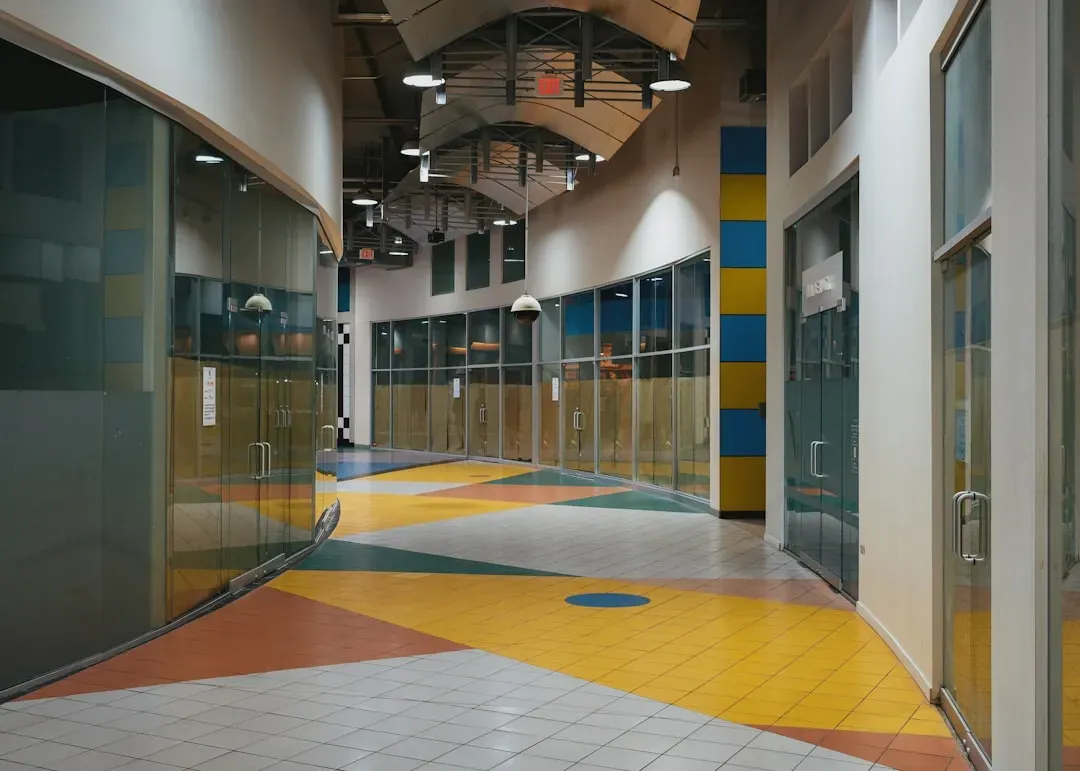
Rising operating costs and the rapid growth of e-commerce have reshaped consumer behavior, leaving empty mall storefronts and shuttered stand-alone locations across the country. Expensive leases, rising wages, and inflation have squeezed profit margins to unsustainable levels for many anchor stores. The massive square footage required for traditional department stores – often spanning hundreds of thousands of square feet – demands tremendous ongoing investment in utilities, maintenance, and staffing.
These financial pressures compound with declining foot traffic. When fewer customers walk through the doors, stores cannot generate enough revenue per square foot to justify the expense. Many retailers now find themselves trapped in long-term lease agreements for properties that no longer make economic sense in the current retail environment.
Mall Decline Creates Catastrophic Ripple Effects
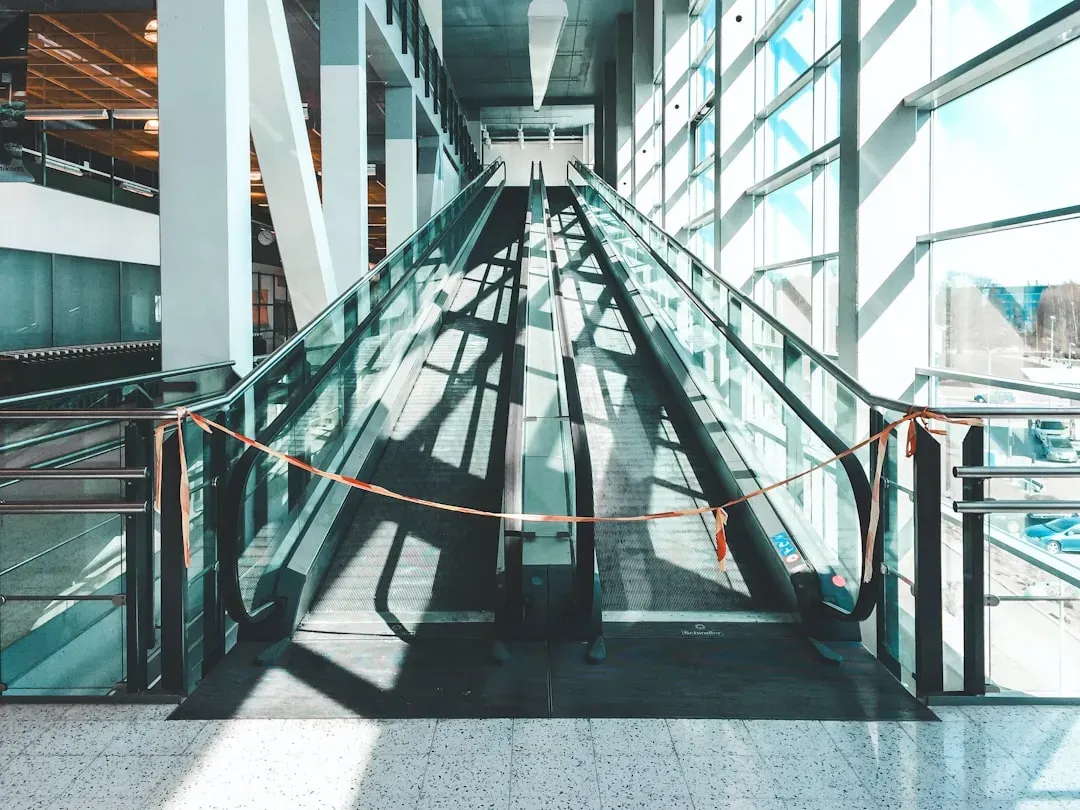
An average of 1,170 shopping malls closed across the country every year between 2017 and 2022, fundamentally transforming the American retail landscape. An average of 40 shopping malls closed every year between 2017 and 2022, with projections suggesting even steeper declines ahead. When anchors such as Sears, JCPenney, or Macy’s shuttered locations, they left gaping voids, and co-tenancy clauses often allowed smaller retailers to terminate leases or demand rent reductions, creating a domino effect.
The collapse of regional malls has accelerated department store losses exponentially. Malls had an 8.7% vacancy rate at the end of 2024, more than twice the vacancy rate of other retail spaces. Department stores historically served as mall anchors, driving traffic for smaller retailers. Their departure often triggers the death spiral of entire shopping centers.
The Broader Retail Apocalypse Phenomenon
The retail apocalypse refers to the closing of numerous brick-and-mortar retail stores, with more than 12,000 physical stores closing in 2017 alone, due to debt, bankruptcy, rising costs, and changes in spending habits. Approximately 15,000 store closures are expected in 2025, more than double the 7,325 stores that closed in 2024, indicating the trend is intensifying rather than stabilizing. This pattern extends far beyond department stores, affecting everything from specialty retailers to restaurants.
Retailers announced 67% more store closures in 2025 than the previous year, demonstrating how the crisis continues to worsen. Financial analysts point to overleveraged companies carrying massive debt burdens from past acquisitions and expansions, now unable to service that debt in a dramatically changed retail environment.
The Pandemic Accelerated Existing Vulnerabilities
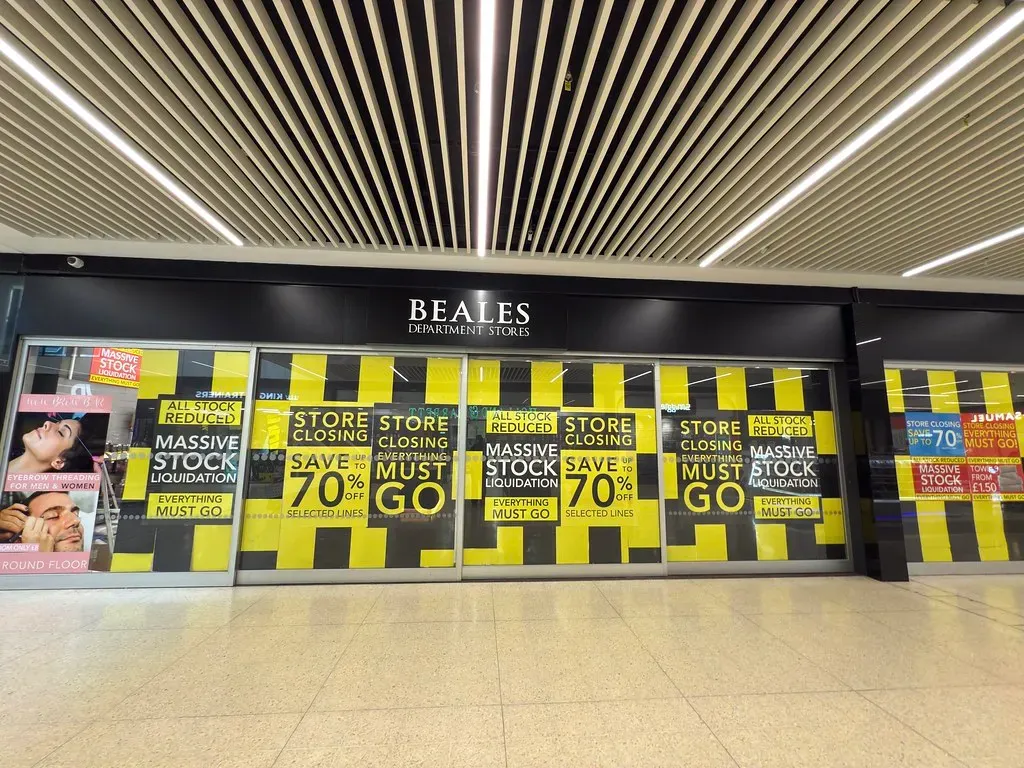
During the COVID-19 pandemic, most retail stores closed for extended periods, and several large retail companies filed for bankruptcy, including J. Crew, Century 21, Neiman Marcus, Lord & Taylor, Stage Stores, Stein Mart, JCPenney, Tuesday Morning, and Pier 1 Imports. The forced closures exposed how fragile many department stores had become, pushing already struggling retailers past the breaking point. Months of zero revenue devastated companies carrying heavy debt loads and high fixed costs.
The pandemic didn’t create the retail apocalypse, though. It simply accelerated trends already underway for years. The main factor in closing retail stores is the shift toward online shopping, with brick-and-mortar stores seeing only 1.6% growth in 2016 while physical department stores experienced a 4.8% decline. The crisis merely compressed years of slow decline into months of acute pain, forcing companies to make decisions they had postponed for too long.