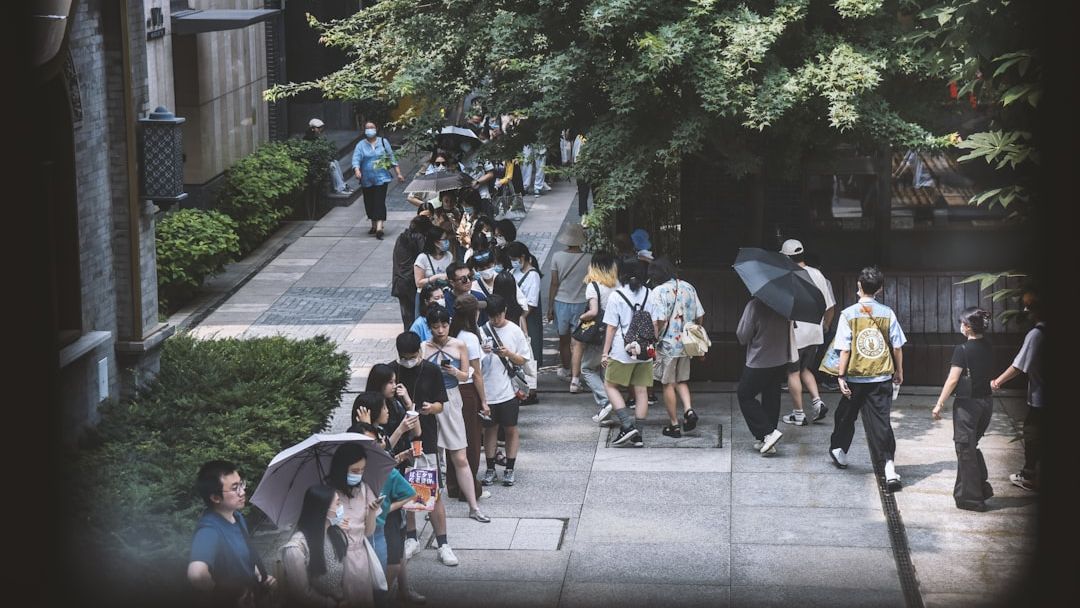

New York: Cutting in Line
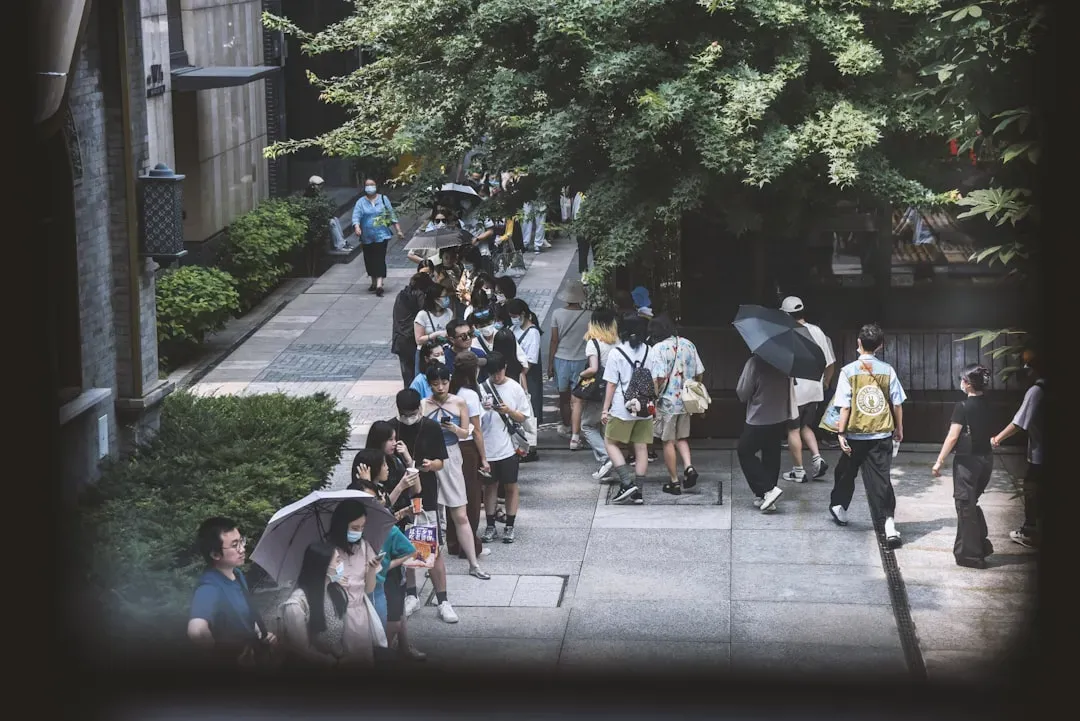
In the U.S., the unspoken rules about lines are so strong that in an experiment conducted in New York City by psychologist Stanley Milgram found it took researchers often half an hour to work up the courage to cut in line. The state’s fast-paced urban culture has created fierce enforcement of queue etiquette, where line-cutting triggers immediate confrontation. According to one study, a person cutting in line has a 54% chance that others in the line will object, and with two people cutting in line, there is a 91.3% chance that someone will object.
Massachusetts: Cutting in Line
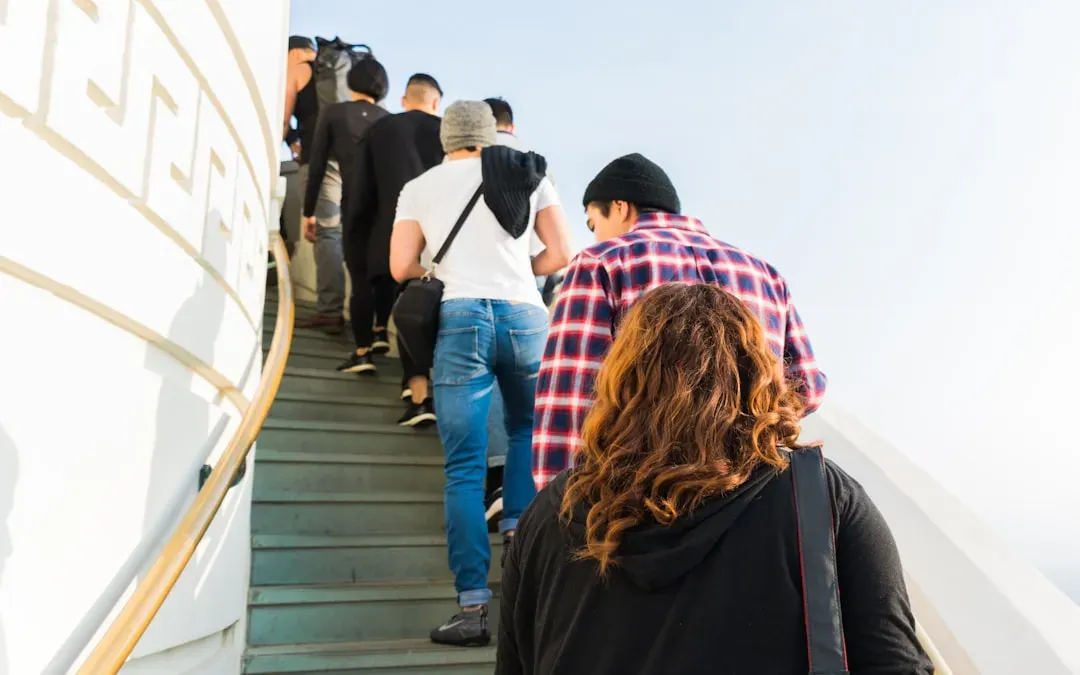
Queue discipline in Massachusetts rivals New York’s intensity, particularly in Boston. Massachusetts ranks as the second rudest state, where the average tip is only 15%. Sociologists note that Northeastern states place unusually high social value on orderly lines, treating queue violations as personal affronts rather than minor inconveniences. The culture views your place in line as earned property that deserves protection.
Georgia: Being Overly Direct or Blunt
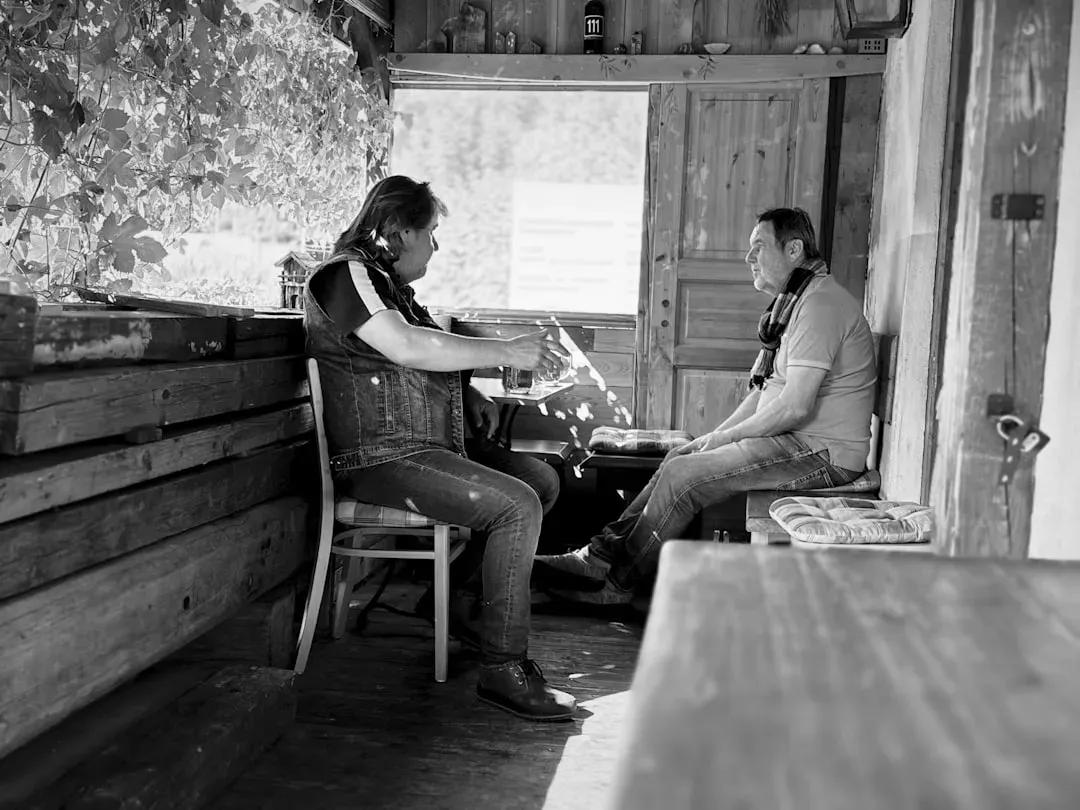
Being blunt is considered rude in the South, while Northerners, at least from certain areas such as NJ/NYC, believe that “telling it like it is” is a good thing and shows honesty, but in the South, saying something negative or disagreeable without a little bit of couching/indirectness is considered rude. Honor culture places a strong emphasis on reputation, respect, and maintaining a sense of moral and cultural superiority, where individuals are raised to uphold these values, often at the cost of direct and straightforward communication.
Alabama: Speaking Too Directly

The Southern cultural propensity towards passive aggressive behavior, indirect communication, and the tendency to enjoy gossip, is a vestige from an earlier antebellum time, when people got their social and cultural cues from plantation families. Blunt speech common in Northern cities violates deeply ingrained expectations about polite interaction. People here interpret directness as aggression, preferring layered, subtle communication that preservates social harmony even when disagreeing.
Hawaii: Wearing Shoes Indoors
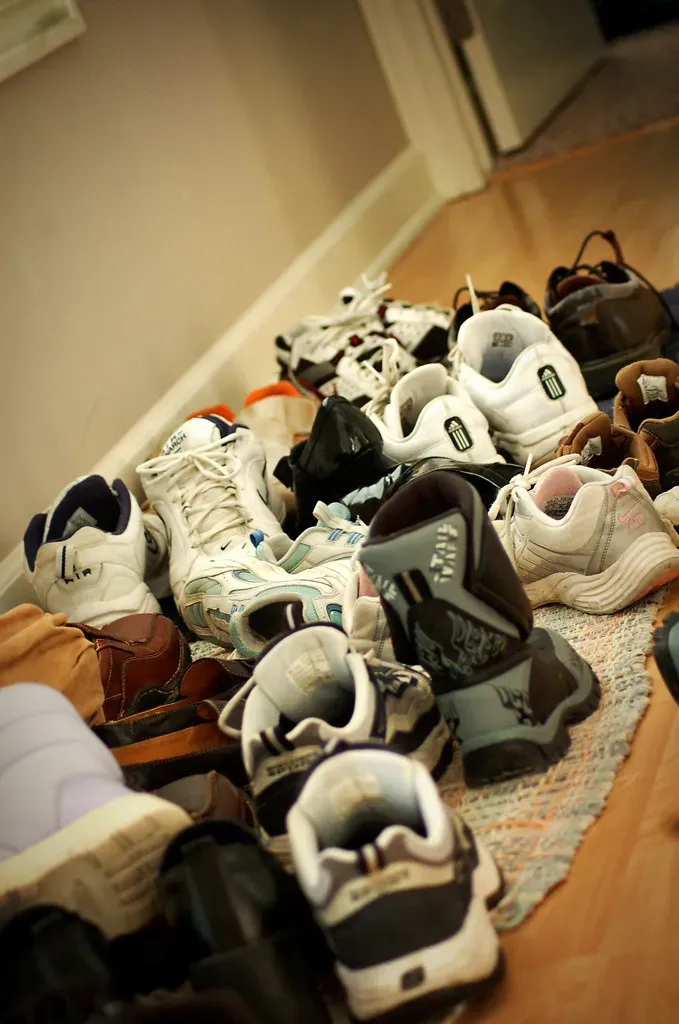
To walk into someone’s home with your shoes (or “slippers”) on is considered very disrespectful, rude, and quite simply, something you just don’t do. Taking off your shoes shows a lot of respect for the household, as many Asian cultures expect you to take your shoes off before entering someone’s home as a sign of respect. It is an ironclad local rule, and no one presumes to break it.
Alaska: Keeping Shoes On Inside
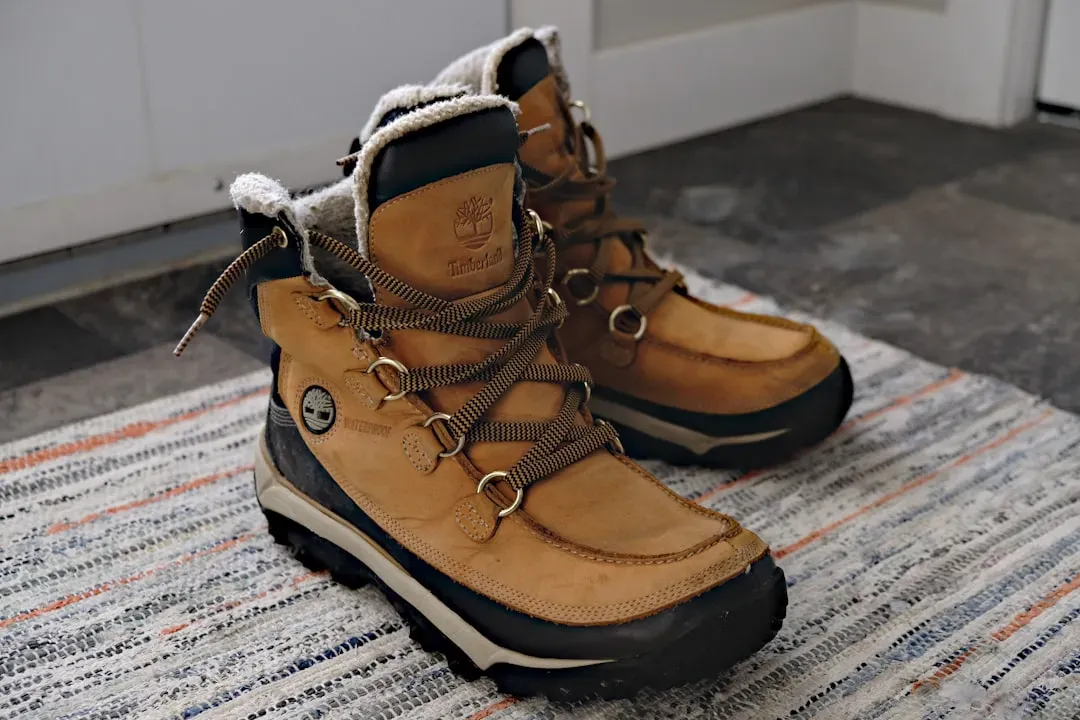
In Michigan and Alaska you’re expected to leave snowy boots in the mudroom before going inside, and in Hawaii and in many countries like Japan, you wouldn’t dream of entering a home with your shoes on, regardless of the weather. Up here in Alaska we always take our shoes off, even in the summer. The practice stems from practical concerns about tracking snow and mud, evolving into an unbreakable social expectation regardless of weather conditions.
Louisiana: Not Greeting People
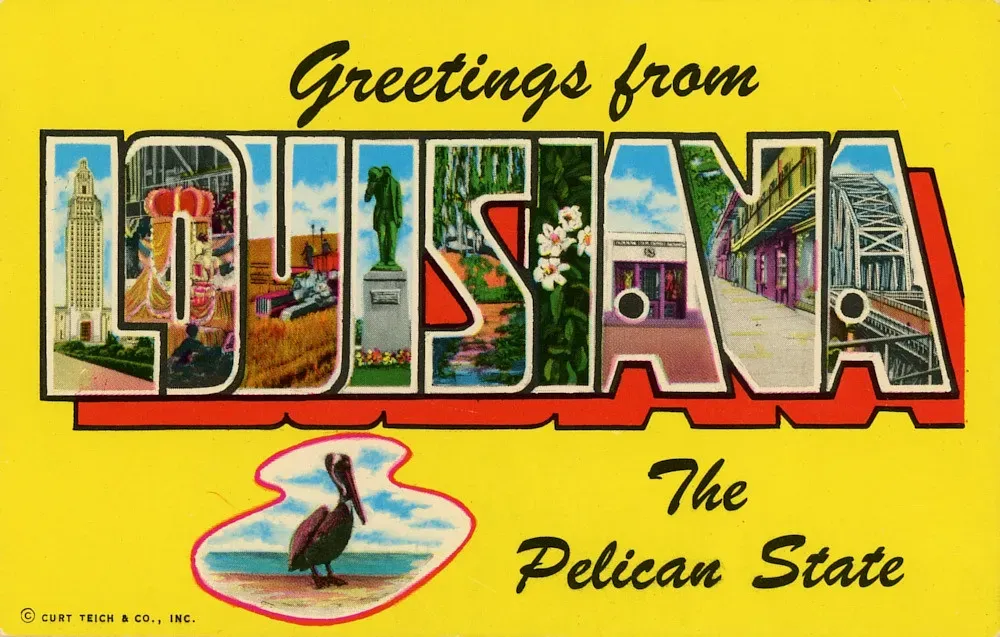
While certain behaviors in one city may be viewed as typical mannerisms to those who live there, they may be perceived as rude to those visiting. In Louisiana’s social culture, ignoring strangers or failing to acknowledge people with a greeting violates community norms. The state’s emphasis on hospitality means walking past neighbors without speaking registers as coldness or even hostility, particularly in smaller communities outside New Orleans.
Texas: Speaking Too Bluntly

This is spot on with experience growing up in Texas and leaving for the northeast in late twenties, as people now live in California and have no desire to ever live and work in the south again, not realizing how bad the passive aggressive behavior was until leaving. Direct Northern communication styles clash with Texas expectations for diplomatic, indirect expression. What passes as honest feedback elsewhere sounds harsh and disrespectful in Texas social contexts.
Montana: Invading Personal Space
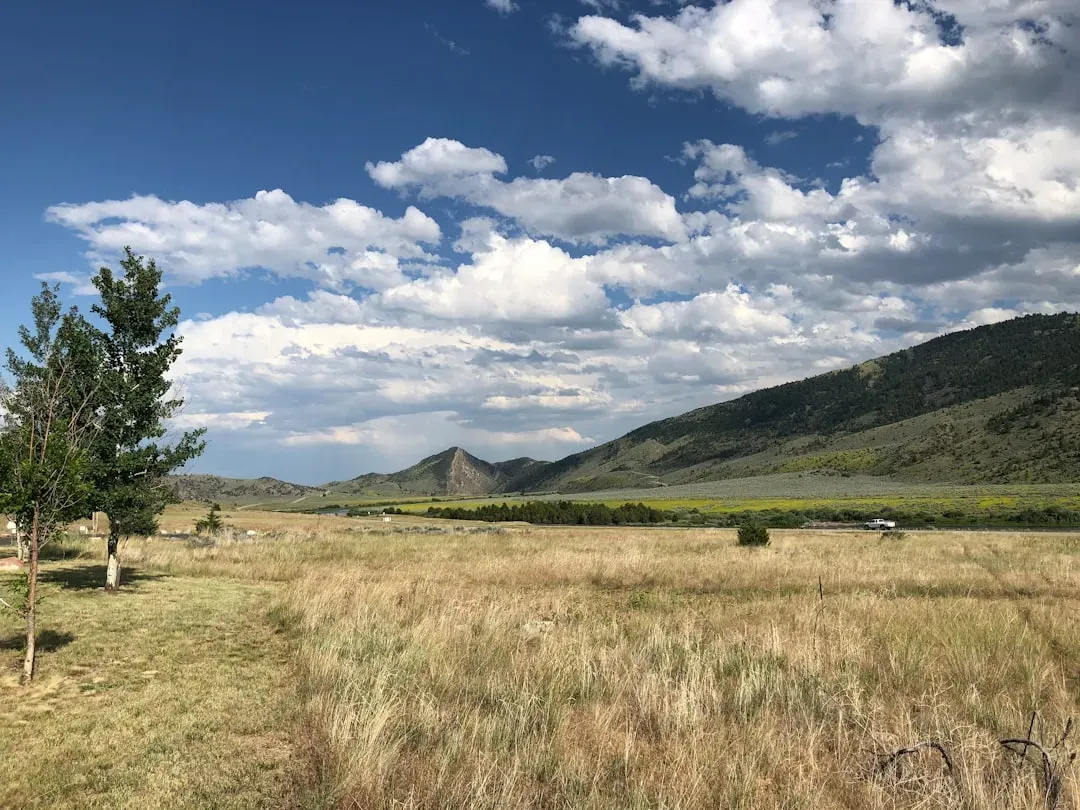
One of the most important elements of American etiquette is an awareness of personal space, as Americans tend to prefer a larger physical distance during conversations compared to other cultures, with standing too close making people feel uncomfortable, so keeping about an arm’s length distance is typically a safe rule. Western states like Montana prefer even larger interpersonal distances than the national average. Standing too close during conversations violates the frontier-influenced cultural norm valuing independence and physical space.
Wyoming: Standing Too Close to Others
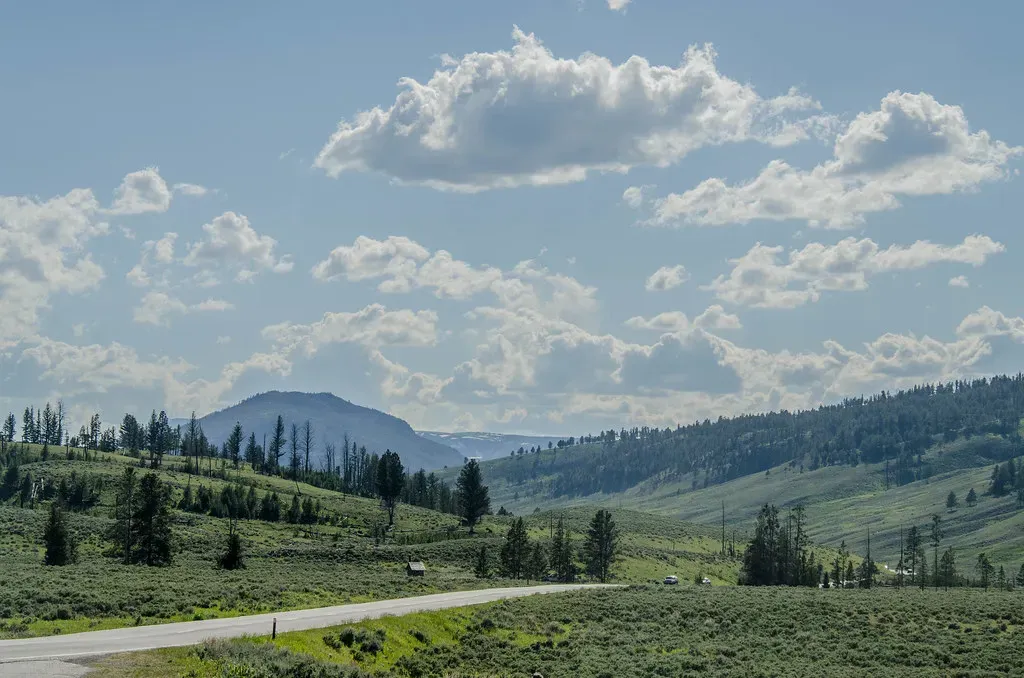
If you’re looking to catch a Taylor Swift concert and don’t want a fellow attendee screaming in your ear or getting up in your space, look for performances in Alaska, Louisiana, Montana, New Hampshire, North Dakota, Rhode Island, South Dakota, or Wyoming. Wyoming’s vast open spaces have shaped social expectations about appropriate physical distance. Residents accustomed to wide horizons find close proximity uncomfortable and interpret space violations as boundary crossing that shows disrespect for individual autonomy.