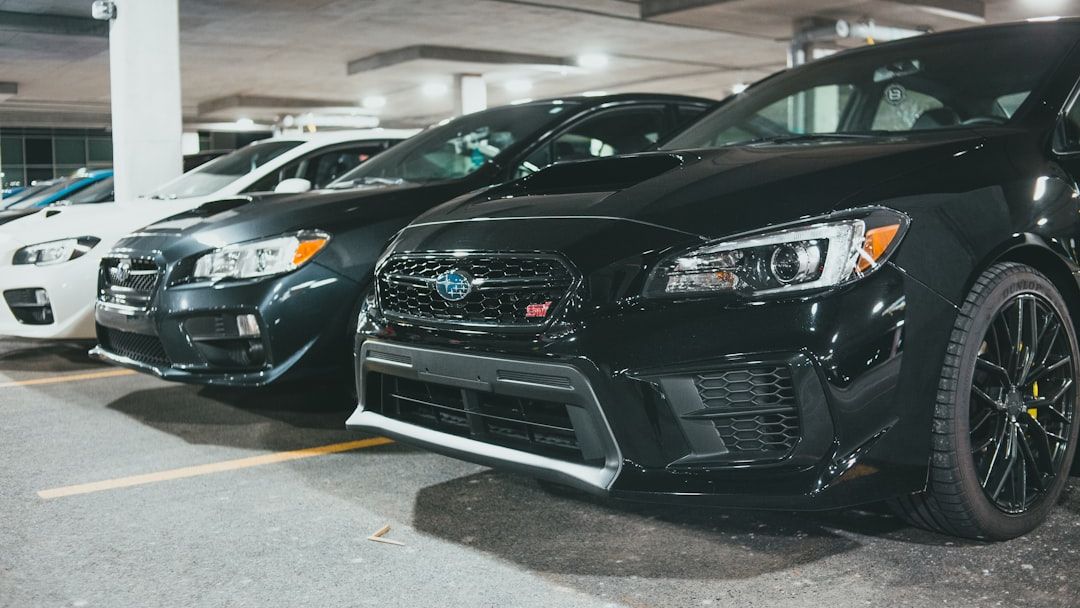

Picture this: no massive down payment, no endless loan dragging on for years, and the freedom to swap your ride whenever the mood strikes. Car subscriptions are sneaking up on traditional ownership like a quiet revolution in the driveway. With urban life speeding up and tech evolving fast, more folks are questioning why tie themselves to one set of wheels.
Here’s the thing. These services bundle everything from insurance to repairs into one monthly fee. Ready to see why your garage might soon feel empty?[1][2]
Market Growth Exploding Worldwide
The global car subscription market hit about $7.6 billion back in 2024. Projections show it rocketing to over $34 billion by 2030, with a compound annual growth rate around 29 percent.[1][3] That’s no small shift. Investors and automakers smell opportunity in this flexible model.
In the US alone, the sector reached $1.7 billion in 2025 and eyes $6.8 billion by 2034.[4] Urban millennials drive much of this surge. Honestly, it’s hard to ignore numbers like that.
Flexibility Beats Locked-In Ownership

Subscriptions let you pause, cancel, or switch cars monthly without penalties eating you alive. Ownership? You’re stuck until you sell or trade, often losing thousands in depreciation. This freedom appeals in a world where life changes fast, like job hops or family shifts.[5]
Think of it like Netflix for wheels, not a mortgage on metal. Many plans start at a month’s notice. No wonder younger drivers flock here.
Services like Sixt+ make swapping an SUV for a sedan effortless. That beats haggling at dealerships every few years.
All-Inclusive Perks Simplify Life

Monthly fees cover insurance, maintenance, roadside help, and even registration in most cases. Ownership piles on surprise repair bills that sting. Subscriptions turn those headaches into predictable costs.[6]
Volvo’s Care by Volvo bundles it all seamlessly. You focus on driving, not paperwork. It’s a relief in 2026’s busy grind.
Access Cutting-Edge Tech Effortlessly
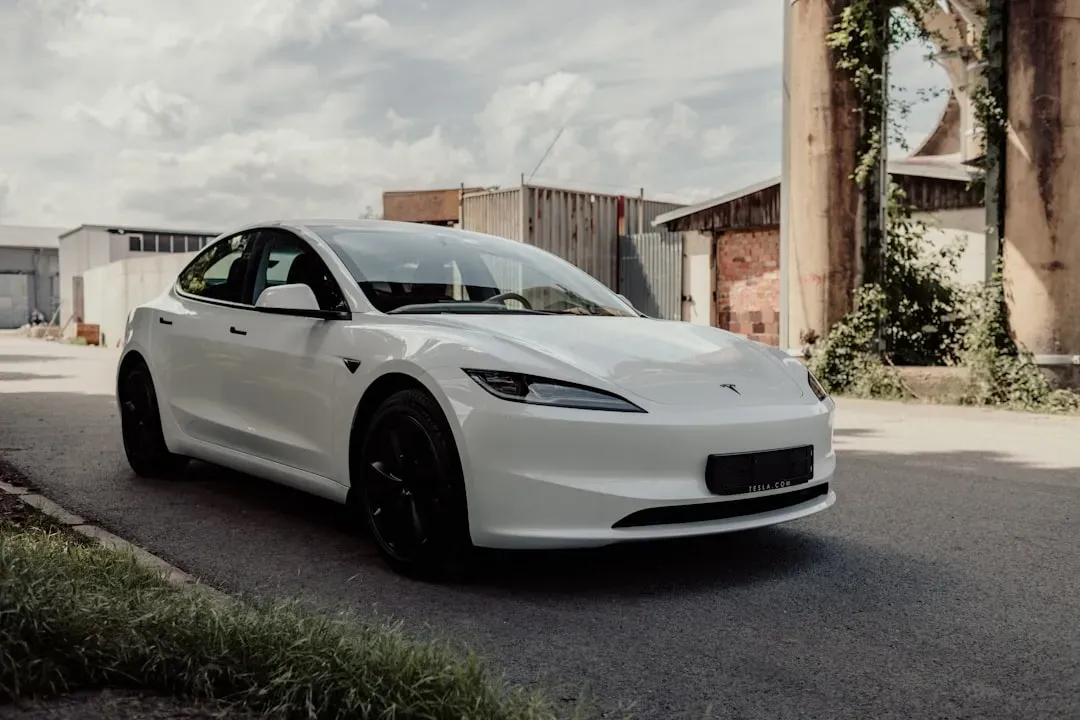
New models roll out yearly with EVs and smart features. Subscriptions give you the latest without trade-in drama. Ownership leaves you outdated fast as tech leaps ahead.[7]
Porsche Drive subscribers test high-end rides monthly. Imagine always having ADAS or infotainment upgrades. That keeps you safe and excited.
Finn echoes this with premium fleets. No waiting years to upgrade.
Younger Generations Lead the Charge

Millennials and Gen Z shun big debts for access over assets. Surveys show they prefer subscriptions for debt-free mobility. Traditional ownership feels like a trap to them.[8]
By 2026, this cohort dominates car decisions. They’re urban, tech-savvy, and transient. Subscriptions fit their vibe perfectly.
Major Automakers All In

Volvo, Porsche, and BMW push hard with dedicated programs. Sixt+ and Finn top US lists in 2026 for variety and ease.[2][9] These giants validate the model.
Mercedes and Hyundai follow suit. Expect more luxury options bundled in. It’s no fad anymore.
Potential Cost Wins Over Time

Upfront, subscriptions might seem pricier monthly. Yet no down payment and included services often undercut total ownership costs for short-term users. Compare five years: depreciation hits owners hard.[10]
For city drivers logging low miles, it shines. Let’s be real, resale value tanks EVs quickest. Subscriptions dodge that bullet.
Ideal for Urban Nomads

Cities cram parking and traffic worsens yearly. Subscriptions mean no garage commitment or resale hassle when moving. Park it, grab another later.[1]
Perfect for renters or frequent relocators. Ownership burdens with storage fees. This model’s lighter touch wins.
Boosts EV Transition Smoothly
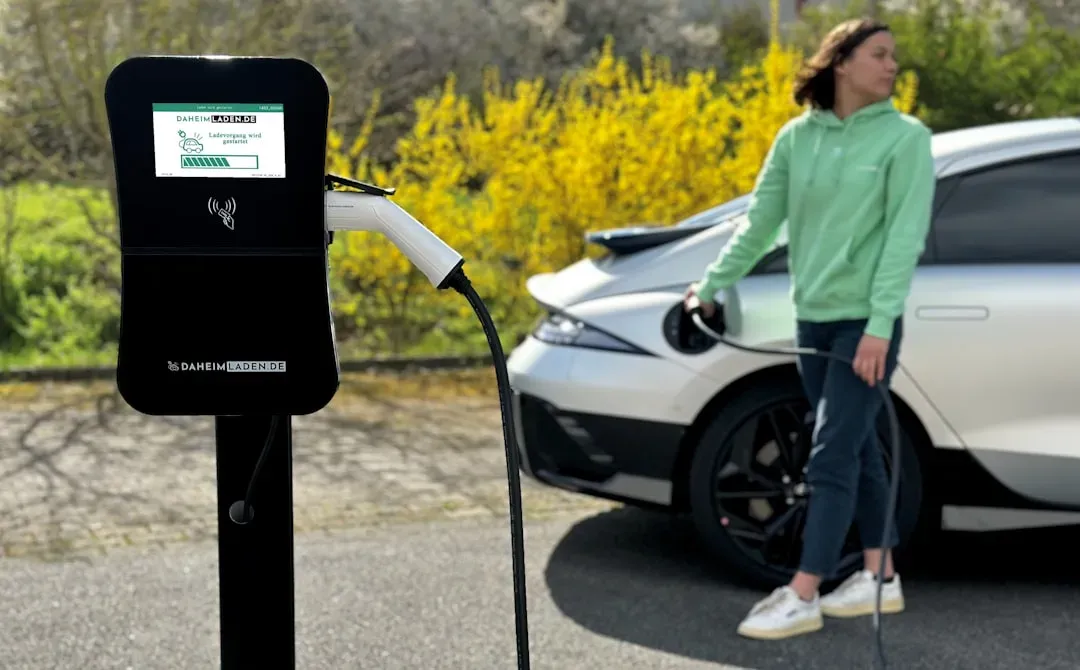
Subscriptions spotlight electric fleets, easing range anxiety trials. Switch back to gas if needed, no loss. Ownership locks you into charging unknowns.[11]
Many plans feature Teslas or Volts. It’s a low-risk green step. Demand for this surges in 2026.
Still, Watch for Hidden Catches

Higher fees add up for long-haul drivers. Mileage caps bite heavy users. No equity builds, unlike buying.[12]
Read fine print on wear-and-tear fees. Test a month first. Balances the hype with reality.