A Vision Born from Digital Dread (Image Credits: Images.fastcompany.com)
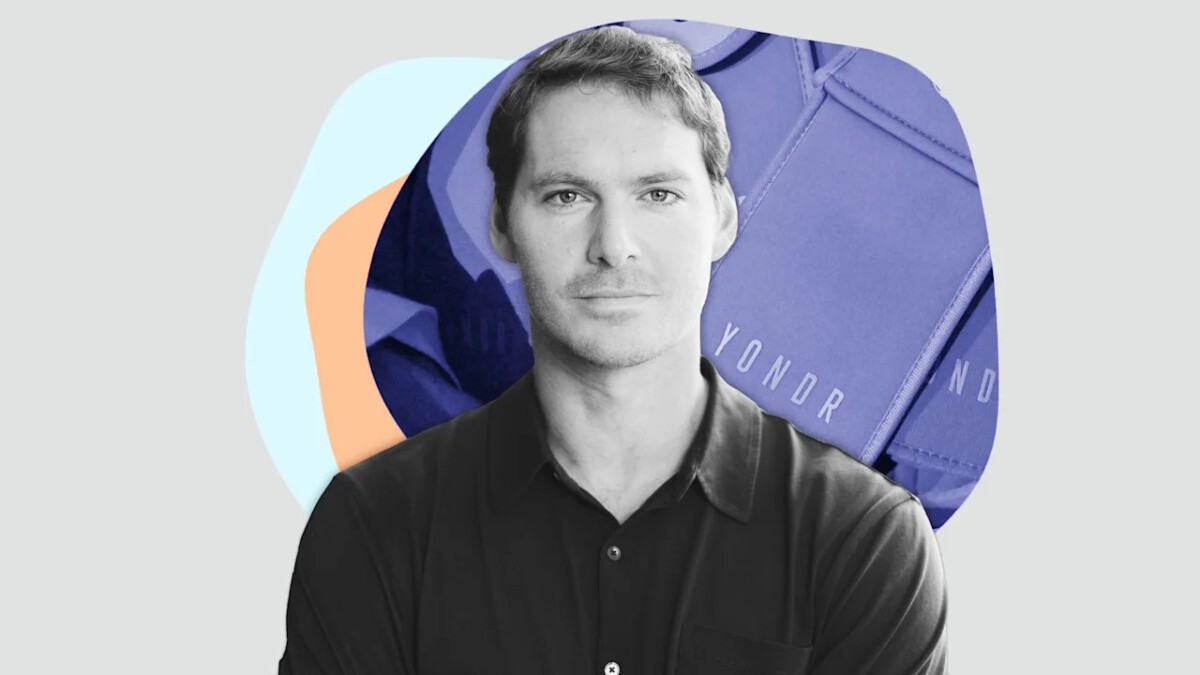
Graham Dugoni transformed his early fears of smartphone-driven emptiness into Yondr, a company equipping schools, concerts, and venues with tools for distraction-free environments.
A Vision Born from Digital Dread
Fourteen years back, Dugoni spotted a creeping nihilism fueled by constant media saturation. He worried it would erode life’s deeper meaning. Instead of protests or writings, he invented practical tools: secure pouches that lock away phones during focused activities. Users access their devices only at designated unlocking stations.
Yondr debuted in 2014, providing not just pouches but full support for phone-free zones. The company now reaches over 55 countries and every U.S. state. High-profile artists like Dave Chappelle, Bruno Mars, and Madonna have adopted its solutions for immersive performances.
Navigating Business Ironies and School Budgets
Dugoni grappled with launching a for-profit venture to battle tech giants. He once eyed academic paths but concluded only scalable enterprise could drive widespread change. Schools proved a tough market, strapped for cash amid rising demands.
A New York Times report highlighted students tampering with pouches, prompting some districts to favor simpler options like lockers or caddies. One teacher noted avoiding pricey products upfront made sense for tight budgets. Still, Yondr persists, aiding compliance where over 30 states now restrict phones in classrooms, as tracked by policy monitors.
Lessons from Patagonia’s Playbook
Dugoni’s blend of idealism and commerce mirrors Patagonia founder Yvon Chouinard. That brand evolved beyond gear into a subculture challenging economic norms, per David Gelles’ book Dirtbag Billionaire. Chouinard balanced growth for philanthropy against employee equity gaps, turning tensions into fuel for improvement.
Yondr follows suit, prioritizing community-driven impact over control. Dugoni emphasizes that success hinges on users: “What happens inside the spaces Yondr helps provide is really up to the people running the show.” The pouches merely enable thriving, human-centered moments.
Gen Z’s Analog Awakening
Executives tracking youth shifts see alignment with Yondr’s ethos. Lesley Gold of SutherlandGold Group observed Gen Z, despite digital nativity, craving sensory experiences. “They want to see, touch, taste, hear, smell life… everything you can’t get on a screen,” she said, echoing a Good Will Hunting sentiment.
Barby K. Siegel of Zeno Group noted self-preservation trends, with youth setting tech limits for livable lives. Gabrielle Wesley of Mars Snacking stressed earning relevance through real-world engagement over ads. These insights suggest a broader cultural pivot.
Key Takeaways
- Yondr operates in 55+ countries, partnering with top artists and all U.S. states’ schools.
- Over 30 states enforce school phone bans, boosting demand for enforcement tools.
- Gen Z favors analog depth, blending digital savvy with boundary-setting.
Yondr proves counter-cultural ideas can scale through smart enterprise, fostering spaces where presence trumps pings. As phone policies solidify, will more sectors lock in? Share your thoughts in the comments.