

America is obsessed with its own narrative. The founding fathers, the frontier, the rise of industry. But walk a little deeper into the story of nearly any major American city, and you’ll find layers that the history books barely scratched. Underground railroads. Literal underground cities. Communities erased without a trace – or worse, deliberately forgotten.
Honestly, I think this is the stuff that makes history genuinely fascinating. Not the polished version, but the raw, strange, heartbreaking, and sometimes jaw-dropping truth buried beneath the surface. So let’s dig in.
Chicago, Illinois: The Secret City Beneath the City
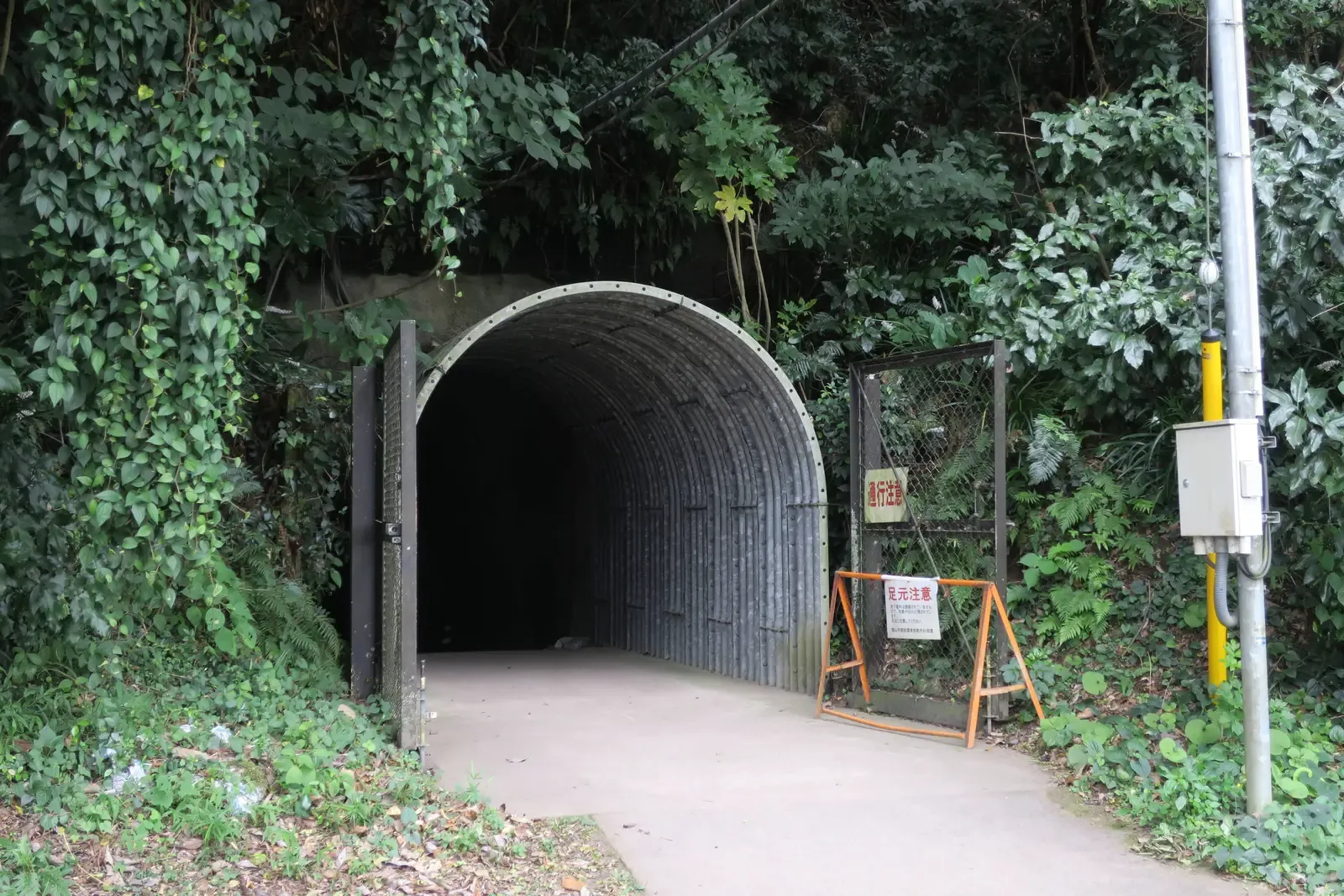
Most people know Chicago for its towering skyline and deep-dish pizza. Few know what’s running beneath their feet. Forty feet below the streets of downtown Chicago, tunnels once carried freight on a narrow two-foot electric railroad. This wasn’t a rumor or a myth. It was a fully operational underground freight network.
By 1914, about 60 miles of tunnel had been constructed, typically seven feet six inches high and six feet wide, with two-foot gauge track. The Chicago Tunnel Company built those 60 miles of tunnels before securing a single client, and once the network was complete, they approached downtown buildings with services including telephone and telegraph connections, and coal, mail, and merchandise deliveries.
The freight lines stopped operating around 1959 and were largely forgotten until catastrophe struck. On April 13, 1992, construction workers driving wood pilings into the Chicago River accidentally punctured a tunnel roof, causing thousands of gallons of water to gush into the system. Massive flooding ensued in buildings across the city, eventually causing more than two billion dollars in damage. That is how most Chicagoans first learned their city had a secret underground world.
Seattle, Washington: The City That Buried Itself
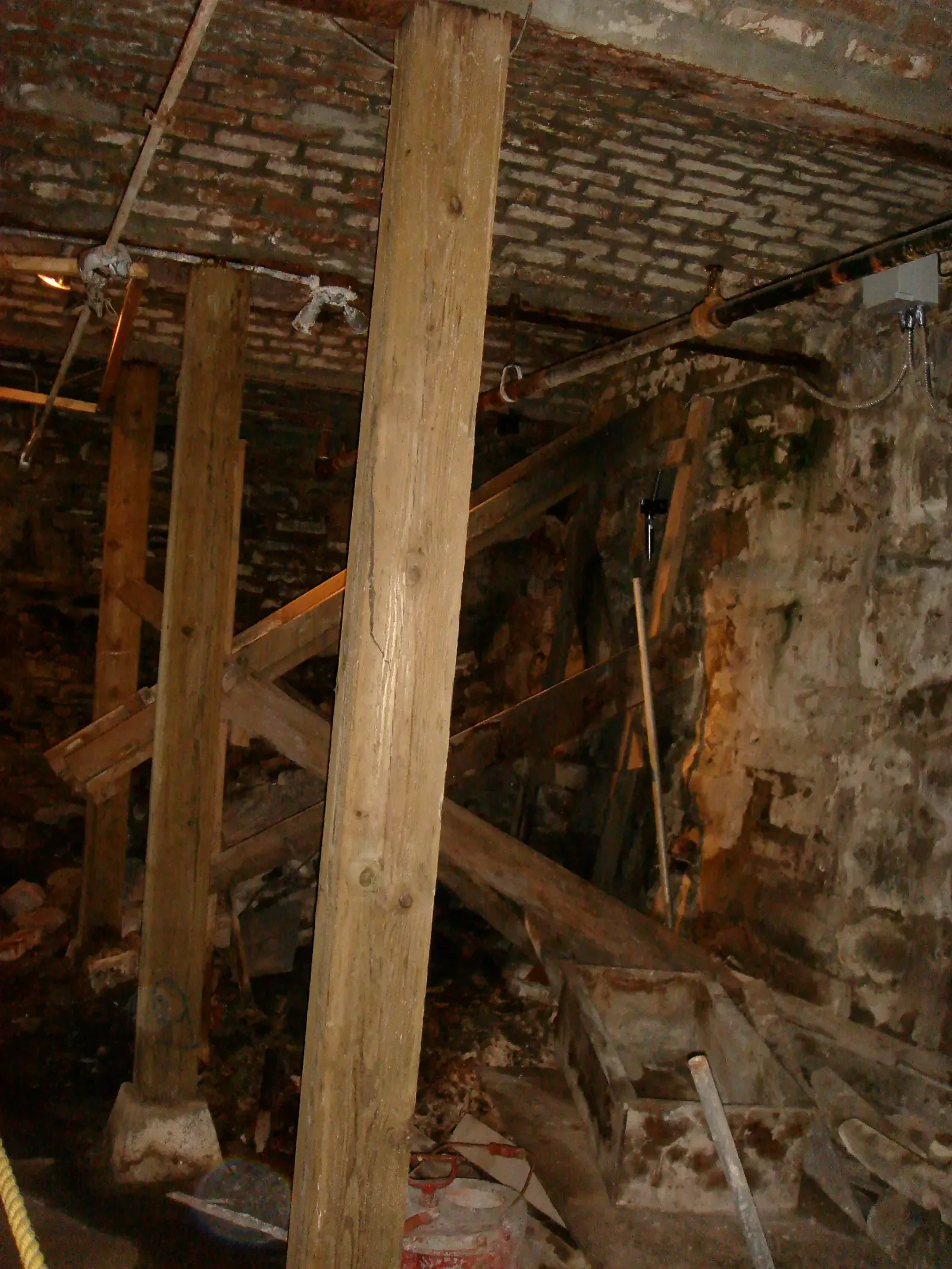
Here’s the thing about Seattle – the city you walk through today is literally built on top of another city. The Great Seattle Fire destroyed the entire central business district of Seattle, Washington, on June 6, 1889. It started with an overheated glue pot in a carpentry shop. The whole thing sounds almost comedic until you realize what happened next.
Seattle quickly rebuilt using brick buildings that sat 20 feet above the original street level. The city built retaining walls, eight feet or higher, on either side of the old streets, filled in the space between the walls, and paved over the fill to effectively raise the streets, making them one story higher than the old sidewalks that still ran alongside them. The result? An entire underground layer of storefronts, sidewalks, and passageways left entombed.
It was the early 1900s when Seattle officially sealed access to these underground tunnels, only to be reopened at certain spots in the mid-1960s for tours that still run today. Think about that. A whole ghost city, sealed and forgotten for decades, right below the feet of daily commuters.
Tulsa, Oklahoma: The Deliberate Erasure of Black Wall Street
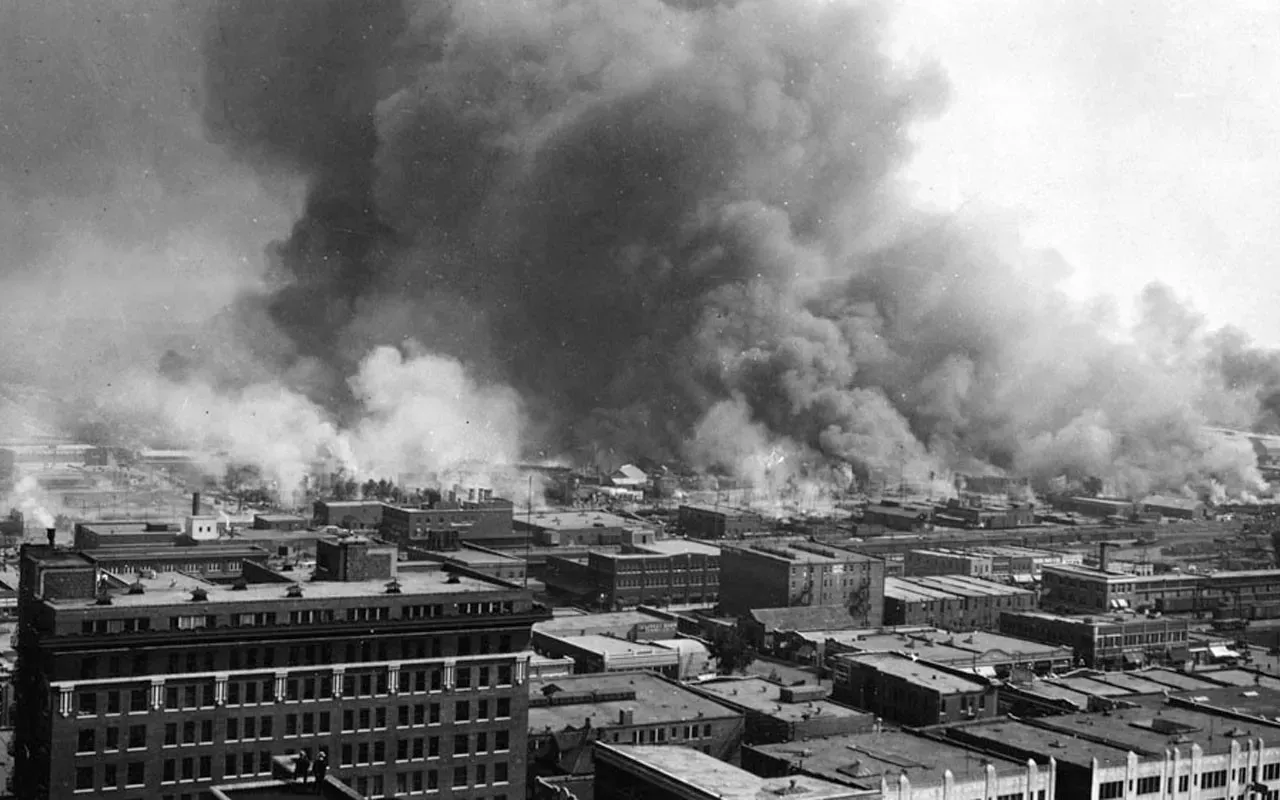
This one is not just surprising. It’s devastating. In 1921, Tulsa, Oklahoma’s Greenwood District, known as Black Wall Street, was one of the most prosperous African-American communities in the United States. Most of the city’s ten thousand African American residents lived in the Greenwood District, a vibrant neighborhood that was home to two newspapers, several churches, a library branch, and scores of Black-owned businesses.
Tulsa’s Greenwood Cultural Center tabulates that in the span of 24 hours, 35 city blocks of Black Wall Street were burned to the ground. The white mob blocked firefighters while 1,256 homes were destroyed and another 400 were looted. About 10,000 black people were left homeless, and the cost of the property damage amounted to more than one and a half million dollars in real estate and 750,000 dollars in personal property.
Despite its severity and destructiveness, the Tulsa Race Massacre was barely mentioned in history books until the late 1990s, when a state commission was formed to document the incident. According to a 2001 report by the Oklahoma Commission, at least 1,256 homes were destroyed alongside churches, schools, businesses, and hospitals. Greenwood residents filed over 1.8 million dollars in damage claims. All but one of these claims were denied.
Los Angeles, California: The Electric Railway Empire Nobody Remembers
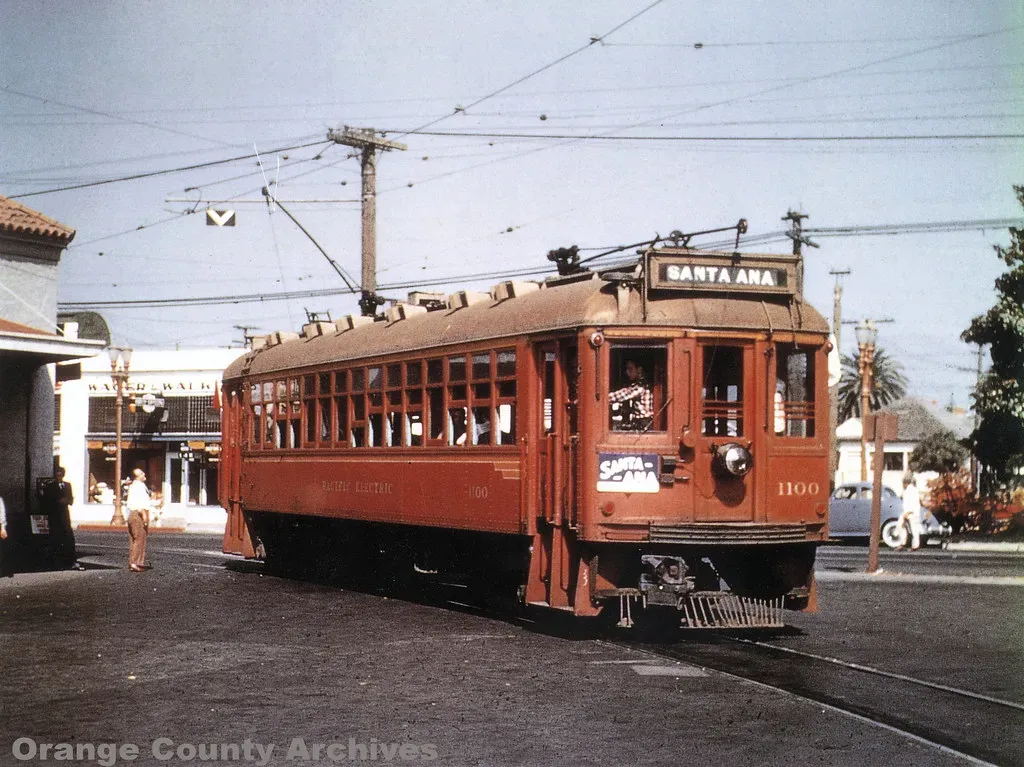
Los Angeles today is synonymous with gridlock, freeways, and car culture. It’s hard to picture it any other way. Yet for a significant stretch of its history, LA was home to one of the largest electric railway systems ever built on earth. The Pacific Electric Railway, known as the “Red Cars,” stretched across Southern California with over 1,000 miles of track at its peak in the 1920s.
I find it genuinely staggering that a city now defined by car dependency once had a transit network that massive. The system connected communities from San Fernando to San Bernardino, and from the mountains to the Pacific coast. It was extensive, practical, and widely used. Then it declined, and the automobile age took over completely.
The collapse of the Pacific Electric is still debated by historians and urban planners. What’s clear is that one of the most ambitious public transit experiments in American history quietly vanished, taking with it a completely different vision of what Los Angeles could have been. Today, the city is rebuilding rail infrastructure from scratch, in some cases following the very corridors the Red Cars once traveled.
New York City, New York: Central Park Was Built Over a Community
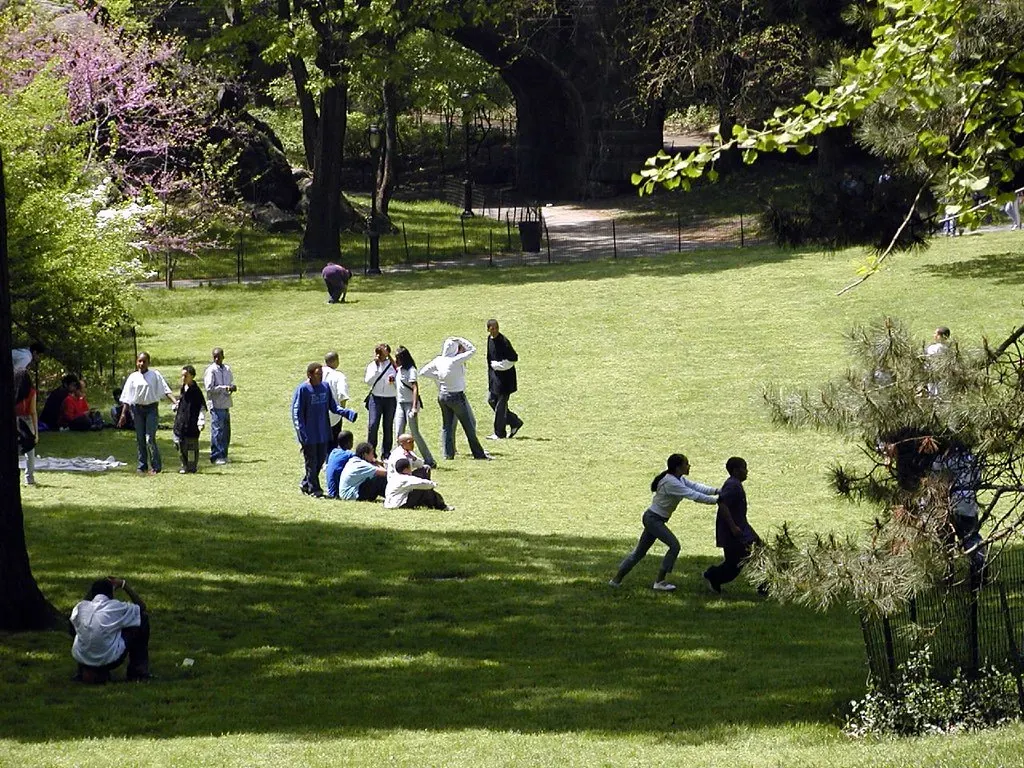
Central Park is one of the most recognized green spaces in the world. Millions visit annually. Few know what was demolished to build it. Beginning in the 16th century, Spaniards brought enslaved Africans to New Spain, including Mission Nombre de Dios in what would become the city of St. Augustine in Spanish Florida.
In New York City specifically, Central Park was constructed on top of Seneca Village, a thriving, predominantly Black community that had existed in the area from the 1820s. Residents there owned property, attended churches, and had established deep roots. By the 1850s, the city used eminent domain to force them out, clearing the land for what would become the park we know today, according to NYC historical documentation.
The community was essentially written out of the story. For more than a century, it was as if Seneca Village had never existed. Archaeological work and renewed historical attention have gradually brought the settlement back into public consciousness, but the erasure was real and deliberate. Let’s be real: it’s a complicated history wrapped inside one of the world’s most beloved parks.
Detroit, Michigan: Gateway to Freedom
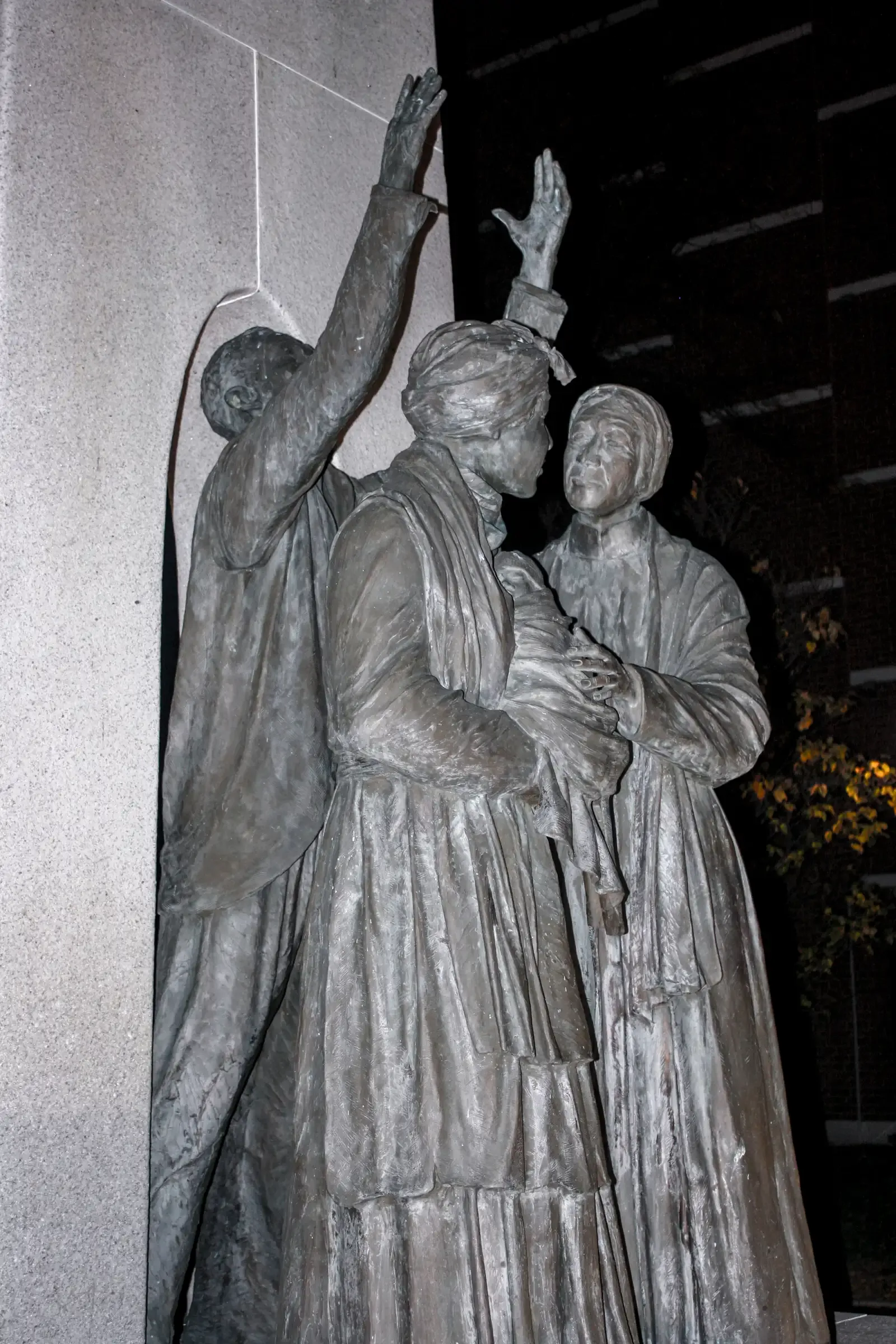
For many, Detroit was the last stop before making their way to a free life in Canada, but a number stayed in Michigan and started their new lives. Detroit’s position along the Detroit River made it one of the most strategically critical cities in the entire Underground Railroad network. Cross the river, and you were in Canada. Cross the river, and you were free.
From 1848 to 1865, the Michigan Central Railroad was a hub for enslaved people and their descendants, according to city documents. Detroit had the code name “midnight,” with the Third Street Depot serving as a gateway to Canada due to its proximity to the riverfront. The city’s hotels, churches, and businesses were all part of a secret, coordinated network of resistance.
Seymour Finney, a Detroiter who owned the Finney Hotel downtown, sheltered escaped enslaved people at this site before they went to Canada. Another abolitionist bought a steamship to secretly take enslaved people across to Canada. Detroit wasn’t just a city. For thousands of people, it was the last door before freedom.
St. Augustine, Florida: America’s Oldest City
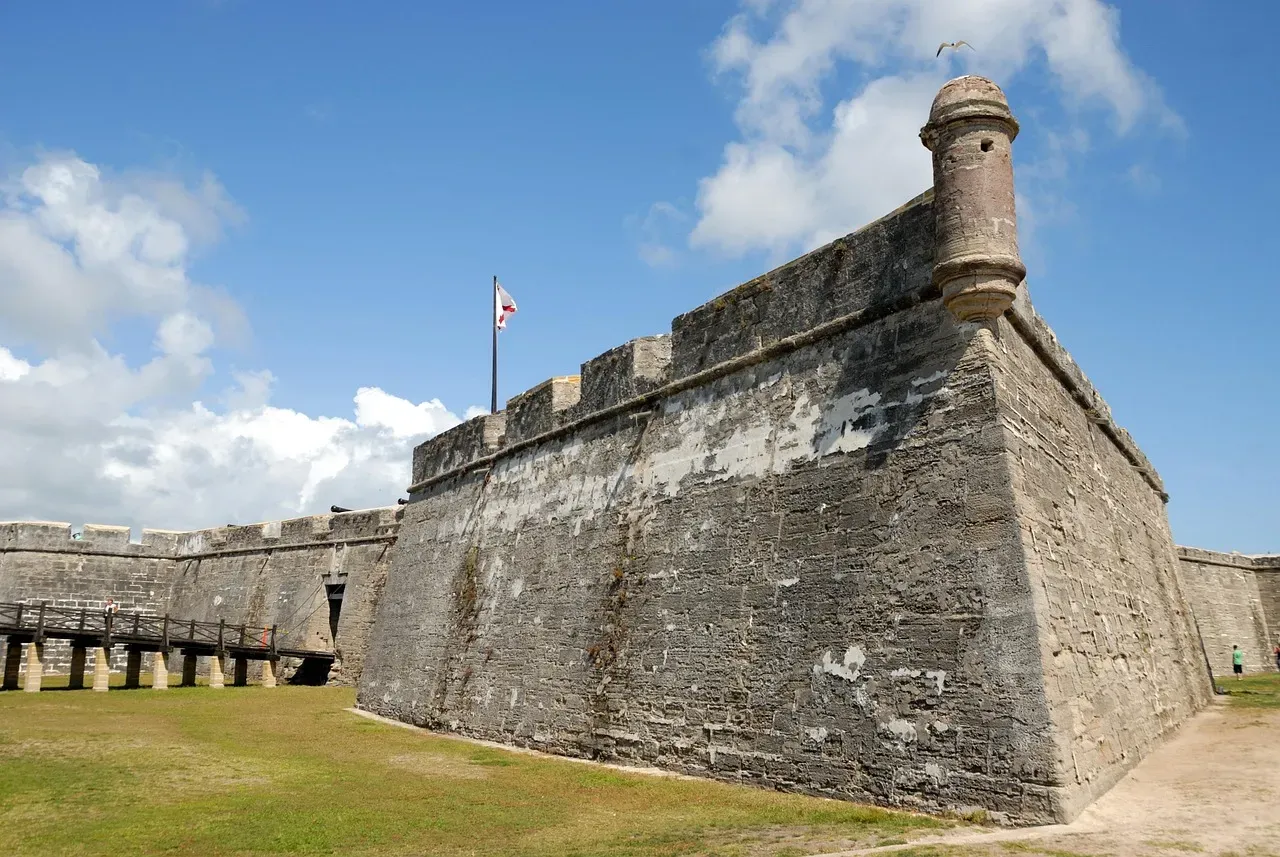
Most Americans, if asked which city is the oldest continuously inhabited European-established settlement in the continental United States, would guess Boston, or maybe Plymouth. The real answer is St. Augustine, Florida, and it’s not even close. Founded in 1565, as confirmed by the National Park Service, St. Augustine predates the Jamestown settlement by more than four decades.
Spanish explorer Pedro Menéndez de Avilés established the settlement, making it over 460 years old as of today in 2026. That’s older than the United States itself by more than two centuries. The city has survived hurricanes, fires, wars, and changes of colonial power between Spain, Britain, and ultimately the United States, yet it has never stopped being inhabited.
Walking through the old district of St. Augustine today is a remarkable experience. The Spanish colonial architecture, the Castillo de San Marcos fortress built in the 1670s, and the narrow cobblestone streets all carry the weight of centuries. It’s one of those places where history doesn’t feel like something you read about. It feels like something you’re standing inside.
San Francisco, California: Alcatraz and the Native American Occupation
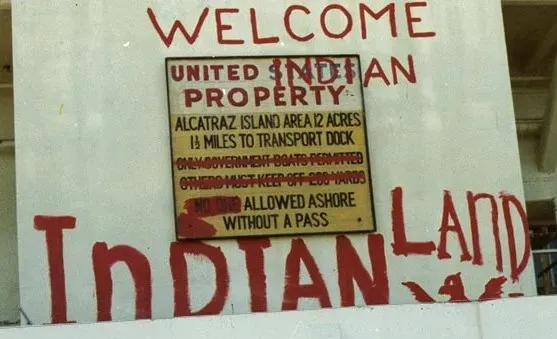
Most people know Alcatraz as the infamous federal prison that housed gangsters and operated from 1934 to 1963, as documented by the National Archives. That story is well-told. What is far less discussed is what happened to the island after the prison closed. In November 1969, a group of Native American activists sailed to the island and occupied it.
The occupation lasted for nearly two years, from 1969 to 1971. The activists, part of a coalition called Indians of All Nations, claimed the island under the Treaty of Fort Laramie. Their demands included transforming Alcatraz into a Native American cultural and educational center. The occupation drew international attention and became a powerful symbol of the broader Native American civil rights movement.
The protesters were eventually removed, and their specific demands were never met. Still, the occupation had a real and lasting impact. It is widely credited with helping galvanize the American Indian Movement and shifting U.S. federal policy toward greater recognition of tribal sovereignty. Alcatraz carries two major historical identities, and only one of them gets featured prominently on the tourist brochures.
Boston, Massachusetts: The Day Molasses Killed a City Block
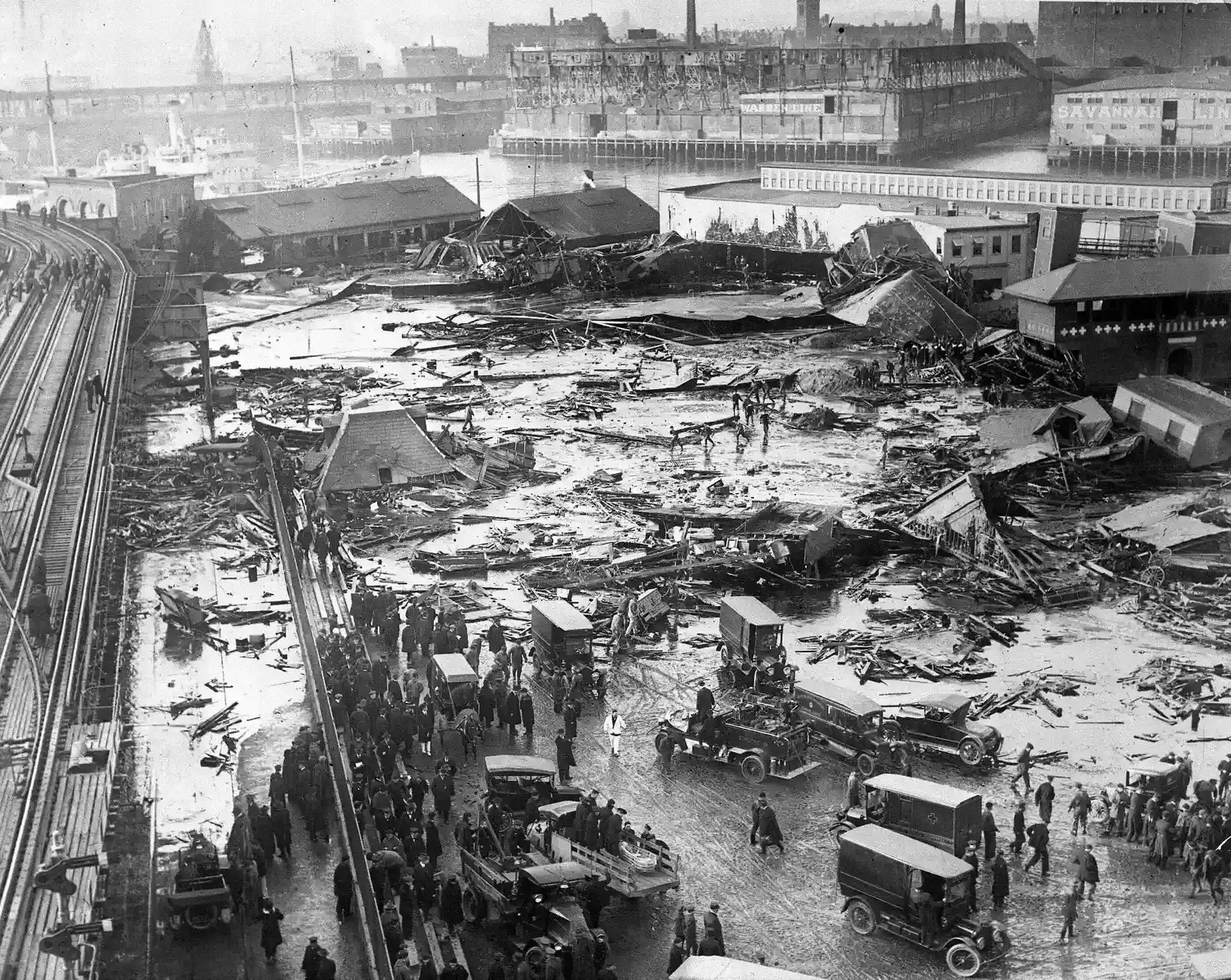
I know it sounds crazy, but this one is completely real and completely documented. Sugary-sweet molasses turned deadly on January 15, 1919, when a holding tank burst and sent 2.3 million gallons of the sticky liquid sweeping through the streets of Boston. It’s the kind of disaster that sounds like fiction until you look at the photographs.
A fifteen-foot wall of syrup cascaded over Commercial Street at 35 miles per hour, obliterating all the people, horses, buildings and electrical poles in its path. A molasses tank at 529 Commercial Street exploded under pressure, killing 21 people. A 40-foot wave of molasses buckled the elevated railroad tracks, crushed buildings and inundated the neighborhood.
This disaster also produced an epic court battle, as more than 100 lawsuits were filed against the United States Industrial Alcohol Company. After a six-year investigation involving 3,000 witnesses and 45,000 pages of testimony, a special auditor determined the company was at fault because the tank used had not been strong enough to hold the molasses. Nearly one million dollars was paid in settlement of the claims. The accident has since become a staple of local culture, not only for the damage the flood brought, but also for the sweet smell that filled the North End for decades after the disaster.
Philadelphia, Pennsylvania: The Capital America Forgot
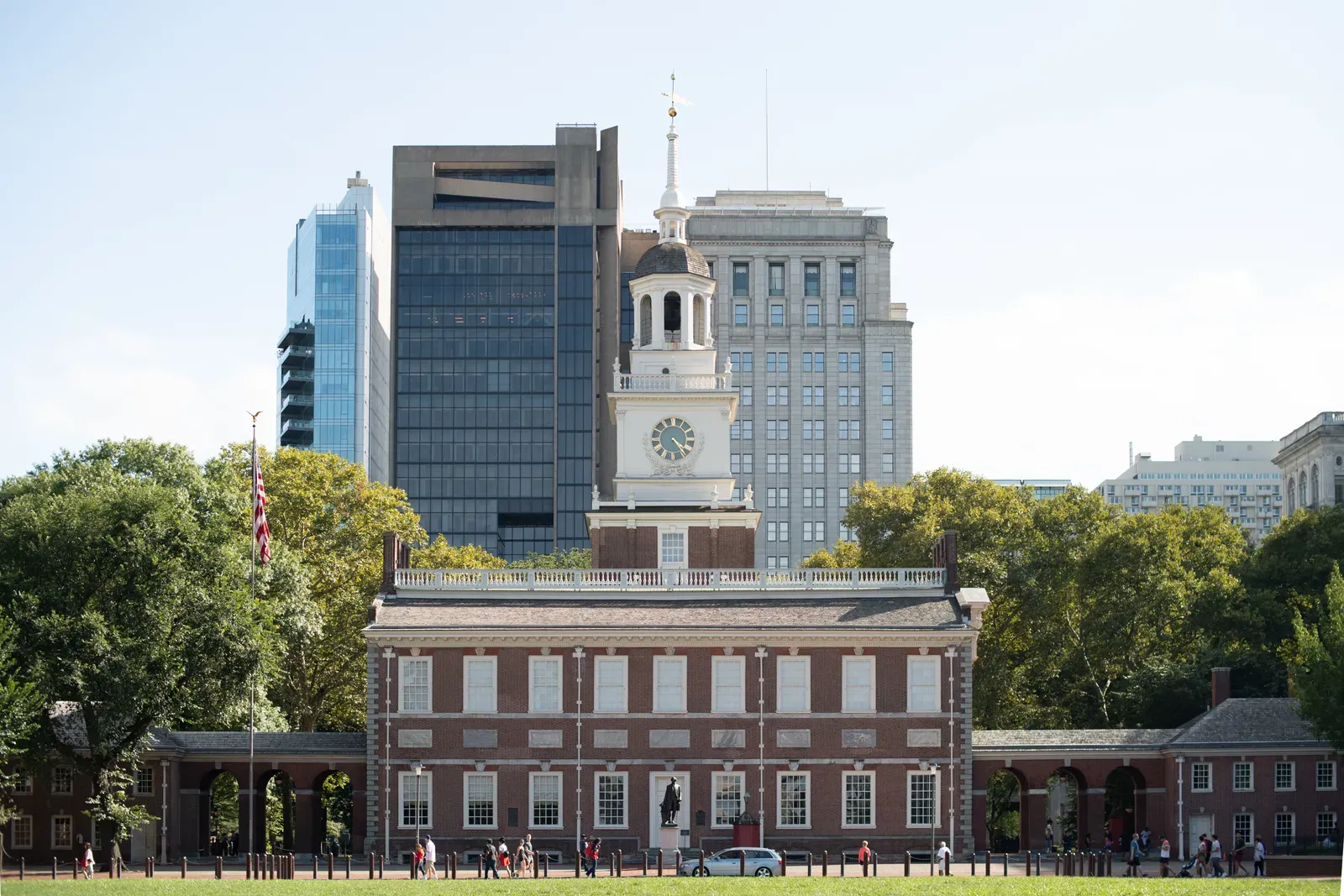
Ask most Americans where the nation’s capital is, and they’ll say Washington, D.C. Ask them where it was before that, and you might get a blank stare. Philadelphia served as the seat of American government multiple times between 1774 and 1800, hosting both the First and Second Continental Congresses, as confirmed by U.S. historical records. The Declaration of Independence was debated and signed there. The Constitution was written there.
For a significant period, Philadelphia was essentially the beating heart of the new republic. William Still, sometimes called “The Father of the Underground Railroad,” helped hundreds of enslaved people escape, sometimes hiding them in his Philadelphia home. He kept careful records, including short biographies of the people, that contained frequent railway metaphors. The city was not only a political capital but a moral one too.
The move to Washington, D.C. in 1800 was partly political, partly geographic, and partly a compromise between Northern and Southern states. Philadelphia has never quite reclaimed the spotlight it once held, but the layers of American history embedded in its streets are extraordinary. Independence Hall alone witnessed moments that changed the entire trajectory of Western civilization. Not bad for a city most people now associate mainly with cheesesteaks and a cracked bell.
Conclusion: The History You Never Knew Was Always There
Every American city carries stories that never made the textbook. Underground freight networks. Buried storefronts. Prosperous communities torched by mobs. Electric railways that vanished. Freedom seekers crossing rivers in the dead of night. These aren’t footnotes. They’re the real fabric of the country.
What strikes me most is how often these forgotten histories involve people who were deliberately pushed to the margins, whether by fire, by policy, or by simple neglect. Recovering these stories isn’t just interesting. It’s important. It changes how we understand the cities we live in and the country we share.
Next time you walk through a familiar American city, consider what might be happening just below the surface, literally or historically. The hidden history of America is still out there, waiting. Which of these surprised you the most? Tell us in the comments.