
Think back to the sugary bliss of your childhood. Remember tearing open that crinkly wrapper and tasting your favorite treat after school? Those simple pleasures felt so innocent back then. Today, though, the candy aisle has become far more complicated than we ever imagined it could be.
In a world where food transparency matters more than ever, questions about where our favorite sweets come from and what they contain are taking center stage. Let’s be real: nobody wants to discover that the nostalgic treat they grew up loving might not be what it used to be.
Tootsie Roll: Still Rolling Strong from Chicago
Tootsie Roll Industries is an American manufacturer of confectionery based in Chicago, Illinois. Tootsie Roll Industries, headquartered in Chicago, has a rich history that dates back to its modest beginnings in a small New York candy store. Since then, it has grown into one of the largest and most beloved candy manufacturers in the US. The company still operates production facilities right here in the United States, employing over two thousand people across multiple locations.
The company makes and sells the vaguely chocolate-flavored Tootsie Roll, which has been produced with the same formula and name for more than a century. However, the candy industry has not been without its challenges lately. The company reported declining sales and faced rising costs for ingredients like cocoa and chocolate during the 2024 fiscal year.
Metal Contamination Shakes the Candy Industry
Here’s where things get genuinely unsettling. Ron DeSantis announced Monday that it had tested 46 types of candy and that more than 60% of them (28) contained elevated arsenic levels that, consumed over time, could put children at an increased risk of cancer. The findings from this 2026 Florida Department of Health investigation caught many families off guard.
Others showing levels of arsenic included SweeTarts, Jolly Ranchers, Twizzlers, Sour Patch Kids and Tootsie Rolls. The testing revealed that even products many parents considered safe for their kids contained detectable levels of this toxic metal. For example, Nerds Grape and Nerds Strawberry candy both showed elevated arsenic levels. The DOH determined that a child could safely eat roughly 96 pieces of Nerds candy in a year with no worries.
That number sounds reasonable until you realize how the products are actually packaged and consumed. A typical smaller box can contain about 2,000. If you get one of those big boxes that you get, like a movie theater, that’s about 8,000 Nerds.
The Candy Industry Pushes Back Hard
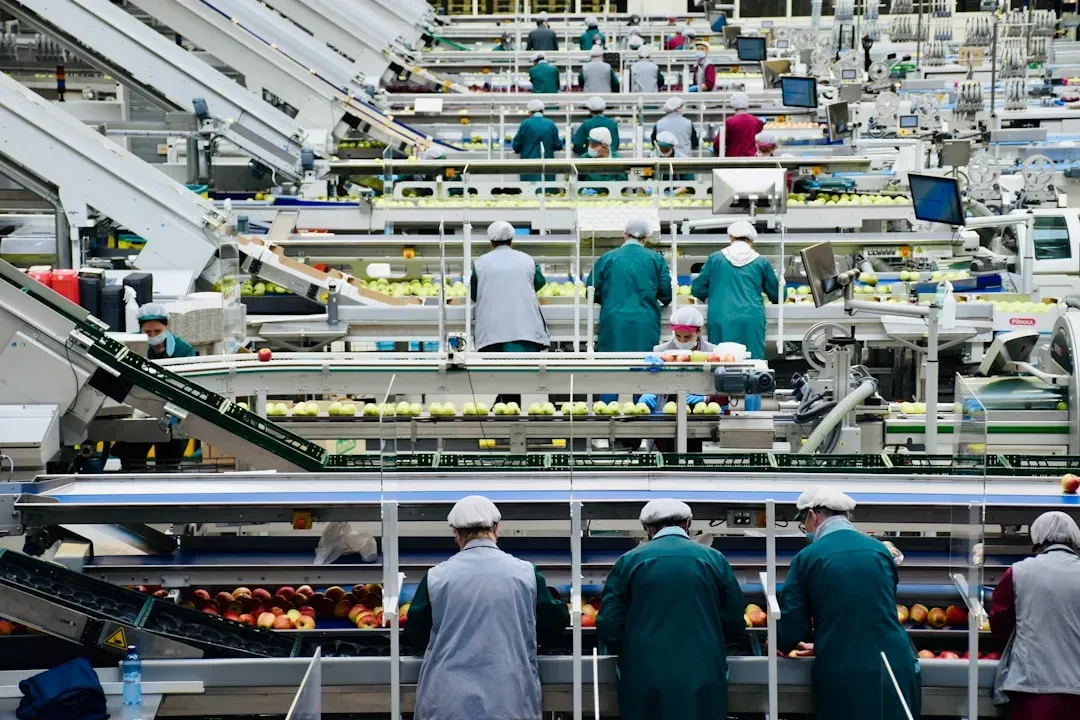
Naturally, the confectionery manufacturers did not take these findings quietly. Chocolate and candy are safe to eat and can be enjoyed as treats as they have been for centuries. The recent announcement from the State of Florida is misguided and demonstrates a glaring lack of transparency related to data-driven, scientific safety thresholds and the evaluation of confectionery products.
Industry representatives argued that federal regulations already keep candy within acceptable safety limits. The National Confectioners Association pointed to the FDA’s existing Closer to Zero Initiative as evidence that appropriate steps were already underway to address heavy metal concerns in foods consumed by children. Fallout could range from reputational damage to the brands called out for elevated arsenic levels to increased consumer confusion about the safety of the US food supply more broadly.
M&M’s Faces Allergen Labeling Problems
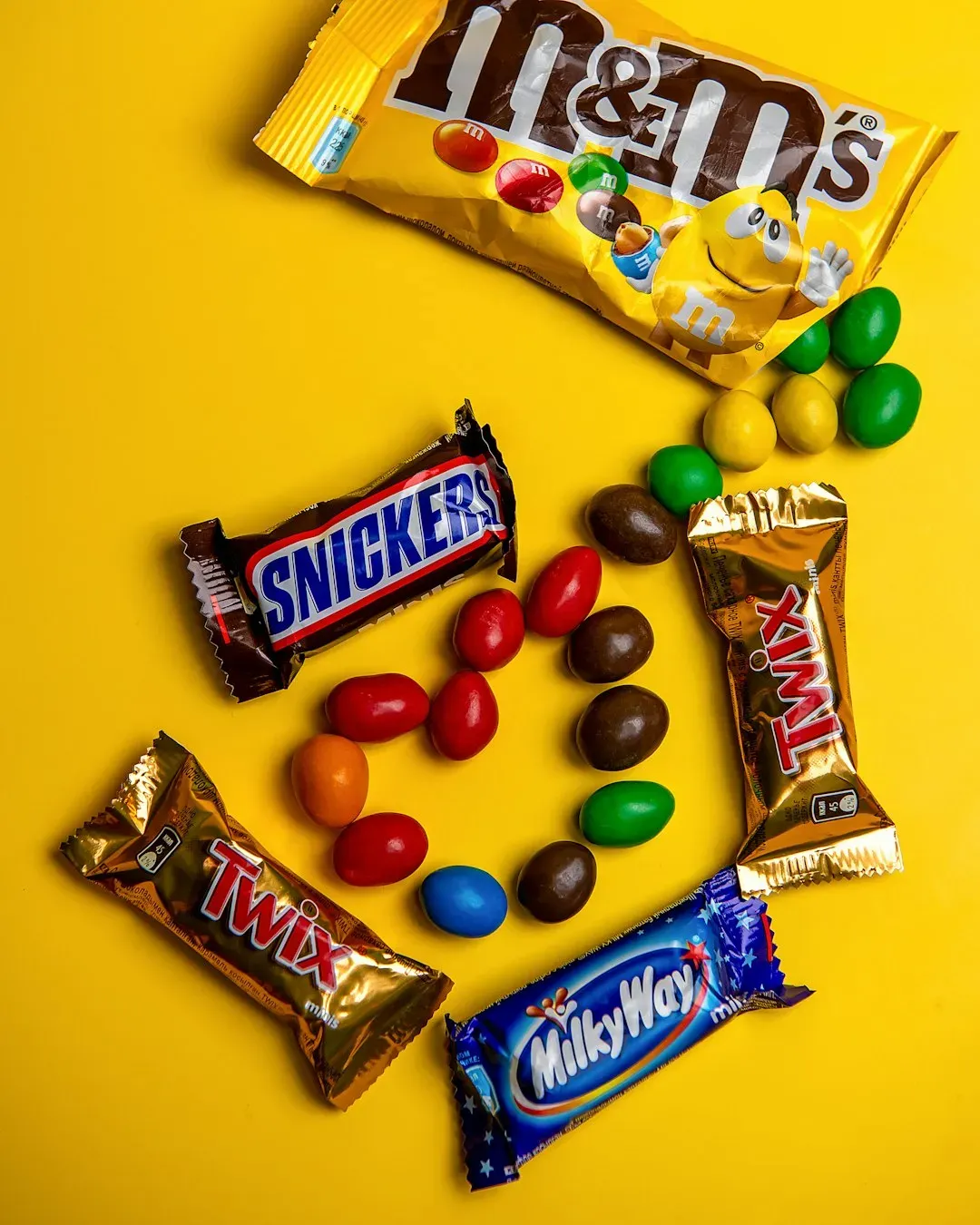
Even beloved classics aren’t immune to safety issues. The U.S. Food & Drug Administration (FDA) has announced a recall issued by Beacon Promotions Inc. on repackaged M&M’s products that do not contain the correct allergen warning as required by the FDA. The candies may contain milk, soy, and peanuts, but the packaging does not disclose the proper allergen warnings.
On Jan. 26, Beacon Promotion Inc. issued a recall on more than 6,000 units of M&M’s candies that were labeled with a variety of promotional company names. On Feb. 4, the FDA classified the recall as Class II, meaning eating the candy “may cause temporary or medically reversible adverse health consequences.” The recall affected products distributed across twenty states, from California to Massachusetts.
For individuals with severe allergies, this oversight was no small matter. The promotional repackaging removed critical safety information that people with peanut, soy, or milk allergies rely on to protect their health. It serves as a stark reminder that even major brands can stumble when it comes to compliance.
Skittles Quietly Drops Controversial Ingredient
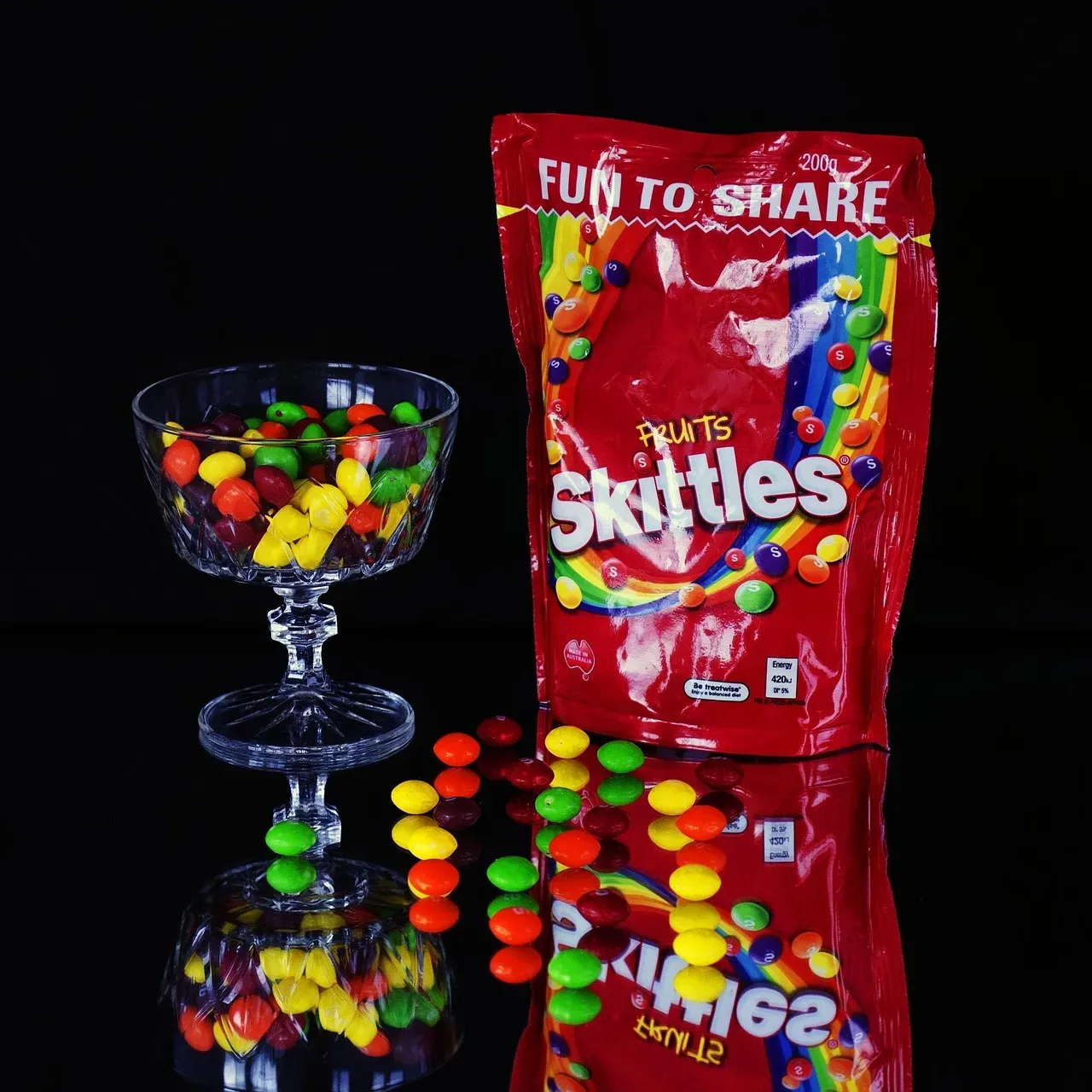
Sometimes change happens without fanfare. Mars, the maker of Skittles, has confirmed that the popular candy is no longer being made with the color additive titanium dioxide in the United States. Mars says it removed the additive from its U.S. Skittles portfolio at the end of 2024. This move came after years of mounting pressure from consumer advocacy groups and growing scientific concerns.
The European Union banned this candy color enhancer marketed to children in its food supply, claiming it can disrupt DNA, causing chromosomal damage and potentially cancer. The FDA, however, still permits titanium dioxide use in the United States within certain limits. The substance adds brightness and shine to candies but has faced increasing scrutiny worldwide.
After almost a decade of advocacy by Center for Food Safety (CFS) and allies, Mars, Inc. confirmed they have removed titanium dioxide, a potentially carcinogenic food additive, from Skittles in the United States. Though Mars initially pledged to phase out artificial colors back in 2016, it took until late 2024 for the company to fully deliver on that promise for this particular ingredient.
Jolly Ranchers Banned Overseas but Not at Home
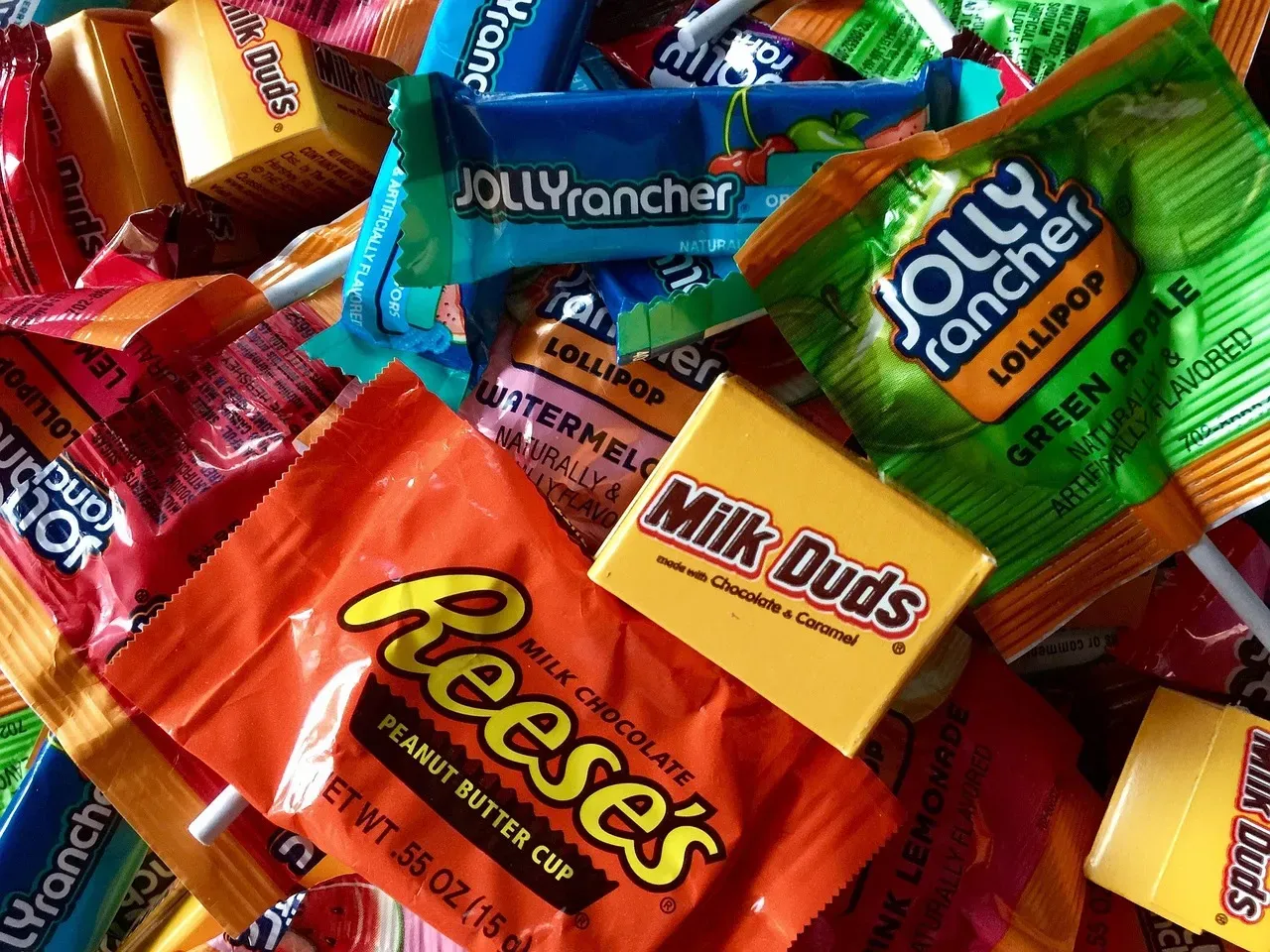
Jolly Rancher products listed below contain Mineral Oil Aromatic Hydrocarbons, (MOAH), and Mineral Oil Saturated Hydrocarbons, (MOSH), making them unsafe to eat and not compliant with UK laws. The UK Food Standards Agency issued an immediate recall of multiple Jolly Rancher products in mid-2025, citing serious health concerns.
MOAH can cause damage to DNA and has the potential to increase the risk of cancer, particularly if consumed in high quantities over a prolonged period of time. MOAH is a genotoxic carcinogen, therefore no exposure is without risk to human health. Yet those same Jolly Rancher varieties remain perfectly legal and available for purchase throughout the United States.
Across the Atlantic, these same Hershey’s hard candies remain on U.S. shelves, highlighting how two regulators can read the same toxicological literature yet reach opposite conclusions. The split decision has reignited a long‑running debate over the U.S. practice of letting companies self‑certify many food additives as safe while European agencies treat similar chemicals with greater caution. The Hershey Company maintains the products are safe, noting that mineral oil is permitted in US food production under current FDA guidelines.
Where American Candies Are Actually Made Today
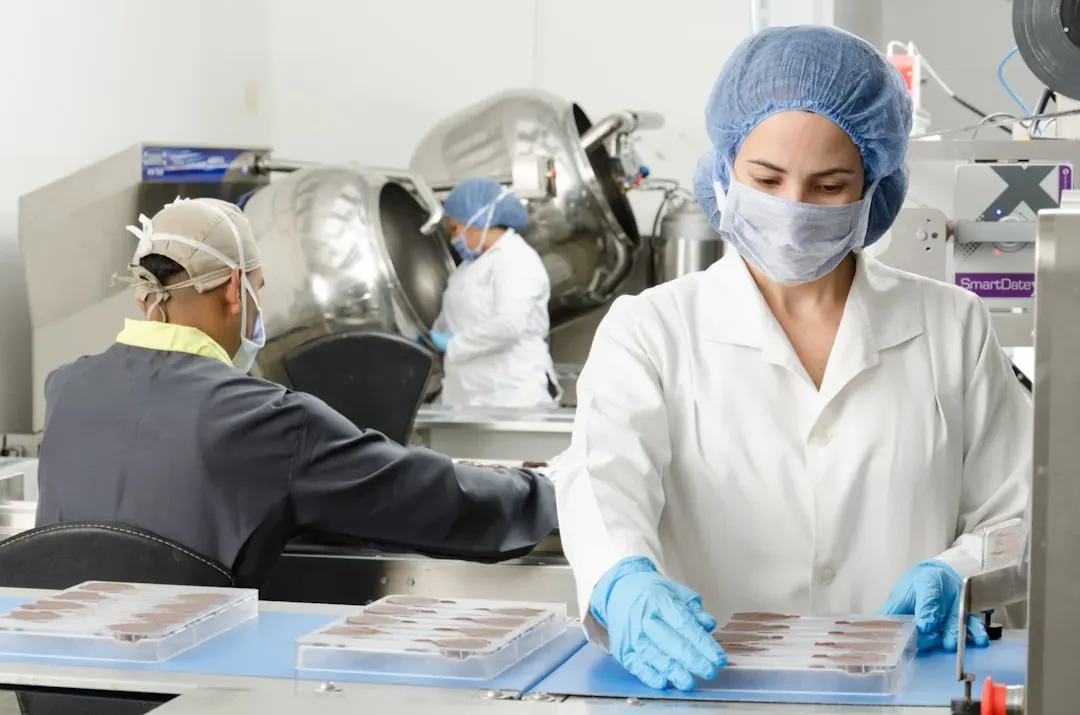
Manufacturing location matters to many consumers who prefer supporting domestic production. The good news is that several classic brands maintain significant American manufacturing operations. Tootsie Roll Industries, Inc. is a candy company with headquarters in Chicago, operations in Tennessee, Illinois, Massachusetts, Wisconsin, Mexico and Canada and sales in Europe, the Middle East, Central America and the Pacific Rim.
However, the reality of global candy production has become increasingly complex. Many iconic American brands have been acquired by multinational corporations with manufacturing facilities spread across multiple continents. This makes it harder to determine exactly where your candy was produced simply by looking at the package.
Some nostalgic treats have disappeared from American shelves entirely or changed hands so many times that their original identity has been diluted. The confectionery industry has consolidated dramatically over recent decades, with a handful of massive companies now controlling most of the candy market.
Organic and Alternative Candies Show Mixed Results
Parents seeking healthier alternatives often turn to organic or specially marketed candies, hoping these options might be safer. The Florida testing results revealed something surprising about this assumption. Among 13 candies marketed as healthier or organic, only two tested above safe arsenic levels.
The results also show that many confections were free from elevated levels of arsenic and other heavy metals. These included many chocolate-based confections as well as those marketed as “organic” or “healthier alternatives,” Casey DeSantis said. Chocolate-based products like Hershey Milk Chocolate Bar, Reese’s Peanut Butter Cups, M&M’s, Twix, and Milky Way all tested without concerning arsenic levels.
This pattern suggests that sourcing and manufacturing processes make a real difference. The difference, she concluded, “reinforces that better sourcing, better manufacturing practices, really can, in the long run, make a huge difference.” It is not inevitable that candy must contain problematic contamination levels.
Rising Demand for Allergen-Friendly Options
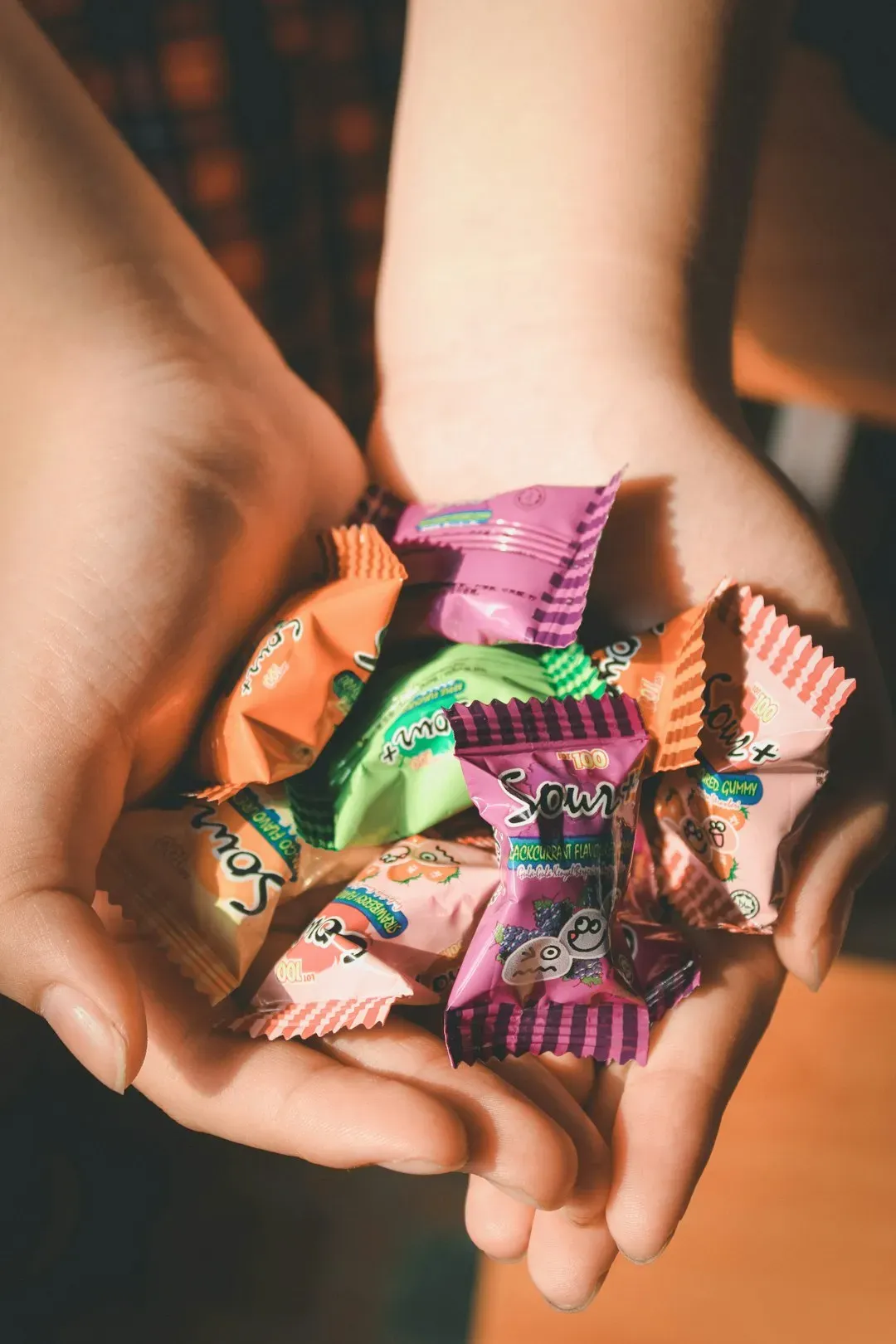
Food allergies have become a major concern for American families, driving demand for safer candy options. Parents want treats their kids can enjoy at birthday parties and holidays without worrying about potentially life-threatening reactions. This has led manufacturers to develop more products specifically formulated without common allergens.
Companies now regularly publish updated lists of allergy-safe candies to help families navigate their options during Halloween and other candy-heavy occasions. These resources have become essential tools for parents managing children’s food restrictions. The focus extends beyond simply avoiding ingredients to preventing cross-contamination during manufacturing.
The recent M&M’s recall highlighted just how critical proper allergen labeling remains. Even when the product itself might be safe for someone without allergies, missing or incorrect labels can put vulnerable individuals at serious risk. Advocacy groups continue pushing for stronger transparency requirements and better enforcement of existing allergen labeling laws.
The Bigger Picture on Food Safety Regulation
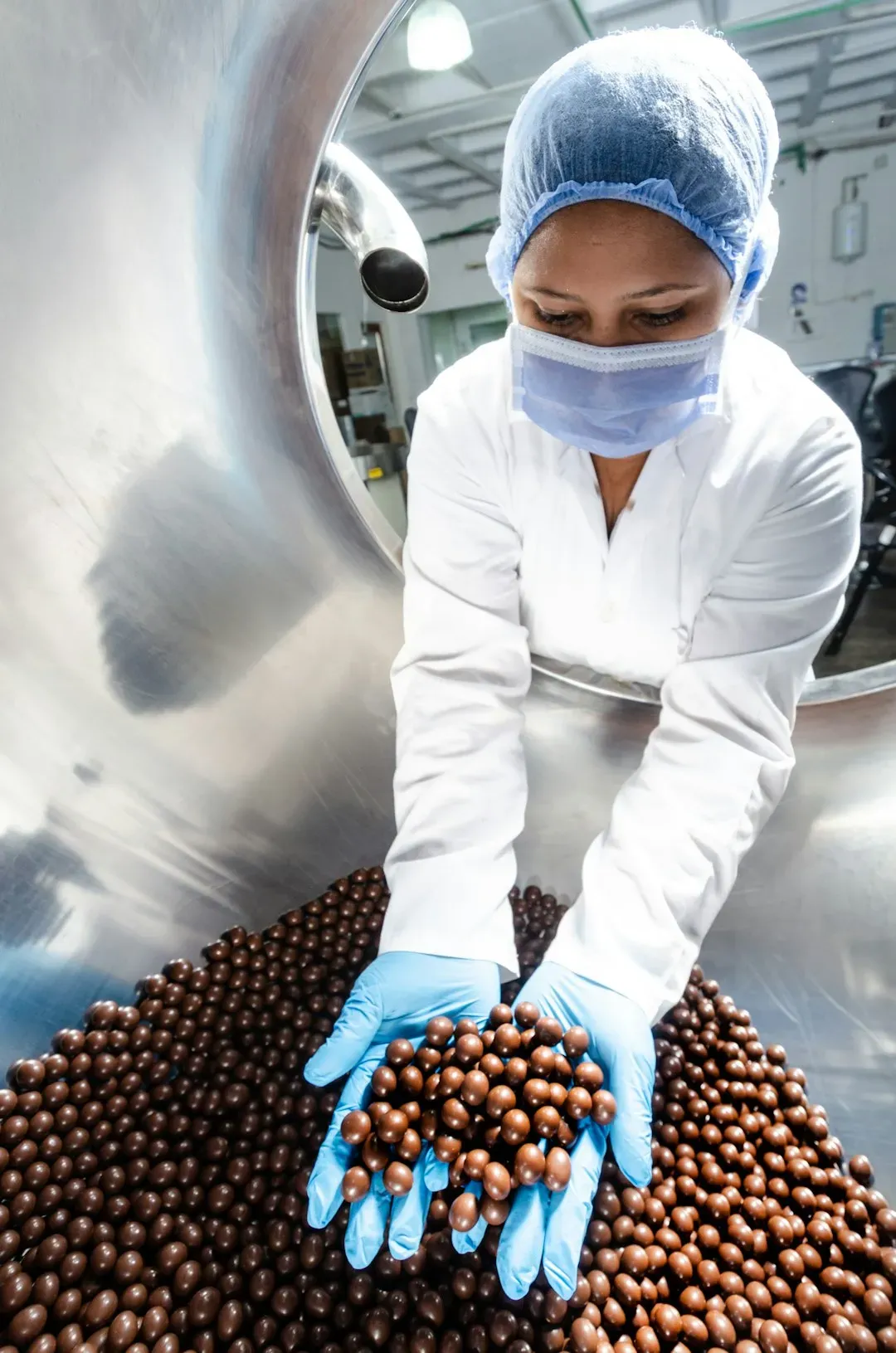
The candy controversies of recent years have exposed deeper questions about how America regulates its food supply. Under the 1958 Food Additives Amendment, companies can declare a substance “generally recognized as safe” without asking the FDA to review their data, provided a panel of experts, internal or external, endorses the conclusion. This system has faced growing criticism from public health advocates.
Consumer protection groups argue that the GRAS loophole allows potentially harmful substances into the food supply without sufficient independent oversight. Meanwhile, industry representatives maintain that the system works well and that American candy remains fundamentally safe when consumed in moderation as intended. The tension between these perspectives shows no sign of resolving anytime soon.
State governments have begun taking matters into their own hands, with California and other states passing legislation to ban specific additives that remain federally approved. This patchwork approach creates its own complications but reflects growing frustration with the pace of federal action on food safety concerns.
What This Means for Your Candy Choices
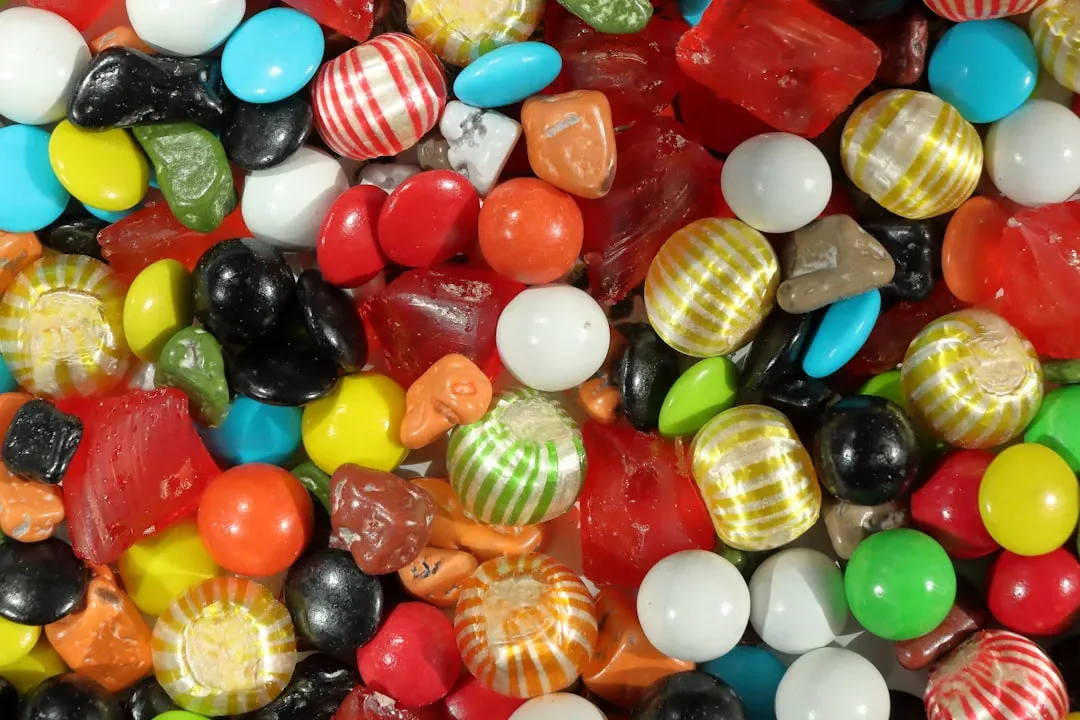
Honestly, the information coming out about candy safety can feel overwhelming. Nobody wants to become paranoid about every treat, yet ignoring legitimate concerns is not the answer either. The key takeaway is that not all candies are created equal when it comes to both manufacturing location and safety profiles.
Chocolate-based candies generally tested better than fruit-flavored options in recent contamination studies. Products from companies that have voluntarily reformulated to remove controversial ingredients may offer marginally better options. Reading labels carefully and staying informed about recalls remains crucial, especially for anyone managing food allergies.
The good news is that consumer pressure does appear to work. Companies eventually respond when enough people demand cleaner ingredients and greater transparency. The removal of titanium dioxide from Skittles and other gradual reformulations show that change, while slow, is possible. Supporting brands that prioritize safety and transparency with your purchasing decisions sends a powerful message.
What surprised you most about where your favorite childhood candies are made today and what they might contain? These discoveries might change how you think about that next trip down the candy aisle. Share your thoughts in the comments below.