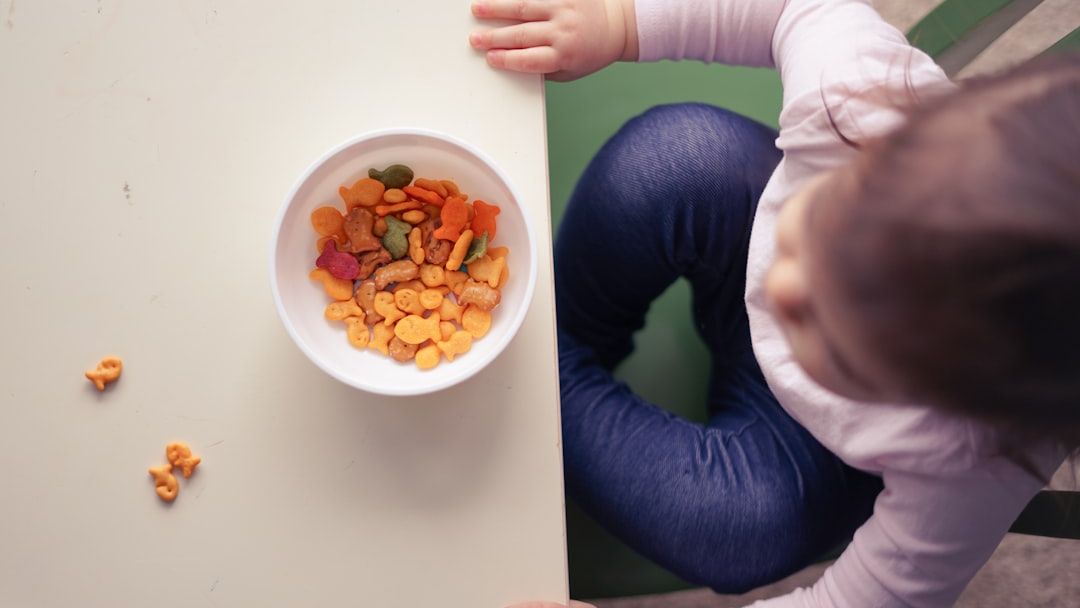

The Ultra-Processed Reality of Nostalgic Treats
Think back to those brightly colored treats you loved as a kid. The ones your parents packed in your lunchbox or bought at the convenience store after school. Turns out, those snacks weren’t quite what they seemed. Research has shown a link between children’s consumption of ultra-processed foods and their risk of obesity and other cardiometabolic problems, with eating more ultra-processed foods linked to increased body mass index, waist size, body fat, and blood sugar levels. Let’s be real, it’s hard to swallow that what brought us so much joy might have been quietly setting the stage for health issues down the line.
Most of the packaged snacks marketed to children fall squarely into the ultra-processed category. During August 2021 to August 2023, the overall mean percentage of total calories consumed from ultra-processed foods among those age 1 year and older was 55.0%, with youth ages 1 to 18 years consuming a higher percentage of calories from ultra-processed foods at 61.9% compared to adults age 19 and older at 53.0%. These products typically contain multiple additives, refined ingredients, and preservatives that help them last forever on store shelves.
Sandwiches including burgers, sweet bakery products, savory snacks, and sweetened beverages were four of the top five sources of calories from ultra-processed foods among youth and adults. The convenience factor made them irresistible to busy families, even though the nutritional trade-offs were rarely discussed on the package.
Artificial Colors: The Rainbow You Didn’t Ask For
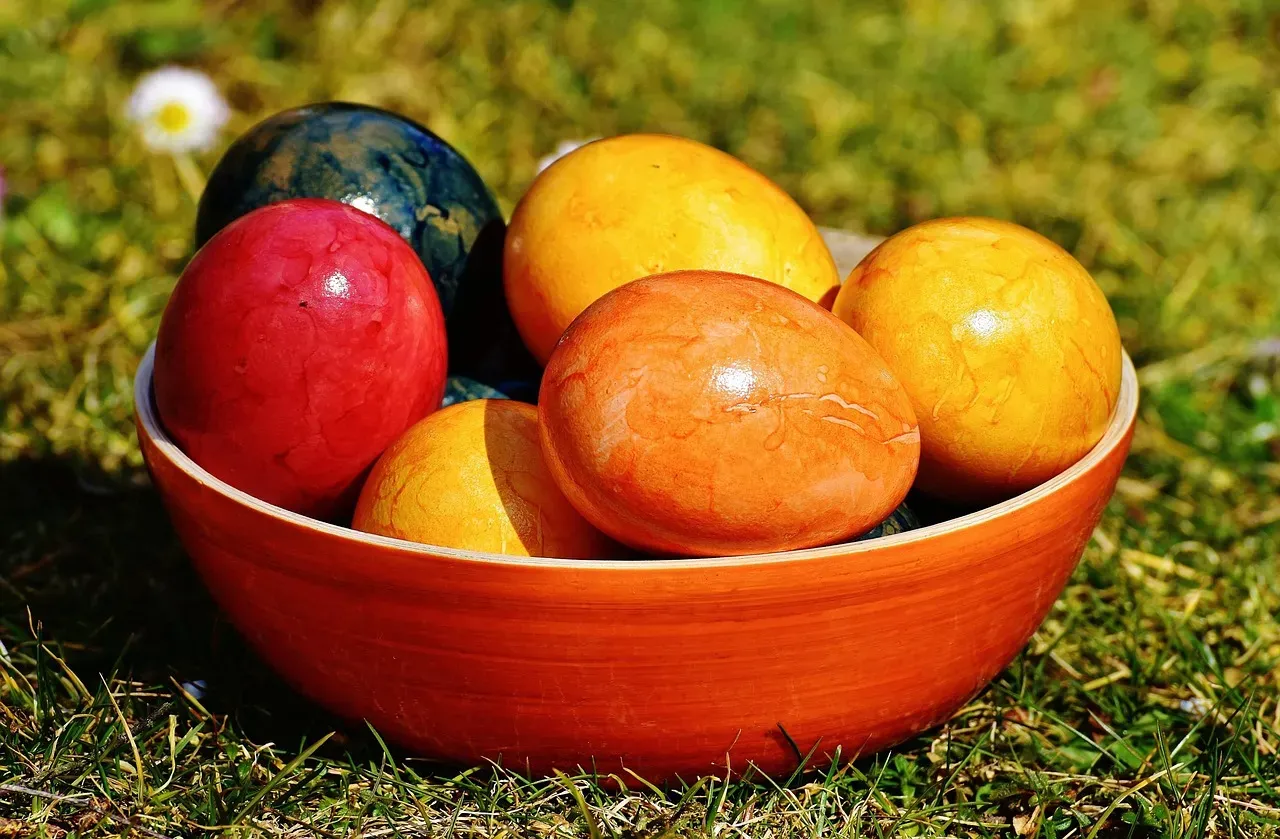
More than 36,000 food products sold in the U.S. contain Red 40 according to the Department of Agriculture’s branded foods database, and it’s by far the most used dye measured by pounds consumed. Those neon hues in your favorite candies, cereals, and drinks didn’t come from nature. Democratic Assemblymember Jesse Gabriel introduced California legislation after a state report linked consuming synthetic food dyes to hyperactivity and neurobehavioral problems in certain children, and other studies have also shown some of the dyes to be carcinogenic.
What’s troubling is how long these dyes have been around without proper review. Red 40 has not been evaluated for health risks since 1971, and many studies show it may pose a risk to brain development in children, hyperactivity and even cancer. Meanwhile, families continued feeding these products to their kids every single day, unaware of the potential consequences.
California signed a bill into law on September 28, 2024, banning food companies from using six food dyes including Red 40, Yellow 5, Yellow 6, Green 3, Blue 1, and Blue 2 in products sold in California public schools, and companies have until the end of 2027 to remove these ingredients. The move came after mounting evidence that regulators could no longer ignore.
Palm Oil: The Hidden Ingredient Destroying Forests
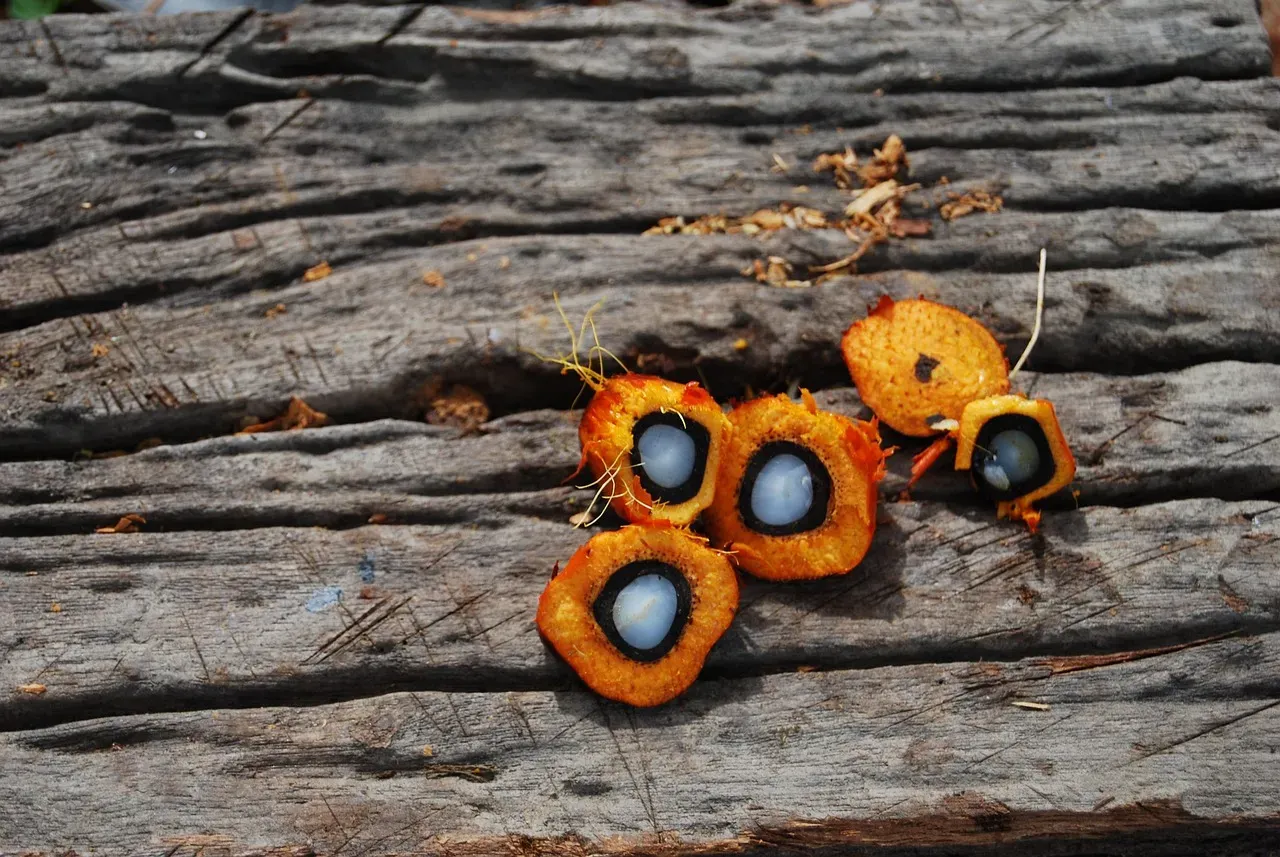
You probably never spotted palm oil on ingredient lists when you were young. Honestly, most adults still don’t know how prevalent it is. Palm oil is in nearly everything, appearing in close to 50% of the packaged products found in supermarkets, from pizza, doughnuts and chocolate to deodorant, shampoo, toothpaste and lipstick. It’s used because it’s incredibly versatile and dirt cheap compared to alternatives.
The environmental cost is staggering though. Palm oil has been and continues to be a major driver of deforestation of some of the world’s most biodiverse forests, destroying the habitat of already endangered species like the Orangutan, pygmy elephant and Sumatran rhino. Those cute cartoon characters on snack packages never mentioned that producing their ingredients was wiping out entire ecosystems halfway around the world.
The 2024 Palm Oil Buyers Scorecard by WWF reveals a sobering truth that palm oil buyers are yet to step up to the challenge, leaving the fate of our planet hanging in the balance, emphasizing the need for bold transformative measures for a sustainable future. Despite corporate promises, deforestation linked to palm oil continues unabated in many supply chains that feed major snack brands.
Preservatives: Extending Shelf Life, Reducing Nutrition
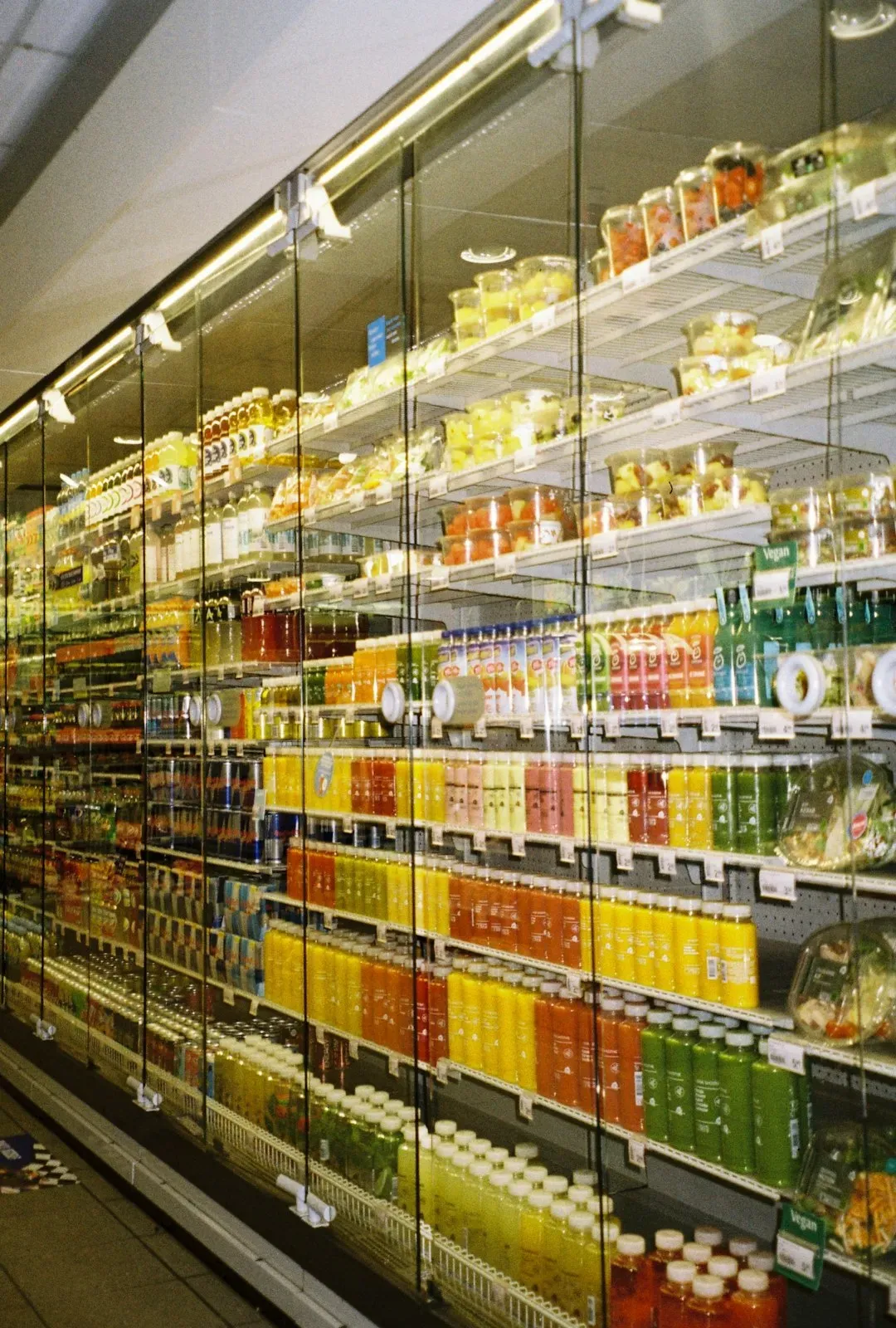
Ever wonder why your childhood snacks could sit in the pantry for months without going bad? Chemical preservatives made that possible. There is an urgent need to increase the density of priority micronutrients in diets, and while fortifying staple foods with priority micronutrients is important, it does not fully replicate inherently nutrient-dense foods and their health effects, with obtaining adequate micronutrients from minimally processed foods having additional benefits beyond fortification.
The trade-off between shelf stability and nutritional value is real. In the last sixty years there has been an alarming decline in food quality and a decrease in a wide variety of nutritionally essential minerals and nutraceutical compounds in imperative fruits, vegetables, and food crops, with potential causes identified worldwide as chaotic mineral nutrient application, preference for less nutritious cultivars, use of high-yielding varieties, and agronomic issues associated with a shift from natural farming to chemical farming. Processed snacks prioritize longevity over nutrient density, which means kids were getting plenty of calories but not much else.
When preservation becomes the priority, nutritional quality takes a back seat. The compounds that keep snacks fresh for months simultaneously reduce the vitamins and minerals that growing bodies desperately need.
Marketing Magic: When Labels Hide the Truth
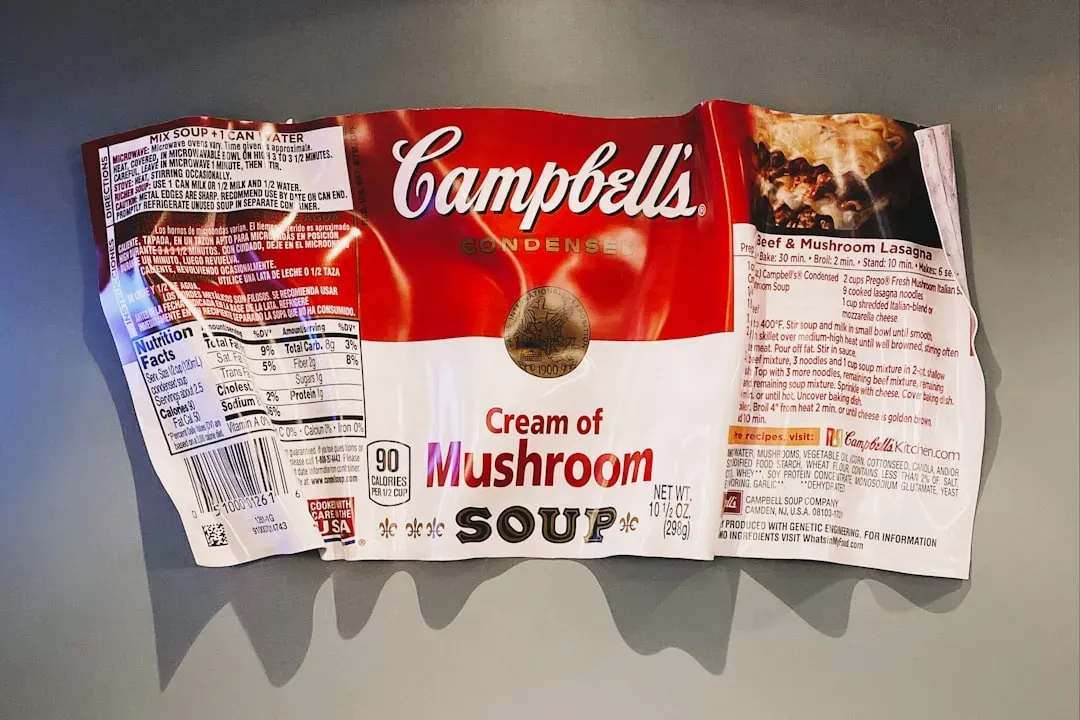
Front-of-package claims have always been designed to catch your eye, not tell the whole story. The bright “made with real fruit” stickers or “good source of calcium” badges often obscure what’s really inside. Ingredient lists can stretch longer than a grocery receipt, filled with chemical names most people can’t pronounce, let alone understand.
Food companies have mastered the art of making ultra-processed products appear wholesome. A cartoon bee on honey-flavored cereal doesn’t mean there’s actual honey in meaningful amounts. Natural flavoring sounds harmless, yet it can encompass dozens of synthetic compounds created in labs to mimic real food.
The disconnect between marketing and reality continues to widen. Parents trying to make healthier choices often rely on these misleading front labels rather than scrutinizing the fine print where the truth actually lives. It’s hard to say for sure, but this might be one of the biggest barriers to genuinely improving childhood nutrition.
Emulsifiers and Gut Health: An Emerging Concern
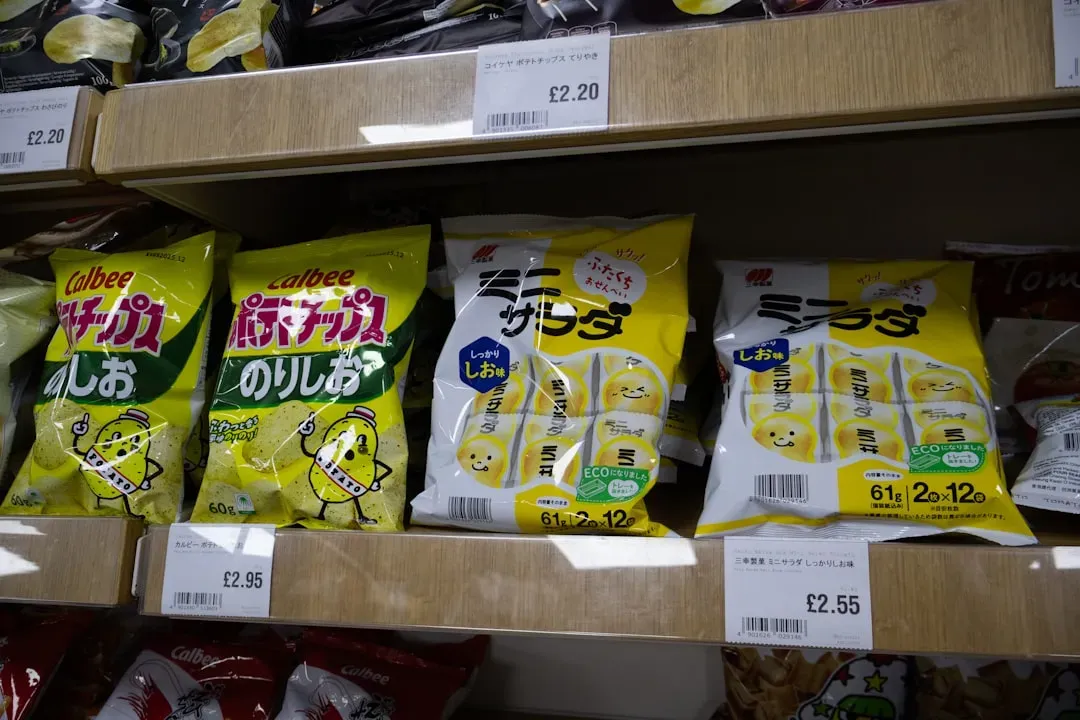
Snack foods need to stay perfectly blended, which is where emulsifiers come in. These additives keep oil and water from separating, ensuring your favorite treats have that consistent texture every time. Recent research has raised some eyebrows about what these compounds might be doing to our digestive systems over the long haul.
Studies suggest certain emulsifiers commonly used in packaged snacks may disrupt the delicate balance of gut bacteria when consumed regularly in large amounts. The microbiome plays a crucial role in everything from immune function to mood regulation, so messing with it isn’t exactly ideal.
Let’s be real, nobody was thinking about gut health when reaching for a package of cookies in 1995. The science simply wasn’t there yet. Now we’re beginning to understand that those innocent-looking ingredient lists might have been affecting our bodies in ways we’re only starting to uncover.
Portion Sizes: When “Single Serve” Became Supersized
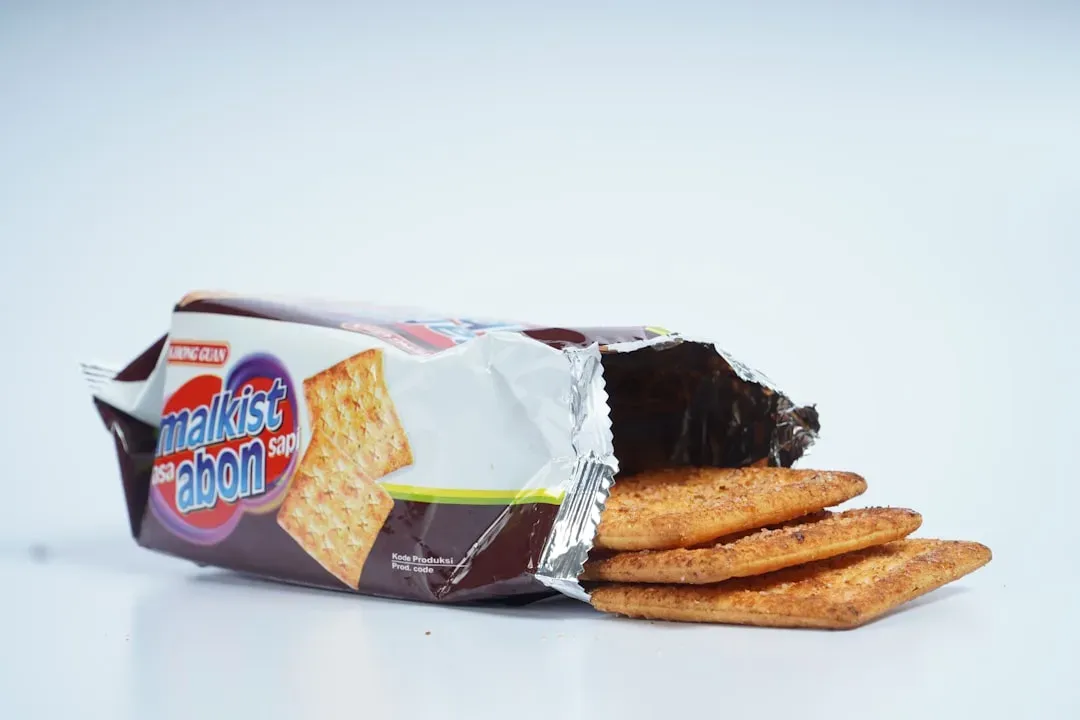
Remember when candy bars fit comfortably in your hand? Those days are long gone. Among youth, children ages 1 to 5 years consumed fewer calories from ultra-processed foods at 56.1% than youth ages 6 to 11 at 64.8% and 12 to 18 years at 63.0%. Portion creep happened gradually enough that most people didn’t notice snacks getting bigger and bigger over the decades.
Standard serving sizes listed on nutrition labels often bear little resemblance to what people actually consume in one sitting. A bag of chips might technically contain two and a half servings, though practically everyone eats the whole thing. This sleight of hand makes the calorie and sodium counts look far more reasonable than they really are.
Snack manufacturers figured out that bigger portions sell better, regardless of health implications. What used to be a treat became a meal replacement, dramatically increasing daily intake of sugar, salt, and additives without anyone really intending it.
Regulatory Pressure: Change Driven by Law, Not Choice

Food companies rarely reformulate products out of the goodness of their hearts. The FDA concluded that most children have no adverse effects when consuming food containing color additives but some evidence suggests that certain children may be sensitive to them, and last year California lawmakers banned harmful food additives in the California Food Safety Act, with the FDA following suit in the summer of 2024 banning brominated vegetable oil from use in U.S. food and drinks due to toxicity concerns. Regulatory changes force manufacturers to act when consumer pressure alone won’t move the needle.
After the state banned brominated vegetable oil used mostly in some sodas as part of its California Food Safety Act in October 2023, the US Food and Drug Administration revoked the regulation for its use nine months later. This pattern repeats itself: a state takes action, manufacturers realize it’s easier to reformulate nationwide than maintain separate product lines, and eventually federal regulators catch up.
The snacks you ate as a kid contained ingredients that are now being phased out, not because companies suddenly developed a conscience, but because laws forced their hand. It makes you wonder what currently approved additives will be banned a decade from now.
Consumer Awareness: The Slow Shift Toward Cleaner Labels
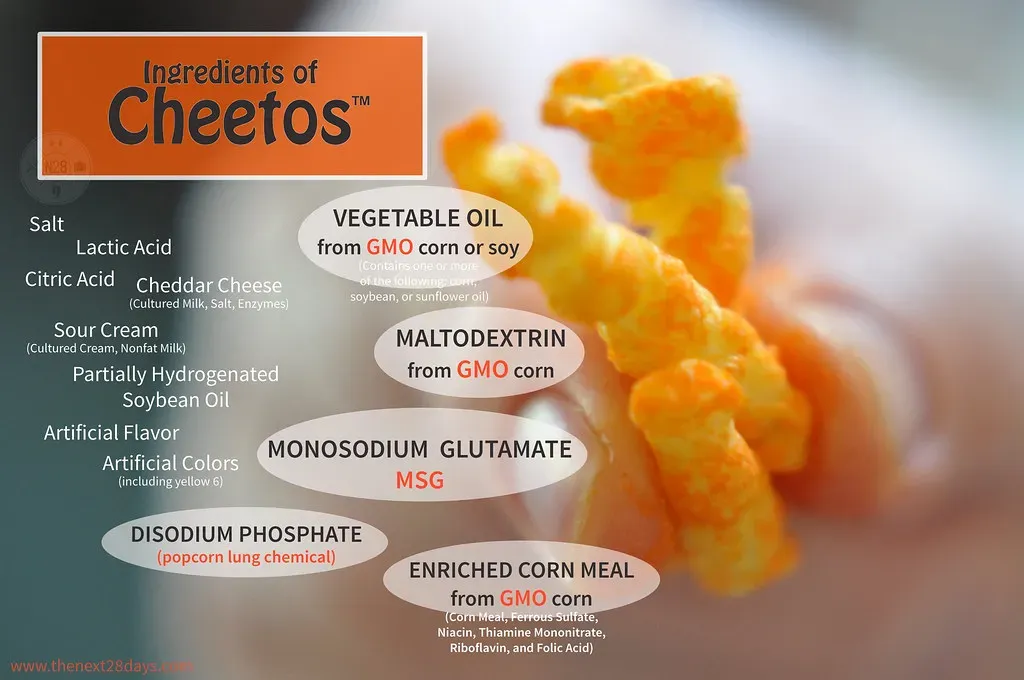
Parents today scrutinize ingredient lists in ways previous generations never did. Social media has amplified concerns about food additives, artificial colors, and mystery ingredients lurking in seemingly innocent products. This growing awareness is slowly reshaping what manufacturers put in snack foods.
Companies have started responding to this pressure by introducing “cleaner” product lines, removing artificial dyes and switching to natural alternatives. In August 2016, McDonald’s announced it would be replacing all HFCS in their buns with sucrose and would remove preservatives and other artificial additives from menu items, with senior vice president Marion Gross stating consumers don’t feel good about high-fructose corn syrup, and over the early 21st century other companies such as Yoplait, Gatorade, and Hershey’s also phased out HFCS while companies like PepsiCo and Heinz released products using sugar in lieu of HFCS.
The shift remains incomplete and inconsistent though. Premium organic versions cost significantly more, creating a two-tiered system where wealthier families can afford better ingredients while others continue consuming the same problematic formulations from decades past. Economic inequality extends even to something as basic as childhood snacks.
We’re living through a transitional moment where awareness is rising but systemic change lags behind. The snacks your kids eat today are marginally better than what you had, though they’re still far from what nutrition experts would consider ideal. Did you expect that?