

Ever feel like your grandkids are speaking a different language? You’re not imagining it. The words they throw around might sound like gibberish, some mashup of internet nonsense and sounds that barely qualify as English. Honestly, it can feel alienating, like they’re existing on a completely different wavelength.
Yet beneath this confusing new vocabulary lies something important: connection, identity, and the timeless act of young people claiming their space in the world through language. Learning a few key terms won’t make you fluent in teen speak, but it might just help you understand what they’re really saying. Let’s dive in.
Why Slang Changes So Fast Today
The internet age has accelerated how quickly words are coined and become part of mass culture. In the past, slang might have spread through music or local communities over years. Now? A spike in usage on TikTok can prove that words evolving from internet culture are increasingly becoming part of daily vocabulary.
Think about it. Your grandchildren scroll through hundreds of videos daily. Each one introduces new phrases, jokes, and references. Within weeks, a term can explode globally.
Many popular slang terms attributed to Gen Z or TikTok actually stem from African American Vernacular English (AAVE). This rich linguistic tradition has shaped mainstream slang for generations, contributing terms that eventually enter everyone’s vocabulary.
Rizz: The New Word for Charm

Rizz, short for charisma, has come to mean style, charm, or attractiveness, especially in romantic contexts. Oxford University Press named rizz its word of the year for 2023, which tells you just how mainstream this once-niche term has become.
The word originated on the streaming platform Twitch and was first used by influencer Kai Cenat. If your grandson says someone “has rizz,” he means they’re effortlessly charming. No rizz? That person struggles to impress anyone romantically.
The term even works as a verb. Someone might “rizz up” another person, meaning they’re turning on the charm. It’s quirky, sure, but it captures something specific about flirtation that older words like “smooth” never quite managed.
Slay: Nailing It in Style

When your granddaughter says “you slayed that,” she’s giving you a massive compliment. Slay means doing something extremely well, whether it’s a performance, a look, or just showing up with confidence.
Picture this: she posts a photo online and her friends comment “slay queen!” They’re celebrating her for looking amazing or being bold. The term has roots in ballroom culture and LGBTQ+ communities before spreading widely.
Here’s the thing. Slay isn’t just about external achievement. It’s about owning your moment, radiating confidence, and making it look easy. When teens use this word, they’re acknowledging effort and results in one punchy syllable.
No Cap: Speaking the Truth

Cap is short for lying, so no cap essentially means no lie or being completely truthful. When kids add “no cap” to a statement, they’re emphasizing they’re being genuine.
Say your grandson tells you “that movie was fire, no cap.” He’s stressing that he really, truly loved it. The phrase adds weight to what might otherwise sound like casual enthusiasm.
On the flip side, if someone’s “capping,” they’re lying or exaggerating. The term traces back through Black slang and hip hop culture, where “to cap” has meant to boast or lie for decades. Now it’s everywhere, from text messages to dinner table conversations.
Bussin: When Something’s Really Good

Similar to lit, if something’s bussin it’s great and things that are bussin are the best. This word most commonly describes food that tastes incredible, though teens apply it to anything impressive.
Imagine serving your famous lasagna and hearing “Grandma, this is bussin!” That’s genuine praise wrapped in modern vocabulary. The term feels enthusiastic and immediate.
Derived from African American Vernacular English, some have complained that Gen Z has taken this term from its cultural context without acknowledgment. It’s worth remembering that language doesn’t emerge from nowhere. Many popular slang words have deep cultural roots.
Delulu: Charmingly Delusional

Delulu means delusionally optimistic, a clipped, cute version emphasizing fun denial. When teens call themselves delulu, they’re admitting they’re holding onto unrealistic hopes, usually about relationships or celebrity crushes.
Your granddaughter might say “I know he’s never texting back but I’m delulu.” She’s self-aware enough to recognize her wishful thinking while embracing it anyway. There’s humor in the admission.
The term reflects how younger generations process emotions openly, mixing irony with genuine feeling. They’re not afraid to laugh at themselves, which honestly feels refreshing compared to trying to appear serious all the time.
Skibidi: The Nonsense Term That Conquered Gen Alpha

Let’s be real. This one’s weird. Skibidi has no specific meaning as a slang term and became an inside joke from the YouTube web series Skibidi Toilet, now randomly used by children and teens.
The animated series depicts a dystopian world where mobile toilets with human heads battle humanoids with cameras for heads, becoming popular with Gen Alpha and the youngest Gen Z by 2024. Yeah, you read that right.
If you’re confused, join the club. Even many millennials don’t understand skibidi. It represents pure absurdist humor and internet randomness. Sometimes slang isn’t about meaning at all, it’s about shared cultural moments, however bizarre.
Aura: Your Coolness Points

Like the traditional definition, aura is used to compliment someone’s ability, perceived power, or sense of coolness and mystery, becoming popular in sports communities on Twitter in 2023. But teens have gamified it.
Aura points measure your coolness or charisma, and certain actions can boost or drop your score. Do something impressive? You gain aura points. Something embarrassing? You lose them.
The concept turns social dynamics into a playful ranking system. It’s tongue in cheek, mostly, though it reflects how teens are constantly aware of social perception in the digital age. Every action potentially affects your reputation.
Chopped: The Harsh Judgment

Chopped, with 59,000 searches, is a synonym commonly used on TikTok for someone ugly or unattractive, the opposite of terms like ate and served. This one’s not particularly kind.
When teens say someone looks “chopped,” they’re being blunt about appearance. It can also refer to getting hung out to dry in one way or another, like being let down by friends or left in an awkward situation.
Language around appearance can be brutal online. While it’s important to understand these terms, it’s equally important to talk with grandkids about kindness and the impact of harsh words, even when they’re just slang.
Why Understanding Their Language Matters

Slang shapes intergenerational dynamics and communication patterns, reflecting and reinforcing changing social norms and values. When you make an effort to learn a few key words, you’re showing respect for your grandchildren’s world.
The impact on intergenerational communication is a complex interplay of identity and power, with slang serving as a sophisticated social tool constantly shaped by human experience. It’s not just silly words. It’s how young people define themselves.
Research suggests that shared language fosters connection. You don’t need to pepper every sentence with “rizz” and “no cap,” which would probably make everyone cringe anyway. Just understanding what they mean when they use these words can reduce misunderstandings and help conversations flow more naturally. That matters more than you might think.
Finding the Balance
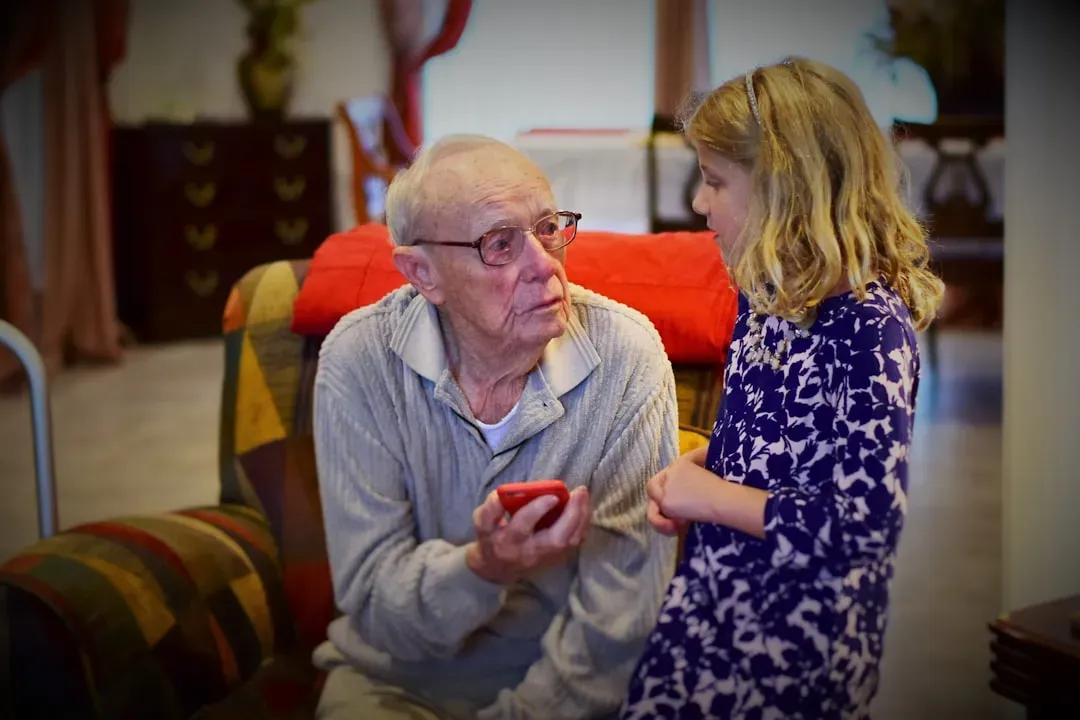
Here’s the thing. You shouldn’t try to sound exactly like your grandkids. That rarely works and often comes across as trying too hard. What works better? Curiosity without judgment.
Ask them what words mean. Let them be the experts. Teens actually love explaining their world when adults approach it with genuine interest rather than criticism. It creates opportunities for connection.
One hallmark of slang is that it’s ephemeral, and once elevated to official recognition like word of the year status, it may lose appeal and fall out of use since it no longer serves the function of group identity. By the time you’ve mastered this year’s terms, they might already feel outdated. That’s okay. The effort itself shows you care about staying connected across generational divides, and honestly, that matters far more than getting every word right.
So what do you think? Ready to decode a few more conversations at the dinner table?