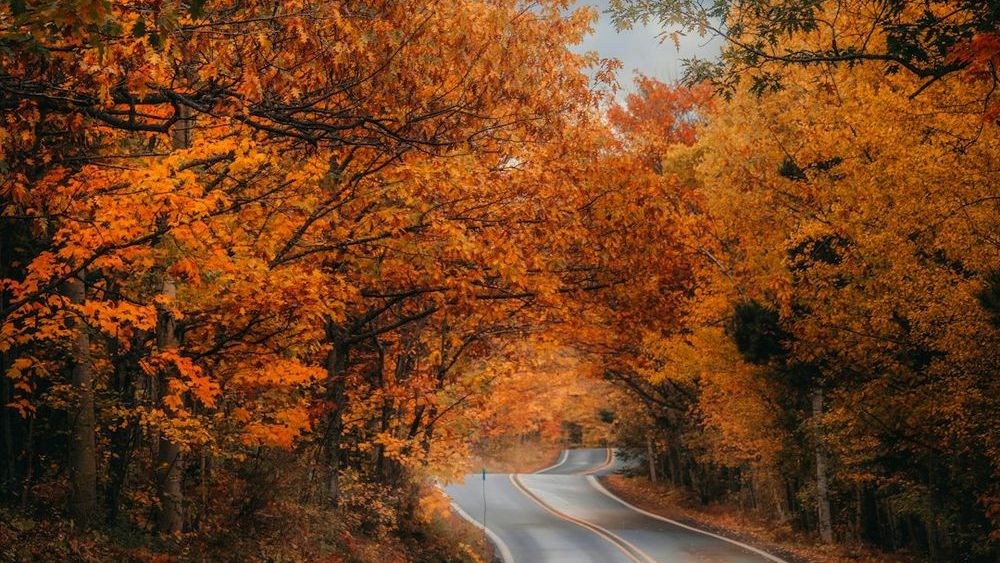

Foliage Isn’t Just for New England Anymore
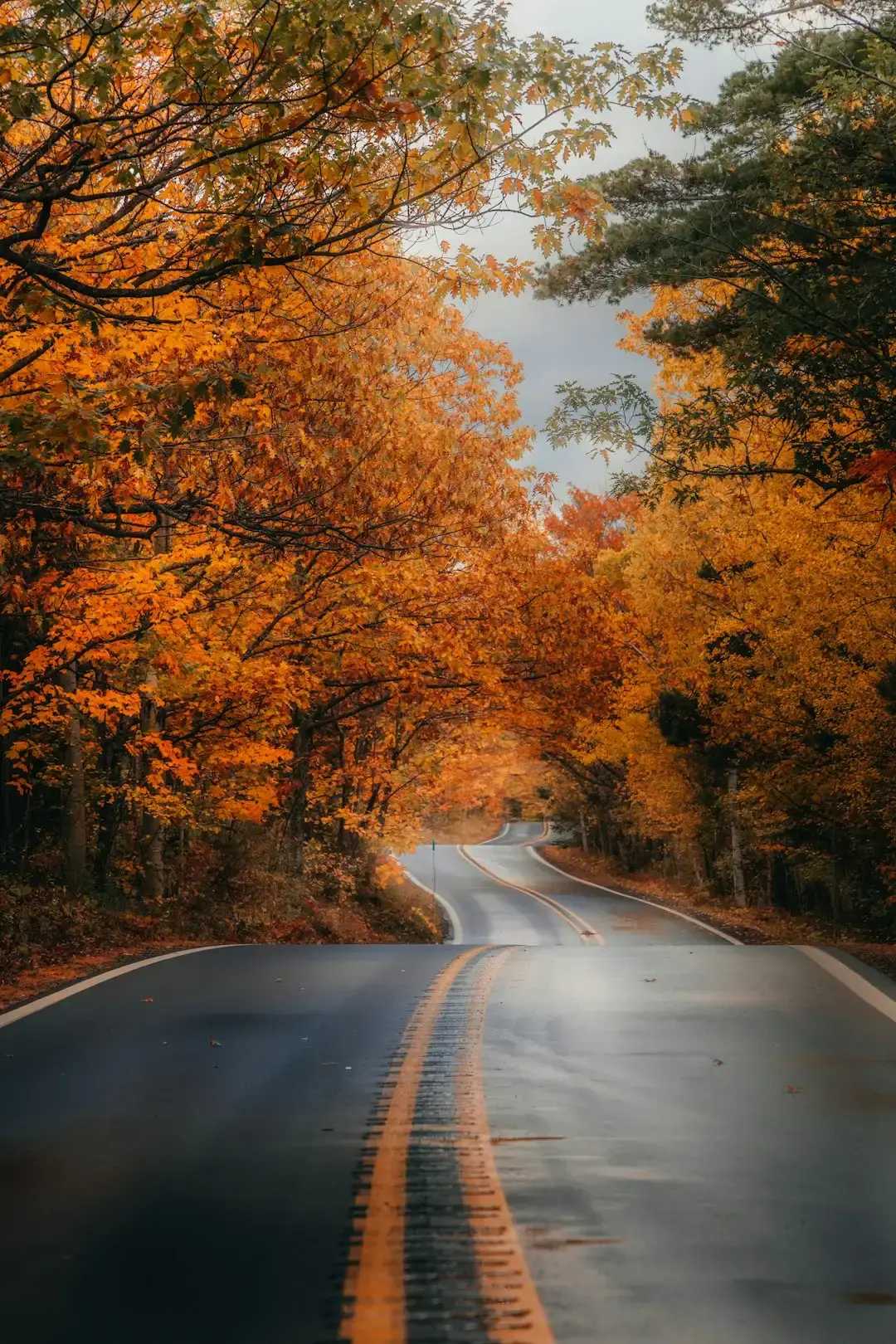
Here’s the thing most people don’t realize. The U.S. Forest Service confirms that fall foliage appears across every U.S. region with deciduous trees, from the Appalachian Mountains to the Gulf Coast, spanning over 13 million acres across 13 national forests in the Southern Region alone. While everyone flocks to Vermont and New Hampshire, gorgeous autumn displays light up the Midwest, Pacific Northwest, and even parts of the South. Let’s be real, the hype around Northeast foliage has overshadowed some truly spectacular spots that might be sitting right in your backyard.
Your Local Mountains Hold Colorful Secrets
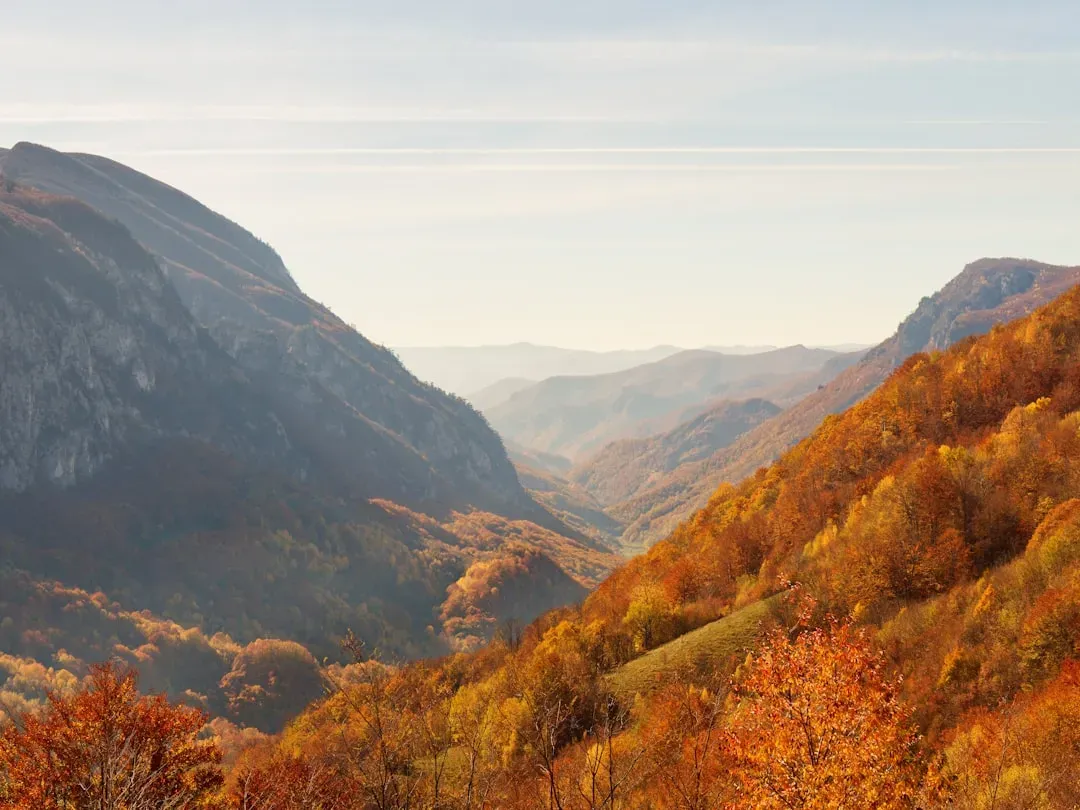
Day length and dropping temperatures signal trees to prepare for winter, with northern latitude trees beginning this process as early as late July. What makes this fascinating is how elevation changes everything. Higher elevation trees reveal their colorful canopy earlier because they’re further north or at greater heights. That mountainous region an hour from your city might peak weeks before the lowlands, creating hidden pockets of brilliance that tourists completely miss.
Tree Variety Creates Nature’s Best Paint Palette
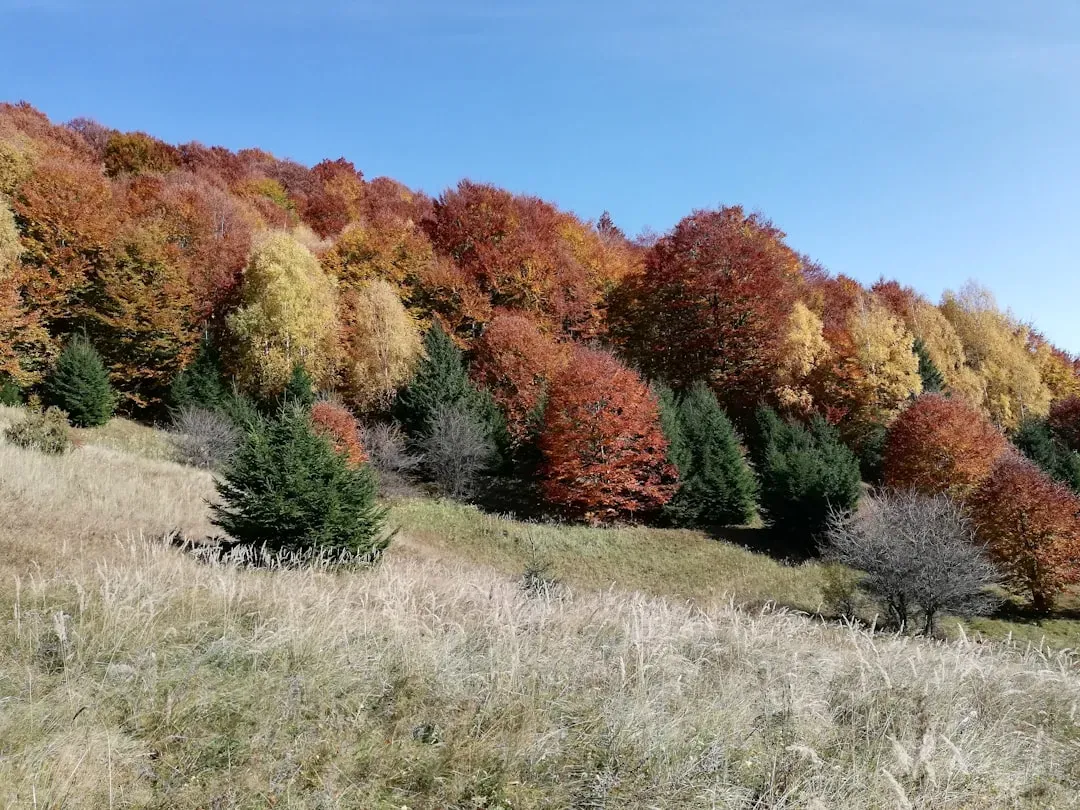
Forests with greater species diversity put on the most impressive shows. Think about it like this: a forest with only one tree type is like a symphony with one instrument. The rate at which color change occurs varies amongst tree species, making it difficult to pinpoint a single peak, with different trees displaying different colors that give each region its own unique display. Areas mixing maples, oaks, birches, and aspens produce waves of changing color rather than one brief moment.
I honestly think this is why some lesser-known spots outshine famous destinations.
Climate Shifts Are Rewriting the Foliage Calendar
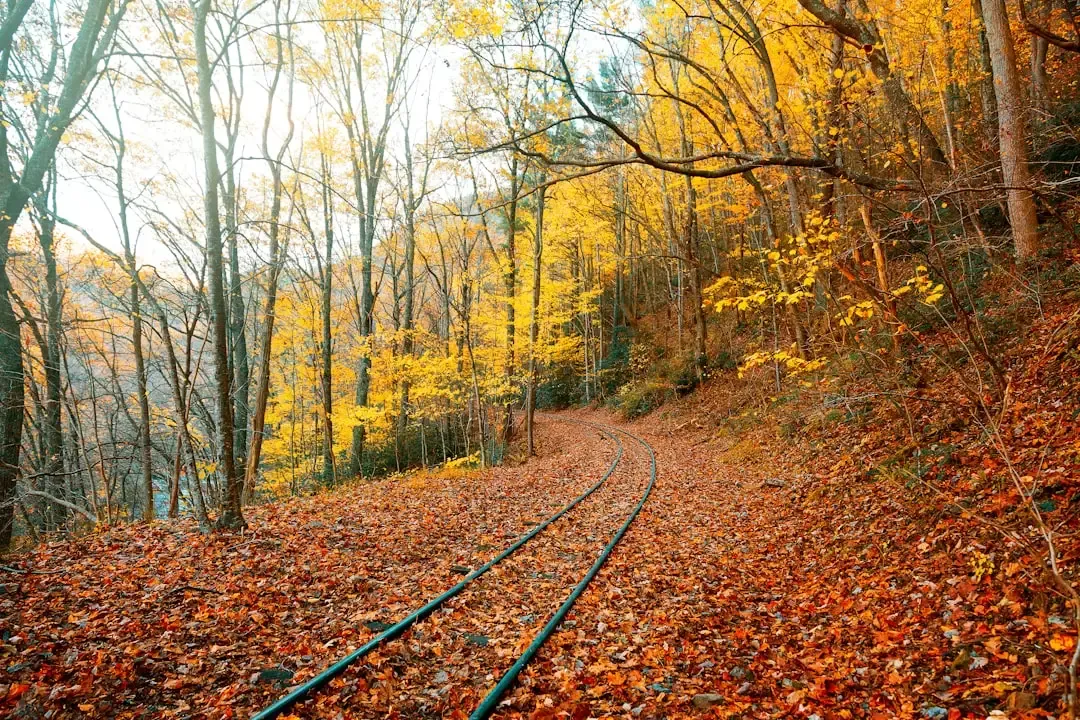
Climate change has delayed fall foliage by roughly a week since experts started monitoring it in the mid-20th century. Warmer temperatures are pushing peak color later into autumn in many regions. Reports from the Fall Foliage Network indicate that fall colors peaked later than usual in the Mid-Atlantic and parts of the Northeast recently, with warm and wet conditions delaying the color change, whereas typically the central Appalachians peak in mid-to-late October. Some cooler microclimates within states, though, are producing more intense colors than ever before, creating unexpected hotspots.
State Parks Are Fall’s Best Kept Secret
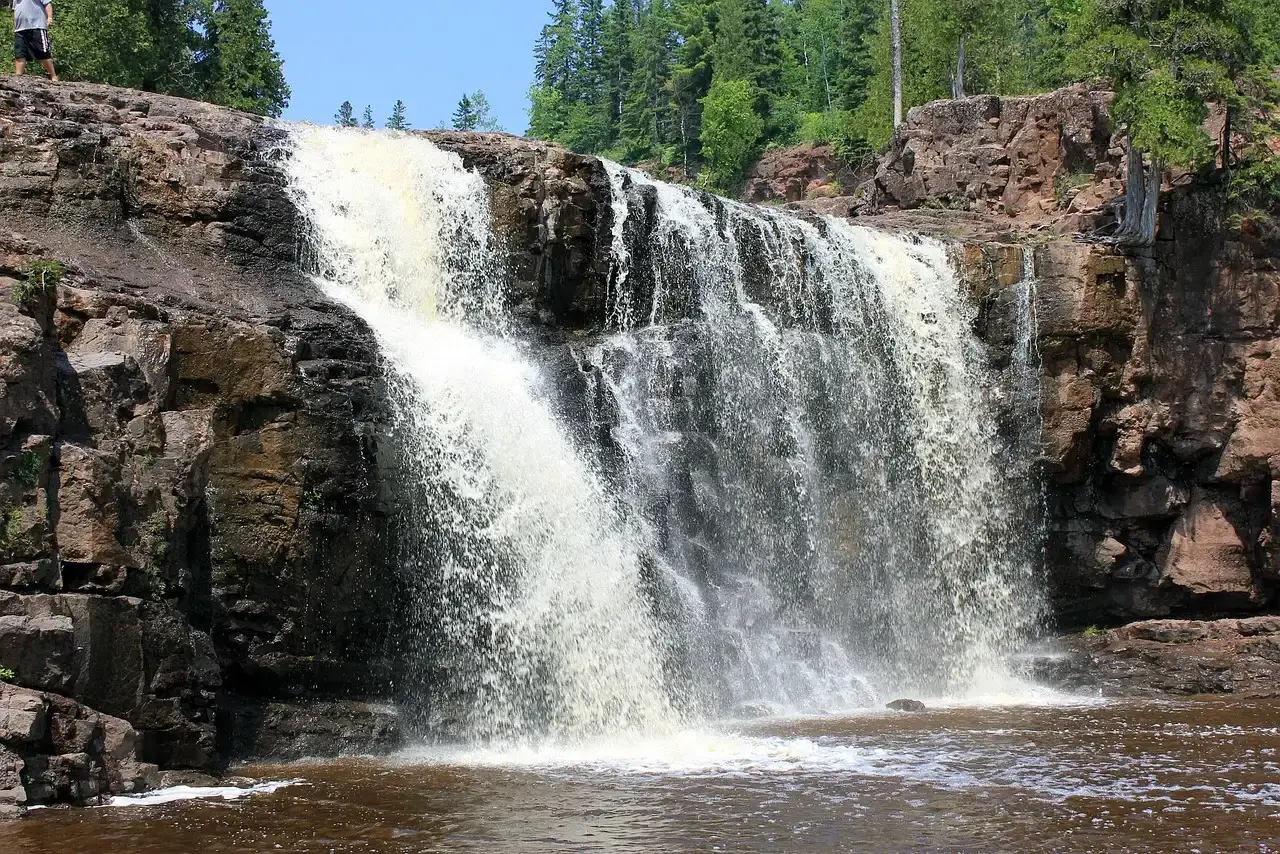
While national parks get all the attention and traffic jams, state parks offer comparable autumn beauty with a fraction of the crowds. The difference in visitor numbers is staggering. Fall foliage-related tourism generates some $8 billion in New England annually according to the National Park Service. Yet state parks throughout the country showcase similar quality displays without the chaos. You’re more likely to find parking, enjoy peaceful trails, and actually experience nature instead of battling selfie stick crowds.
City Trees Put On Their Own Spectacular Show
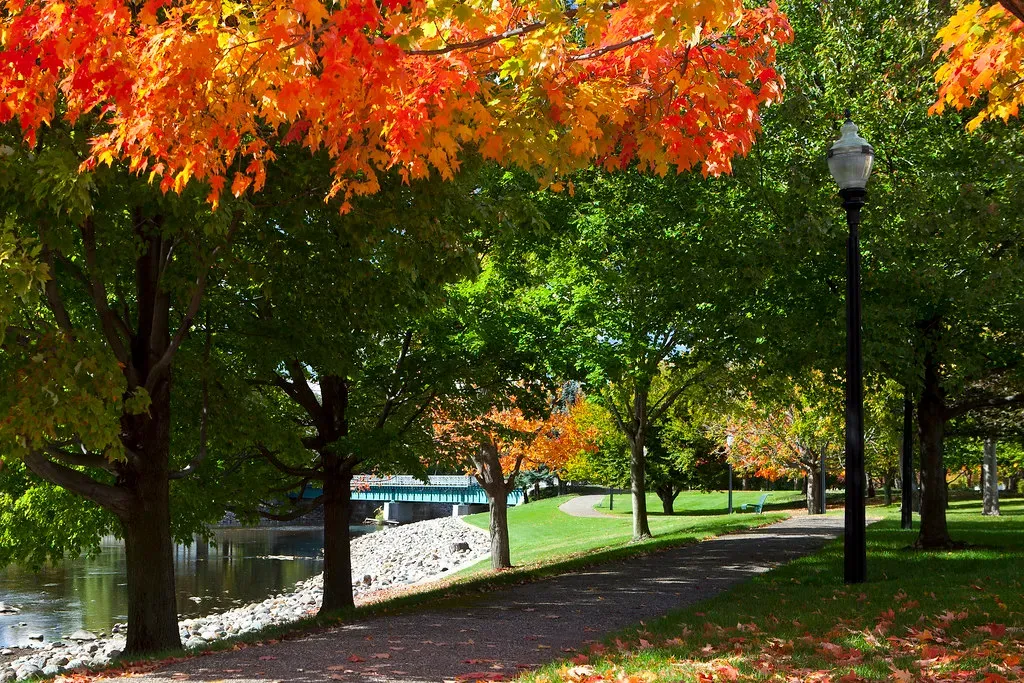
Urban fall foliage often gets overlooked entirely, which is honestly kind of crazy. Cities deliberately plant diverse tree species in parks, along streets, and in arboretums, creating managed displays that rival rural forests. These urban trees receive regular maintenance and careful watering, sometimes resulting in healthier specimens than their wild counterparts. Downtown greenways and botanical gardens become unexpected autumn wonderlands, accessible without any road trip required.
Water Features Amplify Autumn Colors
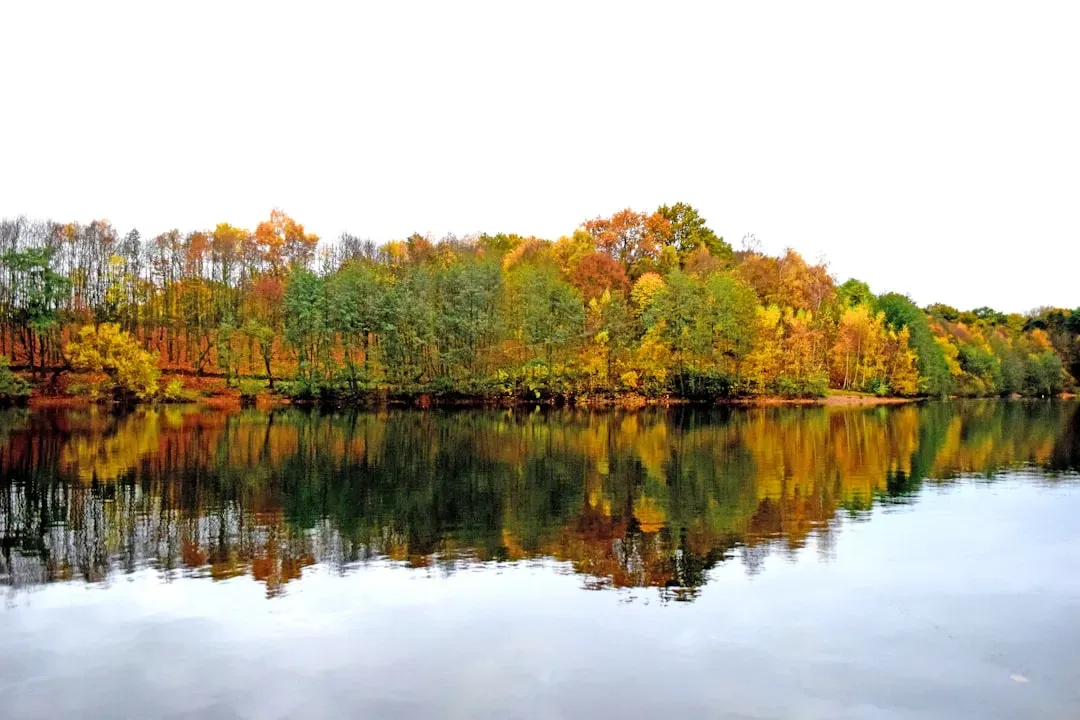
Western larch, cottonwood and alder produce golden and yellow foliage along rivers and wetlands, with trees near water like those around Mendenhall Glacier and the Stikine River Valley creating dramatic displays. Trees growing near lakes, rivers, and streams maintain better hydration throughout the growing season. This consistent water access leads to more intense pigmentation when autumn arrives. Any overlooked state park with a lake or river corridor likely harbors vibrant foliage that photos don’t do justice.
Marketing Gaps Leave Gorgeous Spots Unknown
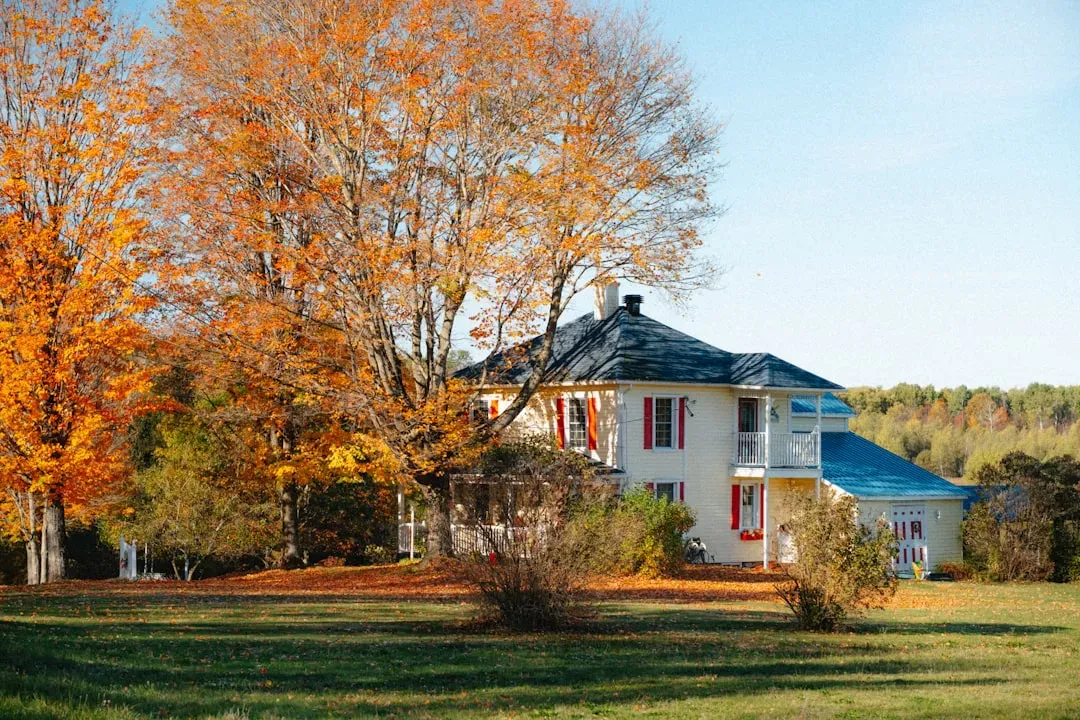
Tourism budgets matter more than you’d think. Well-funded destinations dominate travel magazines and social media feeds, while equally beautiful rural areas lack promotional resources. Small towns with stunning fall landscapes simply don’t have marketing departments competing for your attention. This creates a situation where some of the most breathtaking foliage locations remain virtually unknown outside their immediate region, waiting to be discovered by adventurous leaf peepers willing to explore beyond the obvious choices.
Public Lands Cover More Territory Than You’d Guess
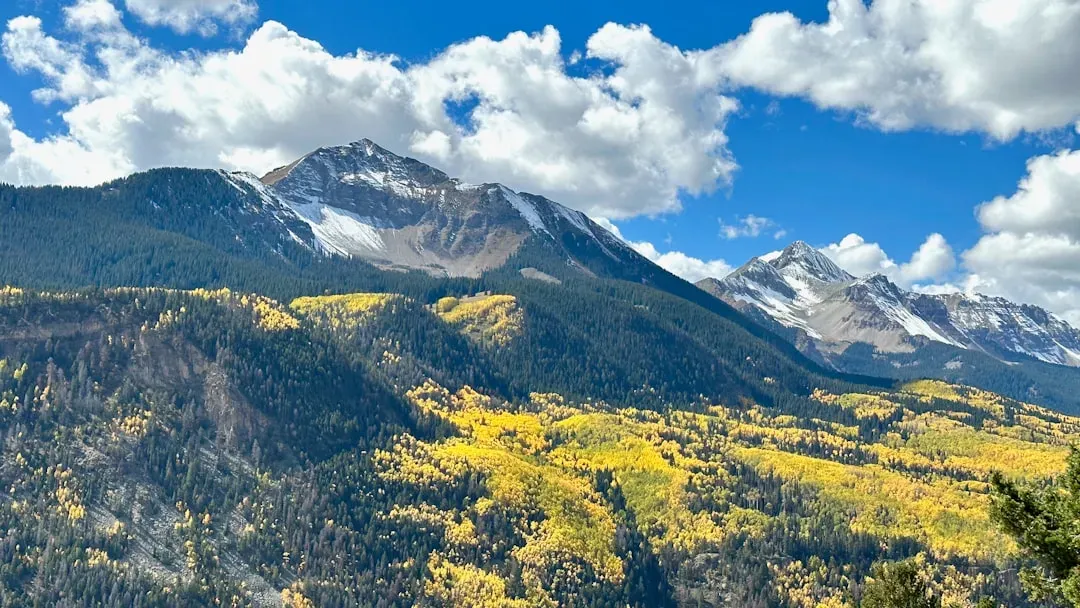
The Rocky Mountain Region’s 40 million acres includes 17 national forests and seven national grasslands where dramatic elevation changes and diverse ecosystems create vivid seasonal displays. With public lands comprising such extensive territory, the likelihood that your state contains hidden scenic areas increases dramatically. These accessible spaces offer everything from canyon drives to alpine lakes framed by golden aspens. Many remain underutilized simply because people assume the best foliage must be far away.
Peak Timing Varies Wildly Even Within One State
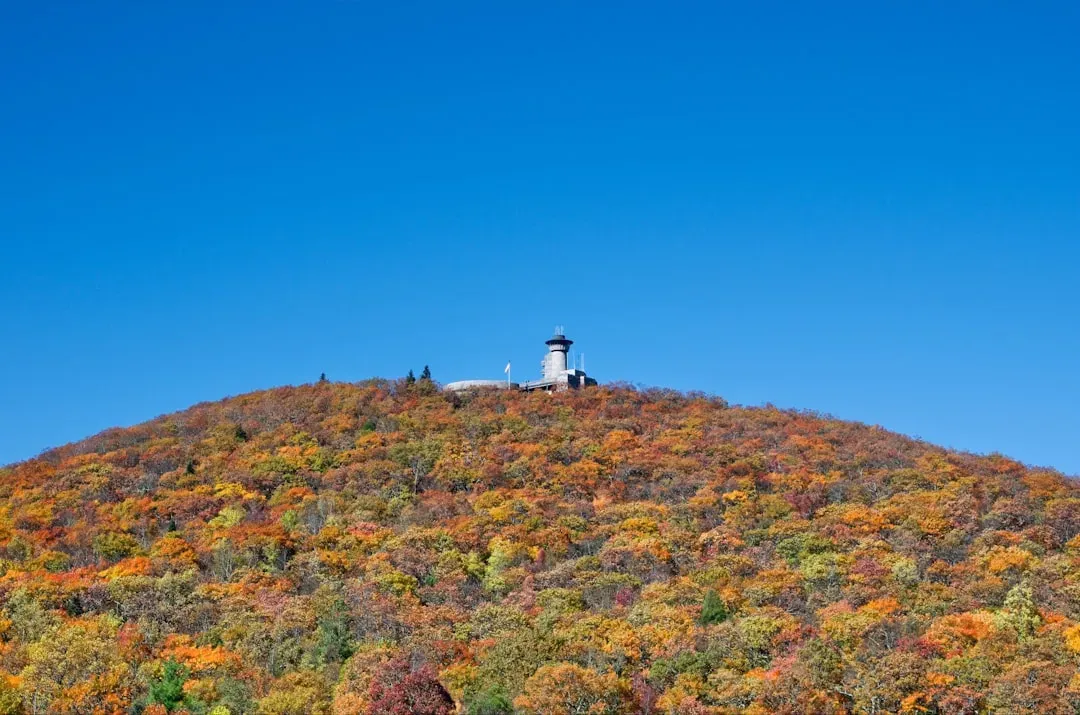
Peak color happens in the highest elevations first and works down to lower elevations, with color changes starting in late September and continuing into early November depending on elevation and weather, spreading the fall foliage show over a four to six week period. This means you could chase autumn colors across different elevations and microclimates without leaving your state. Northern counties might peak in early October while southern regions are still green. Coastal areas will lag behind inland mountains by several weeks. Your state likely contains multiple foliage seasons happening simultaneously, creating extended opportunities to witness peak color if you know where to look.
What hidden fall foliage spots have you discovered in your own state that rival the famous destinations?