
Ever wonder if you’re saying your favorite state’s name correctly? Turns out, a lot of us are getting it wrong. Some states have pronunciations that feel completely counterintuitive when you look at the spelling, while others have official rules that might surprise you. Let’s be real, nobody wants to be that person who mispronounces a state name and instantly gets called out by locals.
These pronunciation quirks often go back decades, sometimes even centuries, with roots in Native American languages, French explorers, Spanish colonizers, and plain old regional American accents. What makes it even more confusing is that some mispronunciations have become so common that they almost sound right. So let’s dive into the states where you might be making a mistake without even knowing it.
Arkansas: The State With a Legal Pronunciation
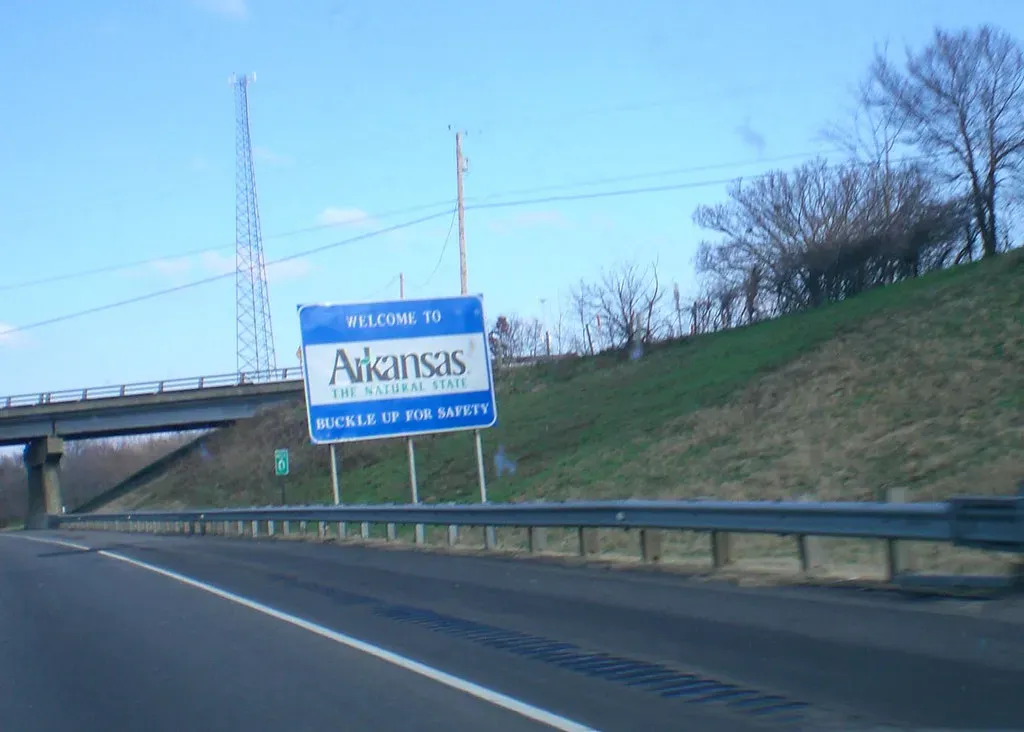
Arkansas has an official pronunciation backed by state law since 1881, when the General Assembly passed resolution 1-4-105 declaring that the state’s name should be spelled “Arkansas” but pronounced “Arkansaw.” The whole thing started because two senators couldn’t agree on how to say their own state’s name. One kept saying it like “Ar-KANSAS” while the other insisted on “ARkanSAW.”
The resolution specifies that it should be pronounced in three syllables, with the final “s” silent, the “a” in each syllable with the Italian sound, and the accent on the first and last syllables. So if you’ve been rhyming it with Kansas, you’re technically breaking a state resolution. Although it’s an actual law, there is no legal penalty for mispronouncing the name. Still, locals take it seriously enough that you’ll probably get some raised eyebrows if you mess it up.
Nevada: The Vowel That Divides a Nation
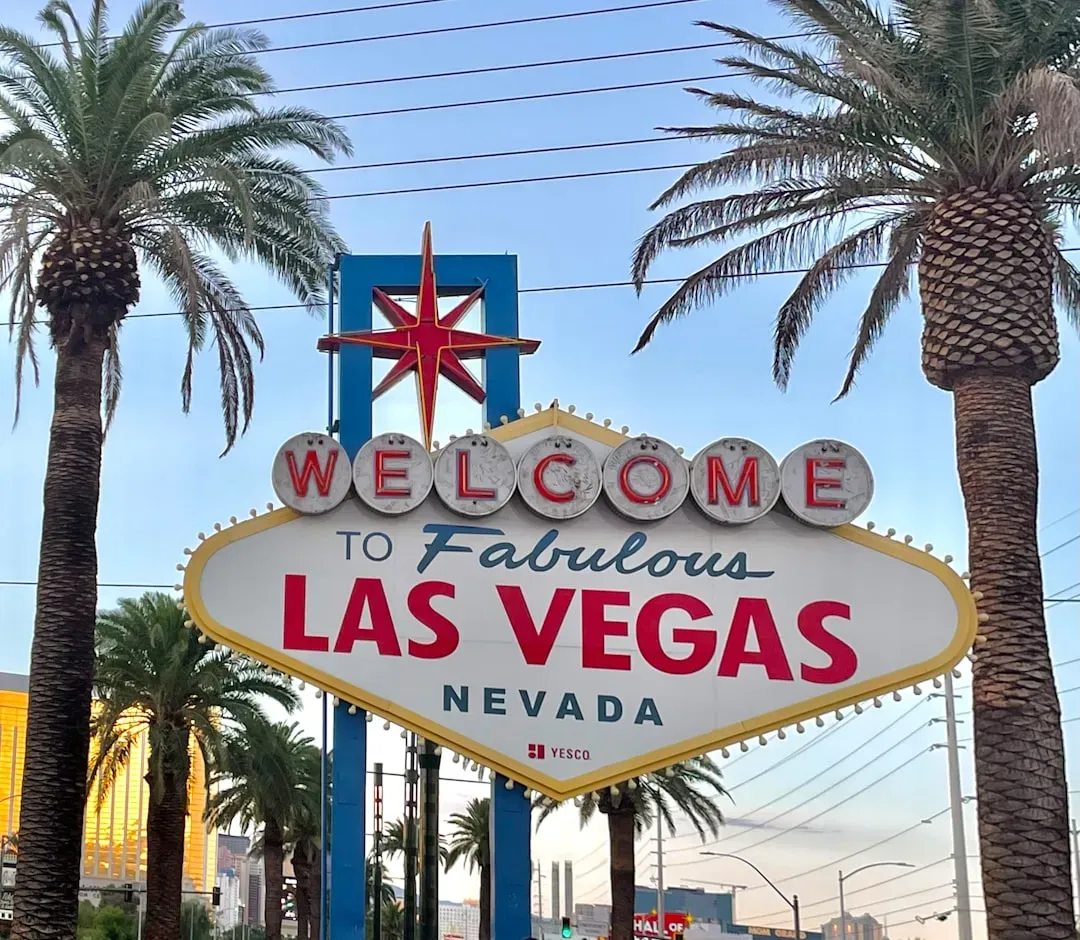
Nevada is pronounced “nuh-VAD-uh,” not “nuh-VAH-dah,” if you want to avoid boos from the locals. The middle syllable should rhyme with “mad” or “cat,” not “spa” or “father.” This is one of those pronunciation debates that flares up every election cycle when politicians visit the state and immediately reveal they’re outsiders.
University of Nevada in Las Vegas associate history professor Michael Green confirmed that Ne-VAD-uh is the standard pronunciation with locals, while saying Ne-VAH-duh will expose you as a foreigner to the state. The Nevadan pronunciation is the one used by the state legislature, and at one time the state’s official tourism organization stylized the name as “Nevăda,” with a breve over the a indicating the locally preferred pronunciation. Even though the name comes from Spanish and means “snow-capped,” residents have firmly Americanized the pronunciation.
Oregon: Not a Hexagon or Pentagon

According to the Oregon Tourism Commission, present-day Oregonians pronounce the state’s name as “or-uh-gun, never or-ee-gone.” The last syllable should sound like “gun” or “fun,” not “gone” or “bone.” It’s kind of like saying the word “organ” but with a little extra syllable in the middle.
This pronunciation is so important to Oregonians that former quarterback Joey Harrington actually handed out “Orygun” stickers to remind people how to say it properly. Everyone knows it’s “OR-uh-gun.” If you’re saying it any other way, you’re basically announcing to everyone within earshot that you’ve never actually been there.
Illinois: The Silent Letter Everyone Forgets
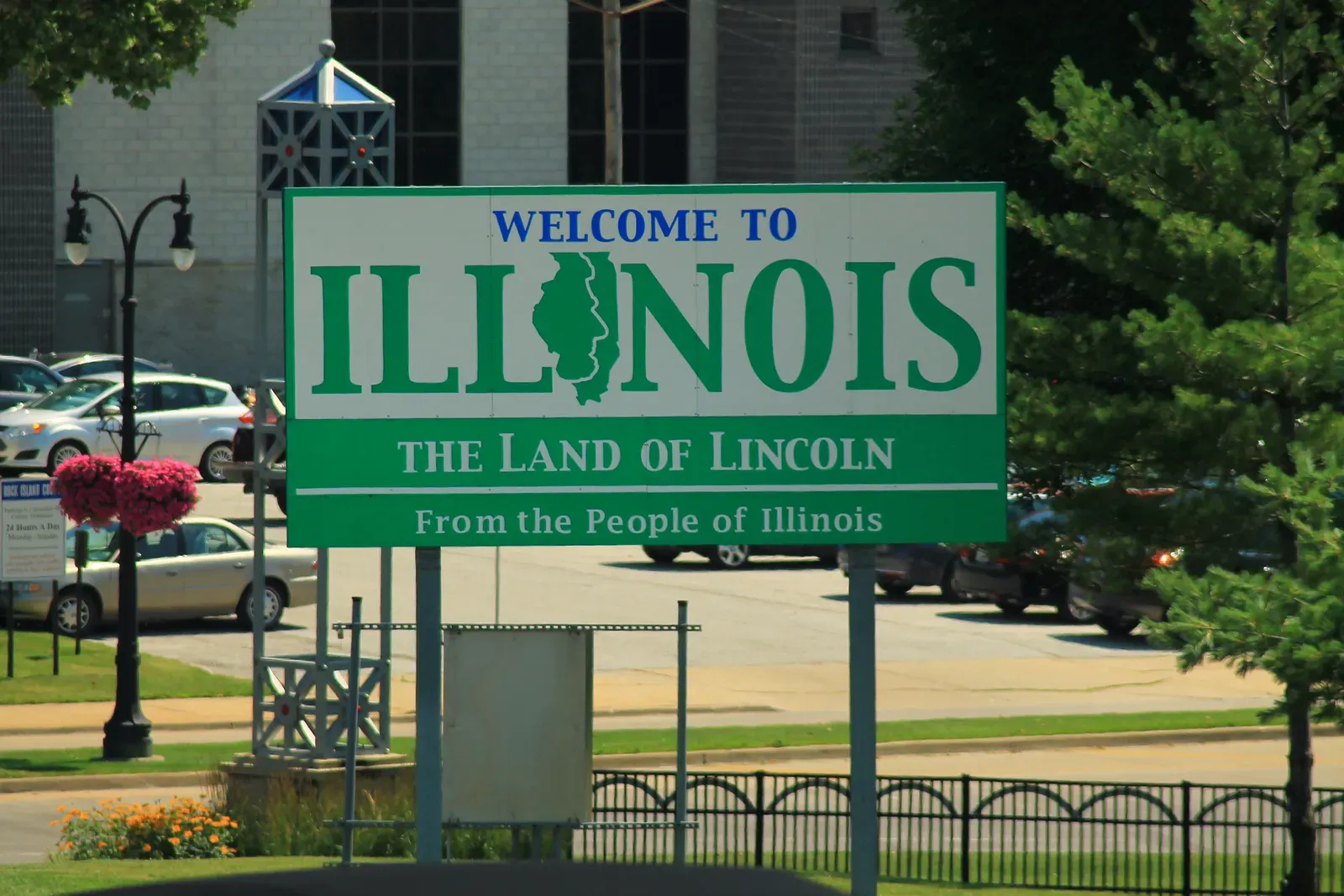
The proper way to pronounce Illinois is il-uh-NOY. That final “s” is completely silent, folks. The name Illinois has French origins, adapted from the Native American terms “iliniwek” and “irenwewa,” and following French grammar rules, the “s” is a silent addition to the state name.
If you’re saying “Illi-NOISE,” you’re definitely wrong. The emphasis should be on the final syllable, which sounds like “noy” as in “annoy.” Honestly, it’s hard to say for sure, but this seems like one of those things that should be obvious once you hear it correctly. The French influence is strong here, just like with Arkansas.
Iowa: Three Syllables, Not Two
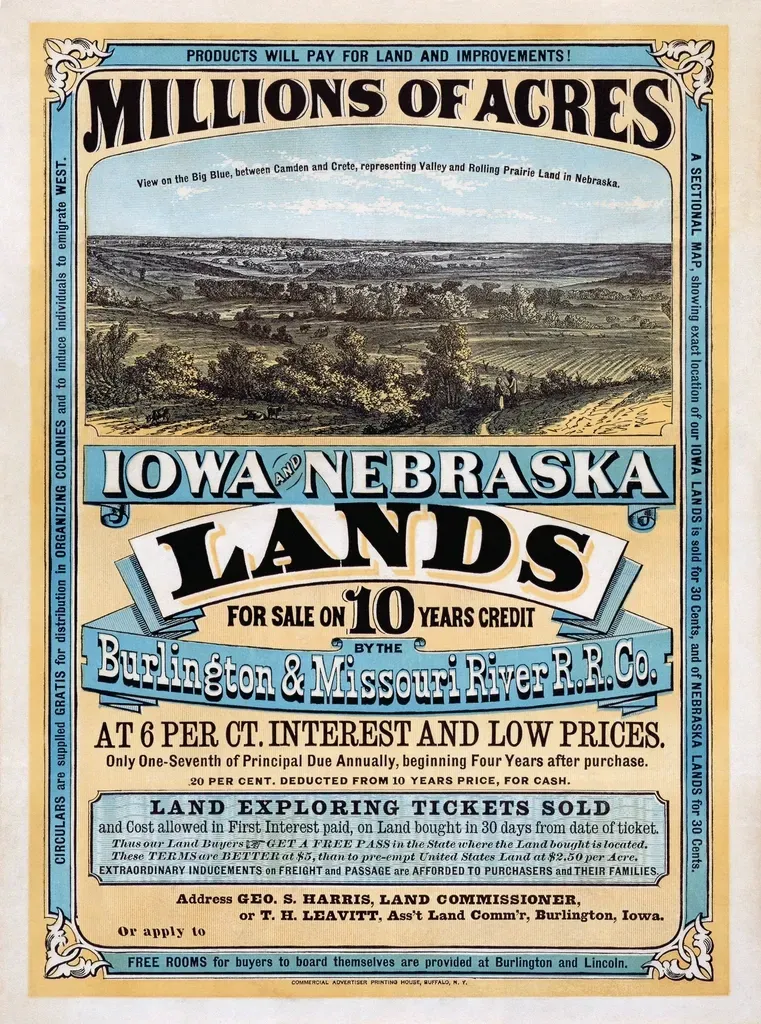
Iowa is pronounced “EYE-o-wuh” or “EYE-uh-wuh” or even “EYE-wuh.” All three pronunciations are used by residents, and many use two syllables, but when an announcer says it that way on the radio it can lead to complaints.
Breaking down the word into its individual sounds gives you “eye” + “uh” + “wuh.” The three-syllable version is generally considered the safest bet if you want to avoid controversy. Whatever you do, don’t stress the middle syllable and make it sound like “i-OH-wuh,” because apparently people used to do that back in 1912 and it was considered wrong even then.
Louisiana: Four Syllables, Not Three
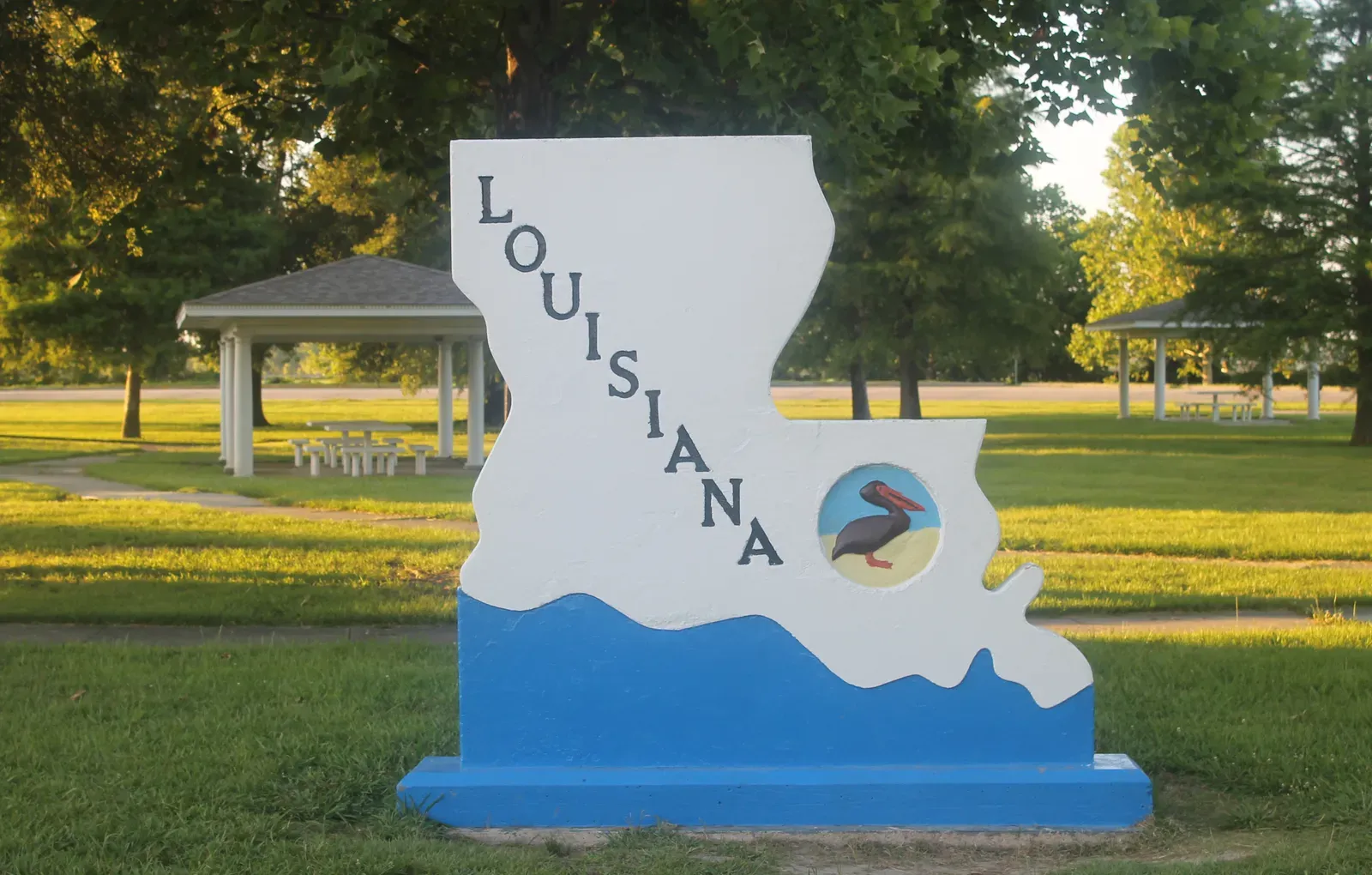
Louisiana trips people up because there are multiple ways to butcher it. The correct pronunciation is “loo-ee-zee-AN-uh,” with a clear emphasis on the fourth syllable. Some folks try to make it sound more French by saying “loo-ee-zee-AH-na,” but that’s not the standard American pronunciation.
This is one of those states where the French heritage is undeniable, yet the pronunciation has been thoroughly Americanized over the years. The four-syllable format is documented in major dictionaries and is what you’ll hear from locals. It’s tempting to try and sound sophisticated by leaning into the French roots, but most Louisianans will tell you to just say it the American way.
Montana: Short and Sweet
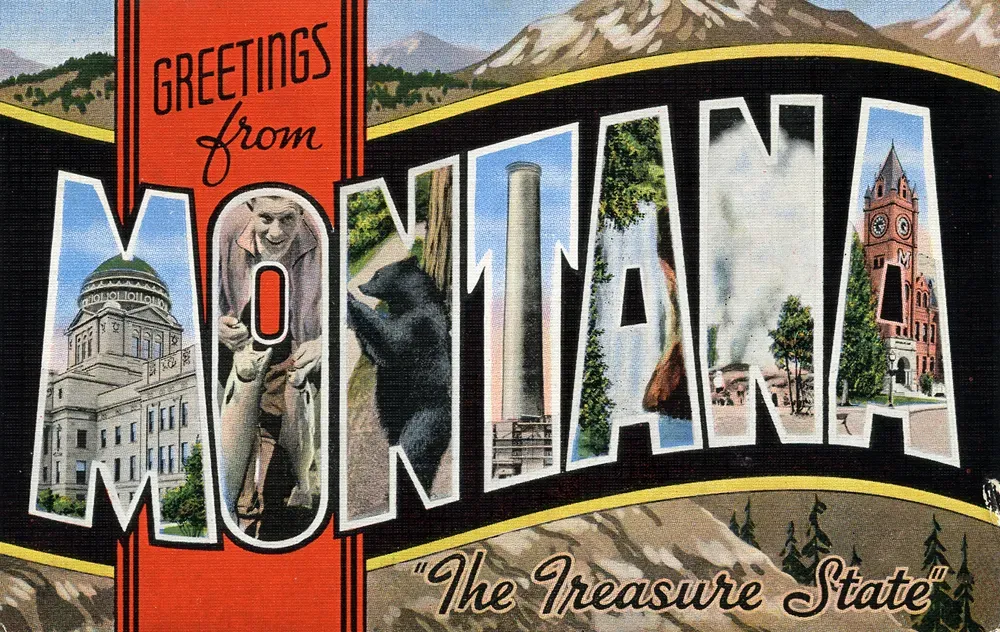
Montana is pronounced “mon-TAN-uh,” not “mon-TAH-na.” The second syllable should have a short “a” sound, like in “tan” or “can,” rather than the longer “ah” sound you might expect from a Spanish-influenced name. This is confirmed by major dictionaries including Merriam-Webster.
It’s a subtle difference that can easily slip by if you’re not paying attention. The temptation to pronounce it with that elongated “ah” probably comes from other Spanish-derived place names, but Montana doesn’t follow that pattern. Keep it short, keep it crisp, and you’ll sound like you know what you’re talking about.
Missouri: The Debate That Never Ends

The name Missouri has several different pronunciations even among its present-day inhabitants, the two most common being “mih-ZUR-ee” and “mih-ZUR-uh.” According to a professor of English at the University of Missouri, no pronunciation could be declared correct, nor could any be clearly defined as native or outsider, rural or urban, southern or northern, educated or otherwise.
A poll of 900 likely Missouri voters showed that only about ten percent said they live in “Missour-uh,” while more than ninety percent said they live in “Missour-ee.” So while both are technically acceptable, “mih-ZUR-ee” is overwhelmingly more common. Politicians often employ multiple pronunciations, even during a single speech, to appeal to a greater number of listeners. Let’s be honest, if even the politicians can’t commit to one version, the rest of us are off the hook.
Florida: The Reduced Middle Vowel
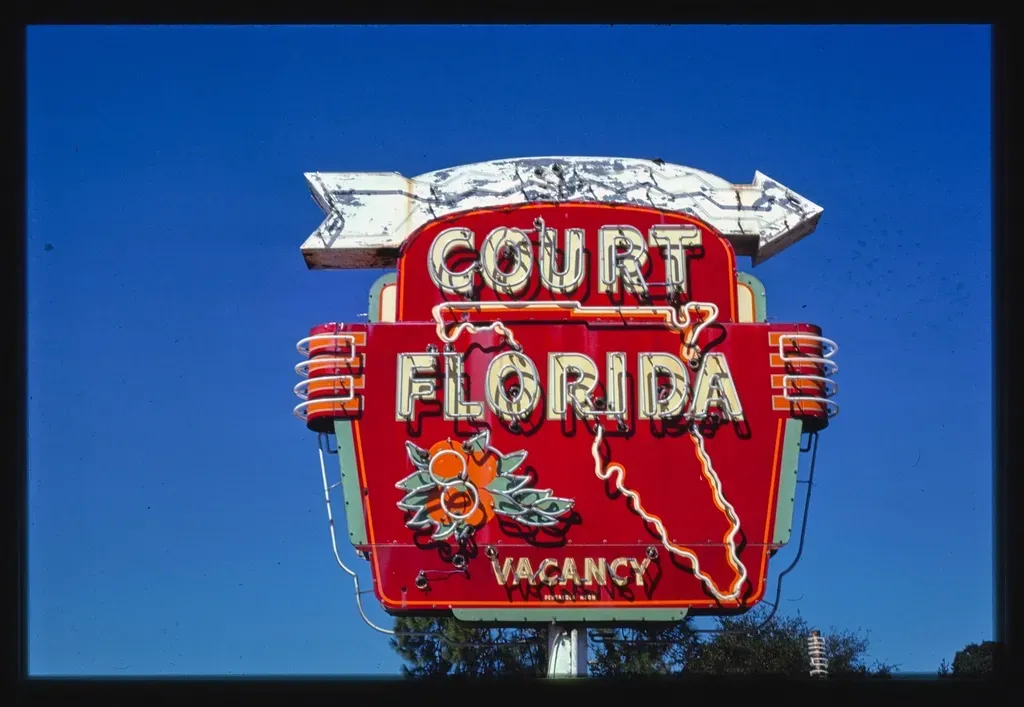
Florida is correctly pronounced “FLOR-ih-duh,” not “FLOR-ee-da.” The middle vowel is reduced to a quick, unstressed “ih” sound rather than a full “ee” sound. This is standard in American pronunciation guides, though plenty of people still stretch out that middle syllable.
The difference is subtle but noticeable once you start paying attention. Native Floridians tend to blur through the middle of the word quickly, making it almost sound like two syllables instead of three. It’s one of those pronunciations that feels natural when you hear it but can be hard to nail down when you’re trying to explain it in writing.
Connecticut: The Stress Is Not Where You Think
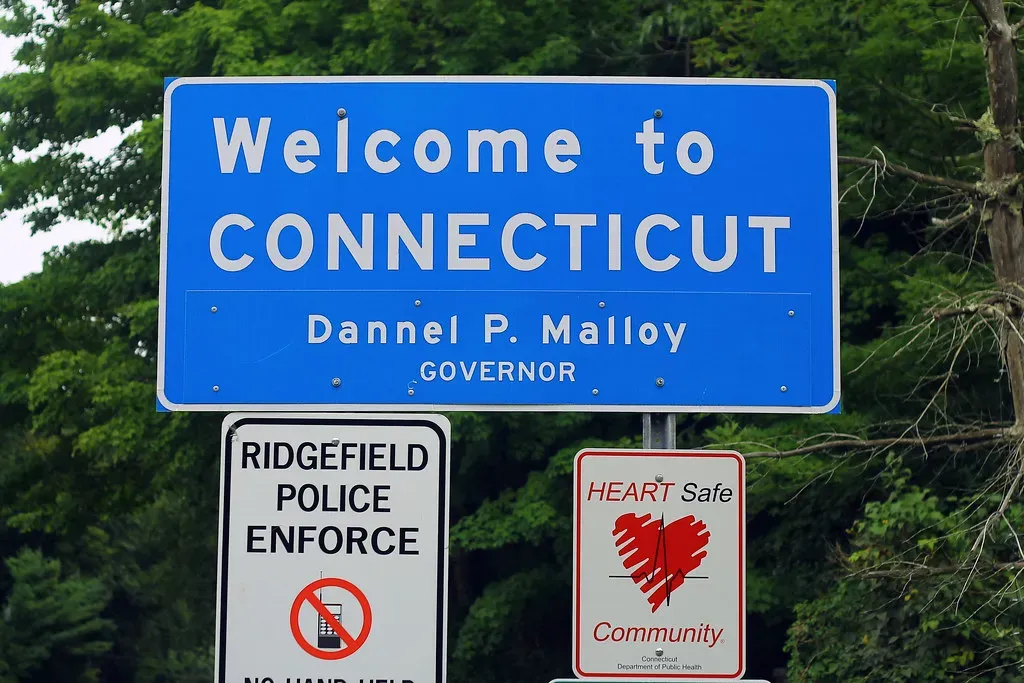
Connecticut is pronounced “kuh-NEH-ti-kut,” with the emphasis squarely on the second syllable. The spelling doesn’t make this obvious at all, which is why so many people stumble over it. Major pronunciation guides from Merriam-Webster confirm this stress pattern.
The first syllable gets reduced to a quick “kuh” sound, while the second syllable gets the full emphasis. It’s tempting to put equal stress on all the syllables or even emphasize the first one, but that’s not how locals say it. Once you get the rhythm down, it actually flows pretty naturally.
Final Thoughts
State pronunciations are one of those quirky aspects of American English that can instantly reveal where you’re from or where you’ve never been. These aren’t just random variations either. Many of them have deep historical roots involving Native American languages, French explorers, Spanish settlers, and centuries of linguistic evolution.
What’s fascinating is how seriously people take these pronunciations. From Arkansas making theirs a matter of state law to Nevadans booing politicians who get it wrong, these names carry a sense of pride and identity. Whether you’re planning a road trip or just want to sound more knowledgeable in conversation, getting these right can make a difference. So, which state name have you been mispronouncing all this time?