San Francisco Expansion Quadruples Service Area (Image Credits: Unsplash)
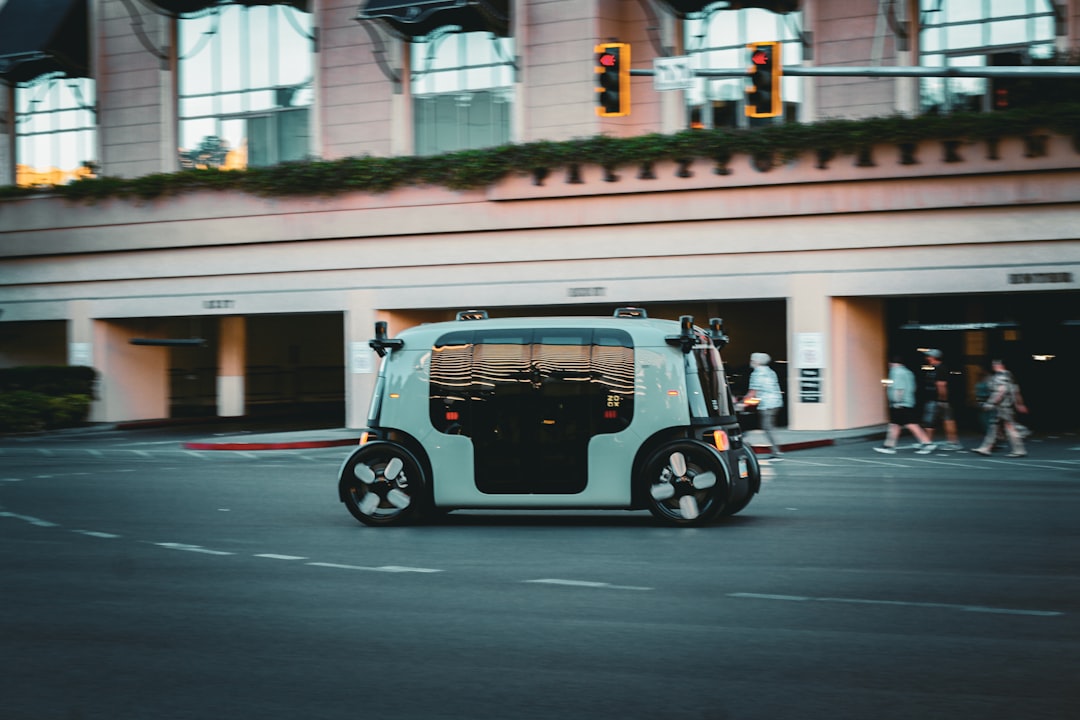
Amazon-backed Zoox revealed expansion plans on March 24 that bring its distinctive driverless vehicles to Austin and Miami later this year. The moves build on growth in Las Vegas and San Francisco, signaling a maturing push into urban mobility. Technical refinements and partnerships position the company for broader adoption amid rising competition.
San Francisco Expansion Quadruples Service Area
Zoox more than quadrupled its operational zone in San Francisco this spring, reaching neighborhoods like the Marina, North Beach, Chinatown, Pacific Heights, and the Embarcadero. Riders faced a waitlist with hundreds of thousands of names, reflecting strong demand for the pod-like robotaxis.
These vehicles navigate steeper hills and denser traffic, demanding assertive lane changes. Recent software updates enable operations in fog and rain, preparing the fleet for diverse conditions nationwide.
Las Vegas Riders Gain Airport and Arena Access
Service along the Las Vegas Strip now extends to landmarks such as the Sphere, T-Mobile Arena, and Harry Reid International Airport. Free rides remain available through the Zoox app, though limited vehicles often lead to extended wait times.
Cofounder and CTO Jesse Levinson noted that machine learning enhancements deliver smoother rides and precise arrival estimates. These improvements underpin the company’s confidence in scaling across varied urban environments.
New Markets and Testing Pave the Way Forward
Austin and Miami will welcome fully autonomous operations later in 2026, following mid-2024 tests with human-driven SUVs. Additional mapping occurs in Dallas, Phoenix, Los Angeles, Seattle, Atlanta, and Washington, D.C., using retrofitted vehicles for safety validation.
The fleet grew from about 75 to roughly 100 prototypes amid these efforts. Mass production at a Hayward, California facility aims to yield three vehicles per hour starting later this year, dwarfing current numbers compared to rivals like Waymo’s reported 2,500-unit deployment.
Uber Tie-Up and Rider Features Boost Accessibility
Zoox partnered with Uber to match riders in Las Vegas and Los Angeles with its vehicles, rolling out this summer in Las Vegas and mid-2027 in Los Angeles. Customers access the service via Uber while direct bookings persist through the Zoox app.
New conveniences include a “Find My Zoox” tool for customizing lights and spotting vehicles in crowds, plus Bluetooth pairing for seamless audio reconnection. Prebuilt playlists already enhance in-car entertainment.
- Expanded geofences in complex cityscapes
- Weather-resilient navigation for rain and fog
- Integration with major ride-hailing platforms
- Production ramp-up for fleet scaling
- Regulatory push for paid services
Regulatory Hurdles and Competitive Edge
Operations rely on a National Highway Traffic Safety Administration exemption for free rides in purpose-built electric vehicles, which lack steering wheels or driver’s seats. Zoox seeks approval to charge fares, a step toward commercial viability.
Levinson emphasized the advantage of custom vehicles: “As other companies might try to come out with their first purpose-built robotaxi, we might be on our second or third iteration.” This head start could differentiate Zoox as Waymo grows, Tesla plans automated taxis, and Uber invests in Rivian for robotaxis.
Key Takeaways
- Zoox launches in Austin and Miami later 2026, expands Las Vegas and San Francisco now.
- Fleet production accelerates to support larger deployments.
- Uber partnership opens doors to millions of users.
Zoox’s methodical scaling highlights the robotaxi sector’s rapid evolution, blending innovation with practical urban testing. As exemptions evolve and production ramps, widespread driverless rides draw closer. What cities should Zoox target next? Share your thoughts in the comments.