

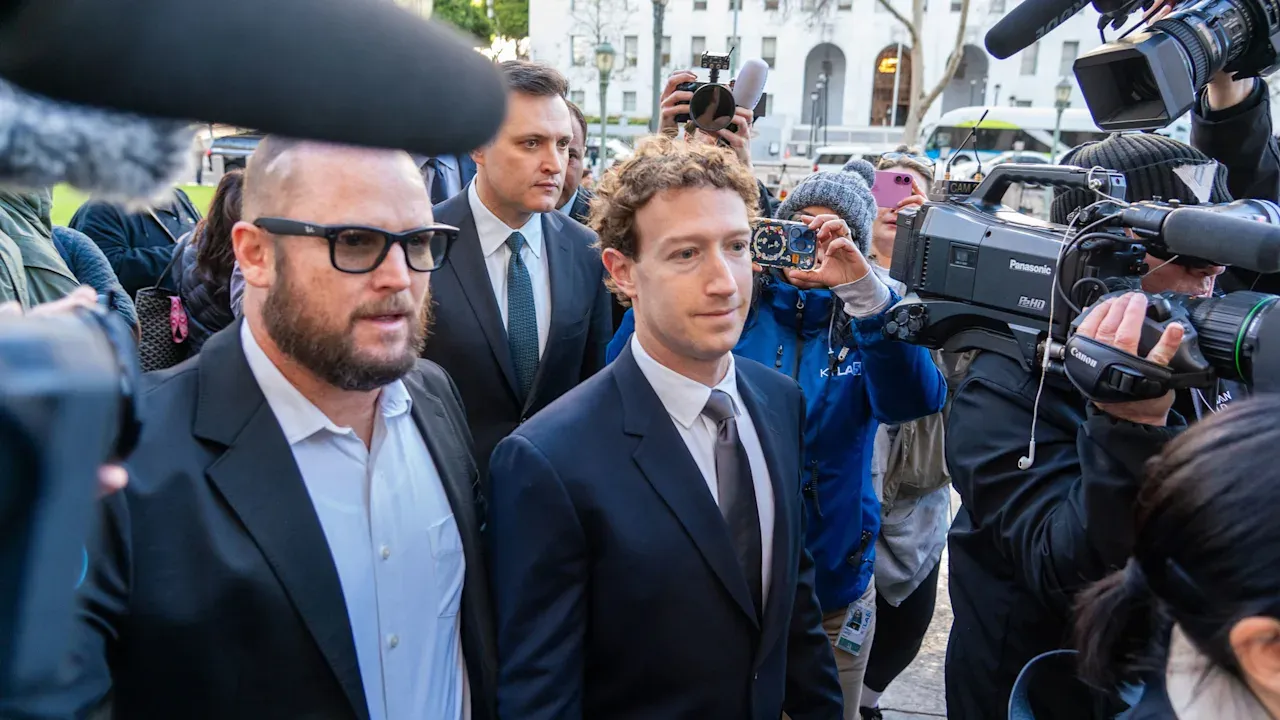
Silence on the Stand Resonates Loudly (Image Credits: Images.fastcompany.com)
A California teenager’s lawsuit against Meta and YouTube reached a critical juncture as Mark Zuckerberg took the witness stand for the first time in a case testing the boundaries of platform liability.
Silence on the Stand Resonates Loudly
Mark Zuckerberg offered few words during his February 18 testimony, yet his mere presence marked a historic reckoning for Big Tech leaders.
The Meta CEO endured pointed questions from the plaintiff’s attorney, Mark Lanier, in a trial that bypassed traditional defenses like Section 230 protections. This shield, in place since the 1990s, has long insulated platforms from user-generated content issues. Jurors now weigh whether algorithmic features caused the plaintiff’s anxiety, depression, and body image struggles after prolonged Instagram use. Observers noted Zuckerberg’s subdued demeanor contrasted sharply with prior witnesses, amplifying the moment’s gravity.
The Bellwether Case Unfolds
This proceeding serves as a test for broader claims against social media firms, potentially unlocking billions in damages and internal research disclosures.
The plaintiff, identified as Kaley or KGM, claims Instagram’s design exacerbated her mental health challenges. Features under scrutiny include infinite scroll, autoplay, and recommendation algorithms that prioritize engaging content. Snap and TikTok settled pre-trial without admitting fault, leaving Meta and YouTube to defend in court. A ruling against them could redefine negligence in product design, shifting blame from users to platforms. Legal experts view this as a rare breakthrough past procedural hurdles that doomed earlier suits.
Company Defenses and Expert Critiques
Meta and YouTube firmly rejected the allegations, while academics highlighted design flaws’ role in youth vulnerability.
A Meta spokesperson stated the company “strongly disagree[s] with these allegations and [is] confident the evidence will show our longstanding commitment to supporting young people,” noting the plaintiff’s pre-existing difficulties. YouTube’s José Castaneda called the claims “simply not true.” Steven Buckley, a media sociology lecturer at City St George’s, University of London, described the trial as platforms “finally being seen to be held to account by their own users.” Tama Leaver, professor of internet studies at Curtin University, critiqued Zuckerberg’s appearance, saying he “didn’t feel like someone who’d done their homework” and failed to project trustworthiness for teen safety.
Implications Beyond the Courtroom
The trial arrives amid global pushes for online child safety, raising fears of unintended consequences like age bans.
Unlike past congressional probes, this forces executives under oath to address their systems’ impacts. Success here might spur similar actions worldwide, especially as 2026 intensifies regulations. Buckley warned against simplistic fixes, noting weak evidence linking social media to addiction in youth. Still, the case spotlights how design choices amplify harm, prompting Silicon Valley unease over eroding legal protections.
- Infinite scroll keeps users engaged indefinitely.
- Autoplay advances content without pause.
- Algorithms favor emotionally charged material.
- Recommendation engines personalize feeds rapidly.
- Lack of robust safeguards for minors.
Key Takeaways:
- This trial challenges Section 230 by focusing on platform design over user actions.
- Zuckerberg’s testimony underscores growing accountability demands on CEOs.
- Outcomes could force transparency on internal harm research.
As deliberations loom, this lawsuit stands as a user-led push where governments fell short, with the tech world bracing for precedent-setting fallout – what do you think the verdict means for social media’s future? Share in the comments.