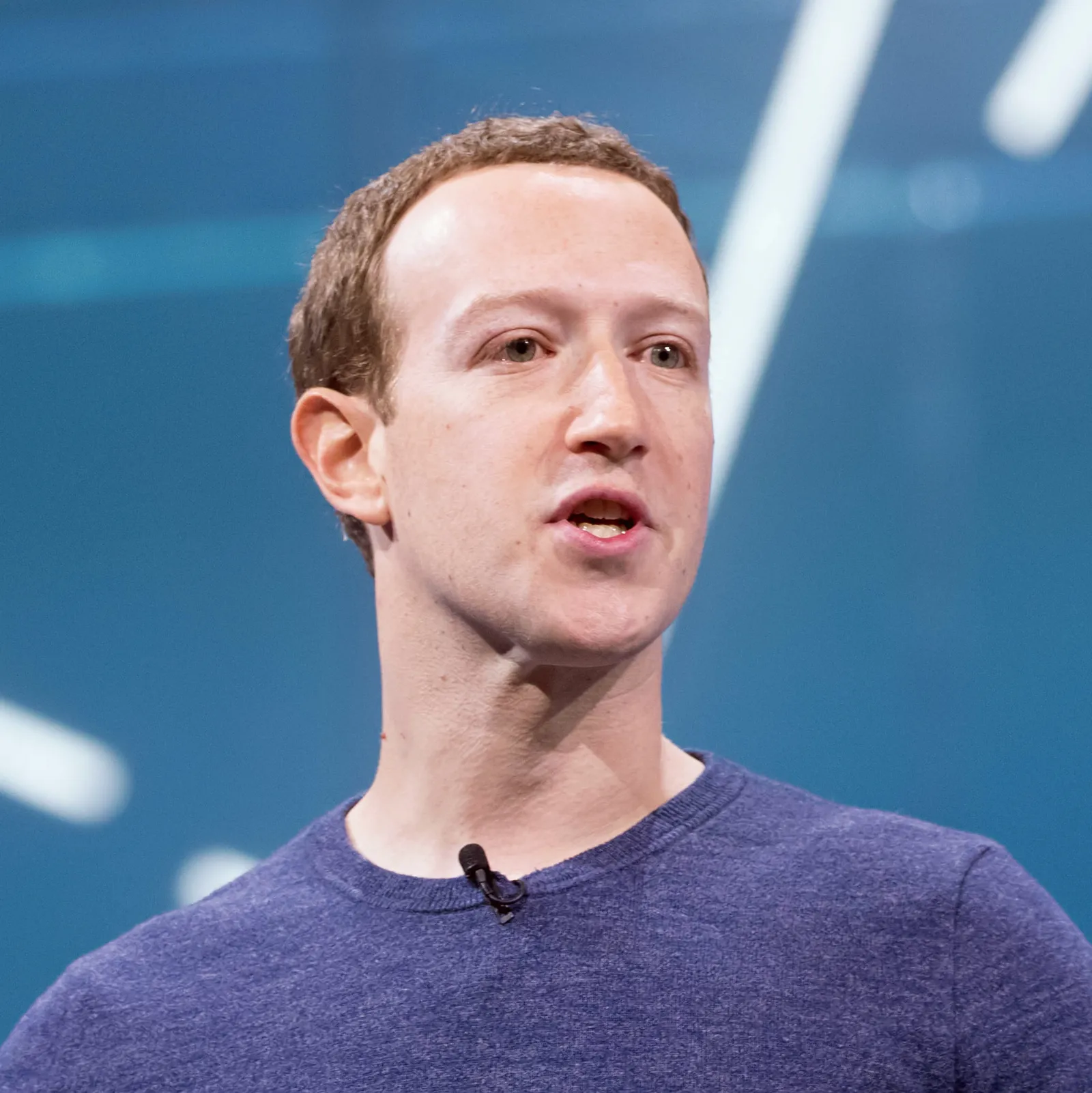
Social Media Giant Faces Jury Scrutiny (Image Credits: Upload.wikimedia.org)
Los Angeles – Mark Zuckerberg prepared to testify before a jury Wednesday in a high-stakes case accusing Meta platforms of fueling youth mental health struggles, while across the country, the Department of Homeland Security announced the departure of its top communications official.[1][2]
Social Media Giant Faces Jury Scrutiny
The trial marked the first U.S. jury proceeding to test claims that tech companies designed addictive features to hook young users, contributing to widespread mental health issues among teens.[3] Meta CEO Mark Zuckerberg appeared in person for the occasion, his first testimony before a jury on the topic. Plaintiffs presented a narrative centered on one family’s ordeal, setting the stage for broader accountability debates.
Instagram head Adam Mosseri had testified the previous week, outlining the company’s youth safety initiatives. Zuckerberg’s session promised intense questioning about internal research and platform priorities. Observers viewed the moment as a litmus test for over 1,500 similar lawsuits targeting Meta, Google, Snap, and TikTok.[1]
Claims of Harm Versus Corporate Defenses
The lead plaintiff, identified only as “Kaley,” now 20, alleged that heavy use of Instagram and YouTube starting in childhood triggered severe anxiety, body dysmorphia, suicidal ideation, bullying, and even sextortion. Her mother joined the suit, recounting failed attempts to limit access despite marathon sessions, including one exceeding 16 hours.[1] Lawyers argued internal documents revealed Meta’s awareness of risks yet prioritized engagement features.
Meta countered vigorously. The company highlighted safety tools such as parental controls and “teen accounts” with built-in restrictions for users under 18. A spokesperson emphasized that evidence pointed to the plaintiff’s pre-existing family challenges as the root cause, not social media. Research from the National Academies of Sciences supported their stance, finding no clear causal link between platforms and youth mental health declines.[3]
- Parental oversight tools for monitoring usage
- Default privacy settings on teen accounts
- Content restrictions limiting harmful material
- Take-it-or-leave-it prompts to curb habitual scrolling
Legal experts anticipated Zuckerberg would underscore Meta’s parental motivations, given his own children, while defending the balance between innovation and safety.
McLaughlin’s Departure from DHS
Tricia McLaughlin, assistant secretary for public affairs at DHS, confirmed her resignation Tuesday, with her last day set for late February. She had served as the administration’s fierce advocate for immigration enforcement, frequently clashing with critics on cable news and social media.[2] Her tenure coincided with President Trump’s mass deportation efforts under Secretary Kristi Noem.
McLaughlin planned her exit since December 2025 but postponed amid fallout from immigration officer shootings in Minneapolis that killed two U.S. citizens. Threats to her and her family escalated during this period. Noem praised her “tenacity and professionalism,” while her deputy, Lauren Bis, prepared to step in.[4] DHS social media under her watch adopted an aggressive tone, featuring memes and calls to report violations.
Wider Ripples Across Tech and Policy
The Los Angeles verdict could reshape legal protections for tech firms, amid global moves like age bans in Australia and Spain. Domestically, states pursued parallel actions against addictive designs. McLaughlin’s exit highlighted strains within DHS, including budget shutdowns and scrutiny over enforcement claims.[3]
These events underscored tensions at intersections of technology, youth well-being, and national security. Platforms evolved amid parental outcry, yet causation debates persisted. Immigration rhetoric faced parallel tests of credibility.
Key Takeaways:
- Zuckerberg’s testimony probes Meta’s youth safety record in first jury trial of its kind.
- Plaintiffs cite addiction features; Meta blames external factors and touts protections.
- McLaughlin leaves DHS after defending deportations amid controversies and threats.
As these stories unfold, they signal potential shifts in corporate responsibility and government messaging. How might the outcomes influence policy and public trust? Share your thoughts in the comments.