
Global supply chains for everyday groceries face mounting pressures from climate disruptions and geopolitical tensions. Recent conflicts around the Strait of Hormuz have choked off fertilizer supplies, threatening harvests well into 2027.[1][2] Prices for several staples could climb even higher in early 2027 as lower yields from this year’s shortfalls hit markets.
While no one predicts empty shelves everywhere, these trends point to tighter supplies and steeper costs for specific items. Stocking up now might ease the pinch later.
Chocolate
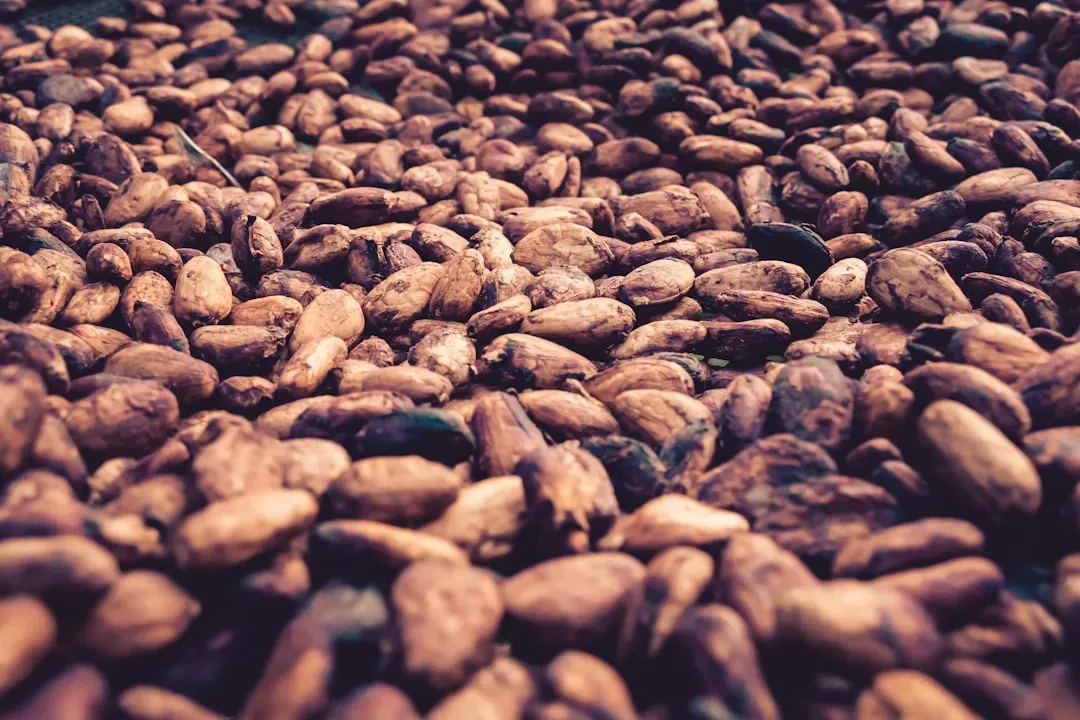
Chocolate prices have surged due to poor cocoa harvests in West Africa, battered by climate change and disease. Successive bad years have left supplies thin, with forecasts showing continued strain into 2026.[3] Even as some prices ease slightly, the overall shortage lingers from those disruptions.
Expect chocolate bars and treats to cost more through 2027 if production doesn’t rebound quickly. Families might notice the hit during holidays first.
Coffee
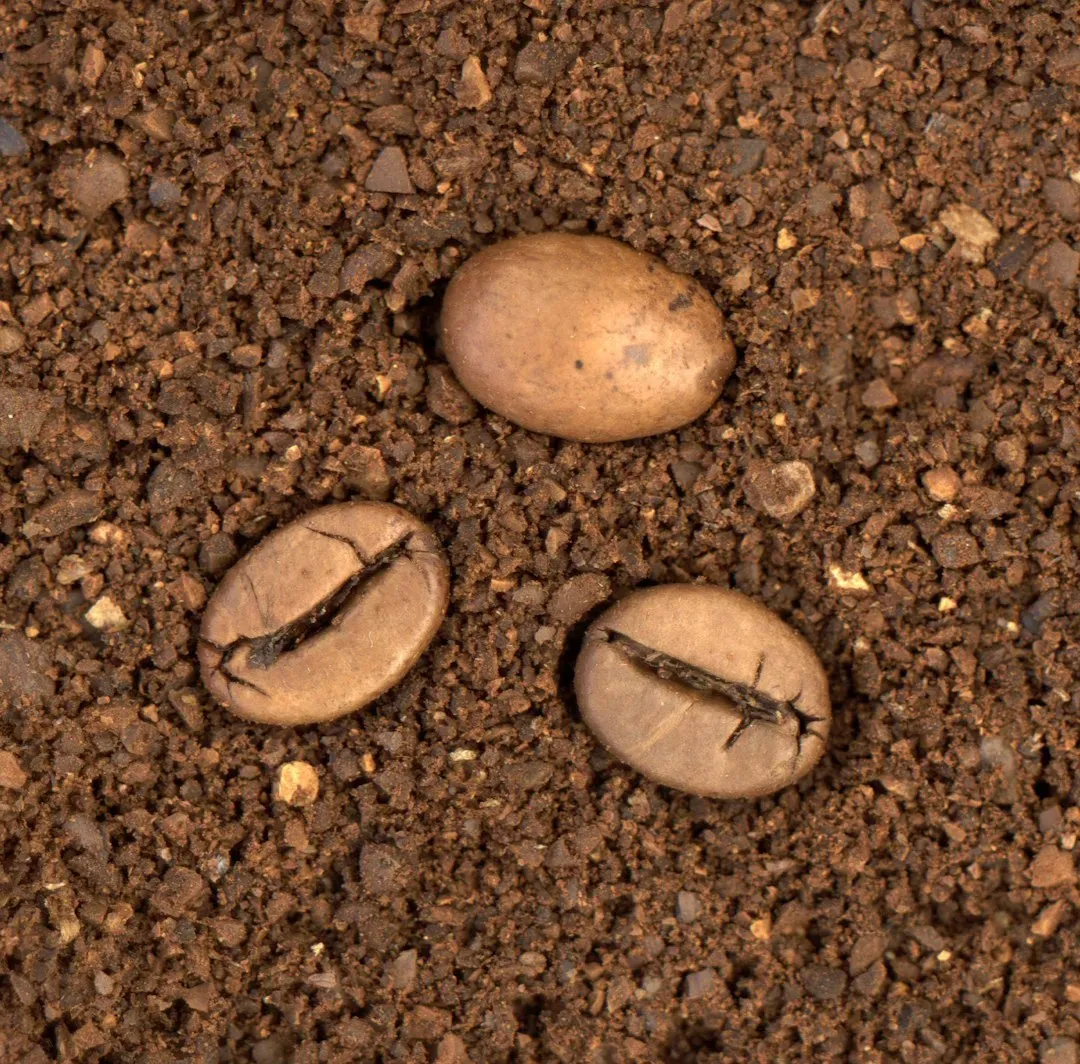
Farmers in South America grapple with droughts and erratic weather, shrinking coffee yields. These issues have pushed prices to record levels, with little relief in sight for the coming year.[3] Brazil’s massive output helps, but global demand keeps pressure on.
By 2027, morning brews could feel noticeably pricier. Roasters warn of ongoing volatility tied to climate patterns.
Olive Oil
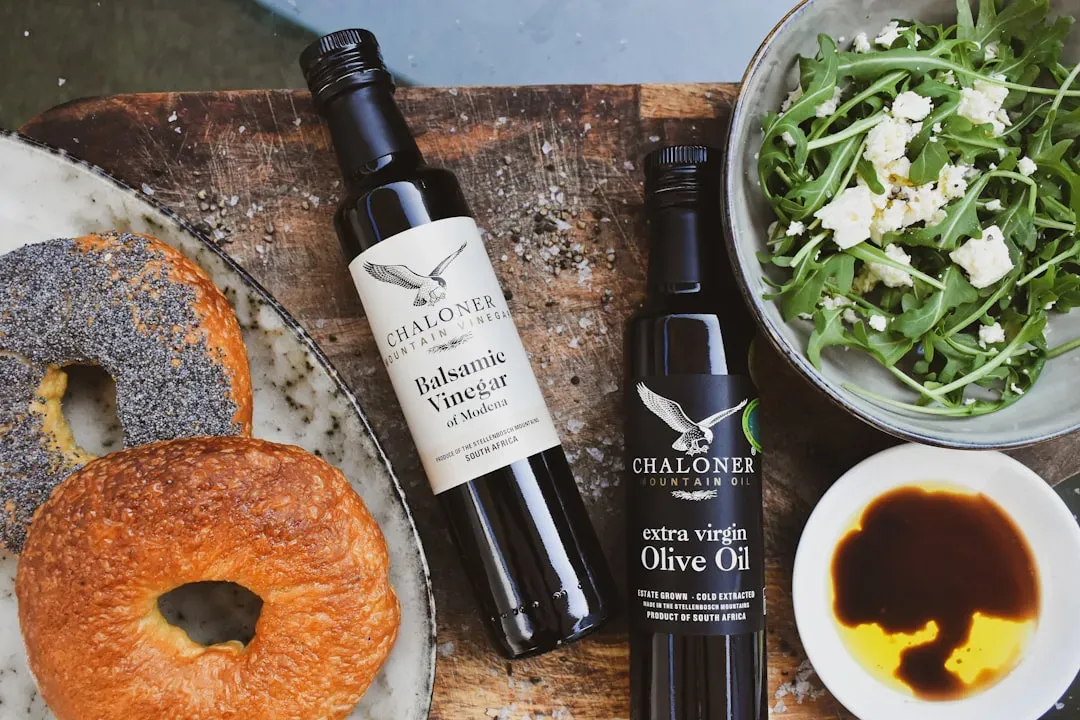
Droughts across Spain and Italy have slashed olive harvests, leading to a sharp price jump last year. Production forecasts for 2025-26 show another dip, keeping bottles scarce.[3] Consumers already pay more for this kitchen staple.
Into 2027, expect the trend to hold unless rains return generously. Home cooks may turn to alternatives sooner.
Fertilizer shortages exacerbate crop stresses worldwide, indirectly hitting oilseed relatives too.
Rice
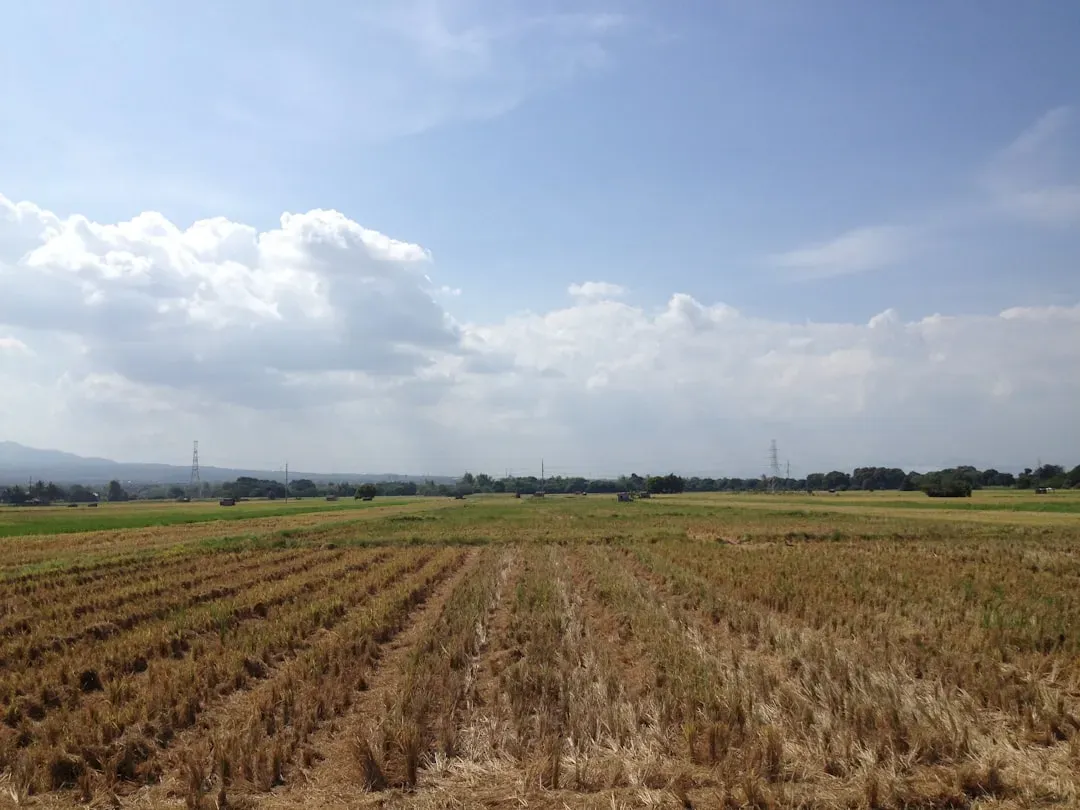
Climate extremes like floods and heat have hammered rice paddies in key Asian producers. Export curbs and weather woes signal rising costs ahead.[3] Global stocks remain tight from these hits.
By 2027, staple meals could incorporate pricier grains. Fertilizer crunches will compound lower outputs in affected fields.[1]
Beef
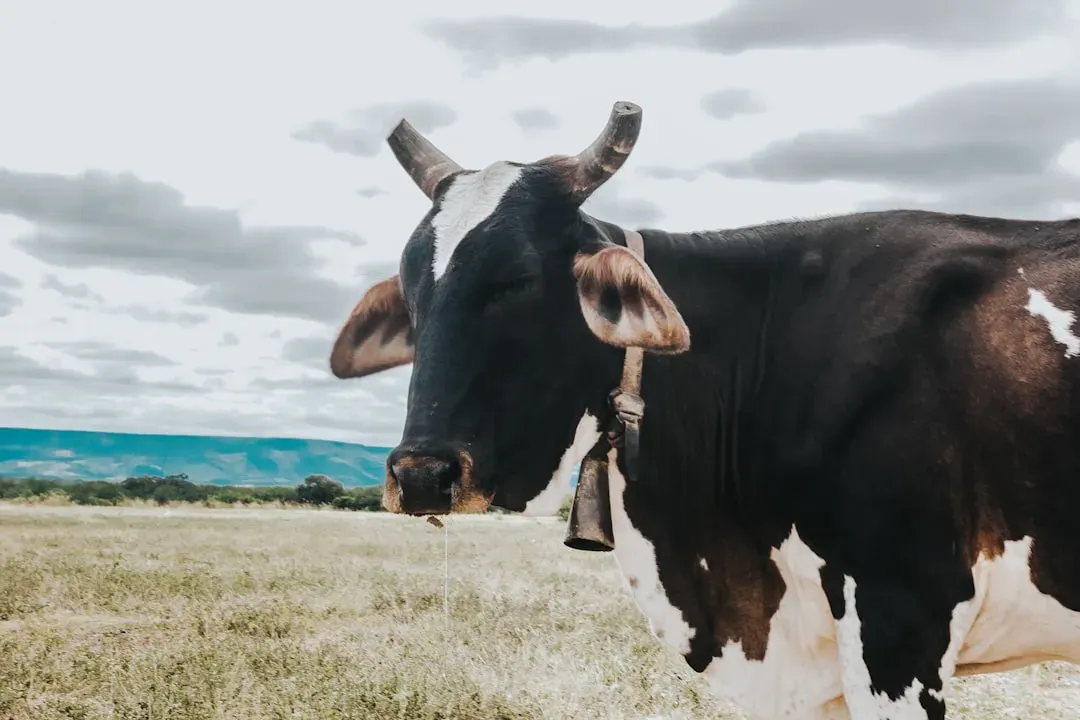
Beef prices climb fast, outpacing many groceries, thanks to feed costs spiked by fertilizer woes. Corn shortages as animal feed ripple through livestock operations.[3][1] Herds shrink when margins tighten.
Projections see elevated costs persisting into 2027, especially if planting shortfalls cut more feed grains. Grills and dinners might shift to cheaper proteins.
These foods highlight broader vulnerabilities in our food system. Smart shopping today builds resilience against tomorrow’s squeezes. Keeping an eye on forecasts helps navigate whatever comes.