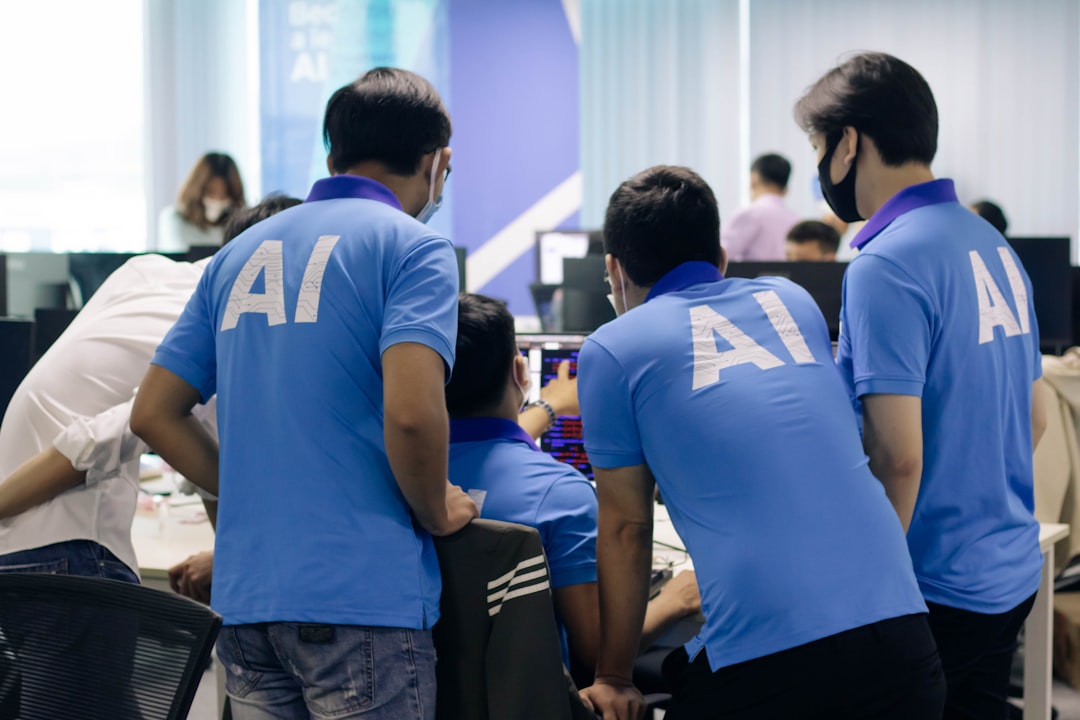
High-Performing Teams Lead with Humans, Amplified by AI (Image Credits: Unsplash)
Artificial intelligence reshapes workplaces by accelerating routine tasks and unlocking new efficiencies. Yet as these tools proliferate, organizations face a pivotal challenge: harnessing AI without losing the human spark that turns potential into results. Recent surveys reveal that top teams blend technology with interpersonal strengths to outperform peers consistently.
High-Performing Teams Lead with Humans, Amplified by AI
Teams that exceed expectations relied on AI in daily operations at nearly twice the rate of others, with 78% adoption compared to 54%. Such groups reported superior efficiency, sharper problem-solving, and tighter collaboration. Leaders fostered environments where members felt trusted, respected, and included – factors that appeared 1.5 to 2.3 times more prevalent.
Emotional and social intelligence emerged as the dominant driver of success. While AI excels at generating ideas swiftly, humans excel at discerning priorities, enforcing standards, and navigating nuances. This balance demands leaders who guide closely, emphasizing judgment over mere velocity. Deloitte’s analysis of over 1,300 professionals underscored these patterns across high-achieving units.
Organizations Overlook People in the AI Investment Rush
Most companies poured resources heavily into technology, directing 93% of AI budgets there while allocating just 7% to workforce development. This skew risks deploying advanced tools without the teams equipped to wield them effectively. High performance hinges not on gadgets alone but on integrating them with human oversight.
The pattern extends beyond AI, highlighting a tendency to prioritize hardware over the skills that activate it. Leaders who correct this tilt position their groups for lasting gains. Sustained outcomes depend on addressing this disparity head-on.
Core Human Traits That Define AI-Era Excellence
Enduring qualities like curiosity, resilience, divergent thinking, and emotional intelligence distinguish elite teams. These attributes gain urgency as AI handles predictable work, leaving humans to tackle ambiguity and ethical choices. They enable groups to question outputs, adapt under stress, and collaborate amid rapid change.
Technical proficiency supports but does not supplant these strengths. Surveys showed that while AI boosts speed, human elements secure quality and alignment. Leaders must nurture them deliberately to avoid overreliance on automation.
Practical Steps Leaders Take to Elevate Team Performance
Building resilient units requires intentional actions that embed human strengths alongside AI. Deloitte identified repeatable practices that cultivate these dynamics. Here are five strategies proven to drive results:
- Set precise standards: Specify verification processes, define excellence, and model ethical use. Hold members accountable consistently, mirroring pre-AI norms.
- Prioritize human development: Balance tech upgrades with training in judgment and relationships, securing a competitive edge beyond tools.
- Foster curiosity routines: Assign roles for challenging assumptions in meetings, scrutinizing AI suggestions alongside human ideas.
- Conduct targeted check-ins: Use brief sessions to clarify shifts, resolve uncertainties, and identify tech-induced hurdles like risks or delays.
- Promote shared learning: Encourage peer reviews, process walkthroughs, and feedback on AI prompts to spread expertise horizontally.
These moves transform AI from a novelty into a reliable ally. For deeper insights, see Deloitte’s full research.
Key Takeaways
- High-performing teams use AI more but thrive on trust and emotional intelligence.
- Shift budgets toward people – 93% tech spending leaves human skills underfunded.
- Implement small habits like check-ins and curiosity roles for outsized impact.
Executives bear responsibility as AI expands enterprise-wide. Those who view it as a catalyst for human growth will sustain advantages amid evolving tech. What steps will you take to strengthen your team? Share your thoughts in the comments.