

No Landfalls, No Drama – A Rare Break for the Sunshine State (Image Credits: Flickr)
Florida – Warm sun filtering through palm fronds, with the usual salty breeze carrying no hint of worry this fall.
No Landfalls, No Drama – A Rare Break for the Sunshine State
Imagine gearing up for the worst, only to watch the storms veer off course. That’s exactly what happened in 2025. For the first time since 2015, not a single hurricane slammed into the U.S. mainland. Florida, often ground zero for these tempests, enjoyed an unusually peaceful season.
This calm didn’t come out of nowhere. Experts like those at NOAA had forecasted an above-normal year, yet the action stayed mostly out at sea. Tropical Storm Chantal brushed North Carolina with heavy rains, but the Gulf Coast and Florida? They dodged every bullet.
Residents who remember the chaos of past years – think Helene and Milton from 2024 – breathed a collective sigh of relief. No evacuations, no widespread power outages. Just everyday life uninterrupted.
By the Numbers: A Season of Surprises
The stats tell a story of balance rather than extremes. The Atlantic churned out 13 named storms, right in line with averages. Five grew into hurricanes, and four reached major status – that’s more intense ones than usual, but none aimed for home turf.
Accumulated Cyclone Energy hit 132.5 units, signaling solid activity overall. Yet, for Florida, the impact boiled down to scattered showers and gusts from distant systems. Damage estimates? A mere fraction compared to hyperactive years.
Here’s a quick breakdown of the season’s tally:
- 13 named storms
- 5 hurricanes
- 4 major hurricanes (Category 3+)
- 1 U.S. landfall (Tropical Storm Chantal in North Carolina)
- Total U.S. damage: Around $500 million
The Heavy Hitters That Missed the Mark
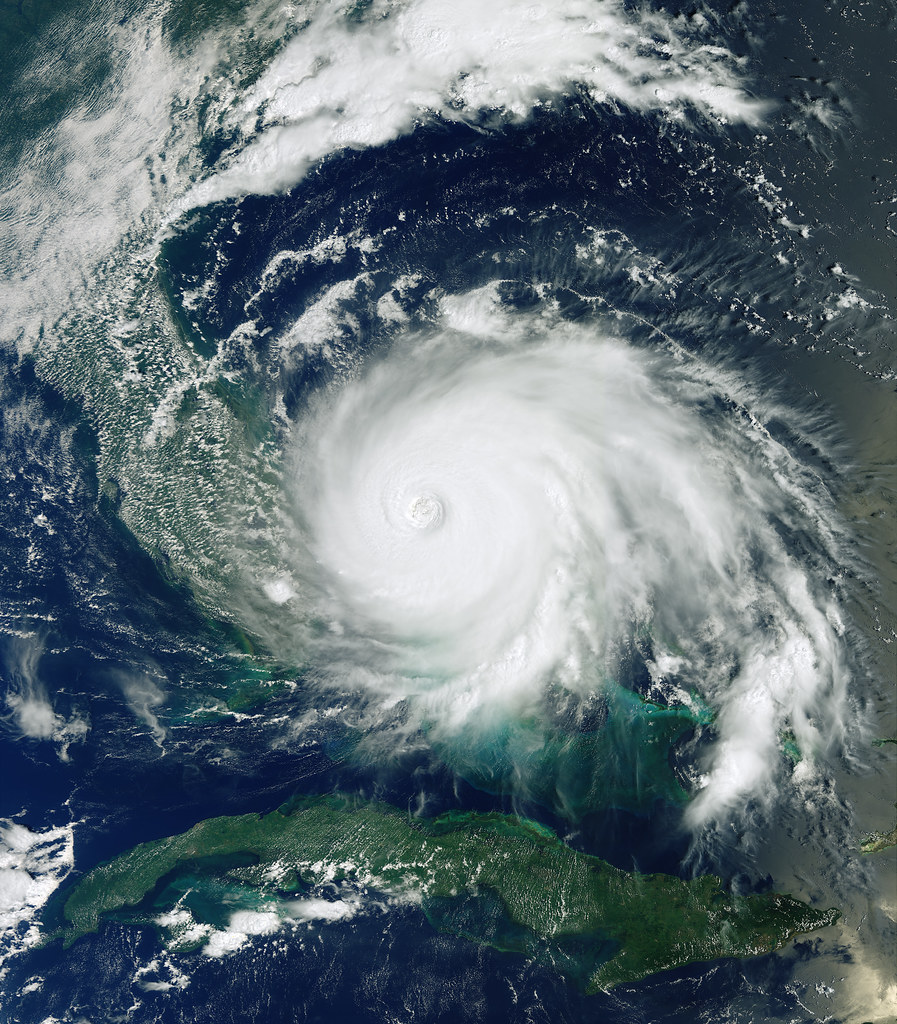
While Florida stayed dry, the open ocean saw some monsters. Hurricane Melissa stole the show as the strongest, peaking at 185 mph winds – the most ferocious in the basin that year. It carved a path of destruction elsewhere, claiming over 100 lives and racking up billions in losses.
Erin, Humberto, and others joined the elite club of Category 5s. These beasts whipped up massive waves and spawned rip currents that claimed a few lives along East Coast beaches. But their cores never kissed Florida soil.
One close call involved Imelda, which brushed the southeast with rains and winds. Volusia County saw a tragic drowning in rough surf, a reminder that even indirect effects pack a punch.
Why Did Florida Get So Lucky?
Several factors aligned to spare the state. Steering currents pushed storms northeast, away from the warm Gulf waters that fuel rapid intensification. A developing La Niña pattern helped too, though it didn’t suppress activity as much as expected.
Forecasters nailed the outlook, with Colorado State University and NOAA predicting the uptick in majors. Early warnings and resilient infrastructure meant any minor threats were handled swiftly.
Still, luck played a role. In a warming climate, patterns can shift fast. This year felt like a gift, but it underscores the need for constant vigilance.
Lessons Learned Amid the Lull
A quiet season offers a chance to recharge. Florida’s emergency teams reviewed protocols, stocked supplies, and ran drills without the pressure of real-time crises. Insurance rates, a hot topic after recent hikes, might even stabilize a bit.
Communities used the downtime to fortify homes – think stronger roofs and elevated builds in flood-prone spots. Education campaigns reached more folks, emphasizing that preparation trumps prediction every time.
Though no big hits occurred, smaller events like Imelda’s rains highlighted vulnerabilities. It’s a nudge to keep flood maps updated and drainage systems clear.
Gazing Toward 2026: What Comes Next?
With the season officially ending on November 30, eyes turn forward. NOAA’s already hinting at another active year, thanks to persistent warm Atlantic waters. Florida can’t count on another pass.
Investing in green infrastructure, like mangrove restoration, could buffer future blows. And with climate trends, these lulls might become the exception, not the rule.
One thing’s clear: This year’s reprieve was welcome, but it’s no excuse to let guards down.
In the end, 2025 proved that even in hurricane alley, mercy shows up sometimes. It saved lives, eased budgets, and gave Floridians a breather. What a reminder to cherish the calm while prepping for the storm. What’s your take on this mild season? Share in the comments below.
Key Takeaways
- No hurricane landfalls in the U.S. for the first time in a decade – a huge win for Florida.
- Four major hurricanes formed, but all stayed offshore, limiting widespread damage.
- Preparation remains key; use this quiet year to build resilience for what’s ahead.