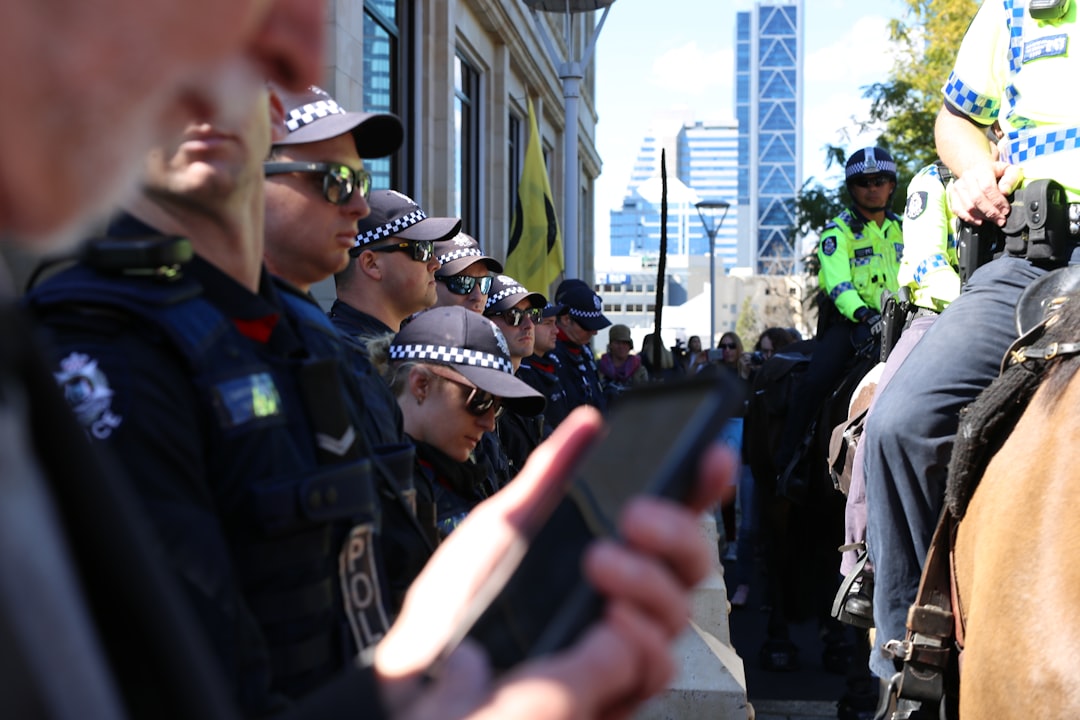


The Surprising Showdown at City Hall (Image Credits: Unsplash)
Los Angeles – In a chamber buzzing with tension under the glow of midday lights, the City Council made a decision that keeps certain tools in the LAPD’s hands amid ongoing debates over crowd control.
The Surprising Showdown at City Hall
Picture this: a divided room where voices clashed over public safety and civil rights. On December 2, 2025, the Los Angeles City Council voted 8 to 4 against an ordinance that aimed to tightly restrict the LAPD’s use of less-lethal weapons. Three members were absent, tipping the scales in a moment that caught many advocates off guard.
This wasn’t just any vote. It stemmed from months of scrutiny following summer protests where these weapons drew heavy criticism. Councilmember Hugo Soto-Martinez led the charge for change, but the majority held firm, prioritizing officer flexibility.
Yet the decision leaves lingering questions about accountability. How does this play out on the streets? The answer might unfold in the coming months as demonstrations continue.
Breaking Down the Weapons in Question
Less-lethal launchers sound benign, but they pack a punch. These devices fire hard foam projectiles from 40mm launchers, designed to disperse crowds without causing death. Tear gas rounds fall into the same category, meant to irritate and deter rather than destroy.
The LAPD has relied on them for years, especially during chaotic events. Officials call them essential for de-escalation, a step below firearms. Still, incidents of injury have fueled calls for limits, with reports of bruises, fractures, and worse from misfires.
Understanding these tools means recognizing their dual role. They save lives in theory, yet real-world use often blurs the line between control and harm.
The Drive Behind the Proposed Ban
Advocates pushed hard for the ordinance after witnessing LAPD tactics in action. The proposal would have barred kinetic energy projectiles and chemical agents unless officers faced direct threats of violence. It echoed federal court rulings that already curb their use against journalists and peaceful protesters.
Soto-Martinez and allies argued that discretion too often leads to overuse. They pointed to this summer’s anti-ICE rallies, where less-lethal munitions flew amid nonviolent gatherings. The goal? To protect First Amendment rights and reduce escalation.
Supporters saw it as a step toward trust-building between communities and police. Without such measures, they worry, protests could turn riskier for everyone involved.
Why Police Pushed Back
LAPD Chief Jim McDonnell didn’t mince words. He described these weapons as vital de-escalation options, short of lethal force. Removing them, he said, could heighten risks for officers and expose the city to lawsuits.
In moments of disorder, split-second choices matter. Police leaders stressed that rigid rules might handcuff responses to unpredictable threats. They highlighted training protocols aimed at minimizing harm, though skeptics question their effectiveness.
This stance won over enough council members to sink the bill. It reflects a broader tension: balancing reform with the realities of frontline work.
Key Arguments on Both Sides
To grasp the divide, consider the core points raised. Here’s a quick rundown:
- Pro-ban: Reduces unnecessary injuries and upholds protest rights, as seen in recent court injunctions.
- Pro-ban: Builds community trust by limiting tools linked to excessive force complaints.
- Anti-ban: Preserves officer safety in volatile situations, preventing escalation to deadly measures.
- Anti-ban: Avoids legal pitfalls for the city while maintaining crowd management options.
- Anti-ban: Weapons are already regulated through policy and oversight.
These points highlight why the vote felt so personal. Each side sees the other’s view as a threat to core values.
Moving forward, ongoing lawsuits could still influence LAPD practices. Federal judges have extended restrictions before, keeping the pressure on.
What This Means for LA’s Streets
Protests in Los Angeles aren’t going away. With immigration debates and social justice issues simmering, the LAPD’s toolkit remains unchanged for now. This could embolden demonstrators or heighten fears of confrontation.
City leaders now face calls to refine policies elsewhere. Training enhancements or independent reviews might emerge as compromises. Still, the 8-4 tally signals resistance to sweeping curbs.
In the end, it’s about finding equilibrium. Safer streets for all require dialogue that bridges the gap between enforcement and expression.
Key Takeaways
- The council’s vote keeps less-lethal options available, emphasizing police discretion.
- Advocates vow to keep fighting through courts and future legislation.
- Expect more scrutiny on LAPD during upcoming events.
Ultimately, this decision underscores the ongoing tug-of-war over policing in a diverse city like LA. It might prevent some escalations but risks eroding public confidence. What do you think about the council’s choice? Share your thoughts in the comments below.