

A Sudden Burst of Violence at a Community Event (Image Credits: Unsplash)
Sydney, Australia – A festive Hanukkah gathering at Bondi Beach descended into chaos on December 14, 2025, when assailants unleashed gunfire on families and children, leaving 15 dead and dozens more injured.
A Sudden Burst of Violence at a Community Event
The shooting erupted in the late afternoon at Archer Park, near the iconic Bondi Surf Bathers’ Life Saving Club, during a large celebration organized by the local Chabad community. Witnesses described scenes of panic as bullets flew through the playground area, where families had gathered to light the menorah and enjoy the holiday spirit. Among the victims were children and an elderly Holocaust survivor, highlighting the indiscriminate nature of the attack. Authorities quickly classified the incident as a terrorist act, linking it to extremist motives. One of the gunmen, identified as 24-year-old Naveed Akram, remains in critical condition, while his accomplice died at the scene.
The assault not only shattered the sense of security in one of Australia’s most beloved coastal spots but also reignited national debates on public safety. Reports indicate that at least 40 people suffered injuries, with many rushed to hospitals in serious condition, including two police officers. The rapid spread of fear led beachgoers to seek shelter in nearby buildings and vehicles. Investigators later discovered a suspected improvised explosive device in a vehicle linked to the suspects, underscoring the potential for even greater devastation. This event marks Australia’s deadliest mass shooting in nearly three decades, evoking memories of past tragedies like the 1996 Port Arthur massacre.
Questions Surround Police Arrival and Initial Actions
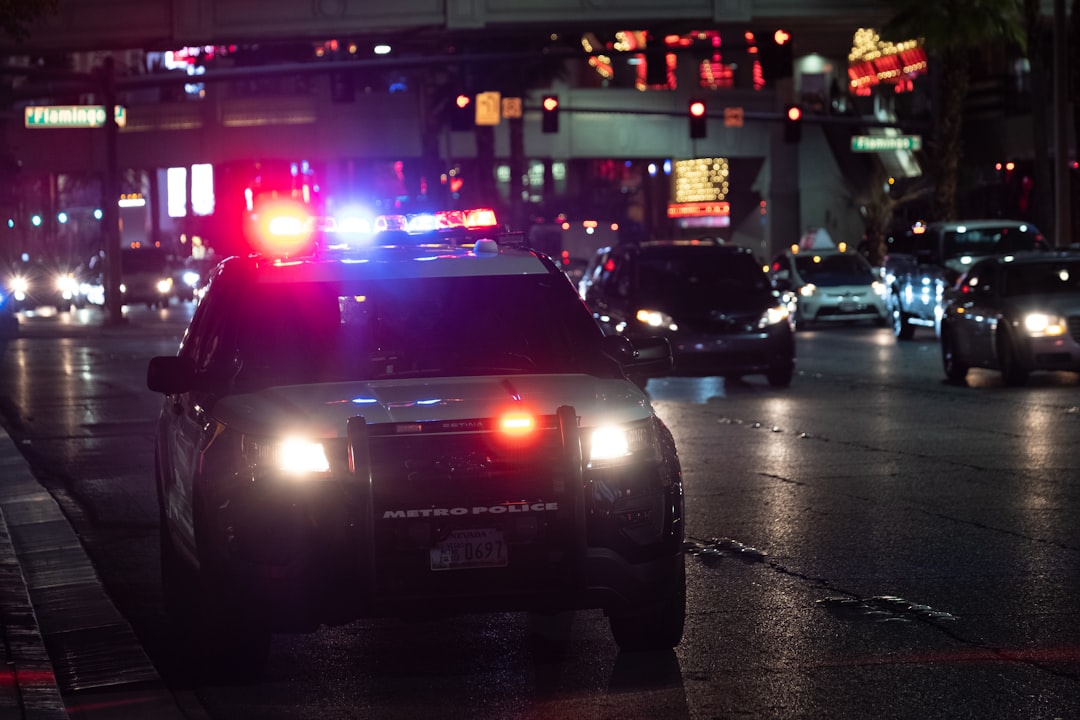
One survivor recounted a harrowing wait for help, claiming that police took approximately 13 minutes to reach the scene after the first calls came in. Even upon arrival, the response appeared hesitant, with officers reportedly holding back rather than engaging the shooters immediately, according to eyewitness accounts shared in media interviews. This delay has sparked widespread criticism, especially given the crowded, open nature of the location. New South Wales Police defended their actions, stating that tactical considerations were paramount in a fluid, high-risk situation. However, the timeline has fueled demands for a thorough review of emergency protocols.
Details emerging from official briefings reveal that responding units neutralized one threat quickly but faced challenges in securing the area amid ongoing panic. The involvement of two perpetrators complicated the operation, as they moved through the park firing at fleeing crowds. Critics point out that in such scenarios, every second counts, and the perceived inaction may have allowed the toll to climb higher. Police Commissioner Karen Webb addressed the concerns in a press conference, emphasizing the bravery of first responders who ultimately contained the attack. Still, families of the victims have called for transparency on why containment took precedence over swift intervention.
Strict Gun Laws Tested in a Gun-Free Environment
Australia’s stringent firearm regulations, enacted after the Port Arthur incident, have long been credited with curbing gun violence, yet this attack exposed vulnerabilities in enforcement. Bondi Beach, like many public spaces in the country, operates as a de facto gun-free zone, where civilians lack the means for immediate self-defense. The perpetrators, residents of western Sydney with ties to extremism, somehow obtained weapons despite these controls, raising questions about illegal trafficking. In a stark parallel, a separate shooting at Brown University in the United States on the same day claimed two lives in another gun-free campus setting, underscoring global challenges in preventing such incidents.
Experts note that while Australia’s laws have reduced overall mass shootings, targeted attacks by determined individuals bypass these measures. The Bondi event involved handguns rather than high-powered rifles, yet the outcome was devastating. Lawmakers have already signaled plans to tighten restrictions further, with Prime Minister Anthony Albanese vowing comprehensive reforms. Advocacy groups argue that beyond gun control, bolstering intelligence on radicalization is crucial. The incident serves as a reminder that no policy can fully eliminate risks in open, accessible areas.
National Mourning and Path Forward
In the wake of the tragedy, Sydney observed moments of silence, with floral tributes piling up along Campbell Parade. World leaders, including U.S. President Joe Biden, condemned the violence and offered condolences to the Jewish community. Investigations continue, with counter-terrorism units probing the suspects’ backgrounds and potential accomplices. Community leaders from the Chabad organization expressed resolve to rebuild, planning enhanced security for future events. The attack has prompted a surge in donations to victim support funds and heightened vigilance across Australian cities.
As the nation grapples with grief, discussions on resilience and prevention dominate public discourse. Enhanced training for law enforcement and community awareness programs may emerge as key responses. The Bondi Beach shooting not only claimed innocent lives but also tested the fabric of Australian society. What steps can ensure such horrors do not recur? Share your thoughts in the comments below.
Key Takeaways
- 15 people, including children, were killed in the Bondi Beach terrorist attack during a Hanukkah event.
- At least 40 others were wounded, with police response time estimated at 13 minutes by survivors.
- The incident occurred in a gun-free zone, highlighting limitations of strict firearm laws against determined attackers.