
Moving to the Pacific Northwest often comes with excitement over the mountains, coffee, and tech scene. Yet newcomers quickly notice something else: polite conversations that rarely turn into lasting friendships. This pattern, dubbed the Seattle Freeze, affects much of the region and leaves many feeling isolated despite the friendly surface.
Surveys back up the experience. In Washington, loneliness rates run higher than the national average, with recent data showing over four in ten residents feeling it occasionally.[1] A fresh 2026 study even links belief in the Freeze to fewer local ties.[2]
Roots in Regional History
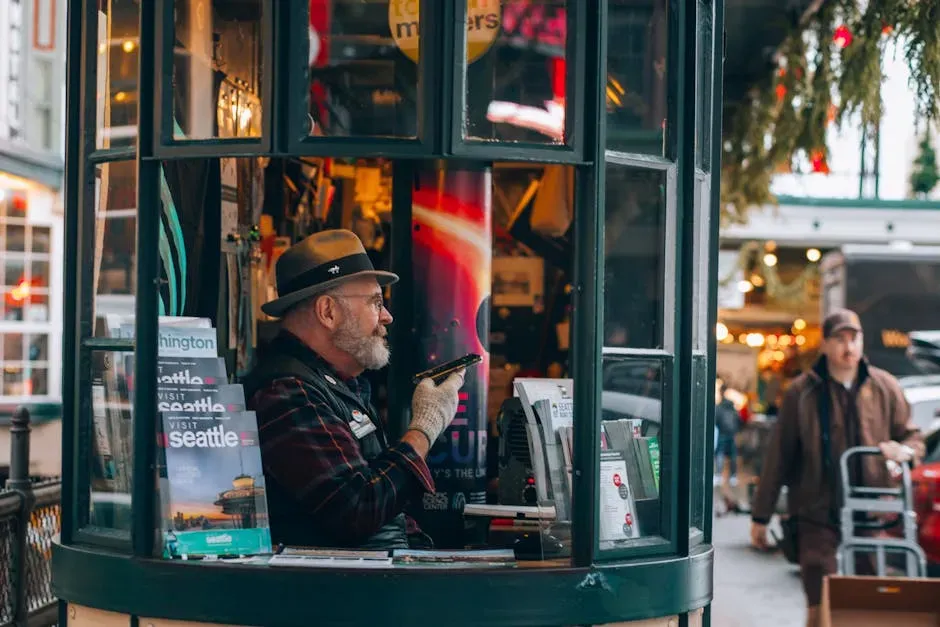
The term Seattle Freeze first appeared in a 2005 Seattle Times piece, capturing long-standing gripes about social reserve. Pacific Northwest culture draws from Scandinavian influences, where privacy and self-reliance run deep. Locals value space, leading to surface politeness without deeper invites.
Early reports like the 2014 Greater Seattle Civic Health Index highlighted low social cohesion compared to other cities. This sets a baseline where newcomers sense distance right away. History shows it’s not new, just amplified by growth.[3][4]
Endless Rain and Isolation
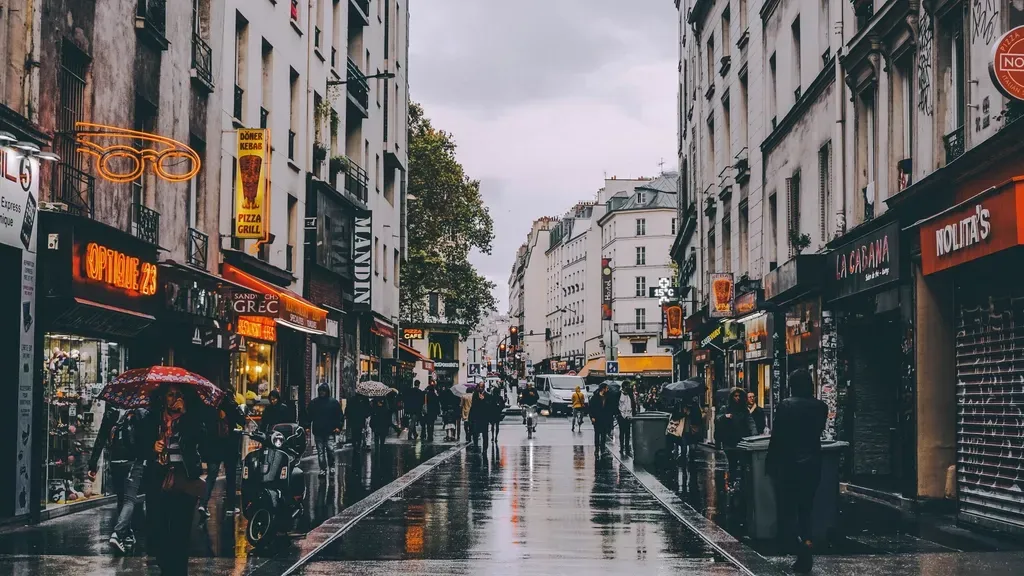
Overcast skies and frequent drizzle keep people indoors more than in sunnier spots. This weather discourages spontaneous chats on streets or parks. Studies note it fosters a hibernating mindset, making outdoor mingling rare.
Residents adapt by sticking to routines, rarely branching out. A 2024 piece tied this to higher seasonal blues in the area. Rainy habits reinforce the chill, even on clear days.[5]
Introvert Haven
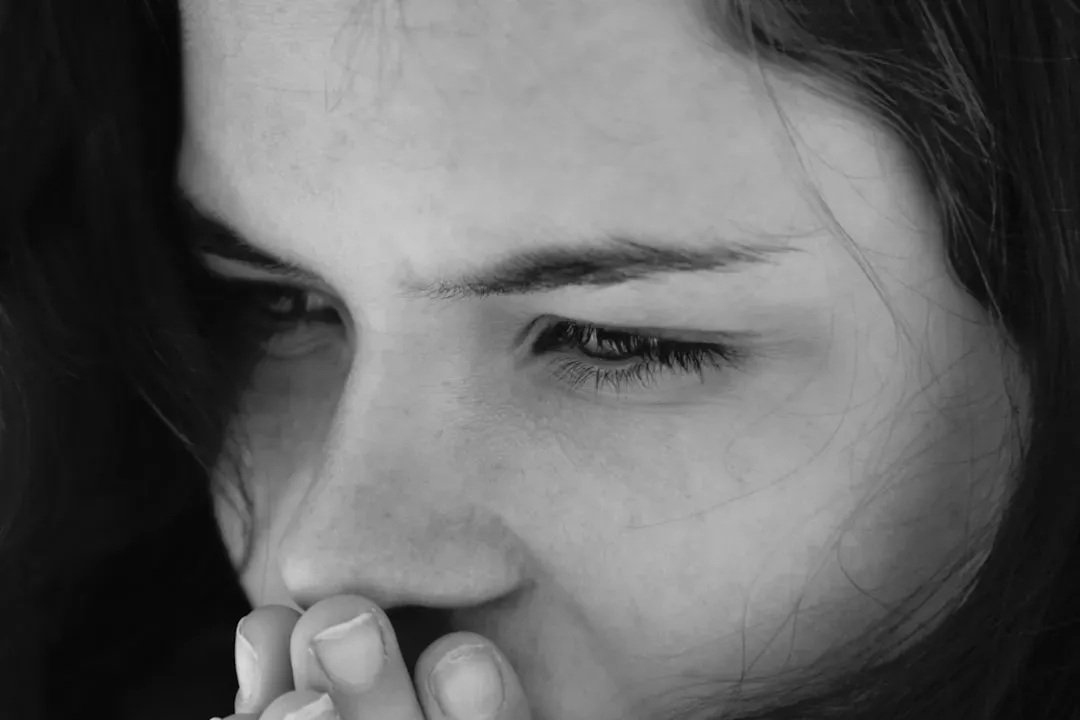
The region draws quiet types who prefer solitude over crowds. A 2008 psychological study ranked Washington low in extroverted behaviors. Tech jobs here favor independent workers, skewing the social pool.
Locals often misread enthusiasm as pushiness. This creates a mismatch for outgoing transplants. Data from 2019 surveys show nearly half avoid casual talks with strangers.[6][7]
Boom of Transplants
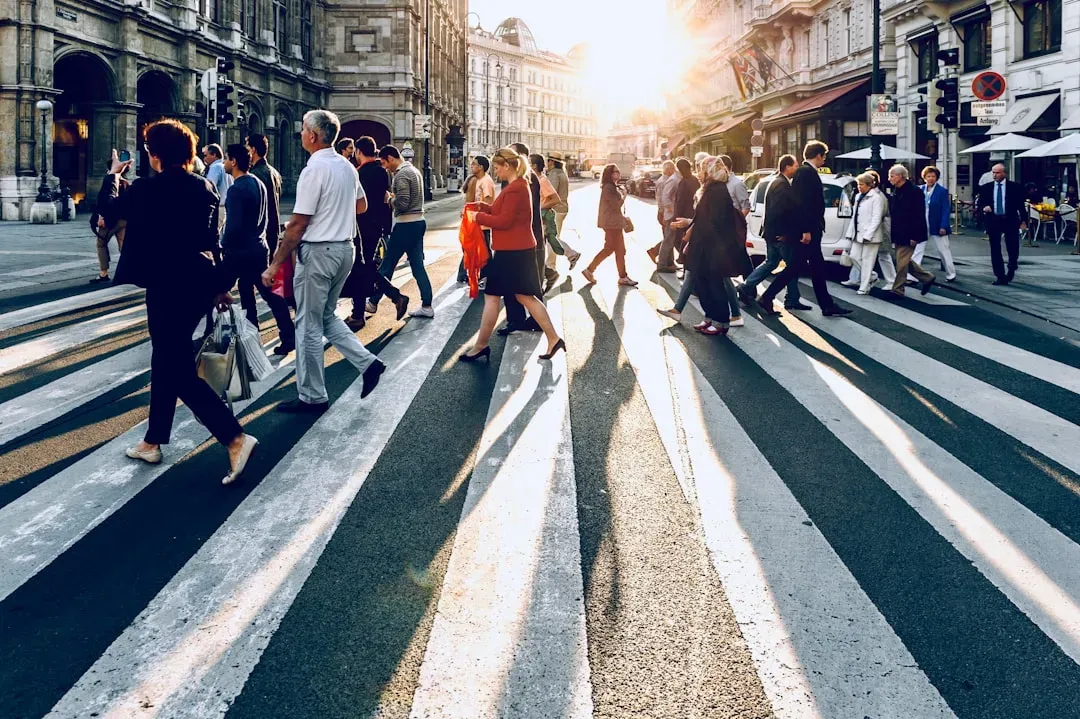
Over half the population moved here for work or school, diluting old networks. Everyone’s building anew, so few reach out first. This leaves a city full of isolates eyeing each other warily.
Recent stats peg Seattle’s native-born adults at just 30 percent. High mobility means commitments stay shallow. The influx strains social bandwidth across the board.[8][9]
Self-Fulfilling Stereotype
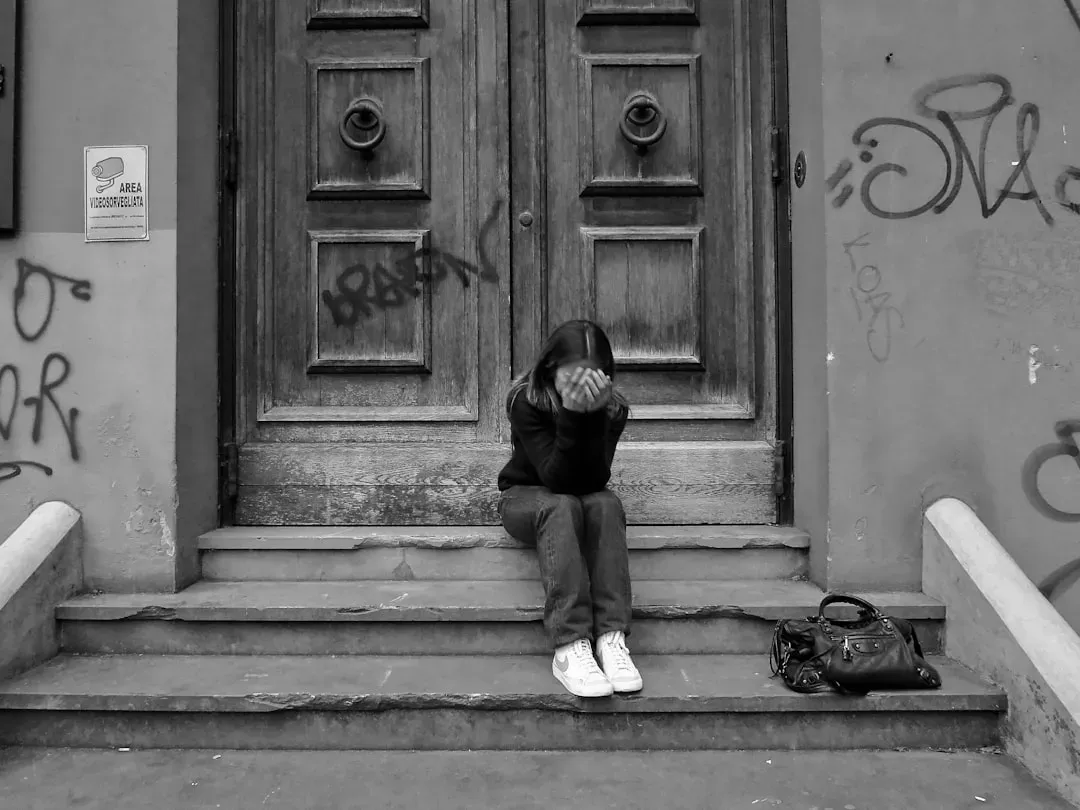
A 2026 study found believing in the Freeze predicts fewer friends and less belonging. Hearing about it primes newcomers to expect rejection, acting guarded in turn. Locals pick up on that vibe and mirror it.
Experiment showed exposure drops warmth ratings toward Seattleites. Over 38 percent affirm it’s real in polls, keeping the cycle alive. Expectations shape reality here more than most places.[2][10]
Loneliness Data Doesn’t Lie

Half of young Seattle adults reported loneliness in a 2024 survey of 200. Washington topped national averages, with 43 percent feeling it sometimes per Census data. These numbers exceed many peers.
Low friend-making priority hits 40 percent in PEMCO polls. Social media and post-pandemic habits worsen it. Facts paint a clear picture of widespread chill.[11][1][7]
Prioritizing Existing Circles

Many residents focus on family and work buddies over new faces. A 2019 poll found only about half see value in fresh friendships. Busy lives leave little room for outreach.
This norm passes down, making invites rare. Transplants mirror it to fit in. Result: stable but stagnant social scenes.[12]
Show Up Consistently
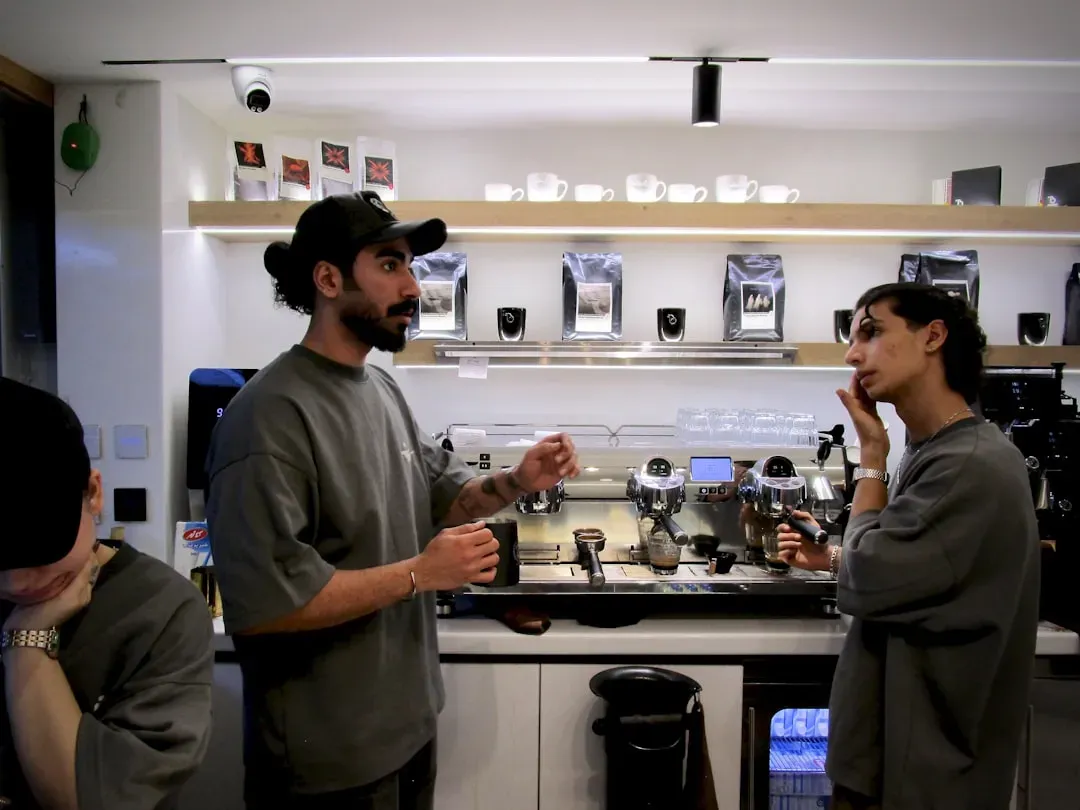
Pick a neighborhood coffee shop or bar and visit weekly. Faces become familiar, sparking nods then chats. Regulars warm to persistence over time.
Experts from UW advise against one-offs; repetition builds trust. Recent tips stress owning the beginner role without pressure. Steady presence thaws more than bold moves.[13]
Dive into Hobby Groups
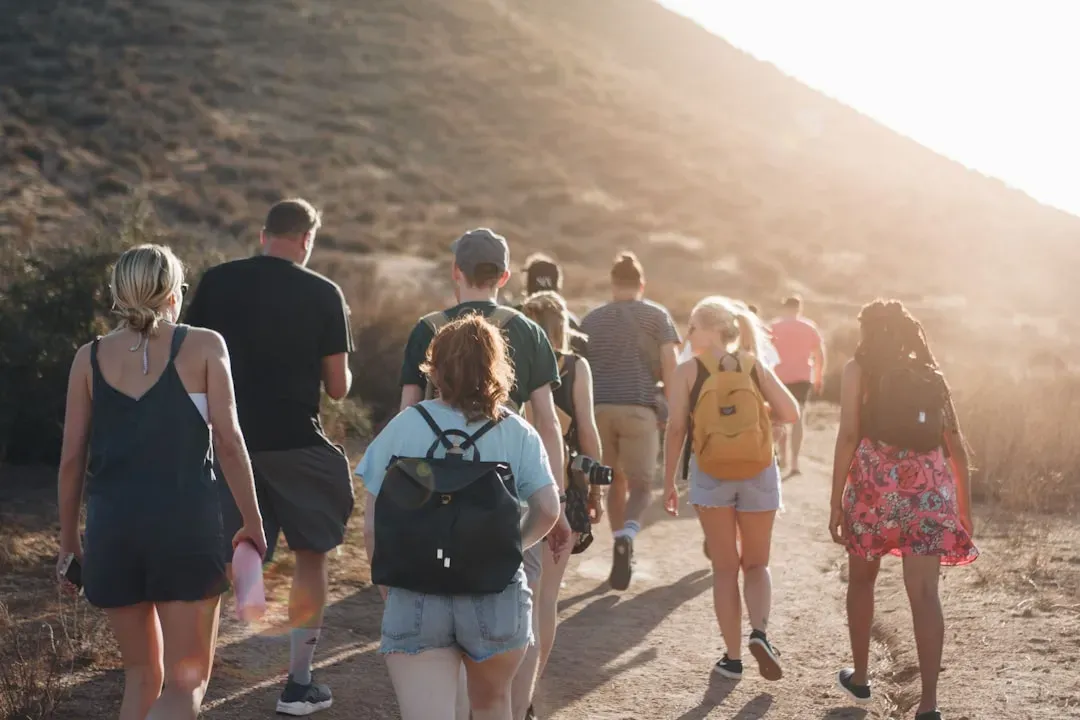
Join meetups for hiking, board games, or volunteering through apps like Meetup. Shared interests cut small talk straight to bonds. PNW loves outdoors, so trail clubs pack events.
A pilot program cut loneliness via hobby goals. TikTok creators now rally Gen Z to offline hangs. Structured settings lower the bar for connection.[11][14]
Be Direct, Stay Patient

After a good talk, suggest coffee outright: “Want to grab one next week?” Locals respect clarity amid the reserve. Follow up once, then let it breathe.
UW psychiatrists note grace for awkward starts helps. Avoid chasing icy groups; seek welcoming ones. Patience turns Freeze to familiarity eventually.[15]
Conclusion
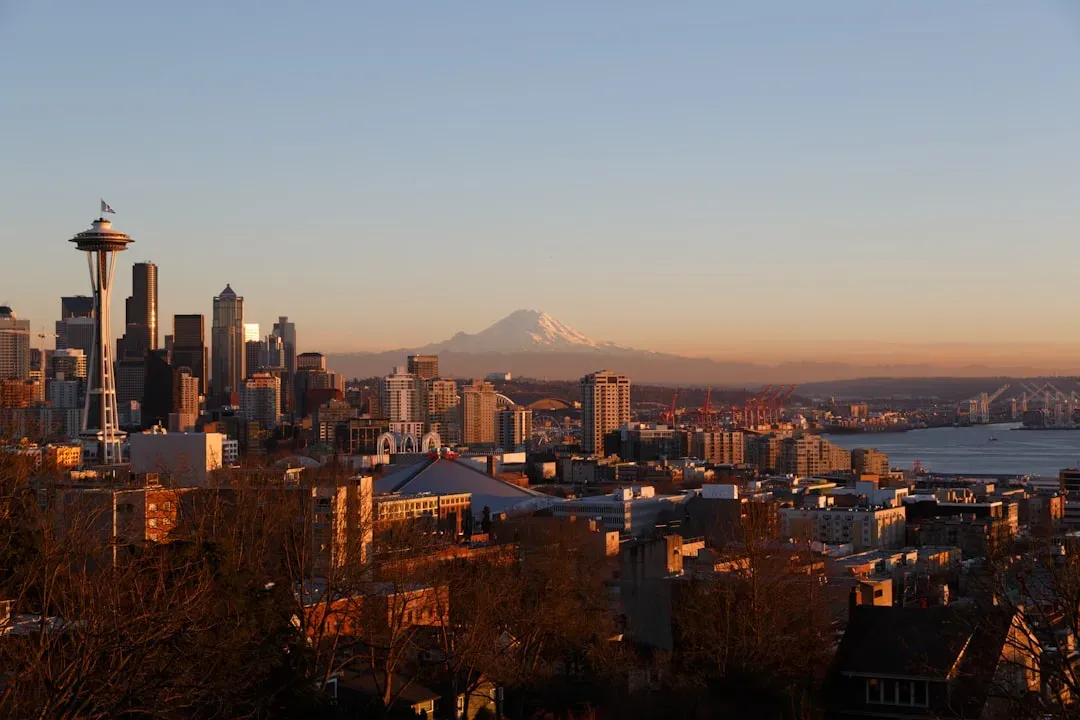
The Seattle Freeze stems from weather, culture, and expectations, backed by surveys and fresh research. Yet data shows interventions like groups work. Breaking through takes showing up as your persistent self.
In a region of quiet beauty, small steps invite real warmth. Connections here reward the steady hand over the flash. Give it time, and the thaw feels earned.