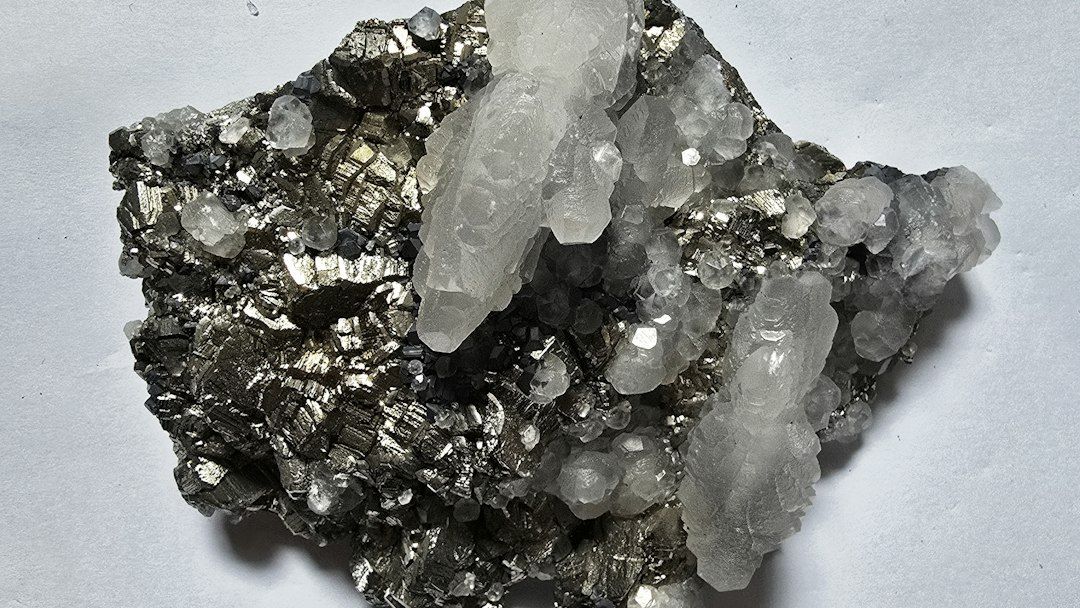

Most people look at their backyard and see a lawn, maybe a garden, a couple of trees. But what if the real story is happening several hundred feet below your feet? Beneath the ordinary surface of private land across America, a hidden world of minerals, metals, and energy resources may be sitting completely untouched, and in today’s climate of global resource scarcity, that idea is anything but far-fetched.
The world is in the middle of a critical minerals race. Electric vehicles, solar panels, wind turbines, and advanced batteries all need lithium, copper, rare earth elements, and dozens of other materials pulled from the ground. The demand is exploding. The supply chain is strained. Suddenly, what lies beneath a piece of land matters more than it ever has. So let’s dive in.
The Hidden Value Beneath Your Feet
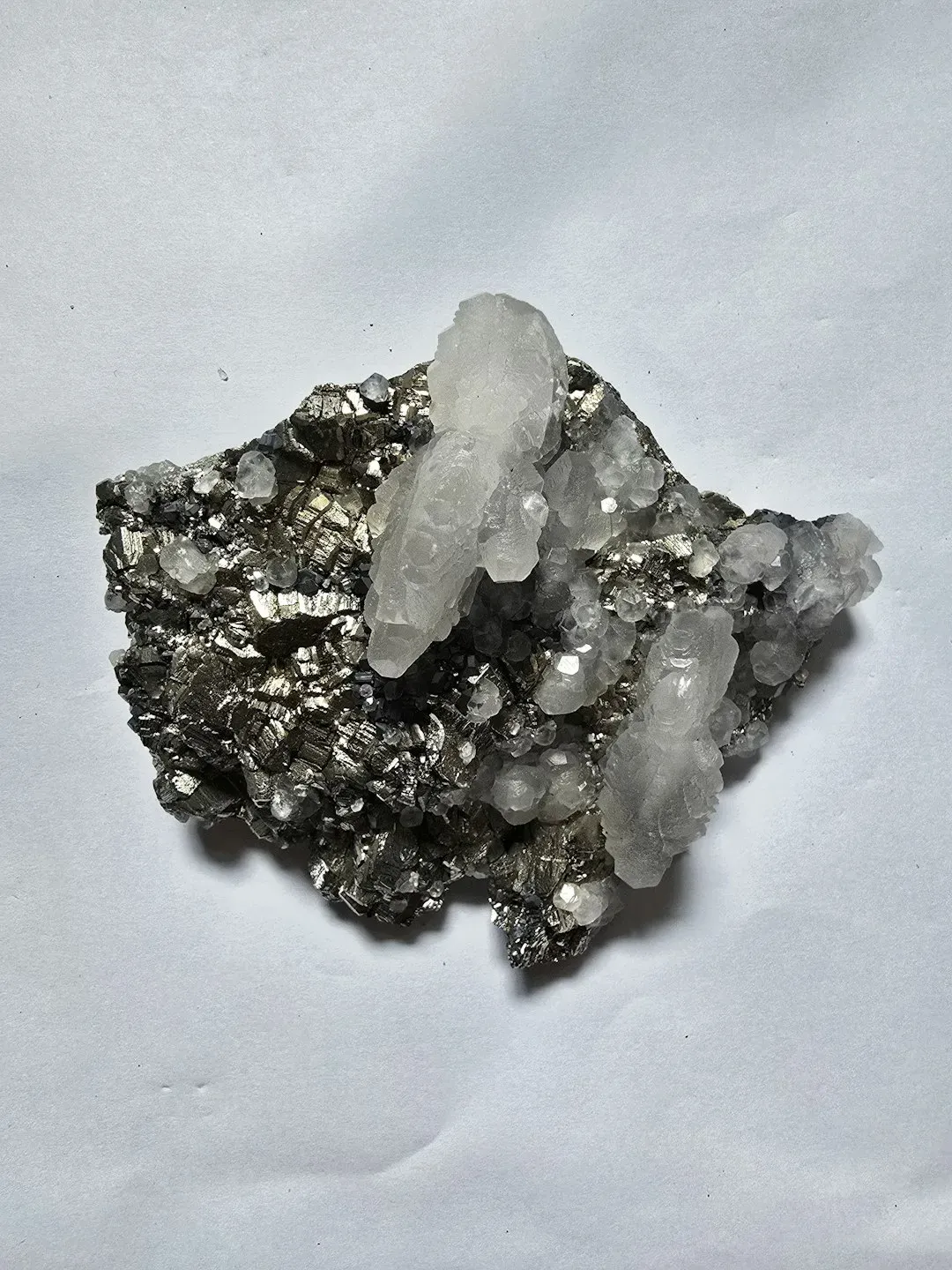
Here’s the thing most homeowners don’t think about: owning land and owning what’s under it are two completely different things. Mineral rights are legally separate from surface rights and can be owned independently by different parties. You could be living on top of a fortune and not even know it, while someone else entirely holds the legal claim to whatever is down there.
Modern mineral rights owners can explore and exploit their holdings personally, or they can monetize these rights through leasing arrangements with private companies. The range of what counts as a “mineral” is surprisingly broad. Hydrocarbons like oil and natural gas represent the most economically significant minerals in most regions, but precious metals like gold, silver, and platinum, base metals like copper and iron ore, and increasingly valuable rare earth elements like neodymium and lithium are all part of the picture.
Do You Actually Own What’s Below Your Yard?
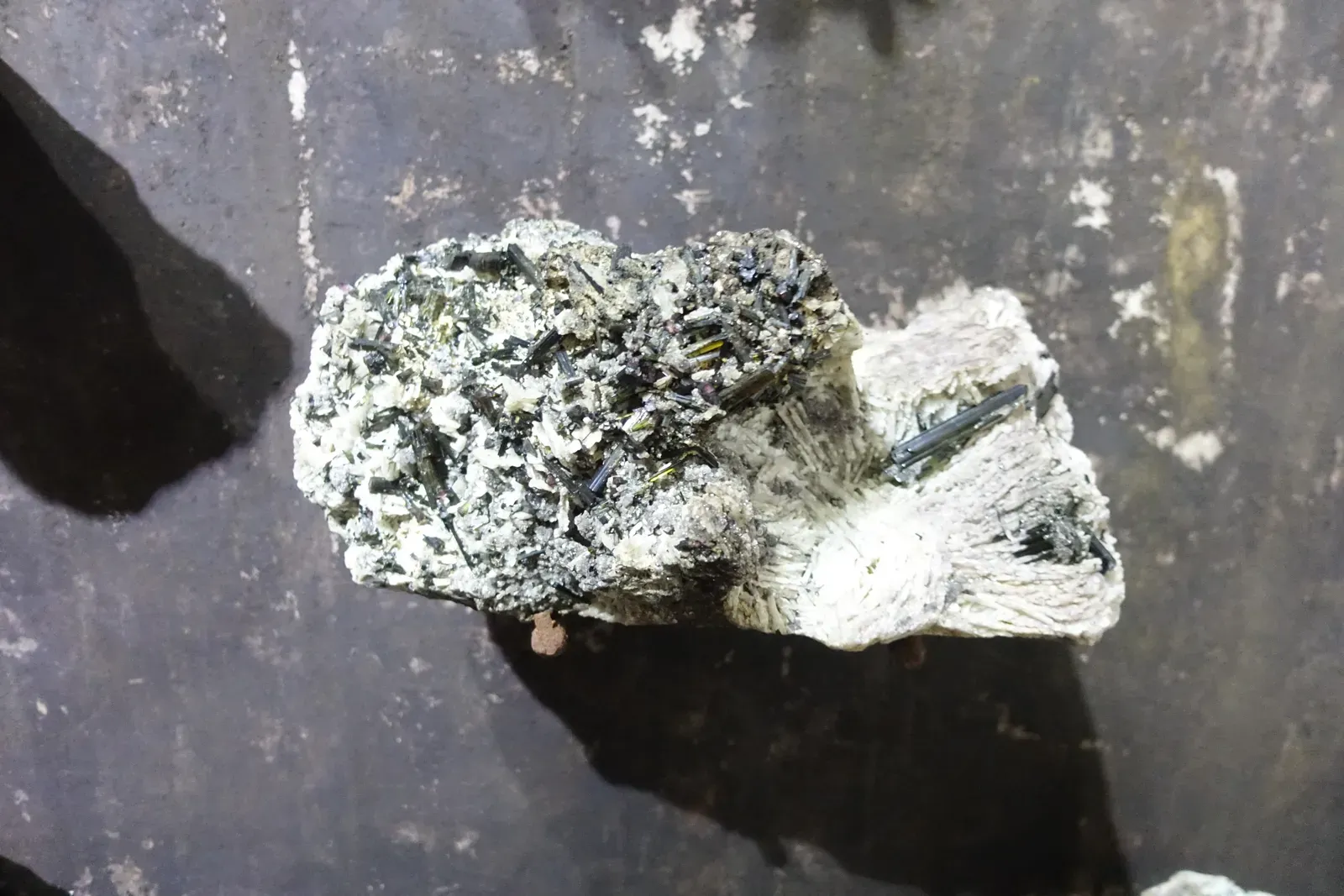
This is where things get genuinely surprising, and a little unsettling. When you buy a piece of land, it is not always evident whether or not you own the minerals. Mineral owners don’t even have to inform the surface owner that the mineral rights have been severed. You could have purchased your home, moved in, planted a garden, and have absolutely no idea that someone else owns a valuable stake in what lies beneath you.
In many cases, especially in areas with significant oil, gas, or coal deposits, these rights have been severed. One party owns the land itself while someone else, possibly a person, a company, or even the federal government, owns the minerals underneath. What’s more, if someone owns the mineral rights beneath your property and decides to lease them to an oil company, that company has the legal right to drill even without your permission as the surface owner. They must provide reasonable accommodation and compensation for surface damage, but they can proceed with extraction operations.
The Split Estate: A Legacy From the American West
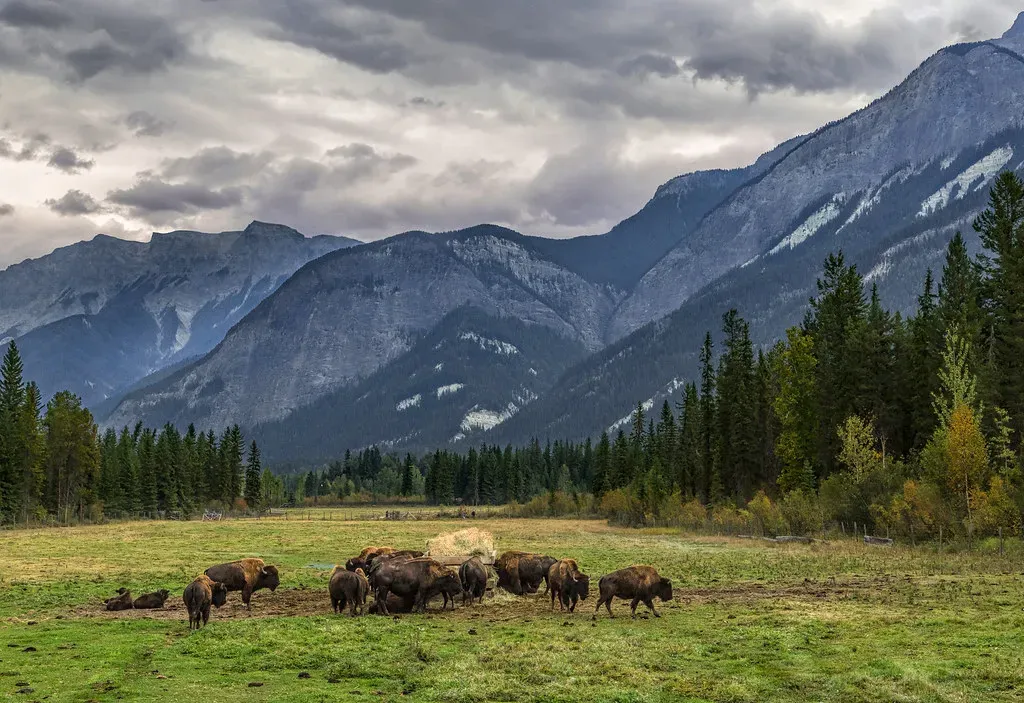
If you purchase property in many parts of the Rocky Mountain West, you may not be purchasing all of the surface and mineral estate, meaning the surface rights may be privately owned while the subsurface mineral rights belong to the Federal government. These “split estate” situations are the legacy of the Stock Raising Homestead Act of 1916. Think of it like buying a building but not the land underneath it. The concept sounds odd, but millions of acres across the U.S. work exactly this way.
As a result of historical homestead acts, millions of acres across states like Wyoming, Montana, Colorado, and New Mexico became split estates. Over the decades, the federal government leased these mineral rights to energy companies, creating the complex land ownership puzzle we see today. Split estates are prevalent in energy-producing states including Texas, Oklahoma, Pennsylvania, Louisiana, Colorado, and New Mexico. Honestly, that covers a lot of ground, literally and figuratively.
The Lithium Explosion: America’s Buried Treasure
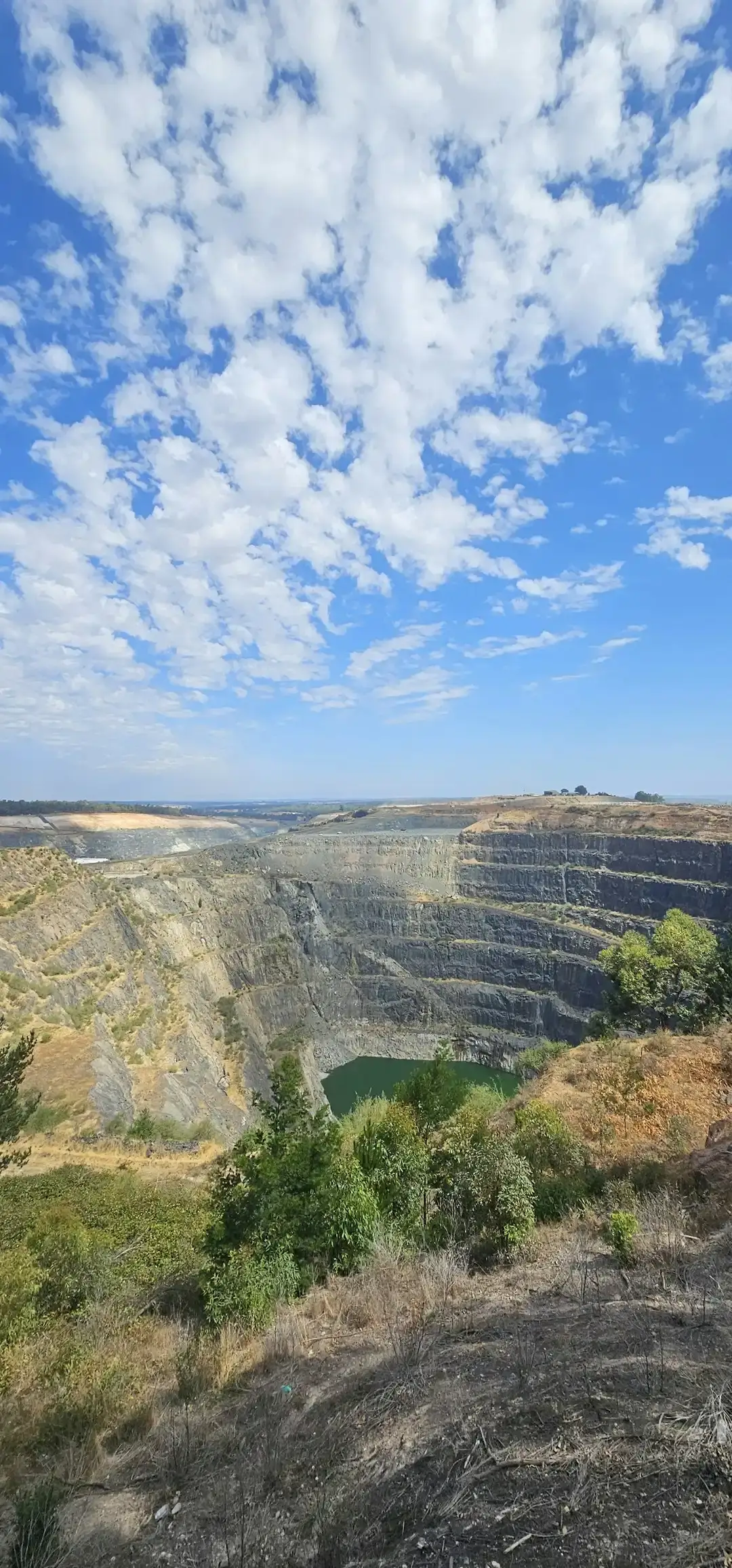
Of all the minerals driving the current resource frenzy, lithium is arguably the most talked-about. And the United States may be sitting on one of the most extraordinary deposits on Earth. A study published in the journal Science Advances estimates that the McDermitt Caldera, a large volcanic crater measuring approximately 45 km long and 35 km wide in southeastern Oregon and northern Nevada, hosts claystones containing 20 to 40 million metric tons of lithium.
The high end of the estimated resource easily dwarfs the amount of lithium held in Bolivia’s salt flats, which had long held the record for the most lithium resource with some 23 million metric tons. The Thacker Pass project within the caldera is already under active development. The project lies approximately 35km north of Lithium Americas’ Thacker Pass Project, which is currently under development with backing from General Motors and a low-interest loan from the U.S. Department of Energy. It’s a level of investment that tells you exactly how seriously this is being taken.
Why Lithium Demand Is Only Getting Bigger
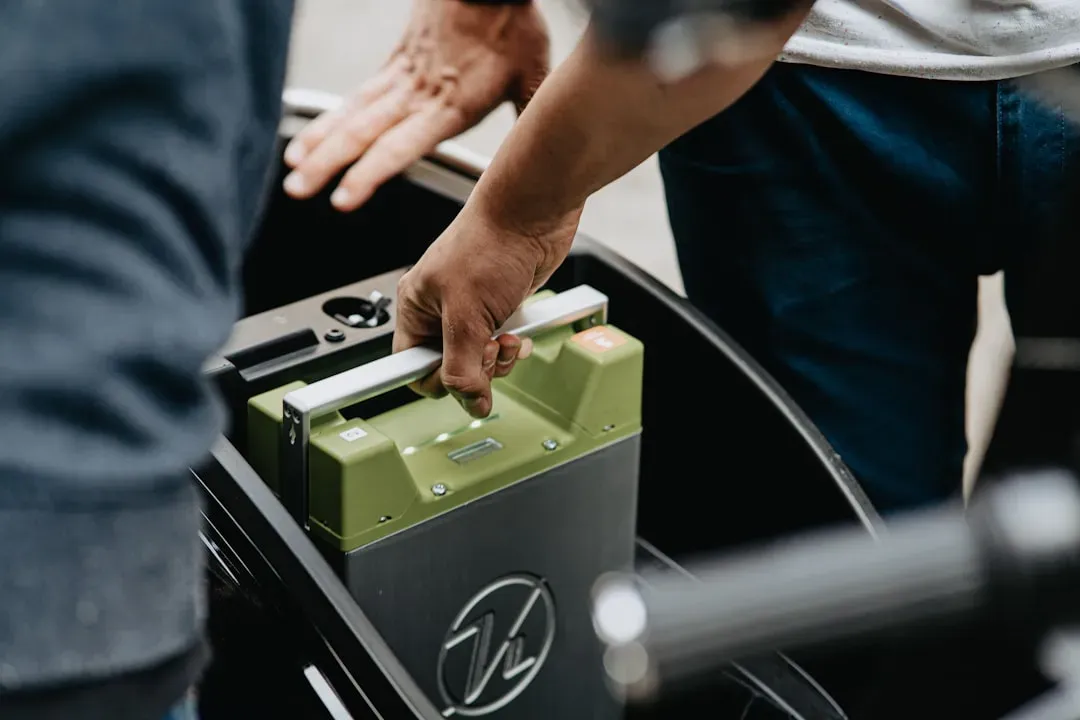
The numbers behind lithium demand are staggering, and they are moving fast. Lithium demand rose by nearly 30% in 2024, significantly exceeding the 10% annual growth rate seen in the 2010s. That kind of acceleration is almost hard to wrap your head around. It’s not a slow burn. It’s a surge.
In the Stated Policies Scenario produced by the IEA, lithium demand grows fivefold from today’s levels to 2040. The reason is clear enough. This growth is largely driven by energy applications such as electric vehicles, battery storage, renewables, and grid networks. Copper and lithium are major exceptions where expected mined supply from announced projects falls short of projected demand in 2035, with implied deficits of 30% for copper and 40% for lithium. In short, the world needs more, and supply is struggling to keep up.
Copper: The Unsung Critical Mineral in Your Backyard
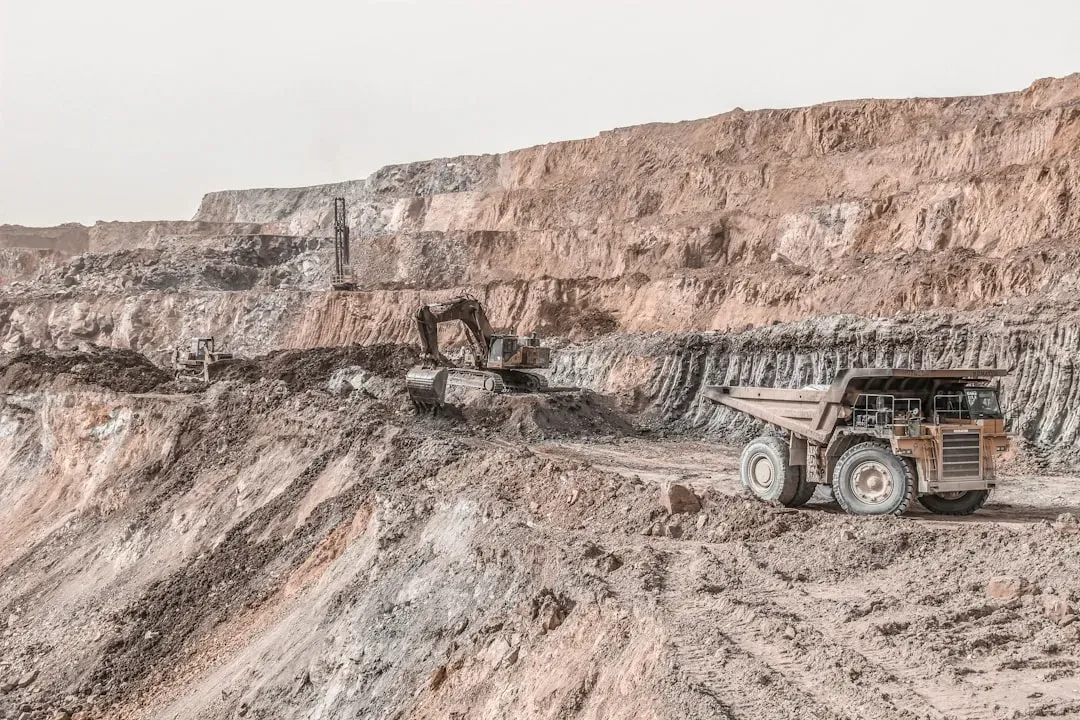
If lithium gets all the headlines, copper is quietly becoming one of the most strategically important metals on the planet. The International Energy Agency projects a critical 30% copper supply shortfall by 2035, with demand rising from 27 million tonnes in 2024 to 37 million tonnes by 2050 while mine output is expected to decline after the late 2020s. That’s not a small gap. That’s a chasm.
The projected copper deficit stems from declining ore grades, rising capital costs, and lengthy project development timelines that make copper particularly difficult to scale up compared to other critical minerals. Meanwhile, electric vehicles represent the fastest-growing demand segment for copper, with consumption projected to increase sevenfold from 2% of global copper demand in 2024 to 10% by 2050. Electricity networks and renewable energy infrastructure also remain significant demand drivers, with solar and wind installations requiring substantially more copper per unit of capacity than conventional power generation.
Rare Earth Elements: The Invisible Ingredients
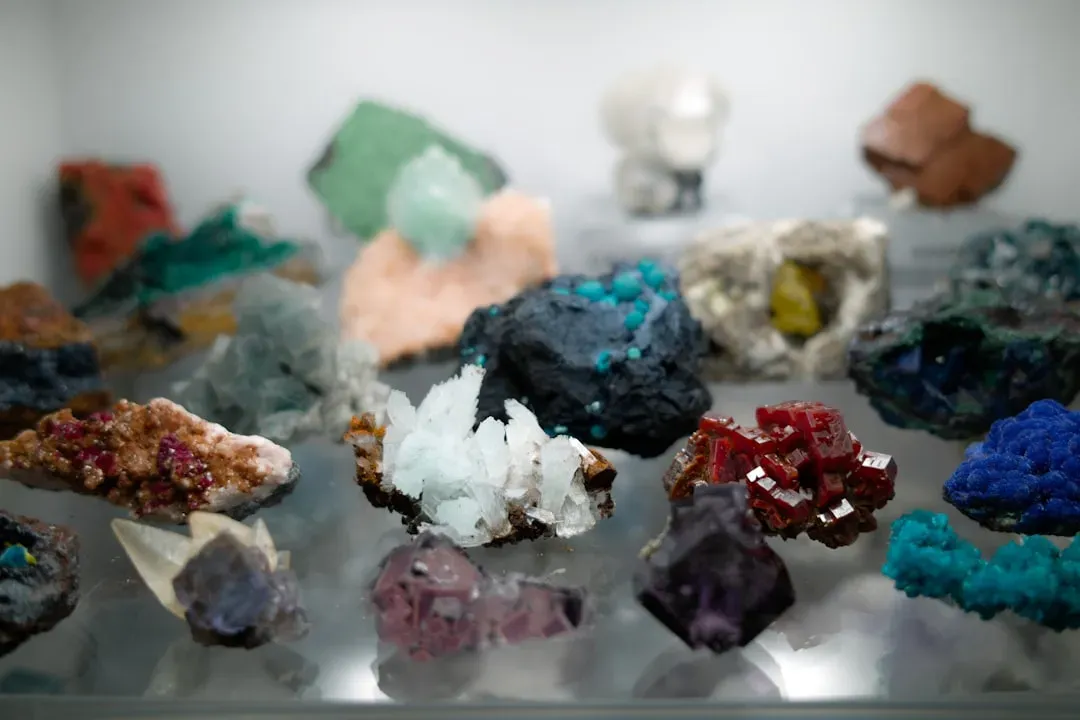
I know it sounds crazy, but the rare earth elements (REEs) that power everything from electric motors to military radar systems are present in surprising concentrations across the United States, including in states not traditionally associated with mining. According to USGS Mineral Commodity Summaries 2024, the U.S. holds significant untapped reserves of rare earth elements, particularly in states like Texas and Wyoming. These aren’t exotic places. People have backyards there.
Demand for cobalt and rare earth elements is also growing strongly, increasing 50 to 60% by 2040 according to IEA projections. Growing demand for permanent magnets, particularly from EVs and wind power, boosts the need for magnet rare earth elements specifically. The policy environment is catching up too. On January 20, 2025, President Trump issued an executive order to establish the U.S. position as the leading producer and processor of non-fuel minerals, including rare earth minerals, with the goal to create jobs, strengthen supply chains, and reduce the global influence of adversarial states.
The Financial Side: What Mineral Rights Are Actually Worth

Let’s be real: most people reading this want to know what it actually means for their wallet. According to the Mineral Rights Alliance, average oil and gas royalty rates range from 18.75% to 20% as of 2024, with premium Permian Basin locations commanding 25% royalty rates. These rates have increased substantially from the historical baseline of 12.5% as mineral owners have become more sophisticated about their assets’ value.
Just like in real estate, the location of your mineral rights matters enormously. Proximity to infrastructure, potential for future development, and legal jurisdiction are all critical influences on value. The financial potential ranges from modest to genuinely life-changing depending on what’s down there and where you are. The value of mineral rights can fluctuate based on market conditions, energy demand, and technological advancements. Staying informed about trends in oil, gas, renewables, and other sectors can help you decide when to lease, sell, or hold onto your rights.
Federal Land, Federal Rules: What Homeowners Must Know
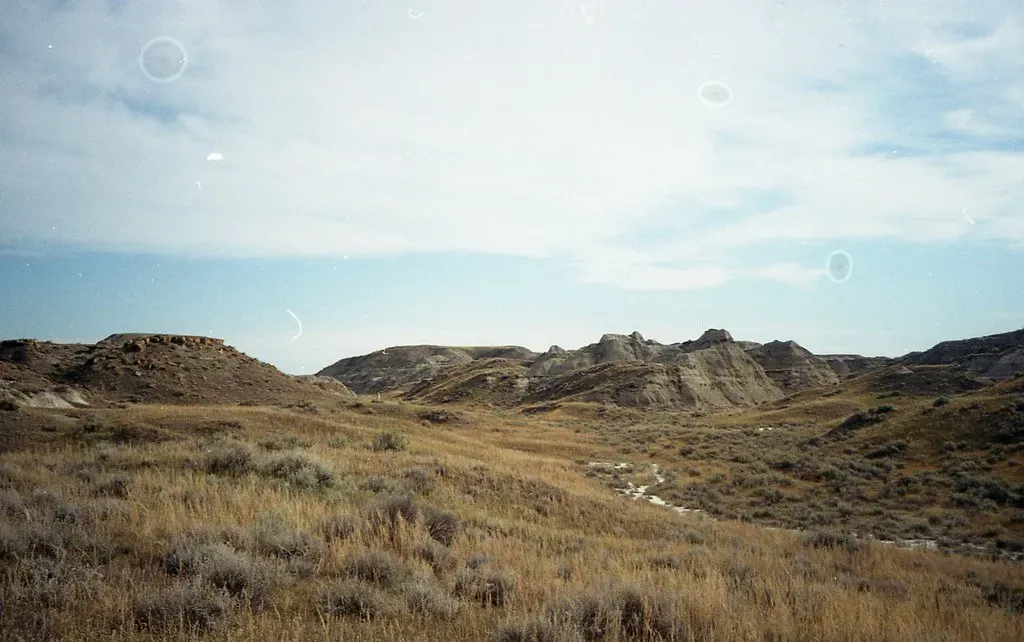
According to the Bureau of Land Management, federal mineral estates accounted for approximately 15% of domestic oil production and 9% of natural gas production in fiscal year 2024, with about 22 million federal acres under lease to energy developers. The federal government is a massive player in this space, and its rules reach into more private lives than most people realize.
Many homeowners discover only after purchasing or inheriting property that they do not actually own the minerals beneath their land. This lack of ownership can create challenges, especially if a mineral rights holder decides to pursue oil, gas, or other resource extraction. There’s also a timing element worth knowing. Some states, like North Dakota and Indiana, have laws that allow mineral rights to revert back to the surface owner if they remain unused for a certain period. These laws vary by state and can affect inheritance situations significantly.
The Clean Energy Race and What It Means for Ordinary Land
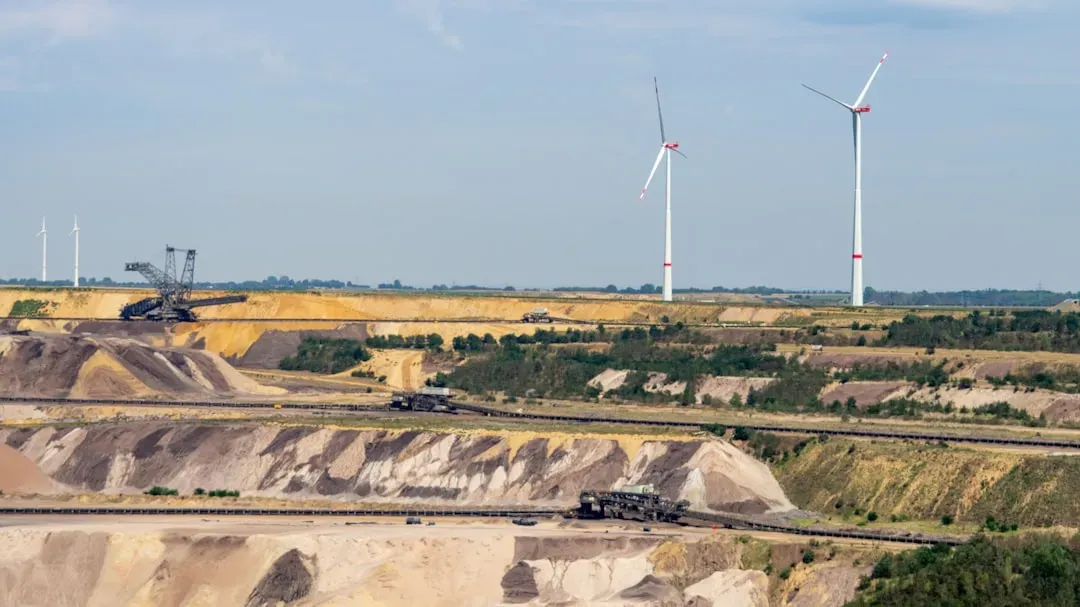
In a world of high geopolitical tensions, critical minerals have emerged as a frontline issue in safeguarding global energy and economic security. The wave of recent export restrictions highlights the strategic urgency of strengthening the resilience and diversity of critical mineral supplies as the world moves toward a more electrified, renewables-rich energy system. This is no longer just about energy companies. It’s about national security, and that changes everything.
Meeting the rising demand for critical minerals would require substantial investment for new mines and refineries. In the Stated Policies Scenario, around 500 billion USD in new capital investment is required for mining between now and 2040. That scale of investment creates a powerful ripple effect. Land that was unremarkable a decade ago is now potentially on the radar of major energy and mining corporations. In 2025, the McDermitt Caldera lithium project was designated a FAST-41 “Transparency Project,” recognizing its national strategic importance and unlocking an expedited federal permitting pathway. That’s how fast the landscape is moving.
How to Find Out What’s Beneath Your Property

So what do you actually do if you want to know whether your land holds something valuable? The first step is deceptively simple. Mineral owners don’t have to inform the surface owner about split mineral rights, so it’s not always clear when you buy a piece of land whether or not the mineral rights have been split. There are two things you can check to learn more: the deed and the title of a property.
Your property deed is the first place to look. Read it carefully for any language like “reserving all mineral rights” or “excepting oil, gas, and other minerals.” If the deed is unclear, conducting a full title search is the next step, which involves examining the entire chain of ownership for your property, often going back over a century. It’s a bit of detective work, but the reward could be enormous. If mineral development appears likely, negotiating a Surface Use Agreement can outline compensation, restoration requirements, and limits on activity. Consulting a landman, attorney, or mineral rights expert can also help you understand your rights and obligations.
Conclusion: The Ground Beneath You Might Be Worth More Than You Think
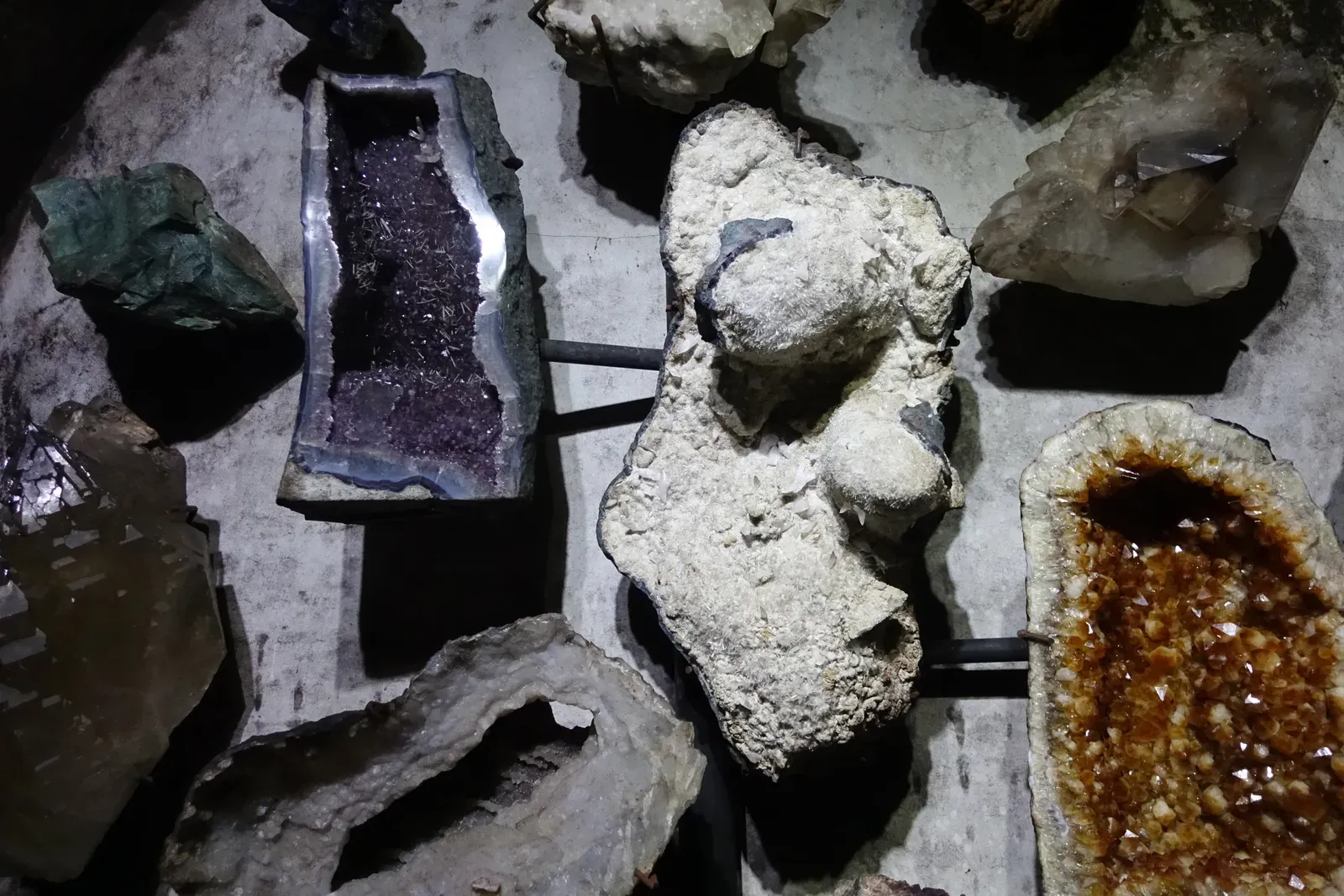
We are living through a genuine mineral reckoning. The clean energy transition, the EV boom, and the geopolitical scramble for supply chain security have made what lies beneath private land more strategically and financially significant than at any point in modern history. The ancient forces that shaped the geology beneath our feet had no idea they were creating trillion-dollar questions for the 21st century.
For ordinary homeowners, the message is simple but profound. Don’t assume you know what you own. The gap between surface rights and mineral rights is real, it’s legal, and it has real consequences. A title search and a conversation with a qualified attorney could reveal ownership stakes that change your financial picture entirely.
The next mineral rush might not be in some distant, exotic country. It could be happening quietly, right underneath the place where you park your car or let your kids play. What would you do if you found out your backyard held something the world desperately needed? Worth thinking about, isn’t it?