

Remote work has reshaped how Americans think about where they live. Since the pandemic, many have traded crowded cities for quieter spots with better quality of life. A handful of states now sweeten the deal with straight cash to lure newcomers, especially remote workers.
West Virginia, Oklahoma, and Kansas lead this trend. Their programs target population dips and economic boosts. These efforts reflect a broader shift as places fight for talent in a mobile world.[1][2]
The Remote Work Boom Fuels Change

Flexible jobs exploded after 2020, letting people pick homes based on lifestyle over commutes. States losing residents to Sun Belt havens saw opportunity in this freedom. Programs emerged to flip the script on outmigration.[2]
West Virginia, Oklahoma, and Kansas each crafted targeted incentives. They focus on remote pros ready for fresh starts. Early results show real traction, with thousands applying.[3]
West Virginia’s Ascend WV Program

Ascend West Virginia pays $12,000 cash to qualifying remote workers who relocate. Participants also get free outdoor gear rentals for rafting, skiing, and more across five regions. The package aims at those craving mountains over metros.[4]
Eligibility calls for full-time remote work outside the state and U.S. work authorization. Applicants commit to living there for at least a year. Over 79,000 have applied by late 2025, signaling strong interest.[3]
Success Stories from the Mountains
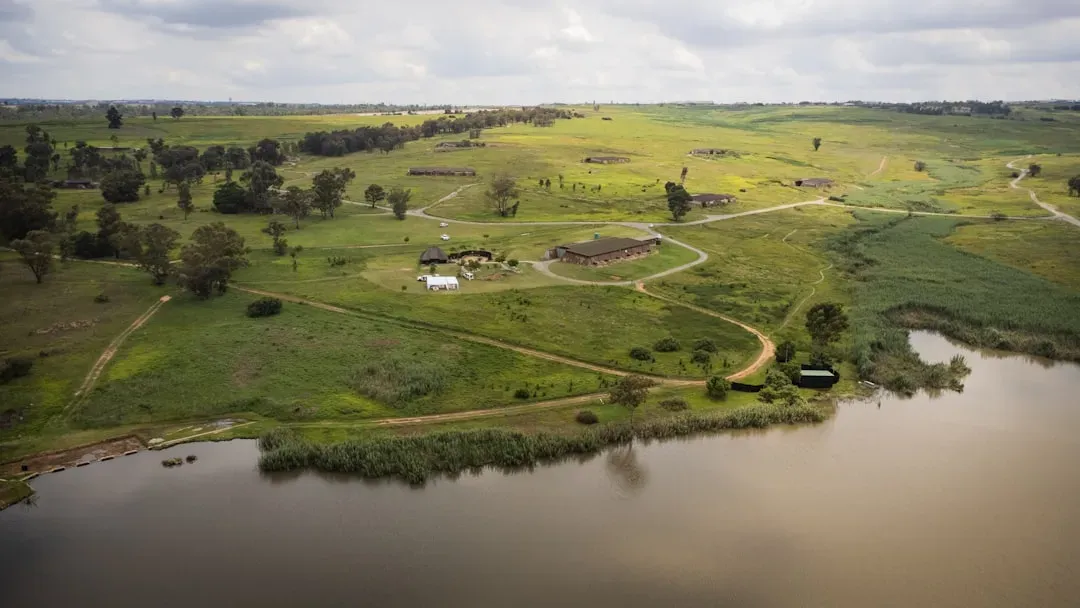
Nearly 1,000 people moved through Ascend by mid-2025, with 96% staying past four months. This retention beats expectations for such programs. The state touts unbeatable nature as the real draw.[5]
Communities like New River Gorge benefit from new energy and spending. Remote workers inject cash into local spots without straining infrastructure. It’s a model others watch closely.[4]
Oklahoma’s Tulsa Remote Pioneer

Tulsa Remote dishes out $10,000 grants to remote workers who settle in for a year. It includes a three-year coworking spot at Gradient. Launched in 2018, it predates the remote rush but thrives still.[6]
You need full-time remote income outside Oklahoma and to move within 12 months. Over 4,000 have joined by 2026, generating $878 million in local income. About 80% stick around longer than required.[6]
Tulsa’s Lasting Economic Lift

The program returns over $4 for every $1 invested, per studies. New residents boost housing, dining, and events without overwhelming services. Tulsa ranks high for move-ins in 2026 lists.[7]
Events and community ties keep folks hooked. It’s turned a steady city into a remote hub. Other towns copy the formula with tweaks.[8]
Kansas Chooses Topeka for Growth

Choose Topeka offers up to $15,000 for relocators, both remote and onsite with local jobs. Cash covers moving and settling in Shawnee County. Affordability pairs with the incentive nicely.[2]
Remote applicants qualify after three months in town; others tie to employers. The program stresses financial perks amid Midwest living costs. It’s drawn steady interest amid national buzz.[9]
Why These States Need New Blood

Population stagnation hits Rust Belt and Appalachia hard. Young talent leaves for coasts, hollowing economies. Cash lures fill jobs and homes without big tax hikes.[2]
Remote work lets states skip traditional recruitment. They bet on lifestyle selling itself post-move. Data backs the gamble so far.[1]
Eligibility Across the Board

Common rules demand remote full-time gigs, age 18+, and U.S. eligibility. Stays run one to two years to claim full cash. Proof of move via leases or utilities seals it.[4]
Applications go online with quick reviews. Not everyone wins spots due to volume. Prep docs early for smooth sailing.[6]
Challenges and Realities

Not all moves pan out; winters test resolve in these spots. Incentives cover basics but not full relos. Locals sometimes eye newcomers warily at first.[2]
Programs evolve with demand, adding perks like bikes or gym passes. Success hinges on community fit. Research beats impulse every time.[1]
Looking Ahead to More Moves
By 2026, dozens of places mimic these models. Competition sharpens as remote stays mainstream. States track ROI closely for tweaks.[10]
These three lead by proving cash works when paired with charm. More data will refine who thrives where. The trend points to ongoing shifts.[11]
Final Thoughts

If a fresh start calls, these states make it tempting. Weigh the cash against your needs. Real change starts with the right fit, dollars or not.