Picture this: a lively chorus filling your backyard each morning, flashes of color darting between feeders and bushes. Nearly 60 million Americans feed birds at home, as reported by the U.S. Fish and Wildlife Service’s National Survey. It’s a simple joy that connects us to nature right outside our door.
These feathered visitors aren’t just pretty faces. They bring life to our spaces, and with a few tweaks, you can turn your garden into their favorite hangout. Ready to roll out the welcome mat?
Northern Cardinal
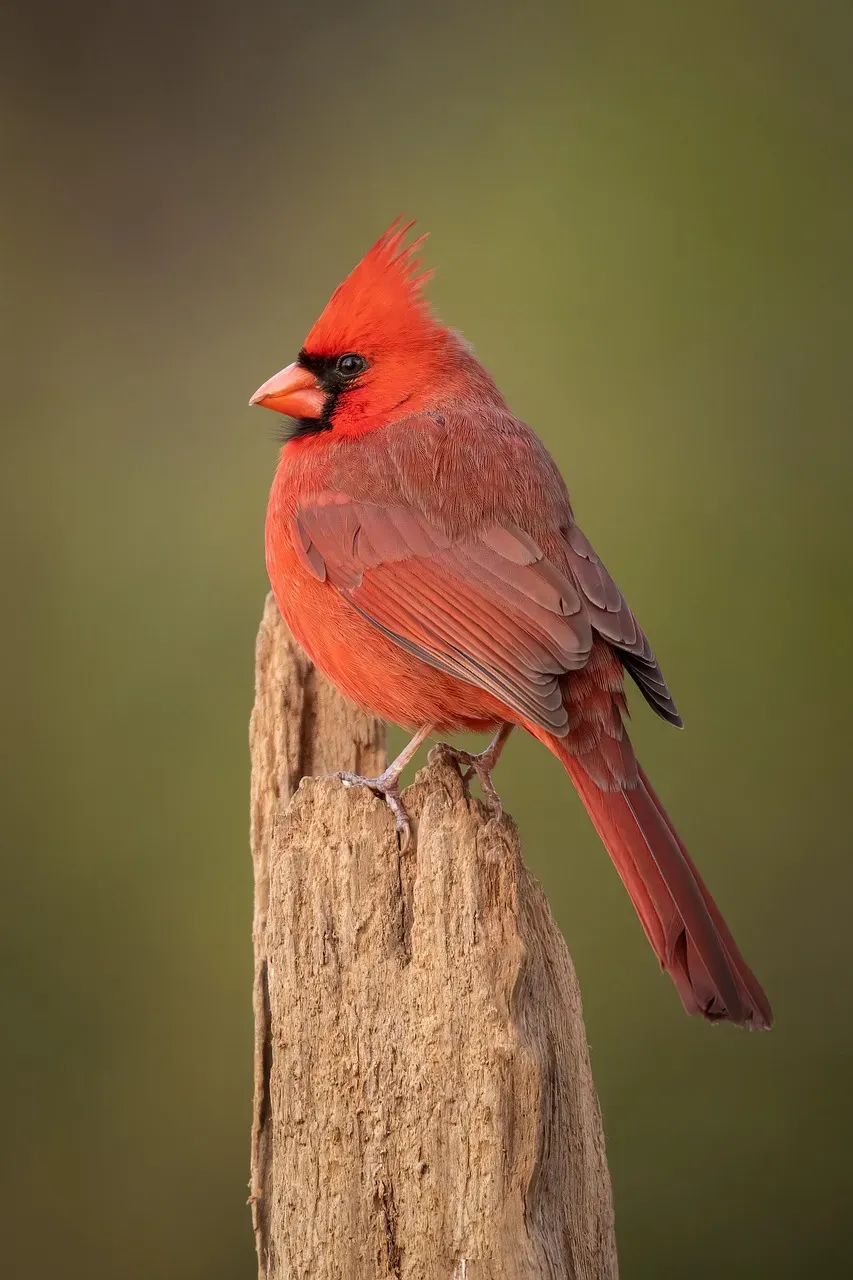
The Northern Cardinal stands out with its vivid red plumage and cheerful whistle, a year-round resident in eastern backyards according to the Cornell Lab of Ornithology. Males especially catch the eye, belting out songs to claim territory. They stick around through winter, making them reliable sights.
Offer black oil sunflower seeds on a hopper or platform feeder to draw them in, since the National Audubon Society calls sunflower one of the best all-purpose foods. Plant dense shrubs like dogwood for nesting cover and berries. A shallow birdbath seals the deal, as they love sipping and splashing daily.
American Robin
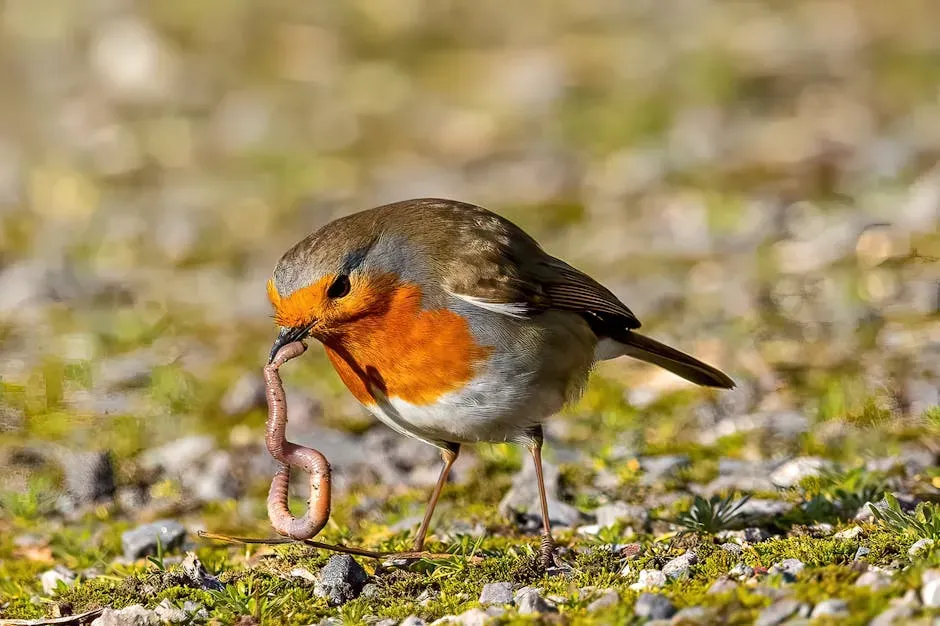
American Robins rank among North America’s most abundant birds, with Partners in Flight estimating around 310 million individuals. Spot them tugging earthworms from lawns or hopping through grass in spring flocks. Their rusty breasts and upbeat cheer-ups make them unmistakable.
Scatter mealworms or chopped fruits on the ground to tempt them, avoiding hanging feeders they ignore. Grow native berry bushes like serviceberry, which the National Audubon Society recommends for natural feasts. Keep a puddle or birdbath nearby, since robins crave baths more than most.
Blue Jay
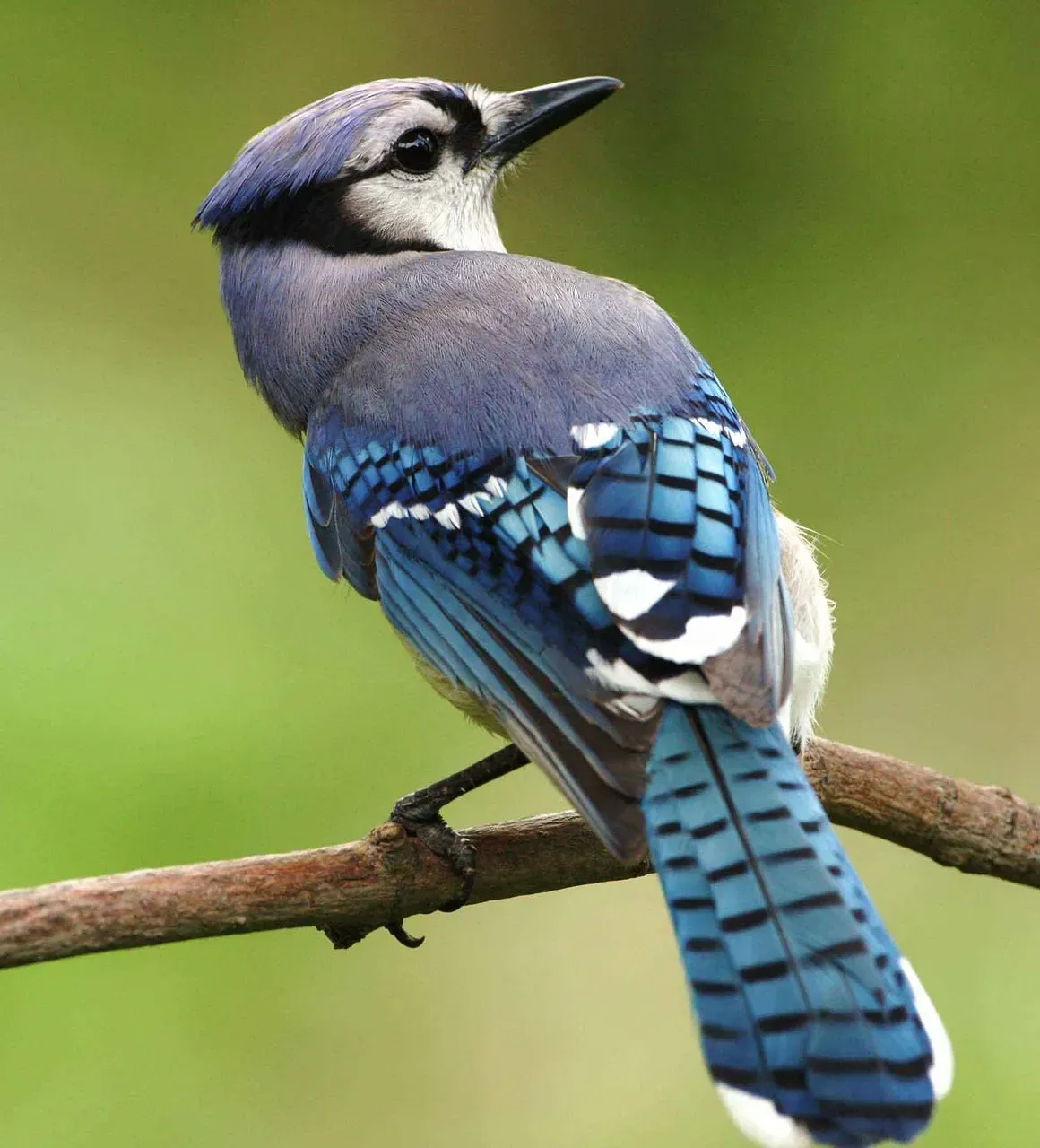
Blue Jays belong to the clever crow family, stashing acorns and seeds to aid oak dispersal, per the Cornell Lab of Ornithology. Their bold blue crests and raucous calls command attention at feeders. They travel in noisy family groups, adding drama to any yard.
Stock peanuts in the shell or sunflower seeds in tray feeders, as they prefer easy access. Suet cakes work wonders in winter. Dense evergreens provide safe perches and mimic their woodland homes.
Honestly, their smarts impress me, remembering feeder spots across seasons.
Black-capped Chickadee
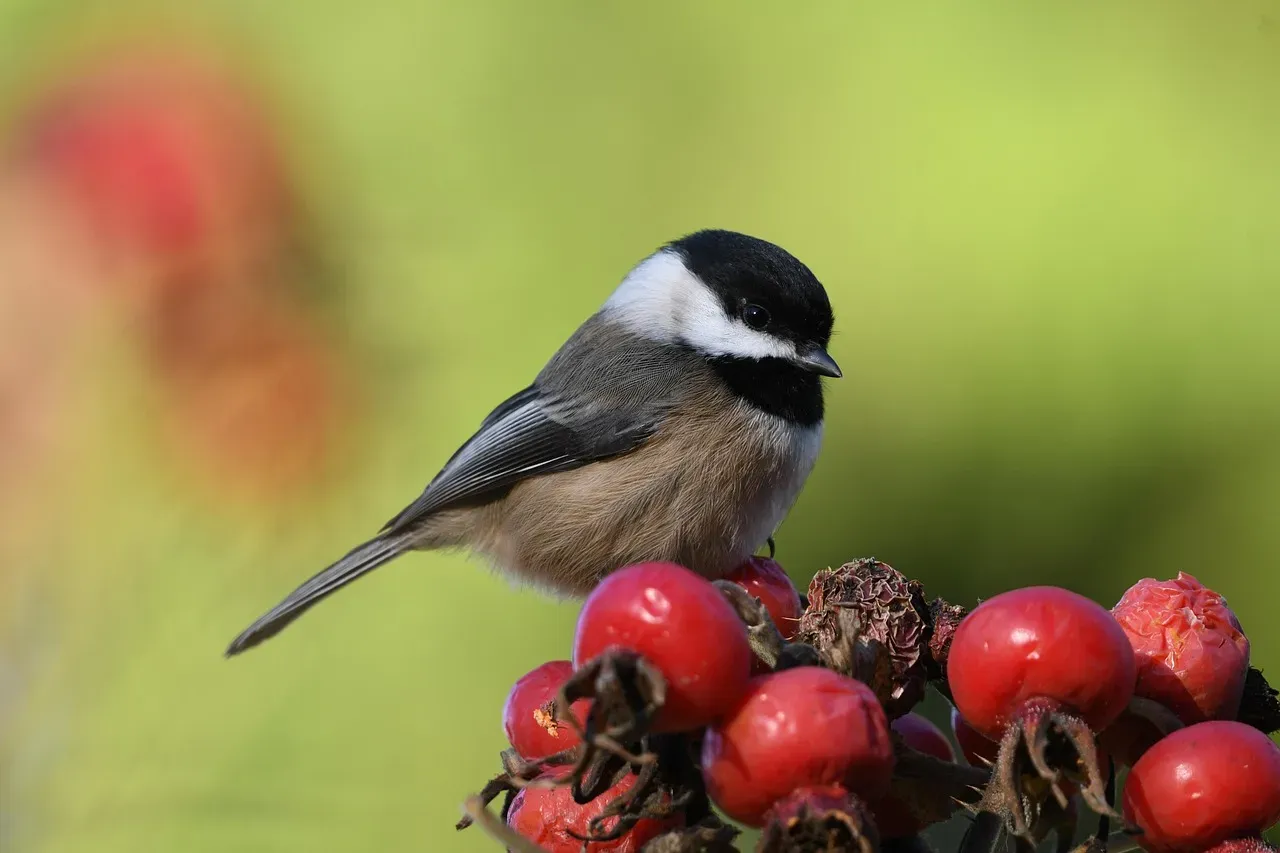
Black-capped Chickadees boast impressive memories, recalling hundreds of food cache spots to endure harsh winters, notes the National Audubon Society. These tiny acrobats with black caps flit busily, chick-a-dee-dee calling nonstop. They’re winter feeder stars across the north.
Nyjer seed in tube feeders or black oil sunflower in mesh socks pulls them close. Suet nuggets offer high-energy boosts. Cluster nest boxes and thickets for roosting, boosting their numbers.
Plant conifers too, since native vegetation supports far more species, as the National Wildlife Federation research shows.
House Sparrow
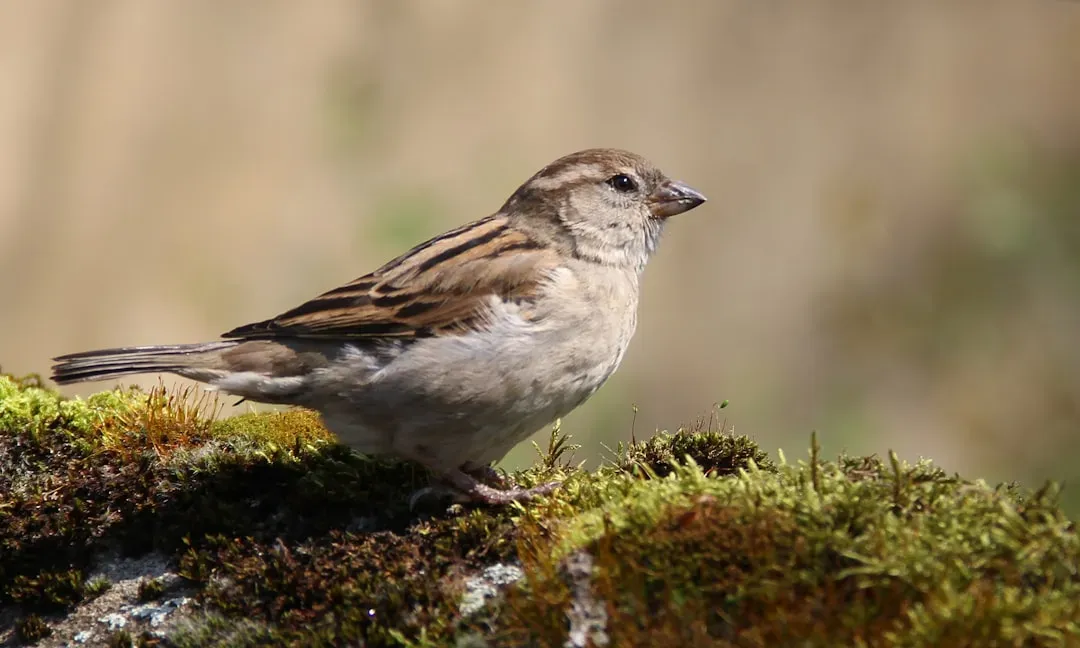
House Sparrows thrive as one of the world’s most urban birds, introduced to North America in the 1850s by the Smithsonian Migratory Bird Center. Brown-streaked males chirp boldly near homes. They flock year-round, outcompeting natives at times.
Millet or cracked corn on platform feeders keeps them coming. They ignore picky eaters, grabbing scraps too. Open areas with nearby eaves suit their nesting habits perfectly.
Though common, mix in native plants to balance your yard’s bird diversity.
Mourning Dove
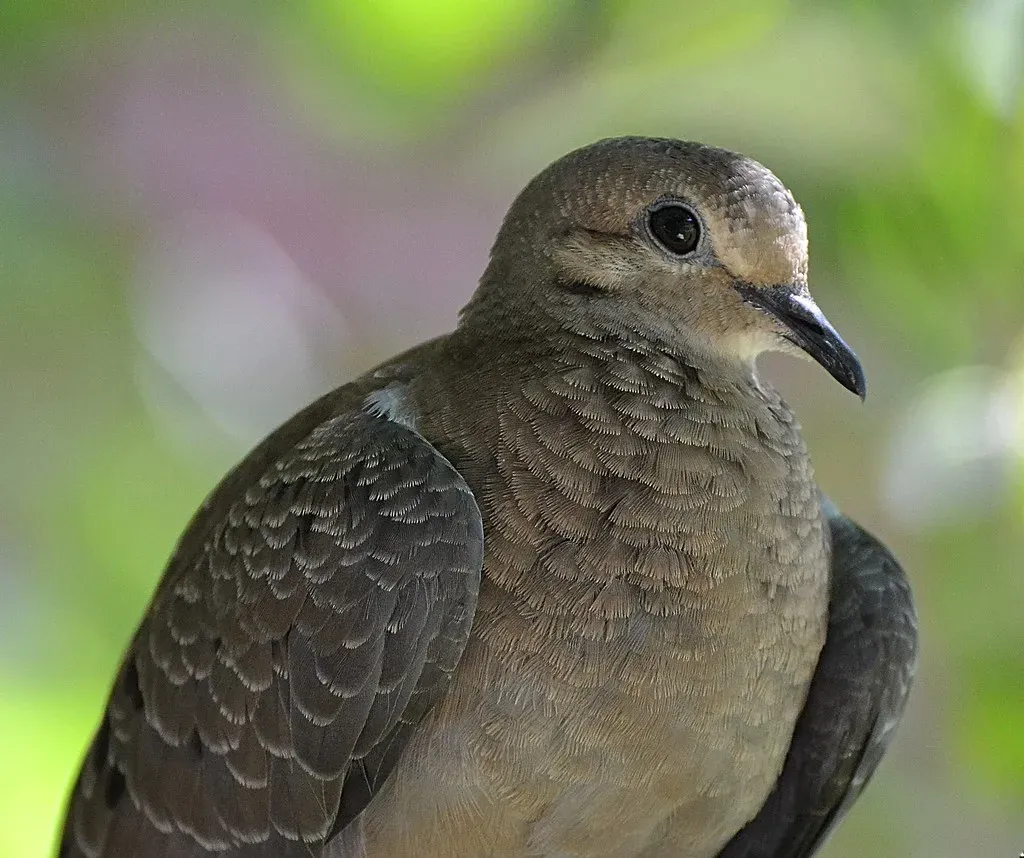
Mourning Doves top feeder lists in many regions, per Project FeederWatch data from the Cornell Lab. Their soft coos and slender bodies evoke peace on ground or platforms. They flock in dozens, scarfing seeds swiftly.
White proso millet sprinkled below feeders delights them. Avoid small perches, as they prefer flat spots. Water features draw them for drinking and dust bathing rituals.
They’re gentle souls, rarely bullying others.
American Goldfinch
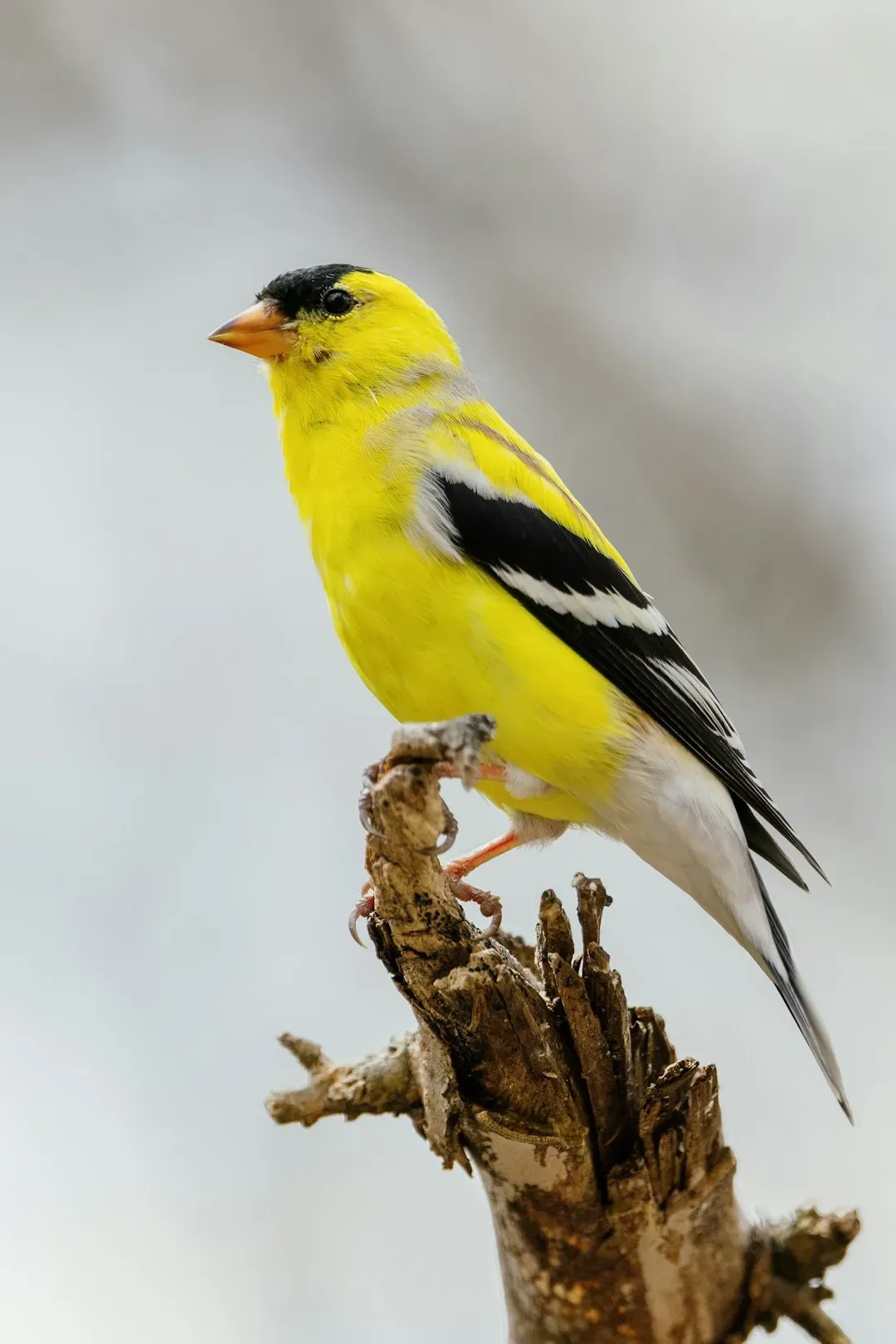
American Goldfinches glow lemon-yellow in summer, a feeder favorite nationwide via Cornell’s counts. They undulate in flight, calling po-ta-to-chip. Nyjer thistle is their obsession.
Hang finch sock or tube feeders stocked with nyjer or sunflower chips. Fresh seed rotates flocks weekly. Asters and sunflowers in the garden extend their stay into fall.
Native plants here multiply species eightfold, says the National Wildlife Federation.
Downy Woodpecker
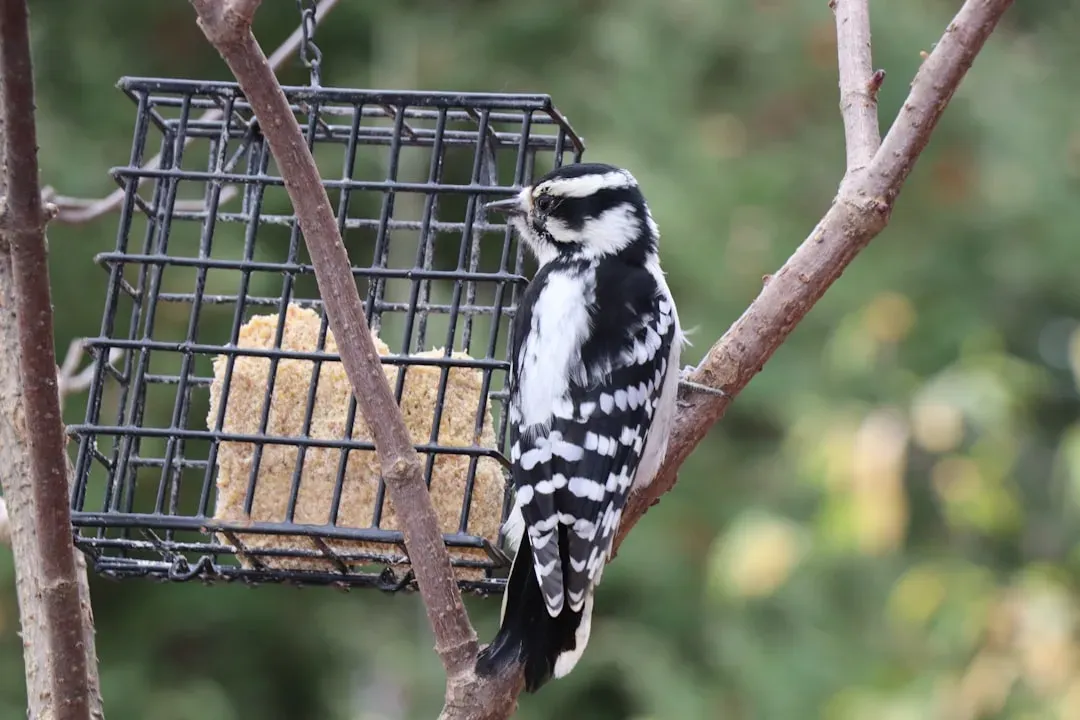
Downy Woodpeckers, smallest woodpeckers, peck busily at suet, ranking high in FeederWatch tallies. Black-white patterns with red caps on males charm up close. They cling to feeders year-round.
Suet cages or logs smeared with peanut butter hook them fast. Black oil sunflower backups work too. Dead snag trees or woodpecker houses invite drumming displays.
They’re quiet neighbors compared to louder cousins.
House Finch
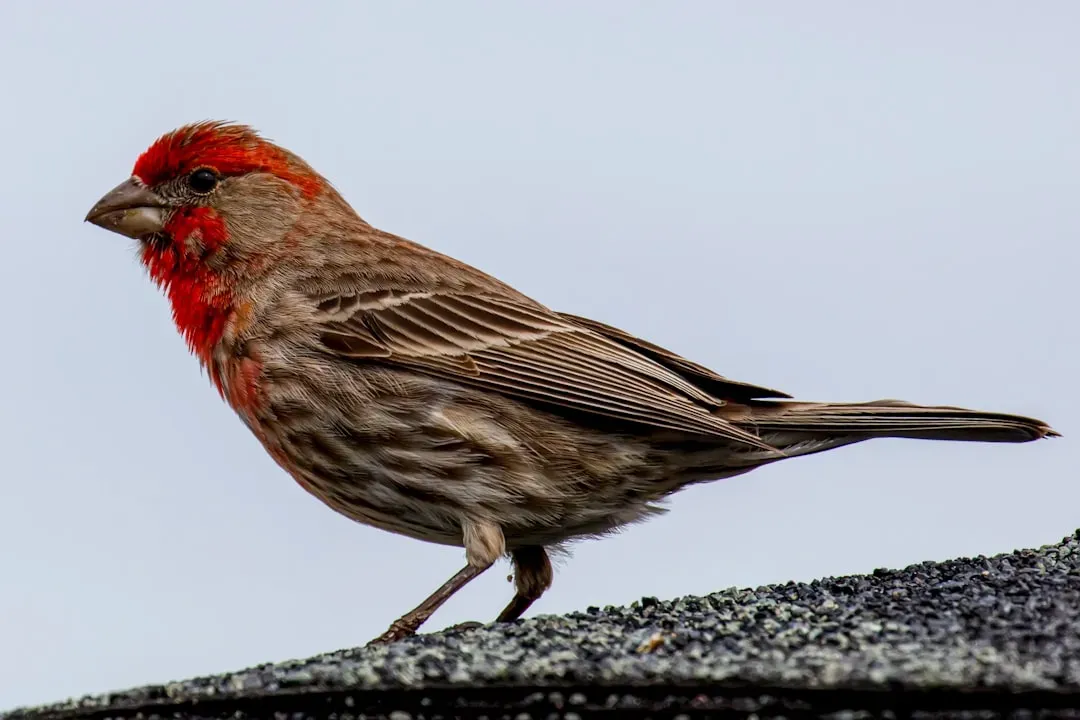
House Finches sport rosy males and streaky females, common from west to east now. Their warbles fill air at feeders. Project FeederWatch logs them frequently.
Sunflower seeds or nyjer in tubes suit their beaks. Avoid hulled for variety. Platform perches help flocks gather.
Berry shrubs add natural appeal.
Tufted Titmouse
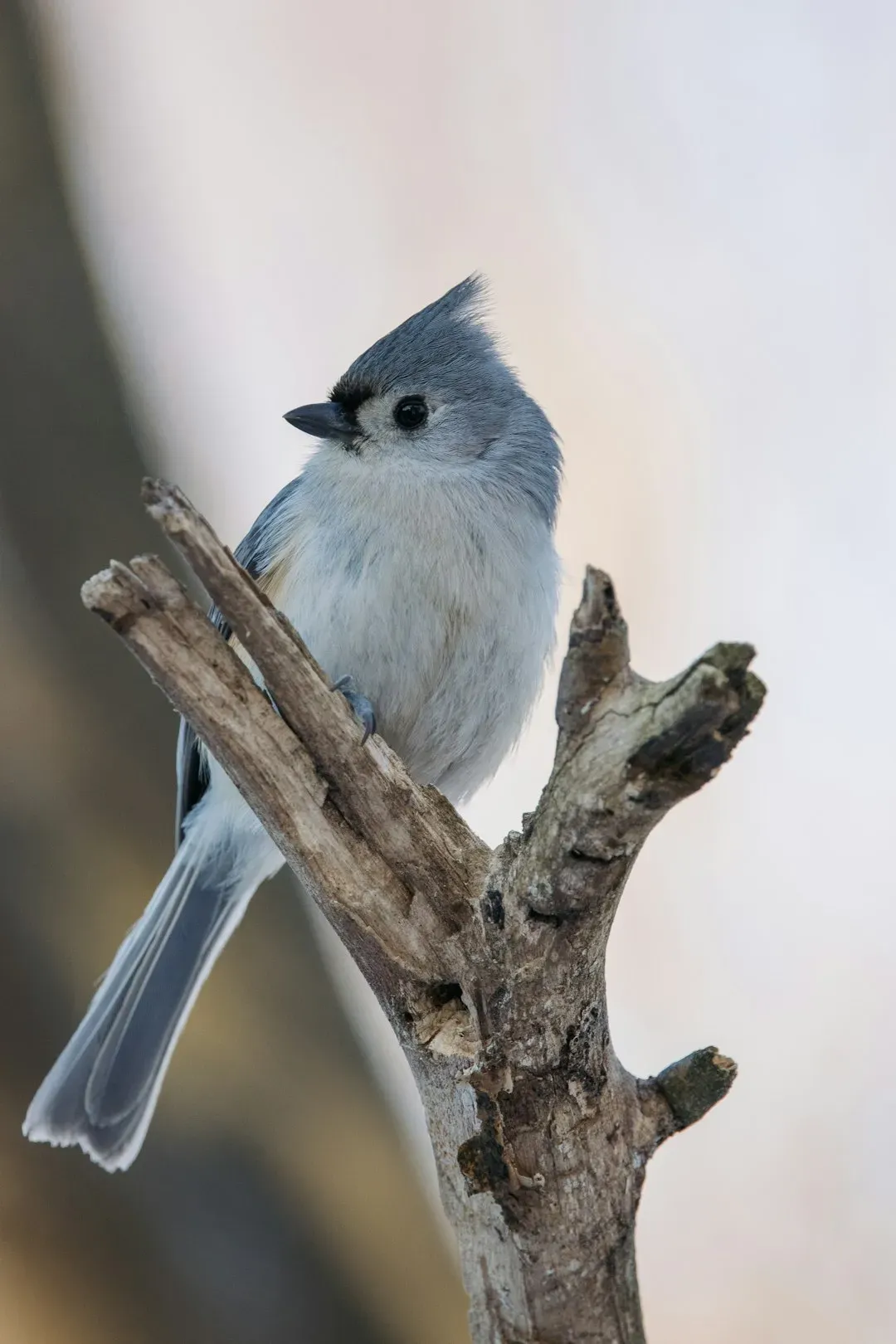
Tufted Titmice crest boldly, gray with peach flanks, whistling peter-peter across east. They dart boldly to feeders. Cornell data shows steady presence.
Whole sunflower or peanuts in shell challenge their skills. Suet delights in cold snaps. Oak or hickory trees mimic woods, scattering nuts naturally.
Watch them cache extras, much like chickadees.
Wrapping It Up: Your Backyard Bird Haven
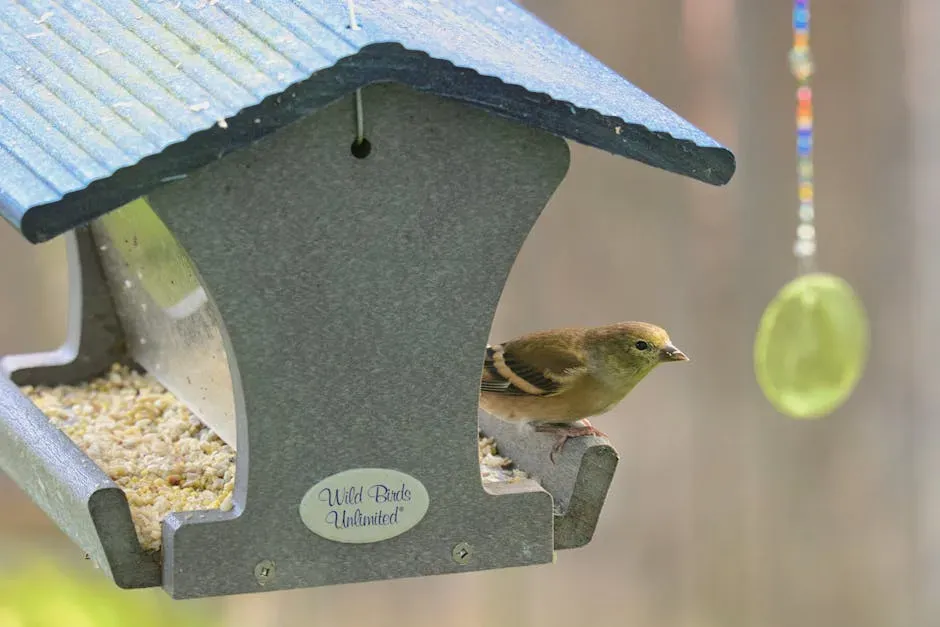
Bird feeding draws over 45 million watchers nationwide, per U.S. Fish and Wildlife Service stats, turning yards into wildlife hotspots. Native plants and clean feeders boost visits hugely. Steer clear of window strikes, killing up to a billion birds yearly according to Smithsonian research.
Start small, observe changes. Which bird surprises you most? Share in the comments.