
The Rise of AI in Traffic Management

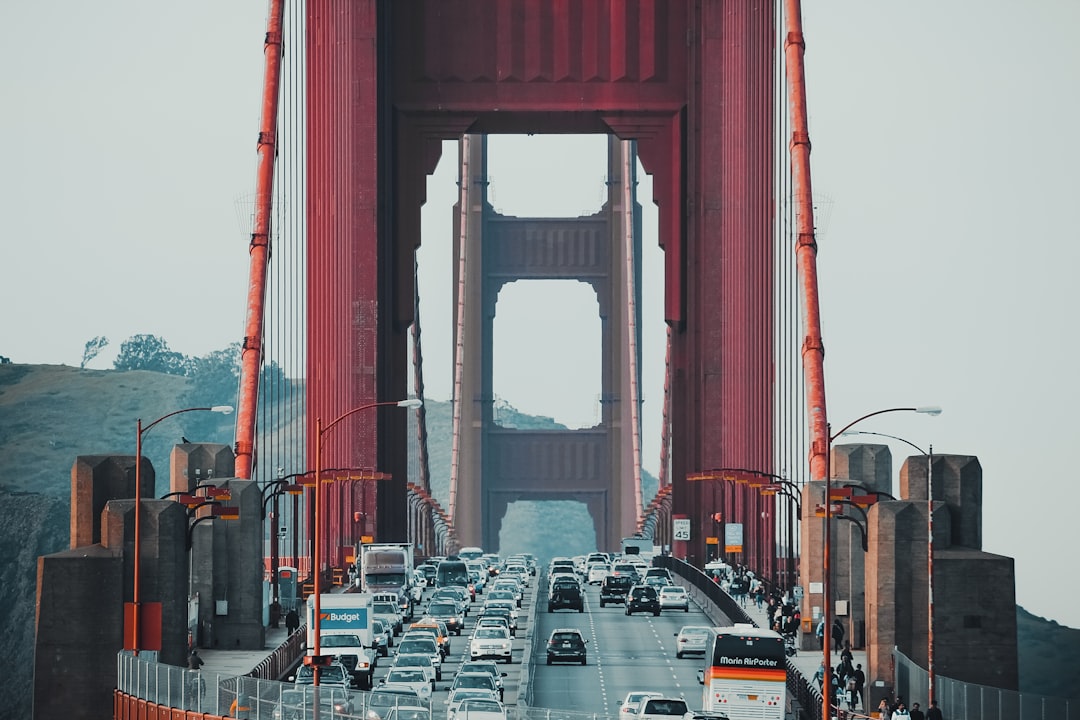
Over the past few years, artificial intelligence has rapidly transformed various sectors, and traffic management is no exception. Cities are increasingly turning to AI to help tackle the complexities of urban traffic. But what does this mean for the average commuter? AI systems can analyze real-time traffic data and make adjustments to traffic lights, potentially reducing congestion. These systems are designed to predict traffic patterns and reroute traffic to minimize delays. It’s like having a super-smart traffic cop who never sleeps, constantly working to optimize flow and reduce bottlenecks.
The Technology Behind AI Traffic Systems
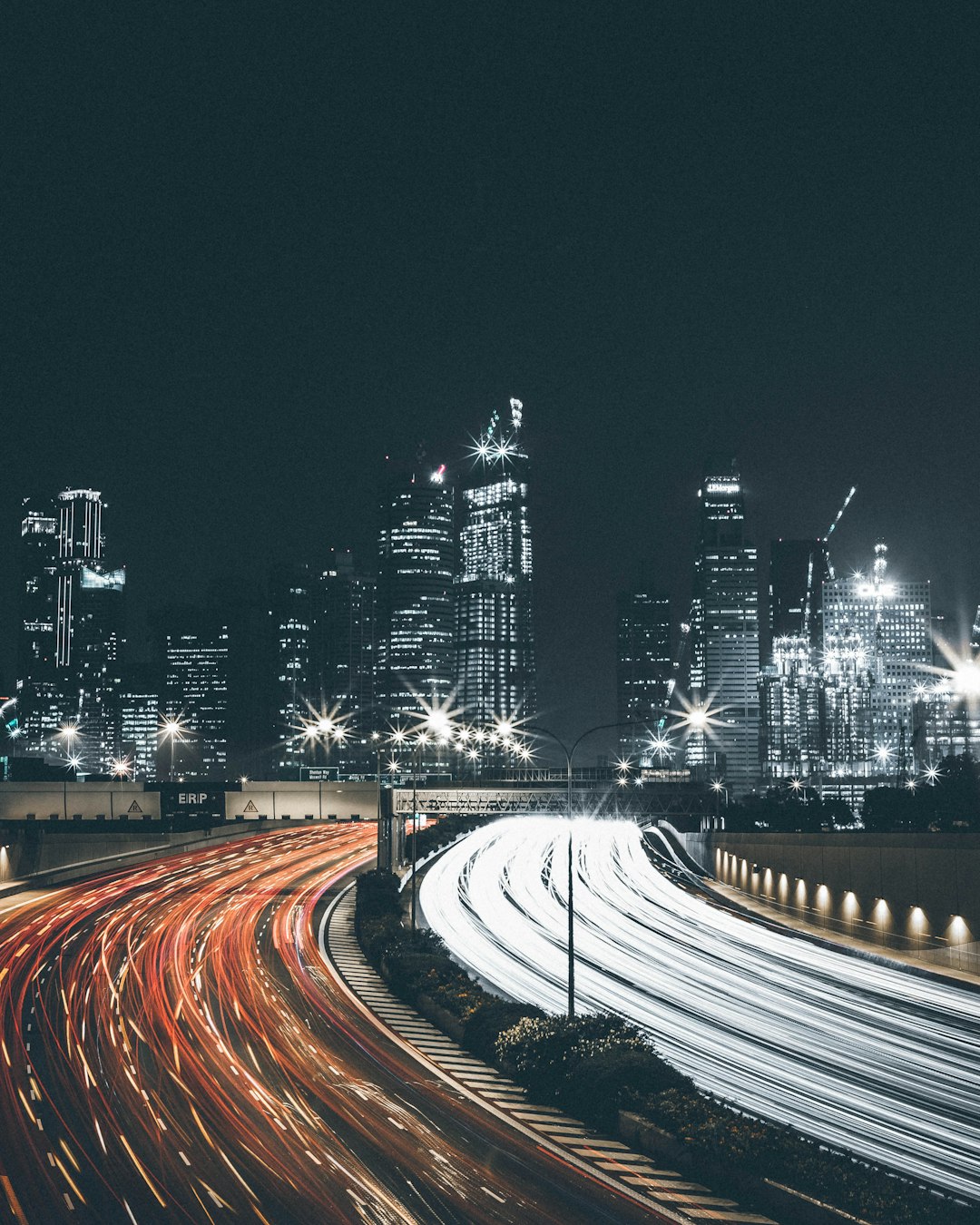
The backbone of AI traffic management systems is a blend of machine learning algorithms and big data analytics. Cameras and sensors collect data on traffic conditions, which is then analyzed to make quick decisions. Machine learning allows the system to improve itself over time, learning from past traffic patterns to make better predictions. This technology is akin to learning how to solve a puzzle faster every time you try it. By understanding the flow and density of traffic, AI can dynamically adjust traffic lights and provide real-time updates to navigation systems.
Real-World Examples: Cities Leading the Way
Several cities around the globe have already begun implementing AI-driven traffic systems with promising results. For instance, in Pittsburgh, Pennsylvania, an AI system called Surtrac has reduced travel time by up to 25% and idling time by 40%. In Los Angeles, the use of AI has led to significant improvements in traffic flow, particularly during peak hours. These examples show that when implemented correctly, AI can make a noticeable difference in traffic management. It’s like adding a turbo booster to a car; the journey becomes much smoother and quicker.
The Benefits of AI Traffic Systems

The advantages of using AI in traffic management are numerous. One of the most significant benefits is the reduction of congestion and pollution. With AI optimizing traffic flow, cars spend less time idling, which reduces emissions. Another benefit is improved safety. AI can detect unusual patterns, such as a pedestrian crossing unexpectedly, and take action to prevent accidents. Furthermore, AI can provide valuable data to city planners, helping them make informed decisions about future infrastructure projects. In short, it’s a win-win situation for both the environment and public safety.
Challenges and Concerns

Despite the benefits, there are challenges and concerns associated with AI-driven traffic systems. One major concern is data privacy. These systems rely on vast amounts of data, raising questions about how this information is collected, stored, and used. Additionally, the initial cost of installing AI systems can be high, and not all cities have the budget for such investments. Another challenge is the potential for technical glitches, which could disrupt traffic rather than improve it. It’s like buying a new gadget—you hope it works perfectly, but there’s always a chance it might break down.
Public Perception and Acceptance
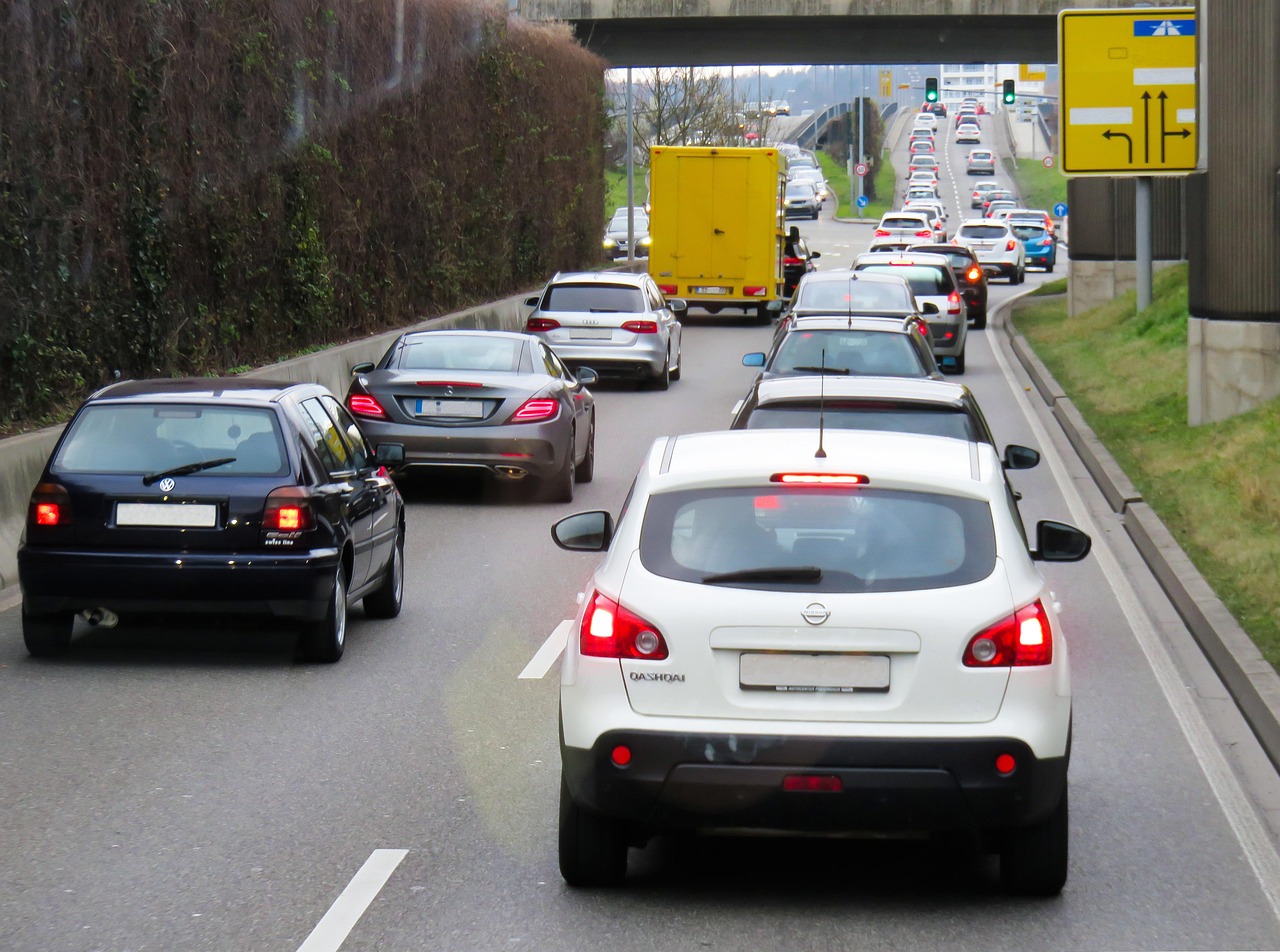
The success of AI traffic systems also depends on public perception and acceptance. People need to trust these systems for them to work effectively. Transparency about how AI makes decisions and what data it uses can help build this trust. Public education campaigns can also play a role in increasing understanding and acceptance. When people see the benefits firsthand, such as reduced travel times and less pollution, they are more likely to support the technology. It’s like introducing a new player to a sports team; once people see their skills, they become fans.
Future Developments and Innovations

The future of AI in traffic management looks promising, with ongoing research and development in the field. Innovations such as autonomous vehicles and smart city infrastructure are likely to enhance the capabilities of AI systems. New algorithms and technologies are being developed to make these systems even more efficient and reliable. As AI continues to evolve, it will likely play an even more significant role in urban planning and development. Imagine a city where traffic jams are a thing of the past, thanks to AI.
Conclusion

In conclusion, AI is making significant strides in traffic management, offering numerous benefits such as reduced congestion and improved safety. However, challenges remain, particularly regarding data privacy and public acceptance. As technology continues to advance, AI’s role in traffic systems is expected to grow, potentially transforming urban life as we know it.