

Rising Costs Are No Longer Just a Nuisance

Imagine planning your dream trip to Europe, only to realize your budget just doesn’t stretch as far as it used to. This isn’t just a passing frustration—it’s a reality backed by numbers. According to 2024 data from Eurostat, the cost of international holiday packages in the EU rose by about 5.7% compared to 2023, while domestic holiday packages jumped by 11.1%. Everything from plane tickets to hotel rooms and even a quick bite at a café has become noticeably pricier. Inflation and rising fuel costs are partly to blame, squeezing wallets tighter than ever. A morning croissant in Paris or a gondola ride in Venice? Both cost more than just a couple of years ago. People are starting to look elsewhere for value, and it isn’t hard to see why. When your savings disappear faster than gelato on a hot day, the appeal of Europe fades just as quickly.
Overcrowding Has Stolen the Magic

There’s nothing magical about waiting hours just to snap a photo at the Trevi Fountain or shuffling shoulder-to-shoulder through the streets of Barcelona. Overcrowding isn’t just an inconvenience—it’s changing the entire experience. In 2023, cities like Venice and Florence experienced a strong rebound in tourism, with Venice welcoming over 5.7 million visitors—slightly more than the 5.5 million in 2019. Florence also saw nearly 13 million overnight stays, signaling a near return to pre-pandemic levels, according to local tourism data and reports. Attractions that once felt enchanting now seem more like amusement parks on a summer weekend. Long lines, packed plazas, and jostling crowds make it hard to connect with the local culture or enjoy a peaceful moment. It’s not just annoying; it’s exhausting, and many travelers are starting to wonder if it’s worth it.
Environmental Impact Weighs Heavily

Flying across the Atlantic isn’t just an adventure—it’s also a big environmental burden. Air travel is responsible for approximately 2.5% of global carbon emissions, according to the International Energy Agency. With Europe being one of the most popular travel destinations, the region plays a notable role in global aviation-related emissions. As awareness about climate change grows, so does the guilt of long-haul flights and excessive sightseeing tours. More travelers are thinking twice about their carbon footprint and choosing to explore closer to home, or picking destinations that take sustainability seriously. Protecting the planet is becoming just as important as seeing the Eiffel Tower or sipping espresso in Rome.
Political Instability and Safety Concerns

Safety is something we all take seriously, and recent events in Europe have given many travelers pause. In 2023, widespread protests and strikes, especially in places like France, caused major transportation disruptions. Protests over pension reforms led to canceled trains, delayed flights, and even street closures—leaving millions stranded or scrambling to adjust plans. Political instability doesn’t just ruin an itinerary; it can genuinely put visitors at risk or at least leave them feeling uneasy. With so much uncertainty, many are now weighing safety more heavily when picking a vacation spot.
Sustainable Travel Is Shaping Choices

The trend toward sustainable travel isn’t just talk; it’s showing up in real numbers. A 2024 Booking.com survey found that a striking 70% of travelers want to prioritize eco-friendly options when planning their trips. This means they’re looking for destinations that support green initiatives, reduce waste, and protect local environments. Traditional European hotspots don’t always meet these expectations, prompting people to search for places that align with their values. The push for sustainability is steering travelers away from the crowds and toward lesser-known, environmentally conscious locales.
Remote Work Is Changing the Game

Work no longer ties people to a single location, and that’s changing how—and where—we travel. According to a 2023 report by Global Workplace Analytics, about 30% of employees are now working remotely. With the freedom to work from anywhere, people are choosing longer stays in destinations that offer more for less. Instead of a quick European getaway, travelers are spending months exploring regions where their money goes further and life feels less hectic. This shift is drawing attention away from Europe and toward places that welcome digital nomads with open arms and affordable living.
Cultural and Language Frustrations

For some, navigating foreign languages and customs is part of the adventure. For others, it can be a source of stress that overshadows the joy of travel. According to a 2024 Eurobarometer survey by the European Commission, about 47% of Europeans speak English as a second language, but language barriers still pose challenges for many travelers. Misunderstandings and difficulty asking for help can make simple outings frustrating. As a result, destinations with familiar languages or more accessible cultures are increasingly attractive to travelers seeking a more relaxed experience.
Alternative Destinations Are Stealing the Spotlight

The world is vast, and travelers are starting to notice. Countries across Southeast Asia, South America, and Africa are drawing more visitors than ever before. The United Nations World Tourism Organization reported in 2023 that these regions saw a 25% spike in tourism. The appeal? Lower prices, fewer crowds, and a sense of adventure that Europe’s well-trodden paths sometimes lack. From the beaches of Thailand to the mountains of Peru, these destinations offer something fresh and exciting that Europe just can’t match right now.
The Digital Nomad Wave
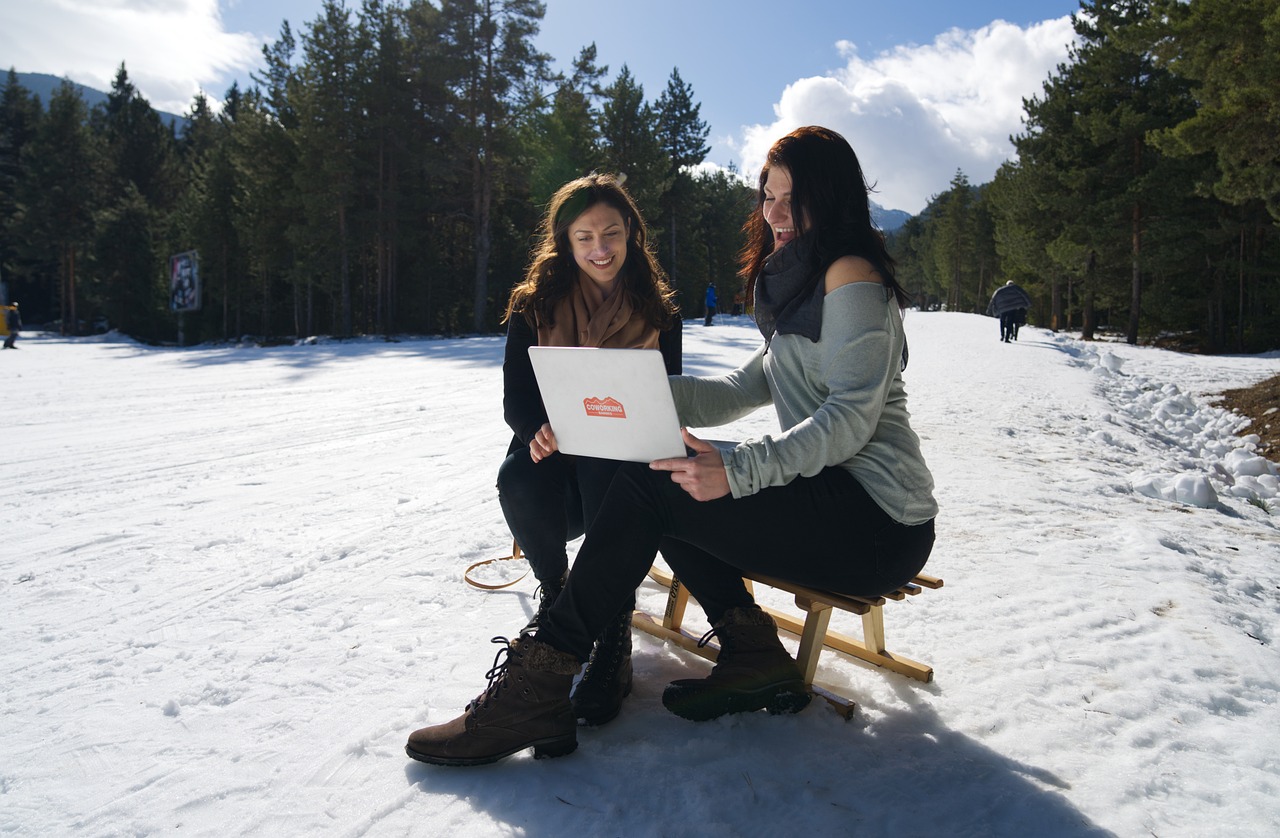
There’s a growing tribe of people who take their laptops and hit the road, living and working wherever Wi-Fi is strong. The digital nomad lifestyle isn’t just a fad—it’s a full-blown movement. A 2024 MBO Partners report estimates there are over 10 million digital nomads in the U.S. alone. These travelers aren’t looking for brief European vacations; they want places where they can settle in, find community, and balance work with exploration. Locations that offer good infrastructure, reasonable costs, and a welcoming vibe are winning over this crowd, leaving Europe to play catch-up.
The Travel Map Is Being Redrawn
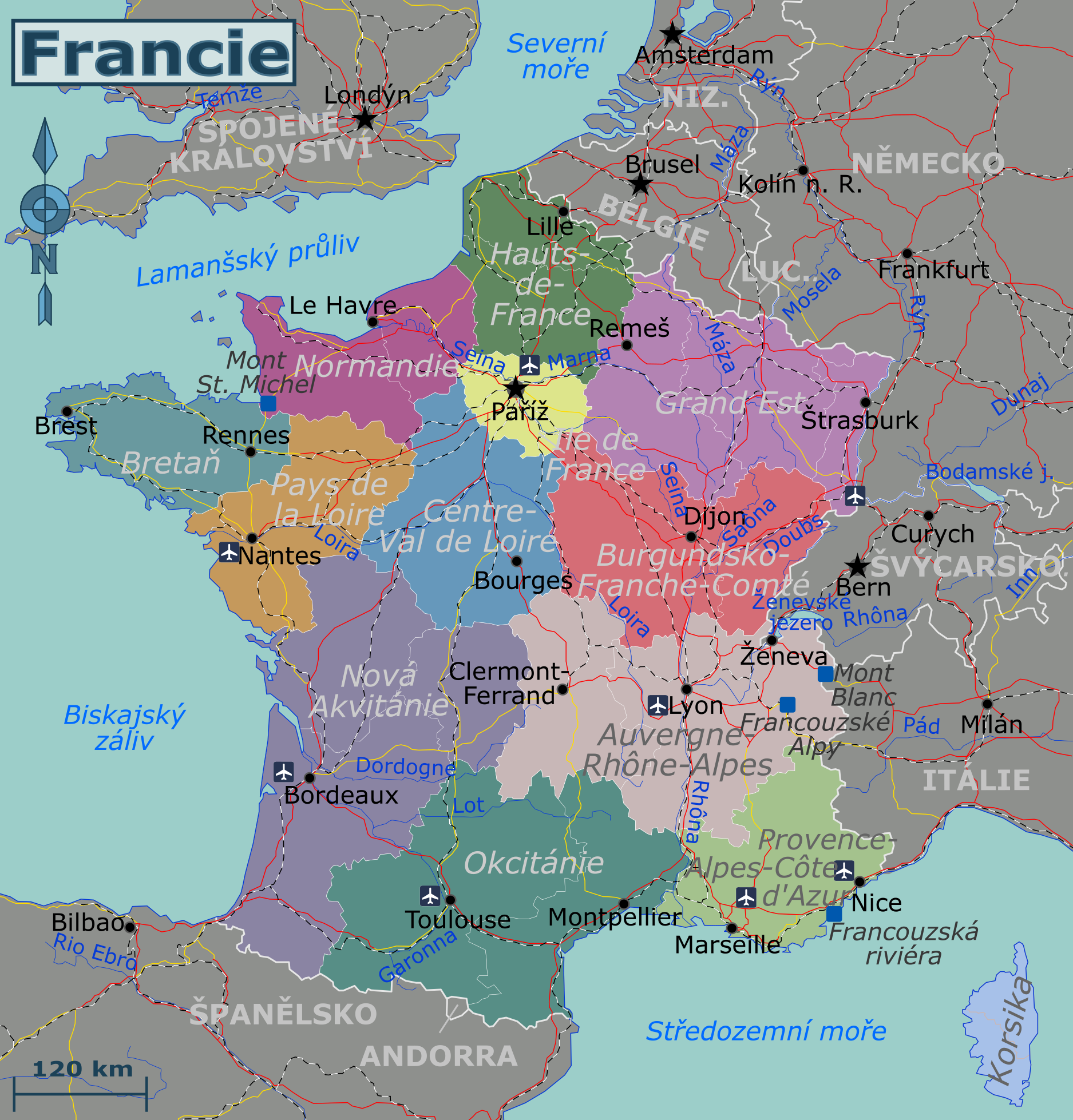
The reasons for skipping Europe aren’t just personal—they’re part of a bigger shift in how people travel. Rising prices, relentless crowds, environmental worries, and the lure of new adventures are reshaping the travel landscape. Instead of defaulting to Paris or Rome, more people are exploring unconventional places, seeking better value, and aiming for experiences that feel more meaningful. The world feels bigger and more accessible than ever, and Europe is no longer the only answer for those hungry for discovery.