
Picture this: rush-hour traffic, endless notifications, and a calendar packed tighter than a subway car. Yet lately, folks across the US are stepping off that treadmill, trading hustle for hikes and screens for sunsets. It’s not laziness. It’s a quiet rebellion against burnout that’s sweeping suburbs and cities alike.[1]
Slow living promises more than downtime. It delivers real joy through simple acts like cooking from scratch or wandering local trails. Curious what sparked this shift? Let’s explore the forces pulling Americans toward a gentler rhythm.[2]
Chronic Burnout from Hustle Culture

Americans are exhausted. More than two in five Gen Z and millennials report feeling stressed most of the time, with about two-thirds frequently burned out.[1] Hustle culture glorified non-stop grinding, but now it’s crumbling under its own weight. Workers are ditching side gigs for sanity.
Here’s the thing. Slow living flips the script, prioritizing rest over rewards. It’s no wonder burned-out professionals eye wood-burning stoves and unstructured play as escapes.[3]
Post-Pandemic Wake-Up Call
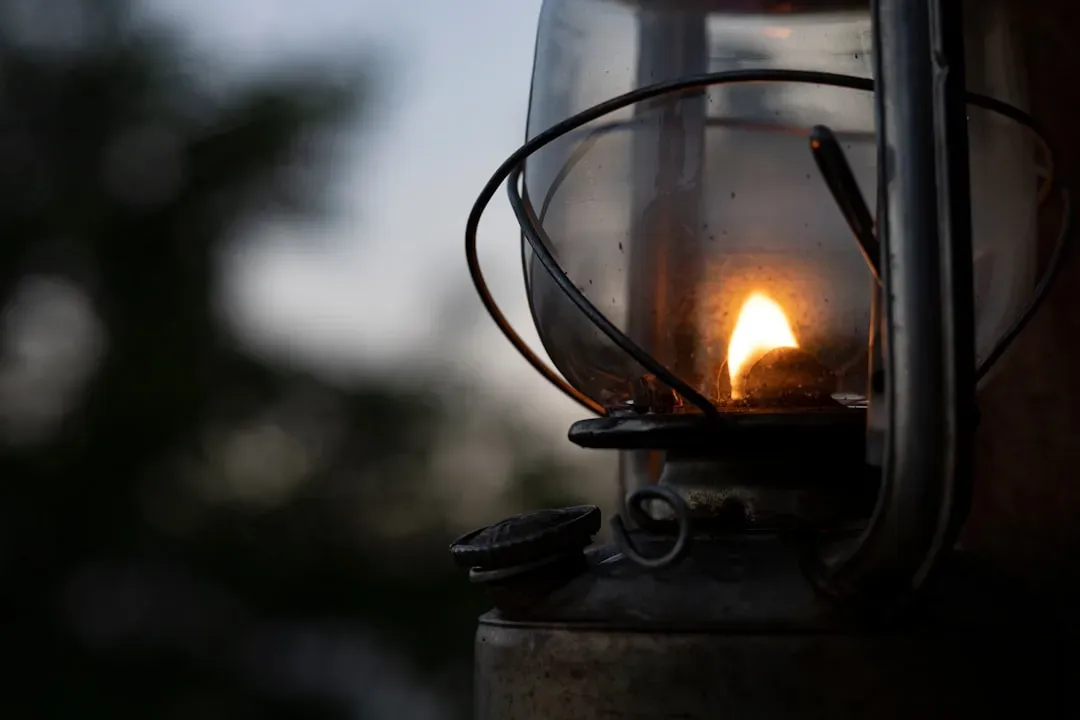
The COVID era forced a hard pause. No commutes, simpler routines – many tasted freedom and never looked back. That slowdown sparked lasting cravings for balance.
Remote setups linger, letting people garden or nap without guilt. It’s like the pandemic handed out a trial run for intentional days. No surprise adoption surged after.[1]
Trends show it. YouTube views for “slow living” jumped fourfold in 2020 alone. The momentum? Still building into 2026.[4]
Mental Health Strains Rising
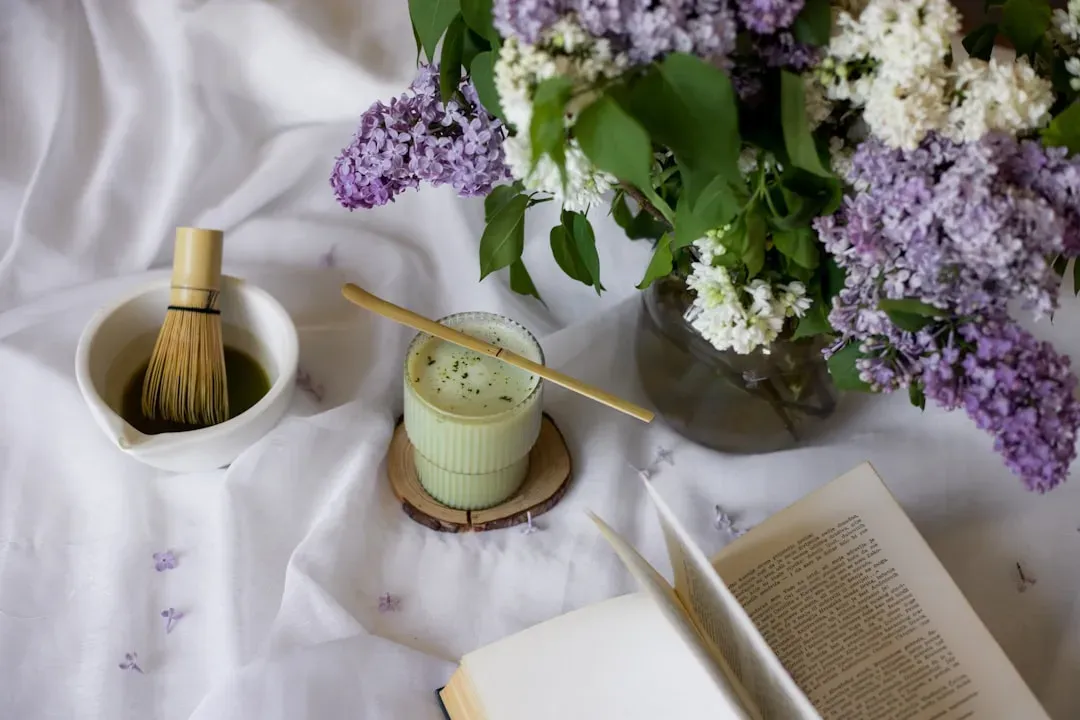
Stress isn’t abstract. Ages 35-44 saw chronic conditions climb to nearly three in five by 2023, mental diagnoses nearly doubling.[1] Slow living counters this with mindfulness walks and naps.
Science backs it. Reducing pace slashes anxiety risks, boosts presence. Americans sense the toll and pivot toward peace.[5]
Screen Overload Demands Detox
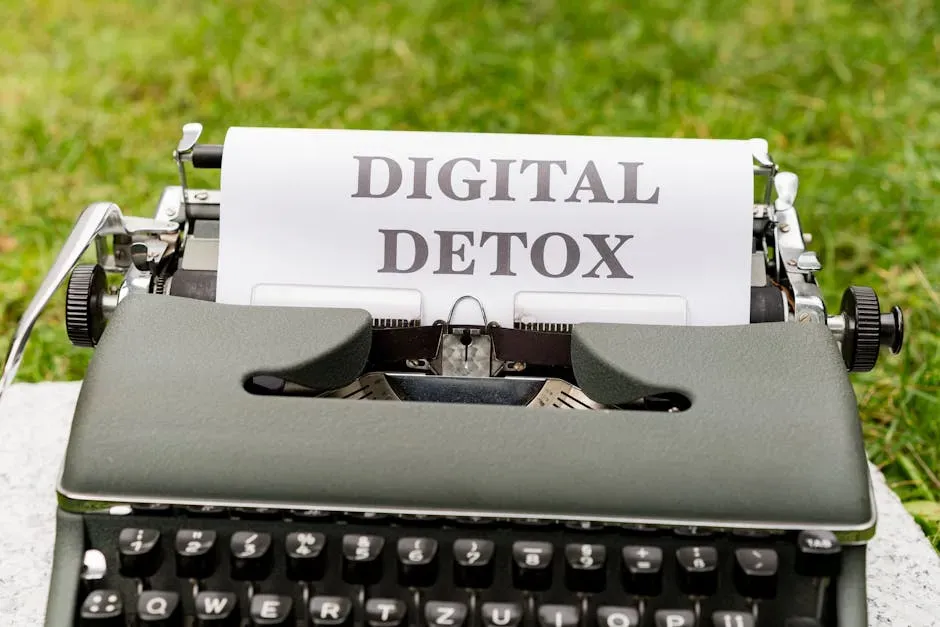
Screens dominate. Americans clocked over seven hours daily in 2024. No wonder digital sabbaths and no-phone mornings trend hard.[1]
Social media? #SlowLiving hit over six million Instagram posts. Yet it pushes boundaries on tech’s grip. People crave unfiltered life.[5]
Remote Work Unlocks Freedom
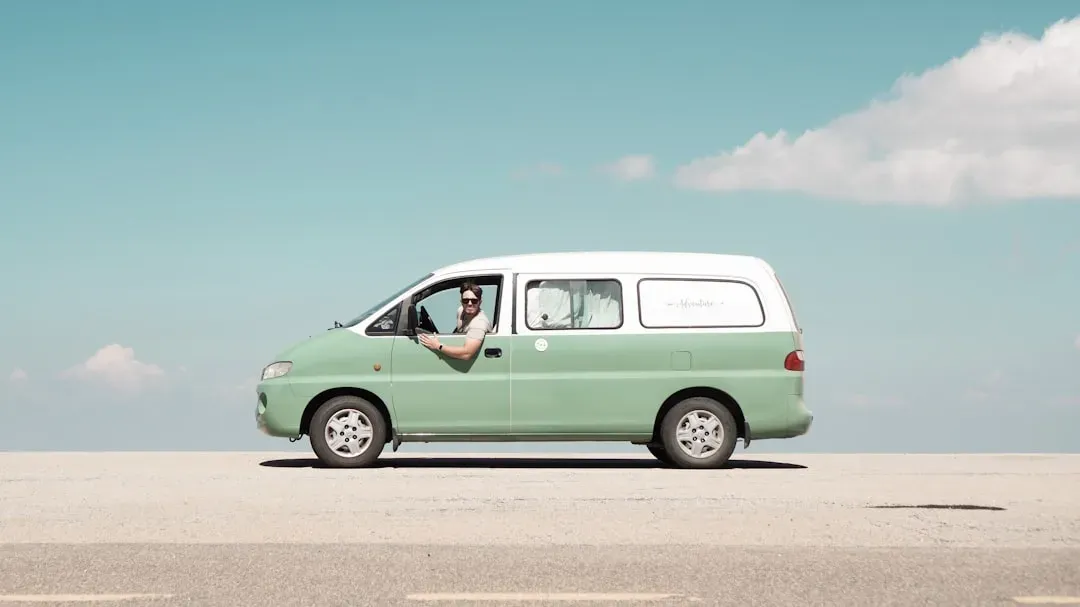
Flexible hours changed everything. Highly educated workers snag remote gigs, ditching commutes for custom rhythms.[1] Think rural moves or backyard bliss.
Reports confirm. Owl Labs ties flex time to happier balances in 2024. It’s fuel for slow shifts nationwide.[1]
Loneliness Fuels Community Hunt
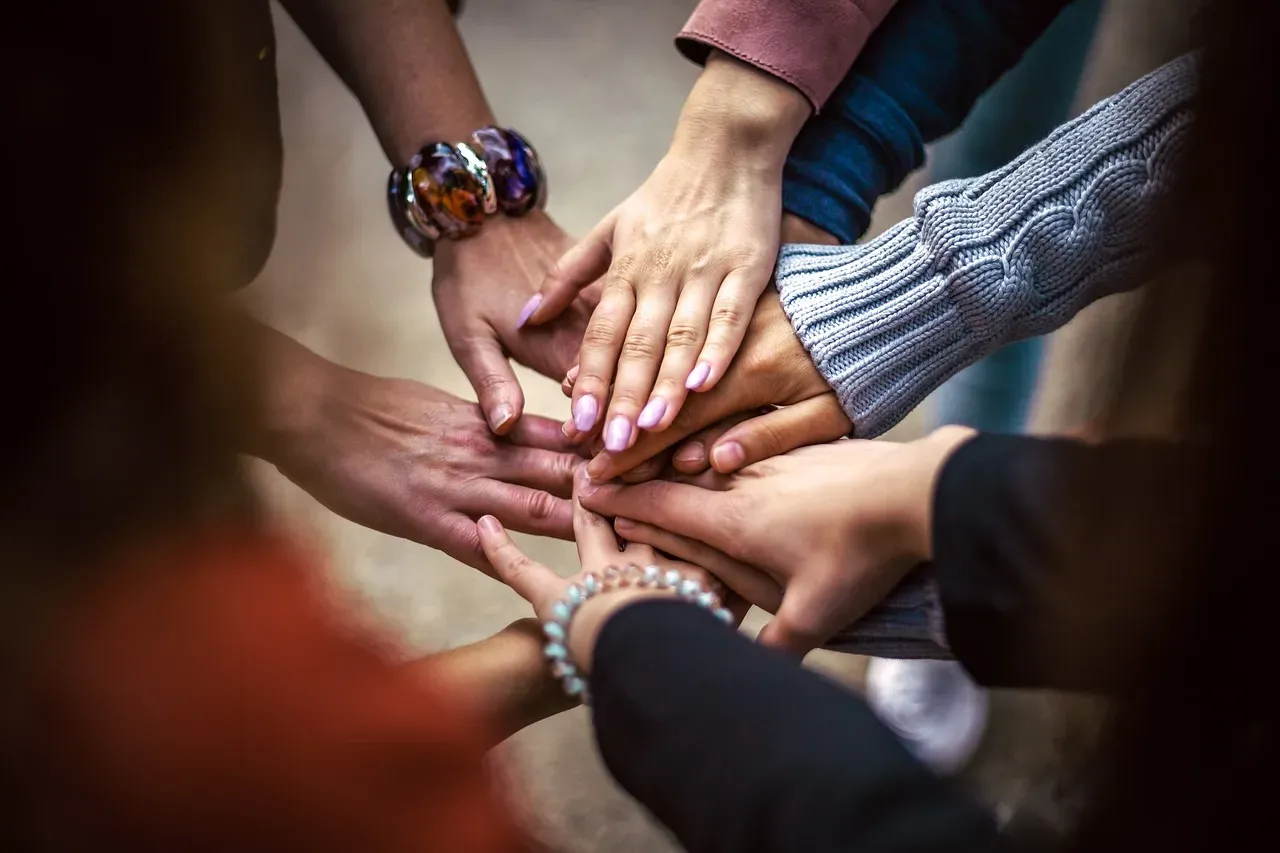
Half of US adults battle isolation. It rivals smoking’s death risk. Slow living counters via local ties and shared meals.[1]
Relationships deepen. Unhurried chats beat rushed texts. This pull draws crowds to neighborhood vibes.[2]
Gen Z Leads the Charge
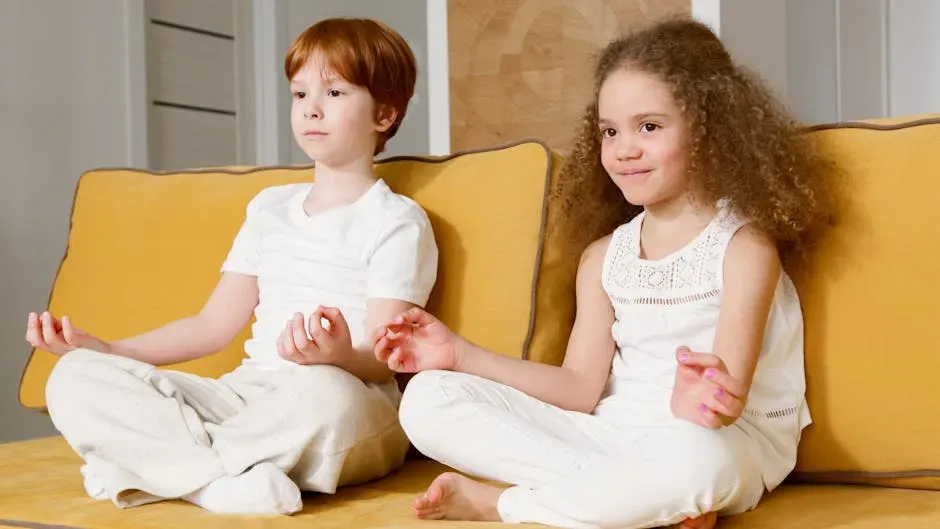
Younger crowds reject grind. Quiet quitting and “lazy girl jobs” preserve energy for hobbies. Gen Z picks reflection in 2026.[1][5]
It’s cultural. Hustle feels outdated. They bet on rest for real wins.[6]
Wellness Industry Explosion

US wellness hits nearly $500 billion. Global? $5.6 trillion in 2023. Slow fits perfectly, blending mindfulness and sustainability.[1]
Market grows at 8% CAGR. North America dominates. Brands like Patagonia ride the wave.[7]
Sustainability Calls for Simplicity
Fast fashion fatigues. Eco-awareness surges, favoring local and less. Slow living shrinks footprints naturally.[7]
Airbnb notes slow travel booms. Longer rural stays over quick trips. It’s practical planet-saving.[1]
Travel Trends Go Slow
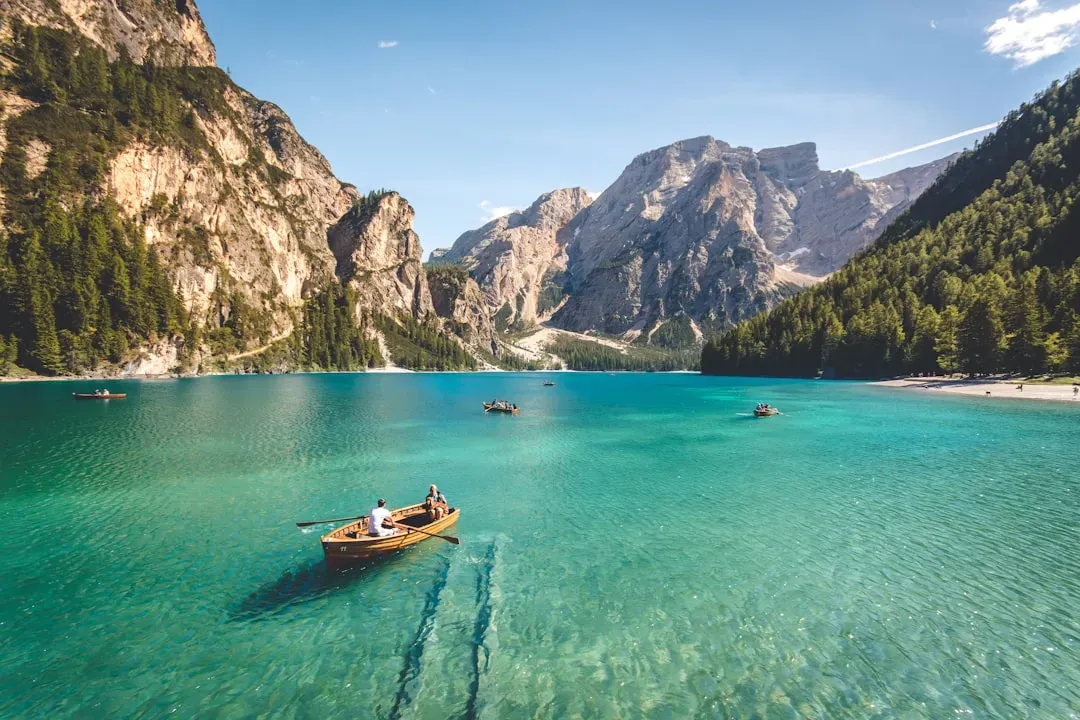
Nearly all travelers eye slow options in 2026. Farm stays, reading retreats rise. Americans seek depth over dash.[8]
This ties back home. Shorter escapes inspire lasting changes. The movement spreads organically.[1]