Gas Stations Bear the Brunt of Oil Disruptions (Image Credits: Unsplash)
Americans have felt the pinch at gas pumps across the country, where prices have climbed more than a dollar per gallon since the Iran war erupted eight weeks ago. Families stocking up on essentials now face the prospect of sustained higher costs for everyday groceries as well. Economists attribute these pressures to disruptions in global oil supplies and related supply chain strains, with effects projected to persist well into next year.[1][2]
Gas Stations Bear the Brunt of Oil Disruptions
The conflict severed key oil flows through the Strait of Hormuz, which handles one-fifth of the world’s supply. Brent crude oil surged 44 percent to $105 per barrel in the weeks following the war’s start in late February. Production facilities in the Middle East suffered widespread damage, delaying any quick recovery to prewar output levels of 100 million barrels per day.[1]
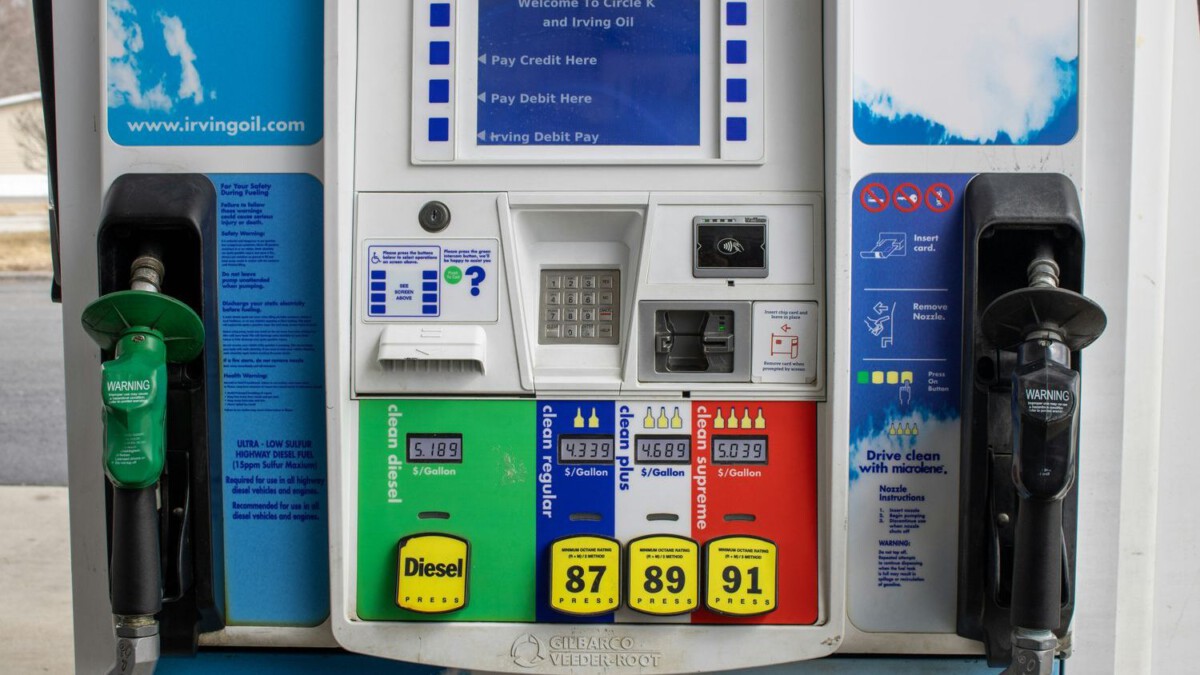
U.S. drivers encountered immediate consequences. The national average gas price reached $4.06 to $4.09 per gallon recently, the highest mark since 2022 or 2023 in some regions. This marked a sharp rise from prewar levels around $2.98 to $3 per gallon. Diesel, critical for freight, also jumped to $5.53 per gallon from $3.64 a year earlier.[1][2][3]
Even under optimistic scenarios, experts anticipate gas prices settling no lower than $3.50 by year’s end. Jet fuel costs rose more than $2 per gallon, complicating summer travel plans for many households.
Supply Chain Strains Push Up Grocery Bills
Higher diesel prices ripple through the economy, raising the cost to move goods from farms to stores. Mark Zandi, chief economist at Moody’s Analytics, observed that anything transported by truck – from produce to packaged goods – will carry a premium. This dynamic already contributes to broader price pressures on consumer items.[1]
Fertilizer production adds another layer of concern. The process relies on natural gas, whose global supplies the International Energy Agency expects to remain tight for two years due to the war. Disruptions could squeeze crop yields and elevate food input costs. Purdue University agricultural economists Ken Foster and Bernhard Dalheimer described the potential outcome as a broad energy shock, with energy-sensitive components accounting for about 27 to 28 cents of every food dollar.[4]
- Transportation and packaging costs, tied to diesel and petrochemicals.
- Processing and retail operations, which are energy-intensive.
- Biofuel demand diverting crops like corn toward fuel production.
Food-at-home prices stood 3 percent higher year-over-year in February, and polling showed nearly half of Americans reporting unexpectedly steep grocery tabs by March.
Expert Forecasts Point to Prolonged Inflation
Economists project oil prices will ease somewhat later this year but stay above prewar benchmarks throughout 2026. Lydia Boussour, a senior economist at EY-Parthenon, highlighted lingering supply chain and energy capacity issues. The Consumer Price Index hit 3.3 percent last month, the highest since May 2024, while the Personal Consumption Expenditures index may reach 4 percent by December – double the Federal Reserve’s target.[1]
A sustained conflict could add 3 to 6 percentage points to food-at-home inflation over the next 12 to 18 months, according to Foster and Dalheimer. Effects often lag by 3 to 6 months before hitting shelves fully, and prices tend to remain sticky even after the initial shock fades. The OECD now sees overall U.S. inflation at 4.2 percent for 2026, up 1.2 percentage points from prior estimates.[4][3]
Scott Lincicome of the Cato Institute noted that while wholesalers and retailers might absorb some increases, consumers will still face partial pass-throughs.
Wider Ripples Across the Economy
The war threatens to shave 0.3 percentage points off U.S. GDP growth this year, leaving it at 1.8 percent compared to 2.1 percent in 2025. Consumer confidence dipped amid these uncertainties, with potential pullbacks in spending – a key driver of about 70 percent of economic activity. Higher mortgage rates, now at 6.38 percent for 30-year loans, have strained homebuyers further.[1][3]
Lower-income households bear a disproportionate burden, as food claims a larger share of their budgets – 25 to 35 percent versus 7 to 10 percent for top earners. Resilient spending by higher-income groups has sustained markets so far, but broader erosion of purchasing power looms if pressures mount.
As the Iran conflict shows no swift resolution, families prepare for a landscape where routine expenses at the pump and checkout remain under siege. The true scope of relief may not emerge until well after any ceasefire, leaving everyday Americans to navigate elevated costs in the interim.