
Archaeology in 2025 delivered some striking updates to our understanding of the past right here on American soil. Teams across the US and nearby regions uncovered evidence that shifts timelines and fills in gaps about early inhabitants, colonial clashes, and indigenous societies. These finds remind us how much remains hidden beneath our feet.
From prehistoric tracks in desert sands to precise spots of revolutionary drama, the year’s digs challenged old assumptions. Researchers used fresh dating methods and scans to pin down details long debated. Such work keeps reshaping the story of who we are and how we got here.
1. White Sands Footprints Push Back Human Arrival
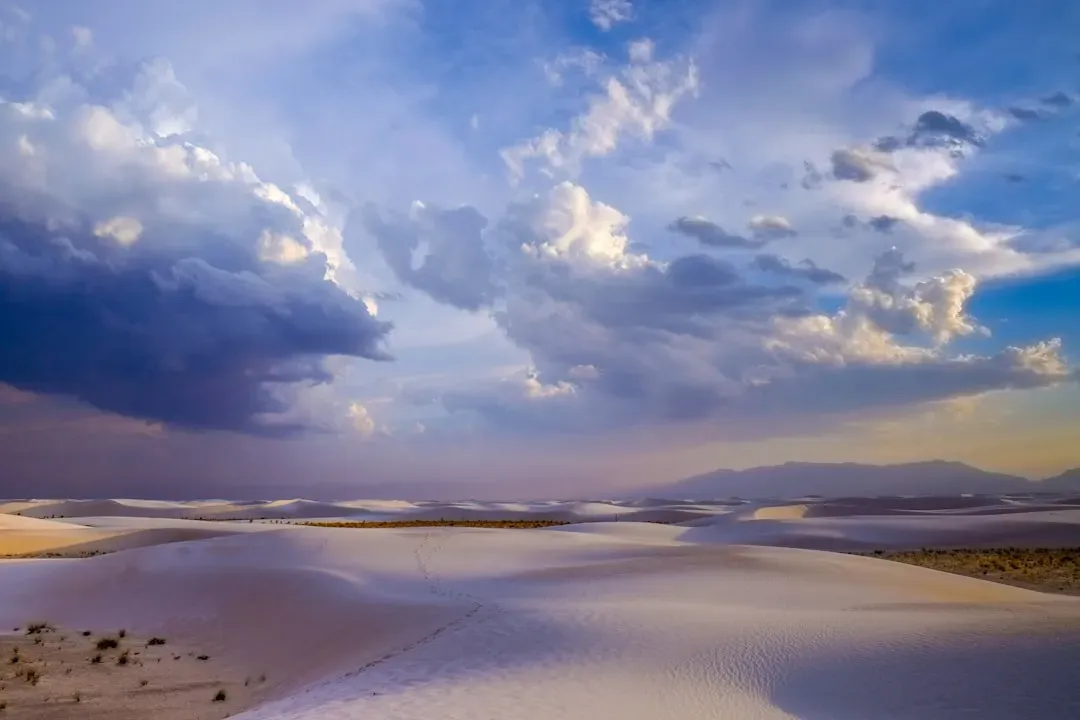
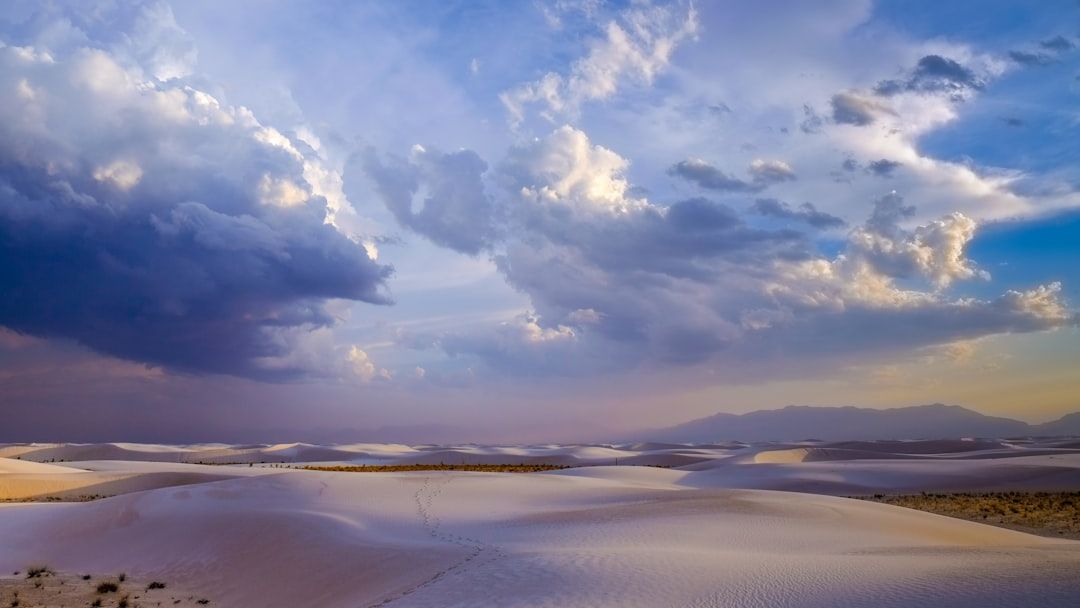
A new study in June 2025 confirmed human footprints at White Sands National Park in New Mexico date to 21,000 to 23,000 years ago.[1] Scientists radiocarbon-dated mud layers around the prints, adding a third line of evidence alongside seeds and pollen. This places people in North America during the Last Glacial Maximum, about 10,000 years earlier than the Clovis culture timeline of 13,000 years ago.
No artifacts turned up yet, suggesting brief hunter-gatherer visits without much debris. Still, the evidence strongly challenges ideas of when and how the first Americans arrived. It opens doors to rethinking migration routes from Asia.[1]
2. Founding Maya King’s Tomb at Caracol
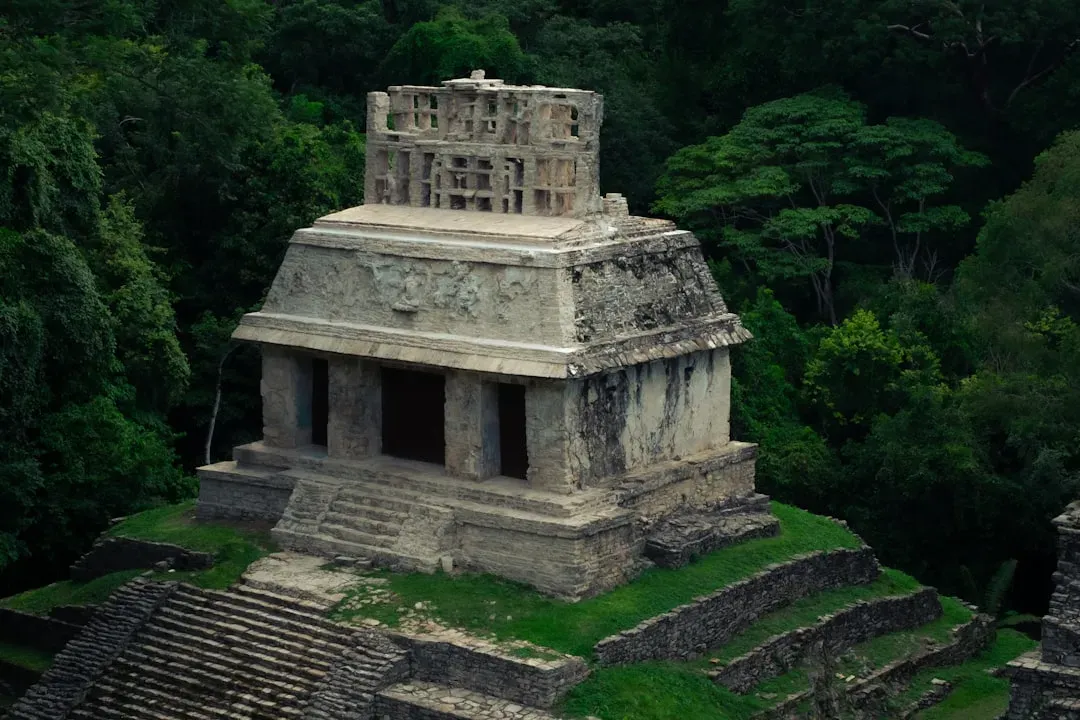
Excavators in Belize unearthed a 1,700-year-old tomb at the ancient Maya city of Caracol, likely belonging to Te K’ab Chaak, its founding ruler around A.D. 330.[2] The burial held a jade death mask, carved bones, jewelry, and Pacific shells, marking it as elite. Radiocarbon dates lock in the city’s early dynasty start.
This discovery confirms Caracol’s royal origins and elite customs, refining Maya historical timelines across the Americas. It shows the site’s power from the outset, influencing regional politics. Such tombs rarely survive intact, making this a key piece for understanding pre-Columbian societies.[2]
3. George Washington’s Friendly Fire Site
Near Fort Ligonier in Pennsylvania, archaeologists pinpointed the spot where a young George Washington halted a friendly fire incident in November 1758 during the French and Indian War.[3] The find ties directly to a pivotal moment in colonial military history, ahead of America’s 250th anniversary. Evidence from the site matches historical accounts of the chaos among Virginian soldiers.
This precise location adds concrete detail to Washington’s early career, which shaped his leadership. It highlights the fog of war in frontier conflicts. Preservation efforts now protect the area for future study.[3]
Details like this ground legends in dirt and stone.
4. Native Villages Along Virginia’s Rappahannock
In December 2025, digs at Fones Cliffs overlooking the Rappahannock River revealed evidence of pre-colonial Native American villages.[4] Artifacts and features point to sustained settlements by indigenous groups before European contact. The site’s river views suggest strategic living spots for fishing and trade.
This uncovers layers of daily life and adaptation in the Chesapeake region. It counters sparse records of local tribes, enriching the pre-1607 narrative. Ongoing work promises more on their world.[4]
5. Lidar Reveals Menominee Ancestors’ Farms
A lidar survey at the Sixty Islands site exposed vast farming by ancestors of today’s Menominee people in what is now Wisconsin.[5] The scans uncovered fields and structures hidden in forests, dating back centuries. This shows sophisticated agriculture supporting large communities.
The evidence rewrites views of indigenous land use in the Great Lakes area. It demonstrates long-term stewardship before colonial changes. Tech like lidar keeps unveiling these overlooked landscapes.[5]
Each layer peeled back adjusts the map of our shared past.
These 2025 finds, from Ice Age steps to colonial crossroads, quietly revise the American timeline. They prove history lives in the ground, waiting for the right tools and questions. What else might tomorrow’s digs reveal?