

Over my years showing homes, I’ve walked countless streets and spotted patterns that buyers ignore at their peril. Certain shifts in a neighborhood quietly signal trouble ahead for home values. These aren’t dramatic events. They creep in, often overlooked until listings linger and offers dry up.
In 2026, with national home prices per square foot dipping 1.3% year-over-year in December 2025, regional weaknesses in the South and West amplify local risks.[1] Spotting these signs early can help homeowners decide whether to sell or invest in stability.
1. A Flood of “For Rent” Signs
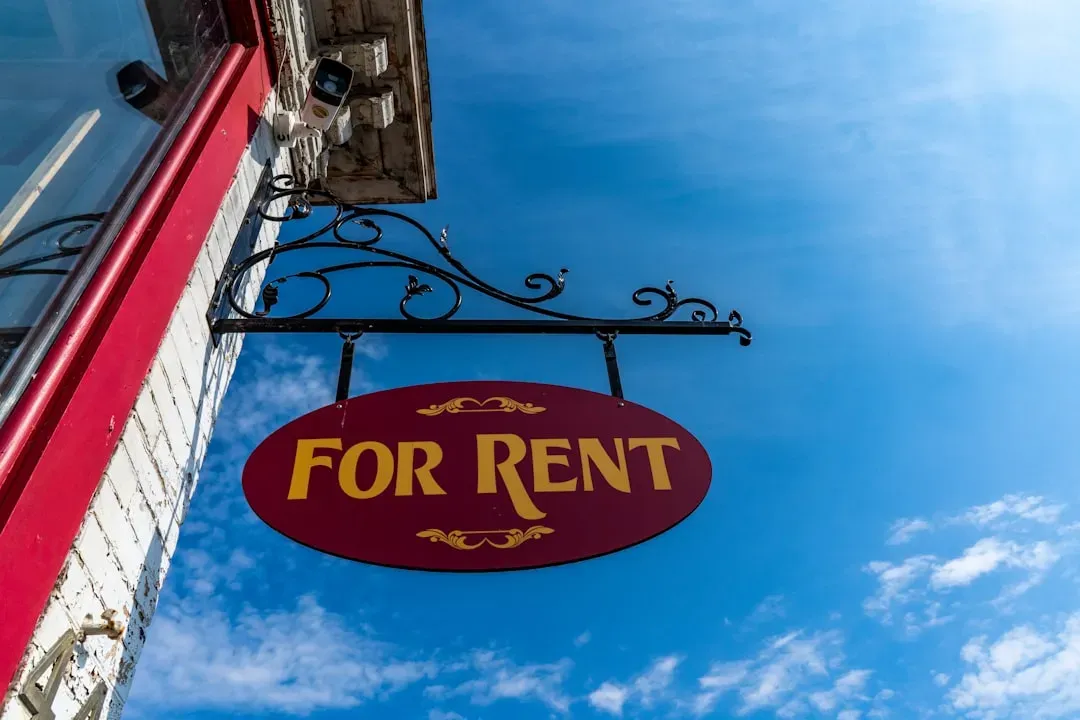
Drive around and count the “For Rent” placards. When they outnumber porch lights at dusk, owners are bailing for rentals, bringing short-term tenants who skip yard work or paint touch-ups. This turnover slows value growth, as data shows neighborhoods heavy on single-family rentals see house prices lag.[2][3]
High renter shares correlate with slower appreciation. Buyers sense less stability. In one recent analysis, such areas grew in value more sluggishly than owner-heavy spots.[2] Watch for this shift. It often precedes flat or falling comps nearby.
2. More Police Cars Patrolling the Blocks

Sudden upticks in squad cars mean rising thefts, vandalism, or worse. Even as national crime dipped in 2025, local spikes erode buyer confidence fast.[4] Neighborhoods with persistent property crimes struggle to rebound, reputations lingering longer than stats improve.
FBI patterns link visible patrols to underlying issues that scare families away. Homes nearby sell slower, at discounts. One unkempt block with frequent calls drags the whole area.[2][5] Check local reports. Steady increases signal values heading south.
3. Local Businesses Shuttering Doors
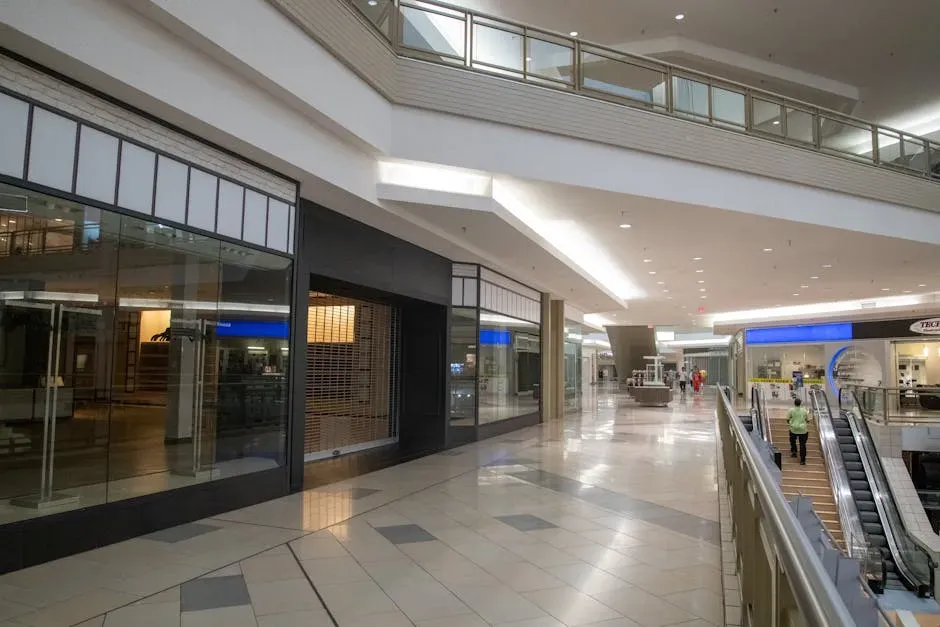
Strip malls emptying out, chains like grocery stores relocating nearby. This cuts convenience, foot traffic, and that lively vibe buyers crave. National Association of Realtors notes amenities boost values; their absence does the opposite.[2]
Dollar stores filling voids often mark deeper economic slips. Communities lose investment appeal. Empty storefronts reshape perceptions, making the area feel forgotten. Track closures. They foreshadow softer demand for homes.[6]
Recent 2025 reports highlight how business exodus ties to slower local economies. Families weigh walkability heavily. Fading options tip scales against staying.
4. Homes and Yards Falling into Disrepair
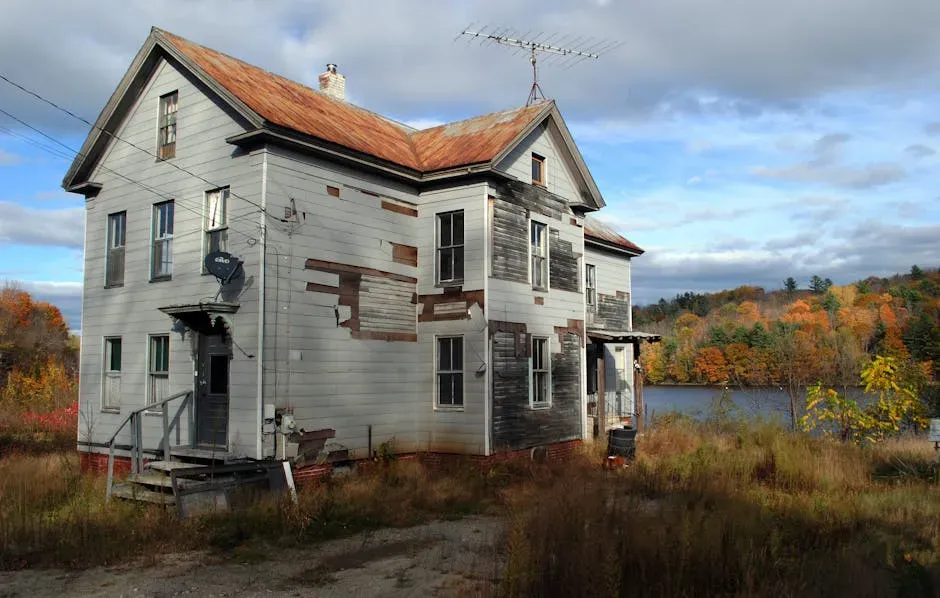
Faded paint, overgrown lawns, sagging fences next door. One neglected property can shave up to 10% off nearby values, per appraisal experts. The “broken windows” effect spreads neglect fast.[2][5]
Owners skimping on upkeep signal they plan to leave. Buyers drive by and hesitate. Curb appeal matters hugely in comps.
This visual decline hits hardest in tight markets. Zestimates start slipping first. Act before it cascades.
5. Schools Losing Families and Ratings

Bigger classes, slipping test scores, PTA shrinking. Parents bolt for privates, exodus hitting enrollment. Strong schools propel values; weakness triggers sales.[2]
Realtor.com data shows homes near top schools fetch premiums and move quicker. Declines spark family flight, softening the buyer pool. Watch district news closely.
In 2025, shifting demographics amplified this in some spots. Neighborhoods feel emptier midday. Values follow the kids out.
What to Do Next

These signs don’t doom every block overnight. Sometimes, cities intervene with revitalization. Still, as your agent might advise, monitor comps monthly via Zillow or local MLS.
Selling ahead of a slide preserves equity. Or rally neighbors for cleanups, business advocacy. Timing matters in this market. Stay vigilant, and your home stays ahead.[7]