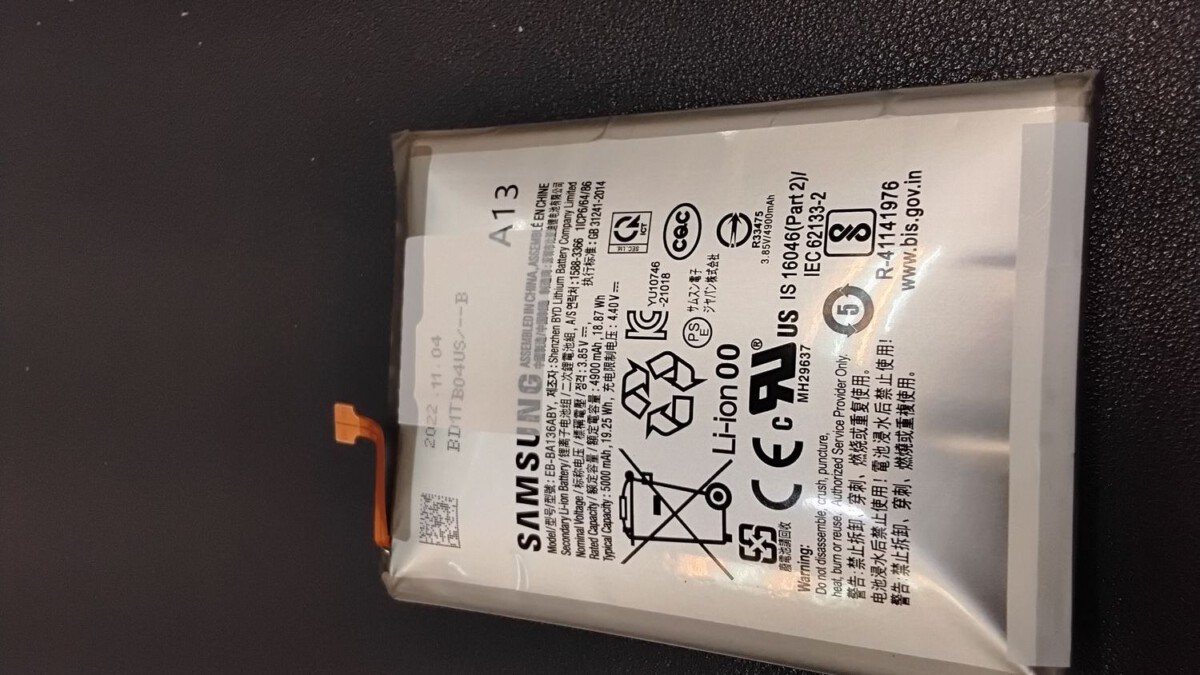

Lithium-ion batteries keep our smartphones running all day, but they aren’t foolproof. When things go wrong, a process called thermal runaway can kick in, leading to intense heat, fire, or even explosion, as explained by the U.S. Consumer Product Safety Commission. Recent reports from the National Fire Protection Association point to thousands of U.S. fires each year tied to battery and electrical failures, including those from devices like phones.
Paying attention to your battery’s behavior could save you from a close call. Manufacturers like Samsung and Apple highlight key red flags in their safety guidelines. Catching them early means you can act before trouble starts.
1. Swelling or Bulging
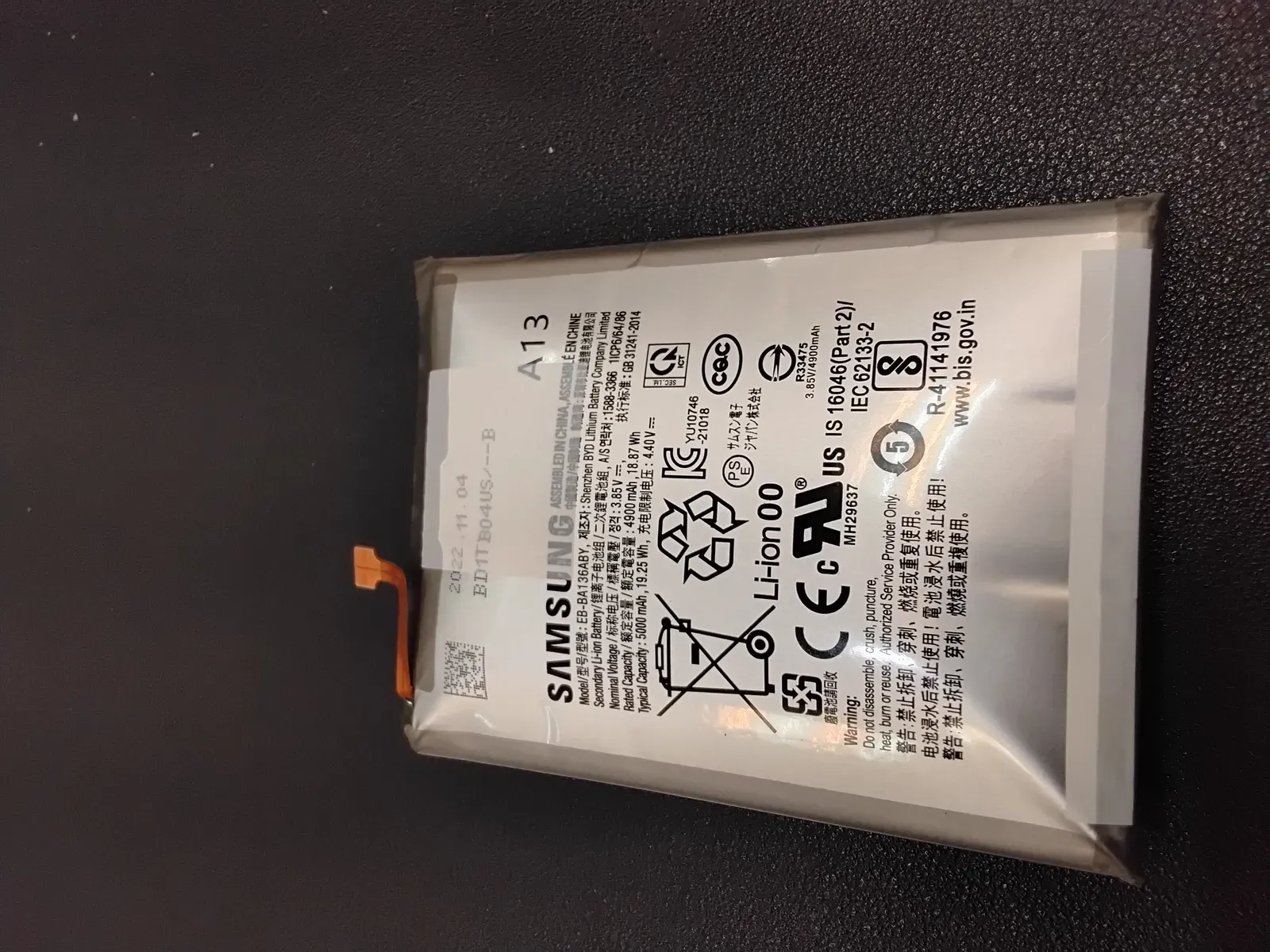
A swollen battery is one of the most obvious warnings that something’s seriously amiss inside your phone. Gas buildup from degrading lithium-ion cells causes this bulge, raising the risk of rupture or fire, according to safety guidance from agencies and battery experts. You might notice your phone no longer sits flat on a table or the back cover feels warped. The Federal Aviation Administration has tracked hundreds of incidents where damaged batteries led to smoke or fire on flights, underscoring how real this threat is.
Don’t ignore even a slight puffiness, as it signals instability that can worsen quickly. Battery University notes that such swelling often stems from over time or manufacturing defects. Stop charging and using the device right away, and seek professional disposal or replacement to avoid escalation.
2. Excessive Overheating

If your phone gets uncomfortably hot, especially during charging, that’s a major alert for potential battery damage. Safety warnings from Samsung and Apple point out that unusual heat points to internal issues or faulty chargers, which the U.S. Consumer Product Safety Commission links to higher fire risks. Non-certified chargers amplify this danger by pushing uneven power flows. Fire safety reports describe how lithium-ion batteries can hit over 1,000 degrees Fahrenheit once ignited, making early detection crucial.
Normal warmth after gaming is one thing, but scorching temperatures demand immediate attention. The National Fire Protection Association ties many battery fires to overheating from misuse or defects. Unplug it, let it cool in a safe spot, and check for recalls before using again.
3. Visible Physical Damage
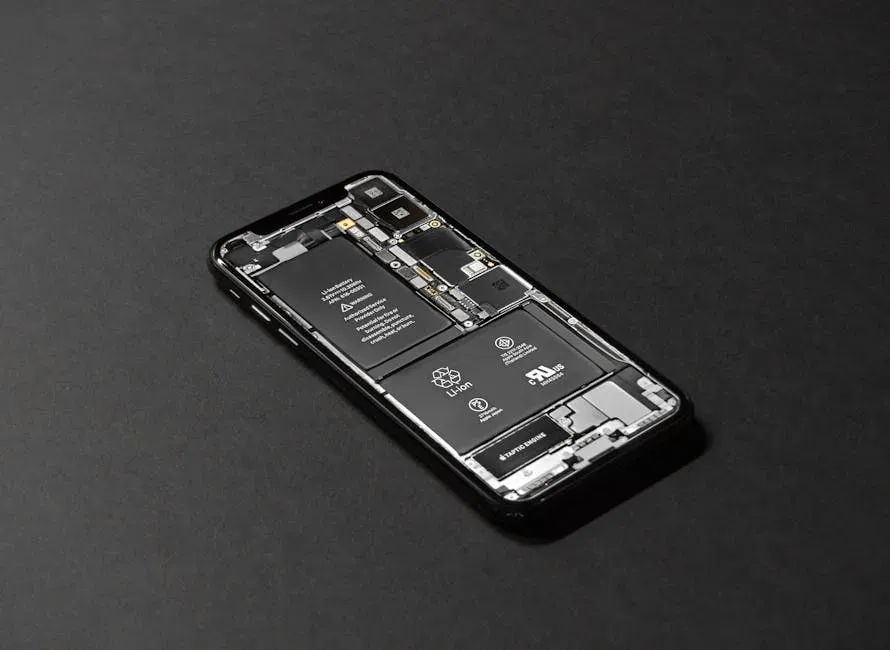
Drops or impacts can crack the battery’s structure, leading to short circuits and fire hazards, as detailed in research from UL Solutions. Even if the phone still works, hidden damage compromises safety over time. The International Air Transport Association advises against using or transporting any physically compromised lithium-ion batteries due to their volatility. FDNY data from 2023 and 2024 shows spikes in fires from such failures in urban areas.
Look for dents, cracks, or leaks around the battery area after any mishap. Repeated deep discharges or overcharges degrade cells further, per Battery University insights. Get it inspected by a pro rather than risking it, especially since extinguishing these fires is notoriously tough.
These signs aren’t rare coincidences; they’re your phone’s way of crying for help before a lithium-ion meltdown. Stick to official chargers, avoid extreme temps, and recycle old batteries properly through certified programs. Staying vigilant keeps the convenience without the catastrophe.