
Summer travel in the U.S. promises beaches, festivals, and city escapes, yet rental car prices stay stubbornly high compared to pre-pandemic days. Industry reports from the Bureau of Labor Statistics highlight ongoing supply shortages and peak demand pushing daily rates up sharply, sometimes by 30 to 50 percent in tourist hotspots during July and August. Travelers often face sticker shock at airports in major cities, where add-ons like insurance pile on another $15 to $30 per day according to consumer analyses.
These four spots stand out for their combo of sky-high parking fees, gridlock, and other headaches that make driving a poor choice. Public transit and rideshares have stepped up, with New York City’s subway hitting record crowds of over 4.6 million riders in late 2025 per MTA data. Opting out of a rental car saves money and stress in places built for walking or mass transit.
New York City
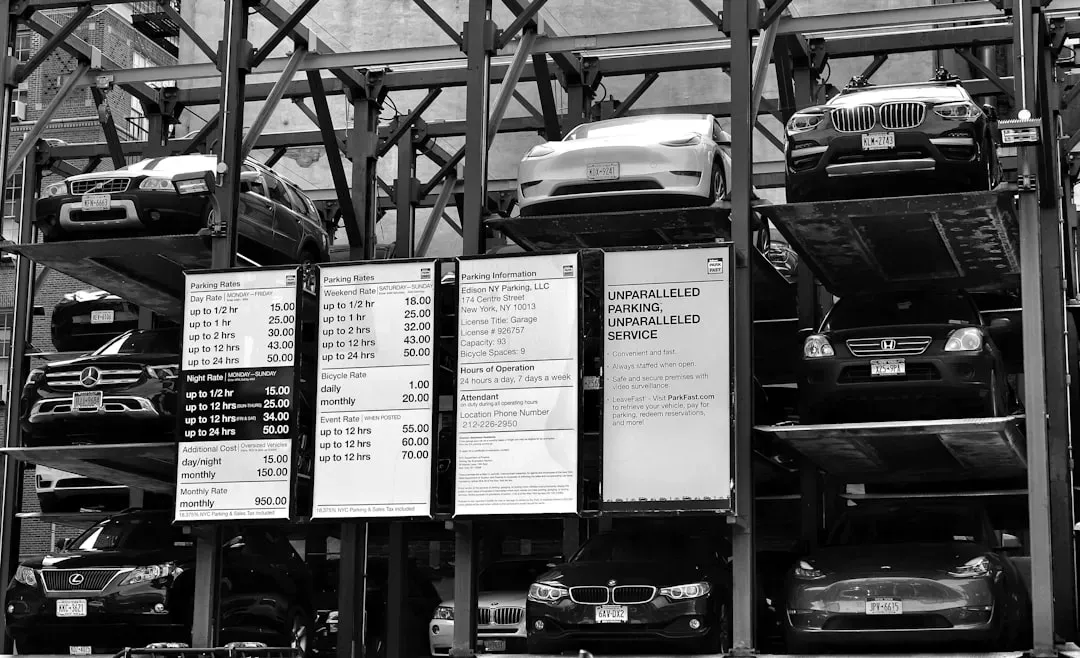
Parking garages in Manhattan average $570 a month, easily topping $500 to $700 for visitors needing a spot over a week, as SpotHero and Spacer reports confirm. Daily rates climb even higher near tourist draws like Times Square, turning a simple rental into a budget buster. Summer crowds make spots scarce, with drivers circling blocks while subways zip below.
The city’s transit system handles millions of daily trips, exceeding 4 million on buses and trains in 2024 according to MTA figures. Ride-sharing apps fill gaps cheaply for short hops. A rental just sits idle amid $40-plus daily parking fees, better left at the airport.
San Francisco
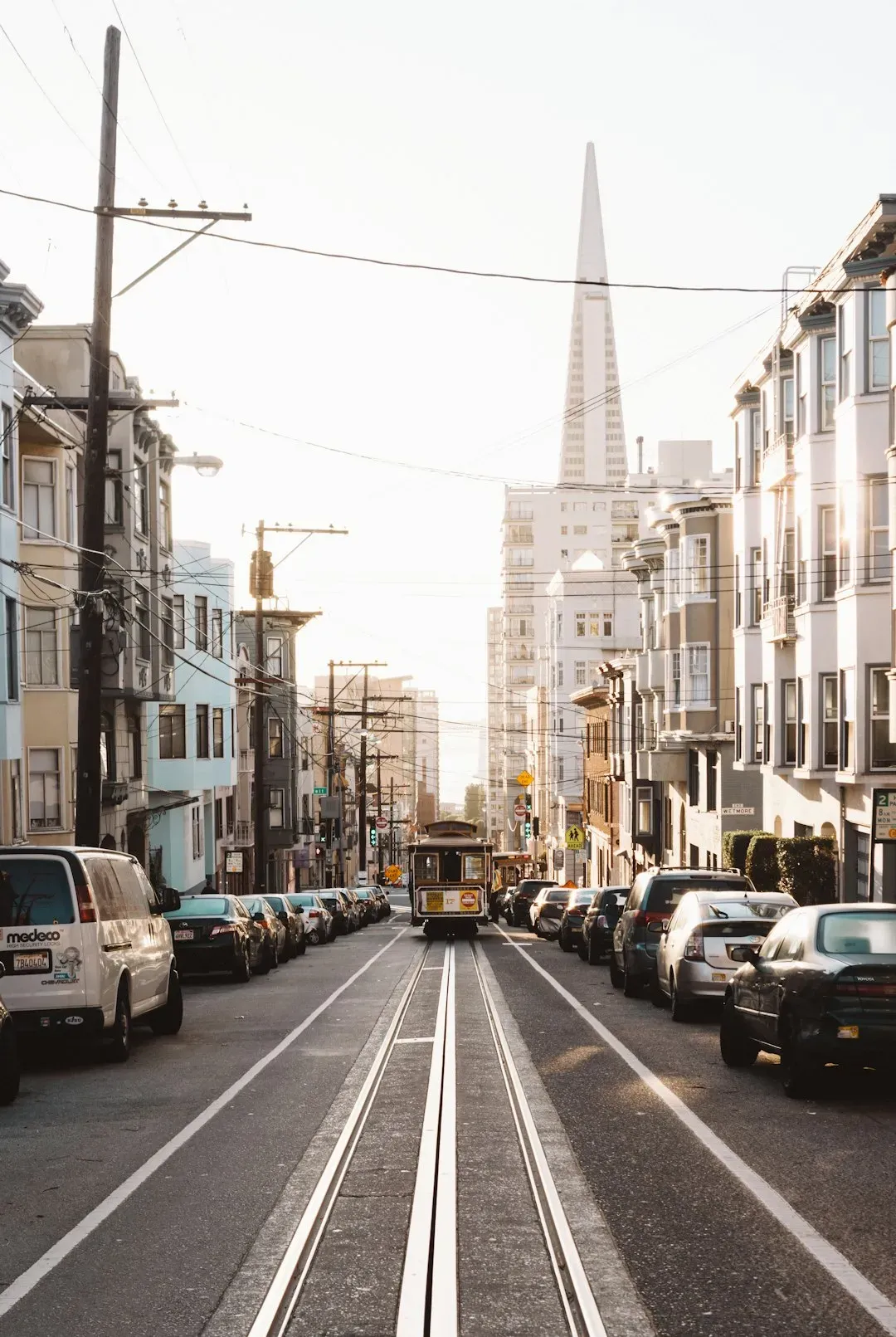
Car break-ins plagued the city for years, with over 18,000 reported in 2023 per SFPD data, though numbers dropped more than 50 percent by 2024 to around 8,500. Tourist areas like Fisherman’s Wharf still see smash-and-grabs targeting rentals left overnight. Rental fleets in the Bay Area rank among the priciest, per travel site surveys from early 2026.
BART and Muni offer reliable alternatives, dodging hilly streets and one-way mazes. Uber and Lyft rides cost less for most visitors exploring neighborhoods. Even with improvements, the risk and hassle outweigh any convenience a car might bring.
Los Angeles
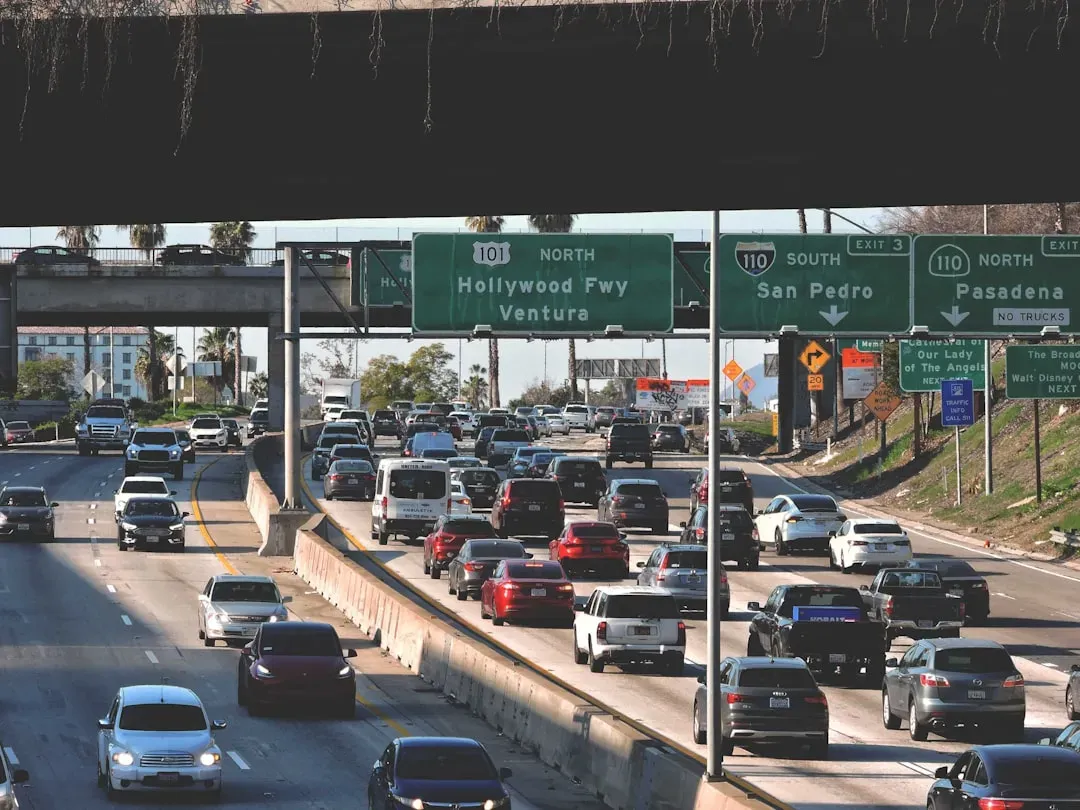
INRIX’s 2024 Global Traffic Scorecard ranks LA fourth worst in the U.S. for congestion, with drivers losing 87 hours yearly to jams. Summer heat and events like concerts amplify delays on freeways like the 405. Rental prices at LAX stay elevated, fueled by high demand as noted in recent car hire analyses.
Metro rail and buses connect beaches to Hollywood affordably. Rideshares beat parking hunts at $20 to $50 a day downtown. Traffic eats time better spent at the beach or a hike, making rentals a frustrating trap.
Chicago
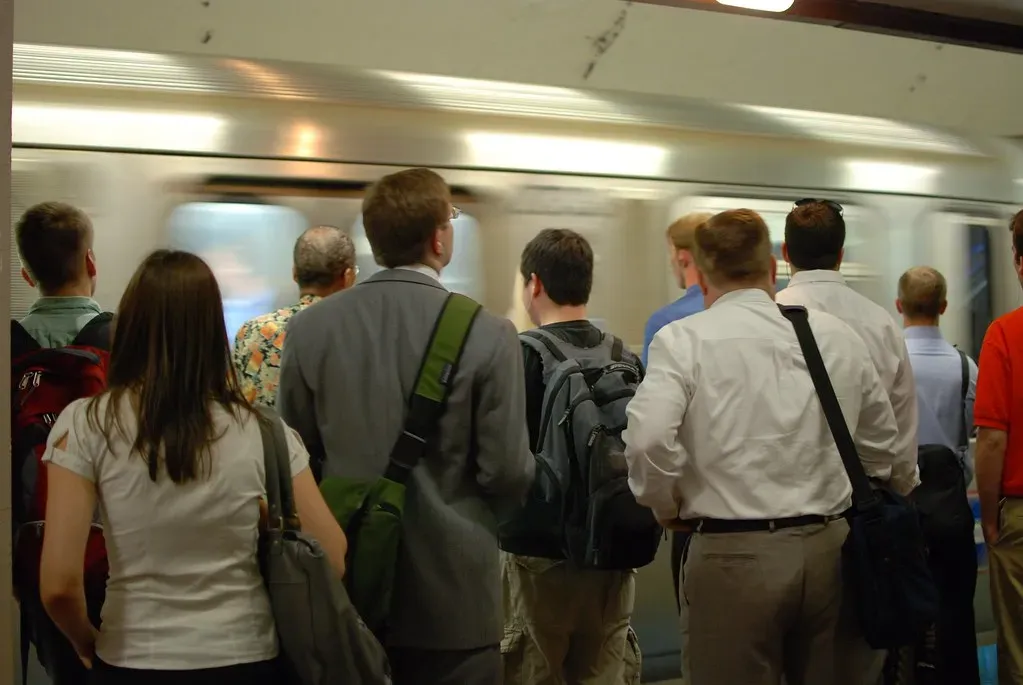
Downtown parking averages $30 to $50 daily, spiking past $40 during summer festivals like Lollapalooza, SpotHero data shows. Garages near the Loop fill fast with event crowds, leaving renters overpaying or towing-threatened. Rental rates in the Windy City top lists for expense, per 2026 travel reports.
The L train and Divvy bikes cover the city efficiently for under $10 a day. Walkable neighborhoods like Wrigleyville need no wheels. High insurance and gas add up quick against transit passes that keep things simple.
These cities thrive without rentals for good reason, blending walkability, robust transit, and rideshare booms. Travelers save hundreds by ditching the car key, focusing instead on the vibe. Next summer, pack light and ride the rails.