
With data breaches hitting record costs, the average global incident now topping $4.45 million according to the IBM Security Cost of a Data Breach Report 2024, everyday apps on your phone could be the weak link. Over 68% of breaches involve a human element like phishing or app misuse, as detailed in Verizon’s 2024 Data Breach Investigations Report. Many popular downloads hide serious risks, especially as mobile cyberattacks surged in 2024 per Check Point Research.
Google Play hosted over 2.6 million apps in 2024, per Statista, making it tough to spot the dangerous ones. The Federal Trade Commission noted consumers lost more than $10 billion to fraud in 2023, often through digital platforms and apps. As we head deeper into 2026, deleting these three types now could shield your data from the next big wave.
1. Free VPN Apps
NordVPN studies show many free VPN apps collect and sell user data rather than protect it, turning your privacy tool into a tracking machine. These apps often lack proper encryption and log your activity, feeding it to third parties for profit. The Cybersecurity and Infrastructure Security Agency highlights how such unpatched apps become prime targets for attackers seeking vulnerabilities.
Instead of safeguarding your traffic, they expose browsing history, locations, and more to breaches. Verizon’s report ties app misuse to a big chunk of incidents, and free VPNs fit right in with their shady practices. Check your installed list and uninstall any without a solid reputation from paid providers.
2. Spyware and Stalkerware Apps
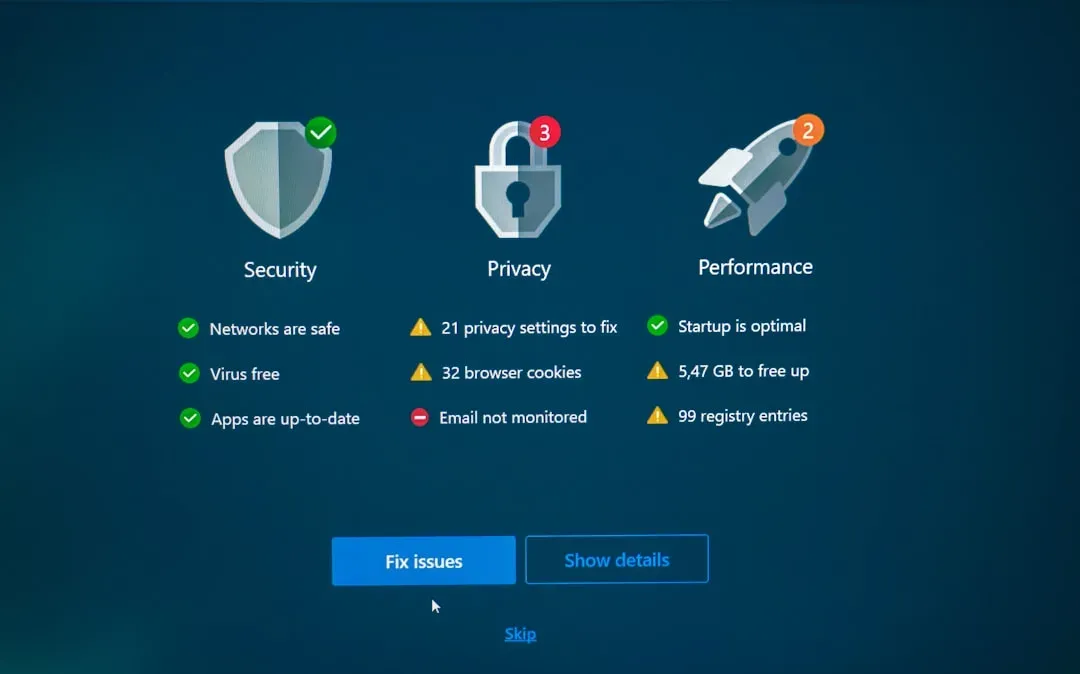
Kaspersky research points to a global rise in spyware and stalkerware apps disguised as legitimate tools like cleaners or trackers. These sneakily access your camera, microphone, and messages without clear consent, perfect for data theft. McAfee reported a surge in malicious apps mimicking utilities, amplifying the threat on Android devices.
Google warns that sideloaded or risky apps drive many malware infections, and these fit the bill with their invasive permissions. The human element in 68% of breaches often starts here, as users grant access unwittingly. Scan for unfamiliar monitoring apps and remove them immediately to cut off potential spies.
3. Predatory Loan and Fake Finance Apps
McAfee identified predatory loan apps, or SpyLoans, with millions of installs that bombard users with invasive ads and steal financial data. These masquerade as quick cash solutions but demand excessive permissions to contacts and SMS for harassment tactics. Check Point Research notes attackers targeting finance apps at scale in 2024 mobile attacks.
Even seemingly harmless impersonators in finance or messaging categories harvest credentials for breaches. The FTC’s $10 billion fraud losses in 2023 link heavily to such scams via apps. Review your finance section, delete unknowns, and stick to verified banks for safety.
Staying ahead means regular audits of your app library, sticking to official stores, and enabling auto-updates. Breaches cost more than money; they steal peace of mind too. A quick cleanup today keeps tomorrow’s threats at bay.