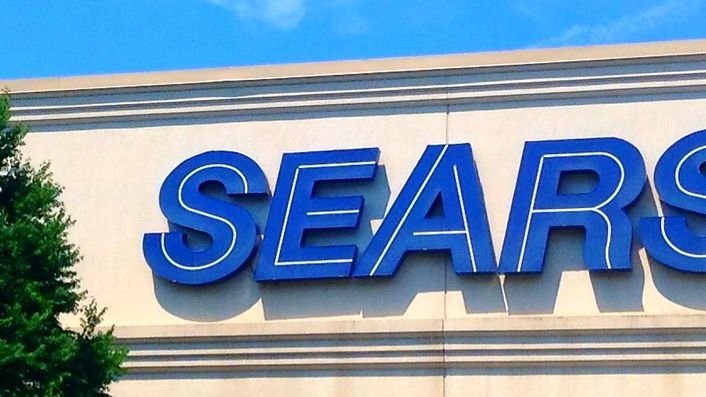

Sears once defined American shopping with catalogs, big-box stores, and everyday essentials. By 2005, it operated alongside Kmart at over 3,400 locations nationwide.[1][2] Fast forward to early 2026, and the chain clings to just five or eight stores, depending on the count, a shadow of its former self.
These holdouts persist under Transformco, the owner since 2019, amid whispers of real estate maneuvers rather than retail revival. The story reveals more than closures; it uncovers why these spots endure in dying malls.[3]
The Peak of Sears Dominance
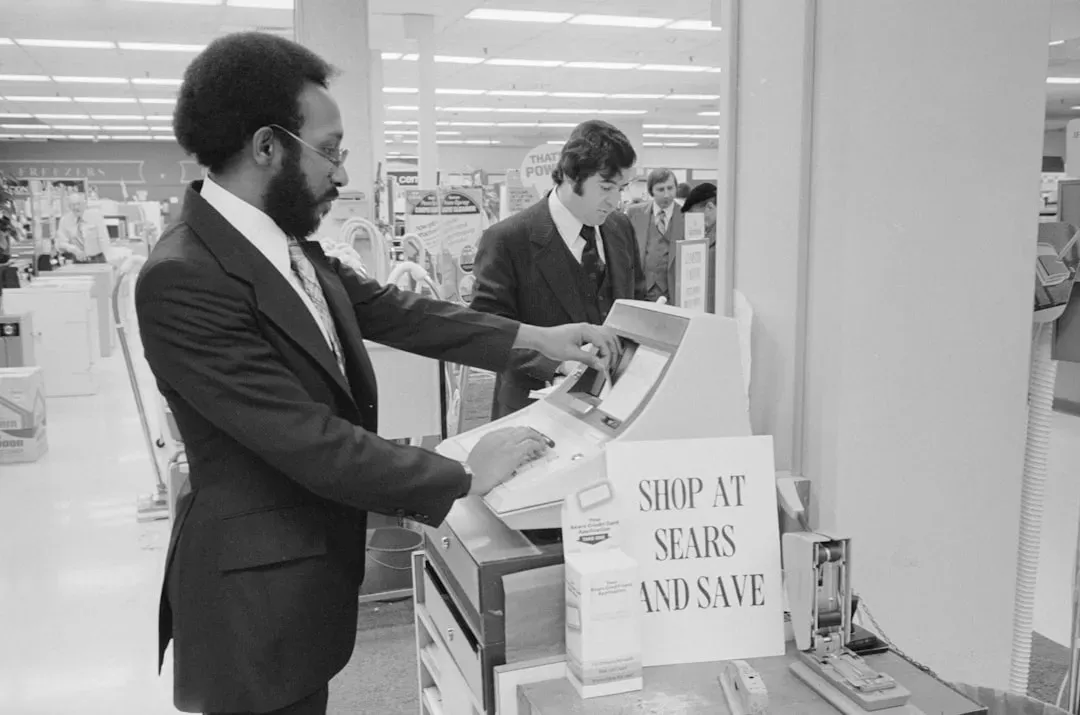
Sears hit its stride mid-20th century, pioneering mail-order catalogs that reached rural homes across America. By the 1970s, it boasted massive anchor stores in nearly every mall, selling everything from tools to toys. Peak employment topped 350,000, fueling the middle-class dream.[1]
Revenue soared past $50 billion annually in the late 1990s. Yet cracks appeared as discounters like Walmart gained ground. The shift marked the start of a long slide.[1]
The Kmart Merger Gamble
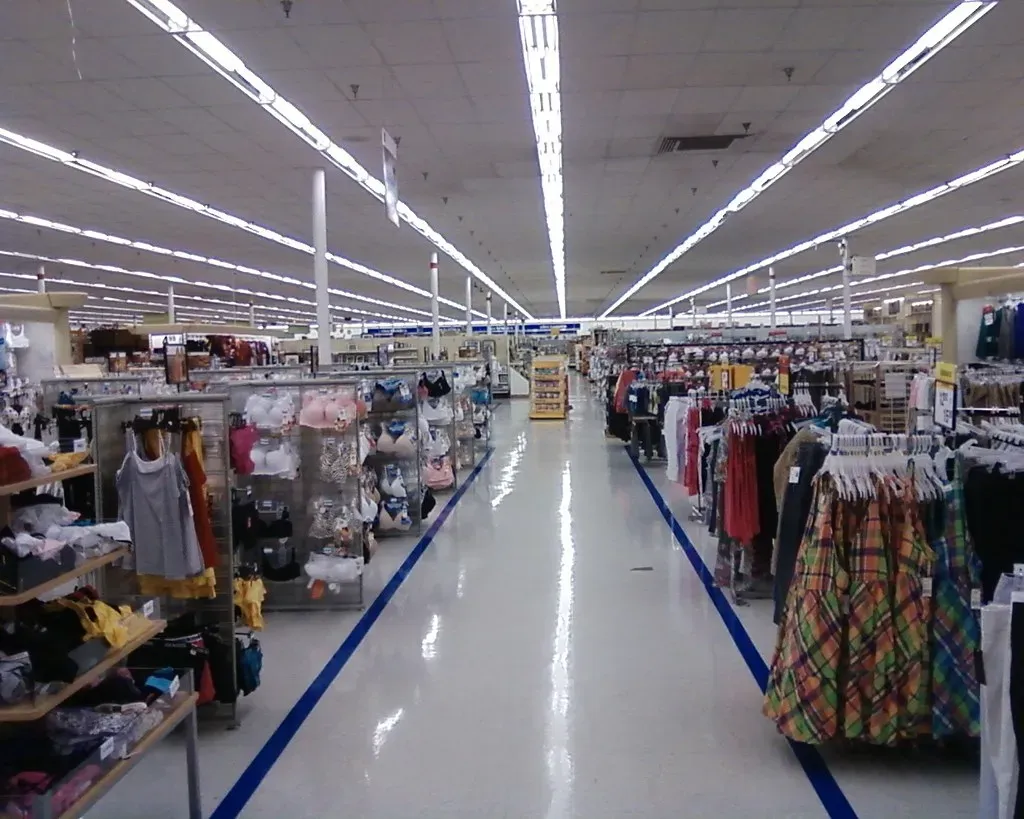
In 2005, Sears merged with Kmart for $11 billion, creating the third-largest U.S. retailer. Eddie Lampert, the hedge fund manager behind it, promised synergies. Combined, they ran over 3,500 stores.[4]
Instead, competition intensified from Target and Amazon. Sales stagnated while debt mounted. The merger bought time but not a turnaround.[1]
Online Retail’s Disruptive Force
Amazon’s rise in the 2010s crushed brick-and-mortar giants like Sears. Customers shifted to fast delivery over mall treks. Sears lagged in e-commerce, losing market share rapidly.
By 2017, annual losses exceeded $2 billion. Physical stores became relics in an online world. The writing was on the wall for massive downsizing.[1]
Eddie Lampert’s Controversial Reign
Lampert, Sears CEO from 2013, sold off assets like real estate and brands to fund operations. Critics called it asset-stripping. Transformco, his firm, bought remnants post-bankruptcy.
Long-term leases on prime mall spots became key. Stores stayed open partly to hold those valuable properties. Profit took a backseat to real estate plays.[5]
Bankruptcy and Asset Fire Sale
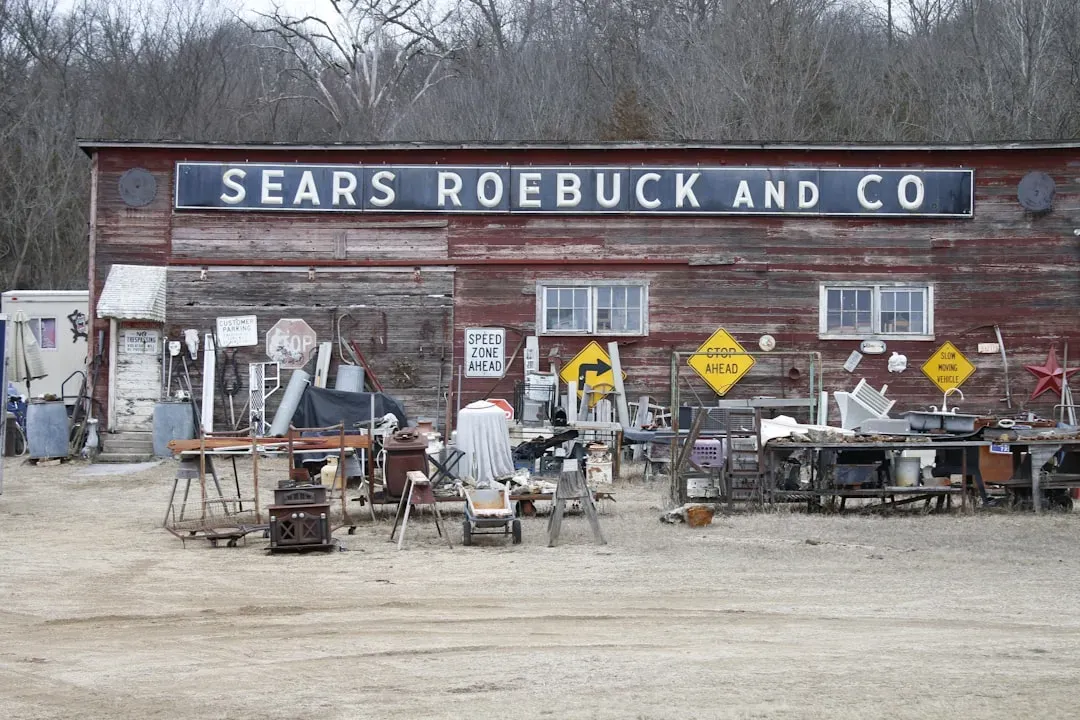
Sears filed Chapter 11 in 2018 after $11 billion in losses. Over 100 stores closed immediately. Lampert’s ESL Investments snagged the brand for $5.2 billion.
Transformco emerged, focusing on home services and online. Physical retail shrank to essentials. Closures accelerated into the 2020s.[1]
Transformco’s Real Estate Pivot

Today, Transformco manages a portfolio of former Sears sites, redeveloping many. Remaining stores occupy spots with decades-left leases. Subletting parts generates income.
Retail analysts see these as placeholders, not growth engines. Sears.com sells via third parties. The model prioritizes property over shoppers.[3]
El Paso, Texas: Cielo Vista Mall
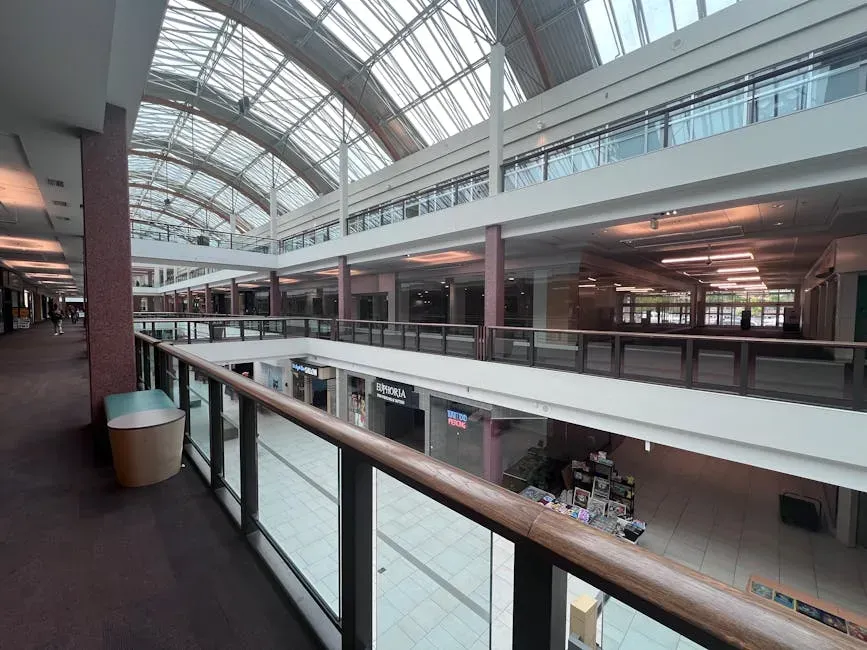
The El Paso store at Cielo Vista Mall endures as a Southwest survivor. Open since the 1970s, it stocks basics amid sparse crowds. Local shoppers value Kenmore appliances still made under Sears.
Foot traffic relies on nostalgia and necessity. No closure rumors yet. It anchors a fading mall.[3][1]
Braintree, Massachusetts: South Shore Plaza
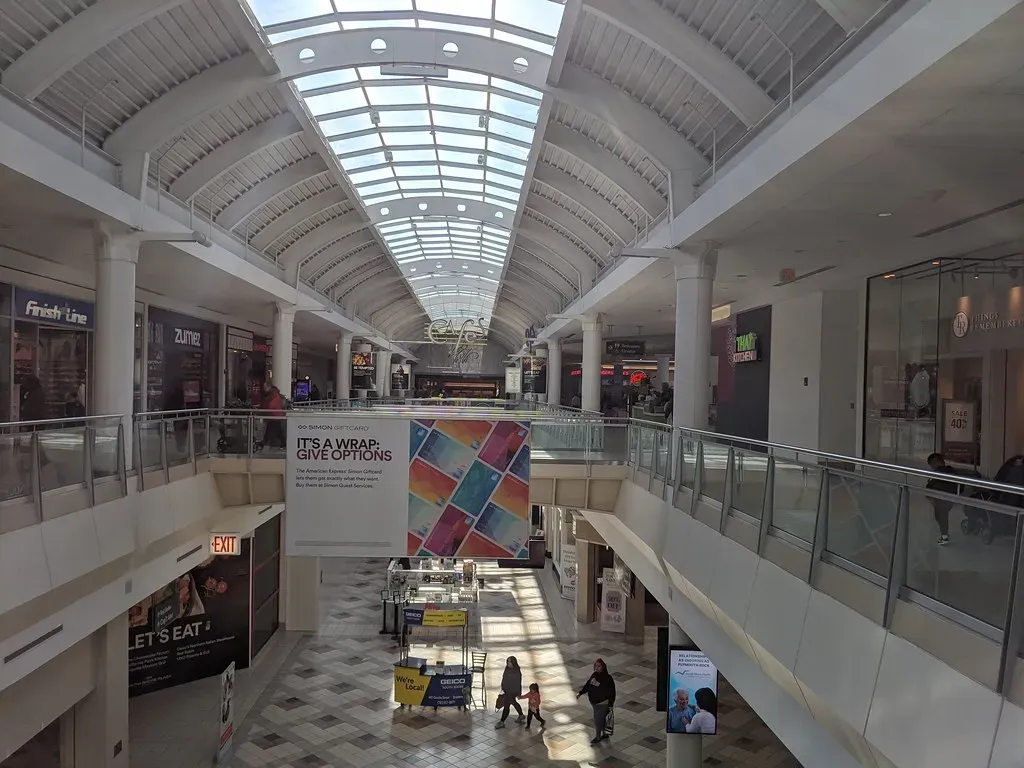
In Braintree, the South Shore Plaza Sears draws Boston-area holdouts. One of few New England spots, it features tools and clothing. Shoppers note empty aisles but reliable service.
Mall owners push for viability. Transformco pays reduced rent amid pleas for relief. Survival ties to lease terms.[1]
Whittier, California: Whittwood Town Center
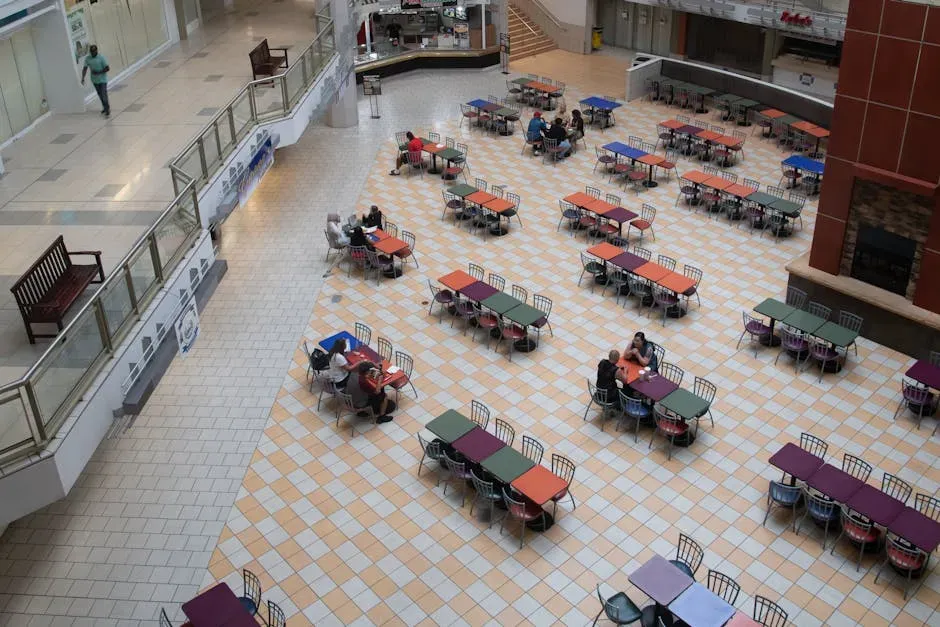
Whittier’s Whittwood store represents a West Coast remnant. Families browse for Craftsman tools, a fading brand. The location persists despite nearby competitors.
Recent reports confirm it’s among the last California outposts. Empty departments highlight the quiet reality. Yet it limps along.[1]
Orlando, Florida: The Florida Mall
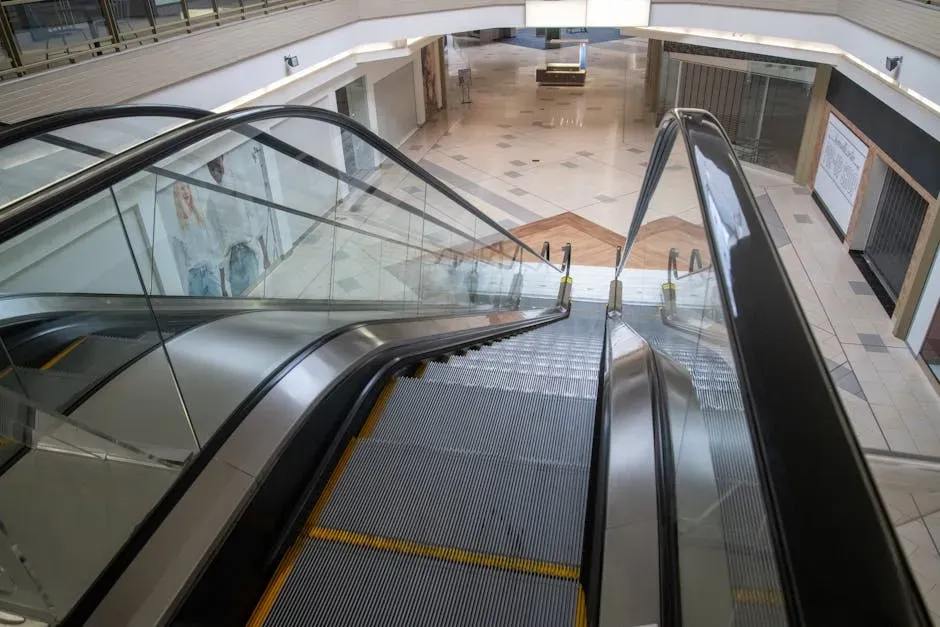
Orlando’s Florida Mall Sears buzzes with tourists occasionally. Appliances and mattresses move steadily. Videos show vast, underused space.
Florida’s two stores buck national trends slightly. Heat and visitors help. Still, the end feels near.[3]
Palm Beach Gardens and Beyond: Florida’s Duo
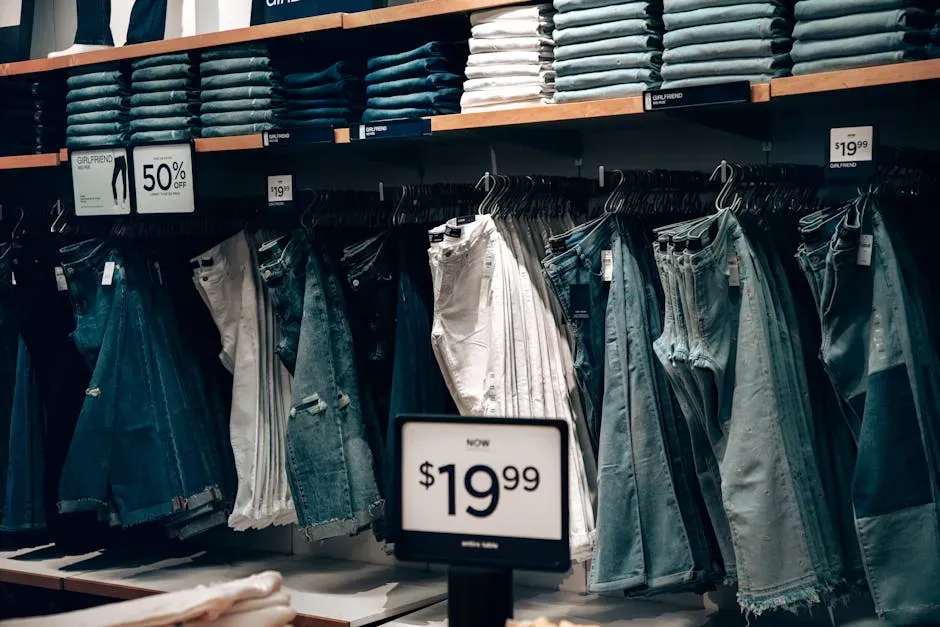
Palm Beach Gardens Mall hosts Florida’s other Sears, catering to retirees. Together with Orlando, they form the state’s pair. Stock focuses on practical goods.
Experts doubt longevity past 2026 without changes. Leases and sublets sustain them. The strange persistence defines these last outposts.[1]
These final stores embody Sears’ odd afterlife, propped by property deals more than profits. Transformco eyes redevelopment everywhere else. Whether they vanish soon or linger as ghosts, the era closes quietly, leaving catalogs and memories.