
Milk
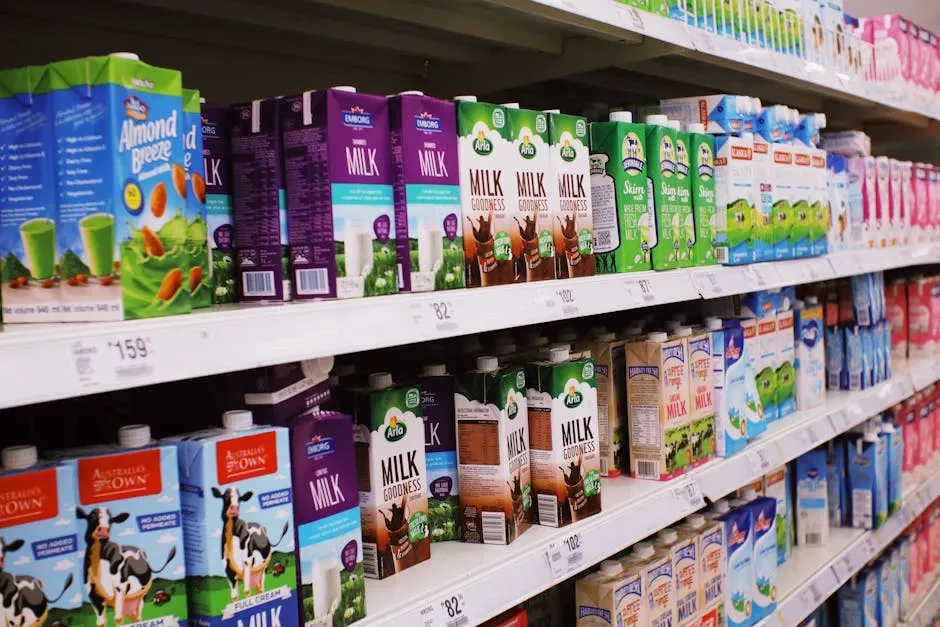
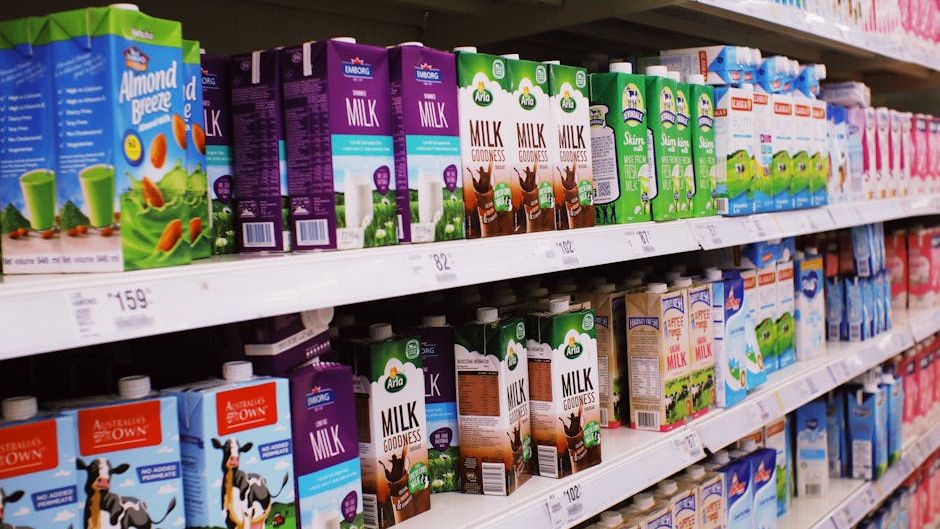
Grocery stores frequently offer milk at lower per-gallon prices through weekly promotions and loyalty discounts. These deals can drop the cost below what you find in Costco’s larger jugs, especially if your household doesn’t go through gallons quickly. Bulk buying at warehouse clubs often leads to spoilage before use, turning a seeming bargain into waste. Studies highlight how regional price fluctuations make local supermarkets more competitive for dairy staples. Smaller containers at the grocery mean less risk of pouring money down the drain. Shoppers save more by grabbing just what they need during sales. Overbuying milk in bulk contributes to higher food waste rates in households. Local stores’ flexibility beats the one-size-fits-all approach of big packs.
Consider how a gallon might sit half-full in your fridge for weeks at Costco quantities. Grocery chains like Kroger or regional players adjust prices dynamically to undercut competitors. Data from pricing analyses show promotions can shave off significant percentages on milk. Families with kids might think bulk is best, yet expiration dates tell another story. Loyalty programs stack extra savings, making the effective price even lower. Bulk models push larger purchases, but real use doesn’t always match. Perishable nature amplifies the trap here. Smart shopping means checking local ads before heading to the warehouse.
Eggs
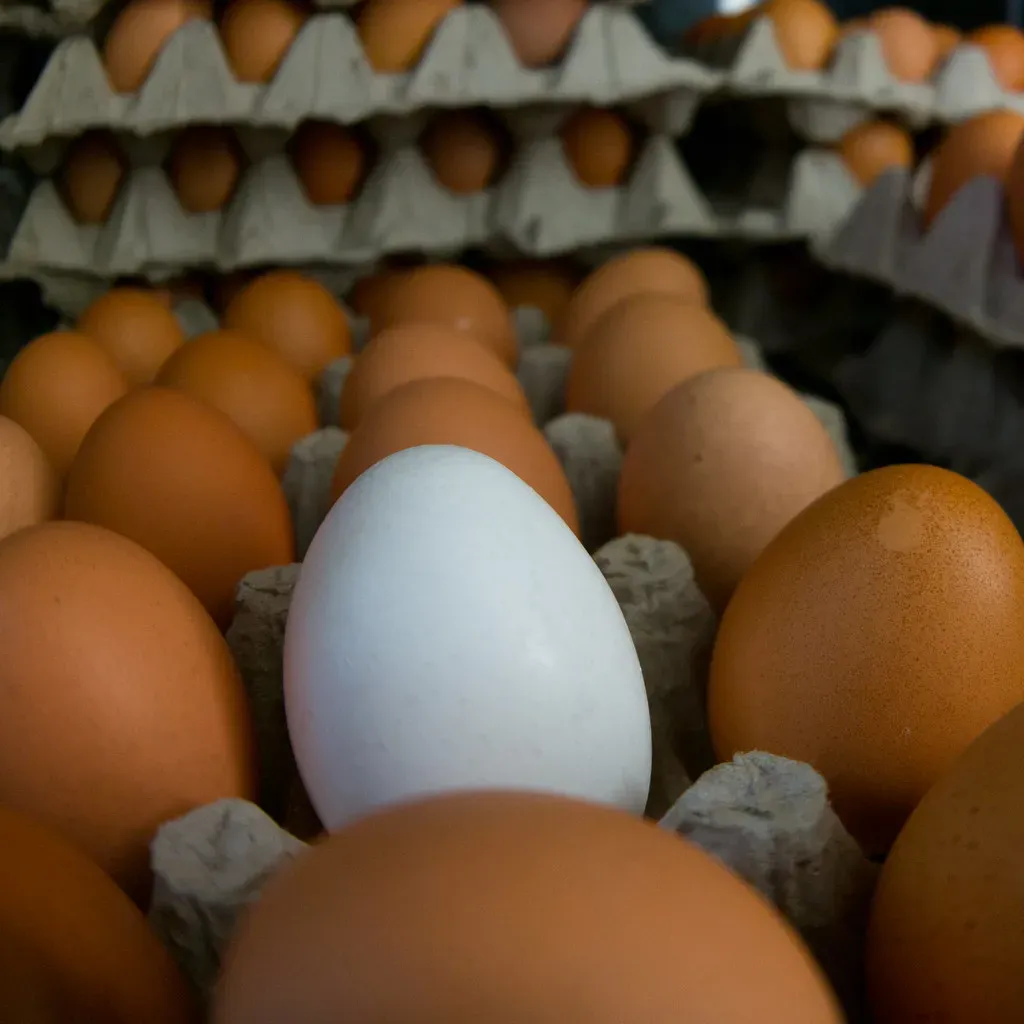
Eggs often carry higher unit prices at Costco when sales hit local groceries hard. Dozen packs or smaller cartons let you stock up without excess that goes bad. Warehouse clubs sell in massive trays, but freshness fades faster in overstocked homes. Research points to grocery promotions beating bulk on staples like this. Regional variations mean your neighborhood store might undercut by a noticeable margin weekly. Waste from unused eggs adds hidden costs to the bulk equation. Smaller buys align better with actual consumption patterns. Shoppers report better value grabbing deals at the local spot.
Think about those 24- or 36-packs gathering dust in the back of the fridge. Supermarkets rotate stock quickly, ensuring fresher product at competitive rates. Pricing data confirms staples fluctuate, favoring locals with flash sales. Households avoid the overconsumption trap by buying moderately. Loyalty perks sweeten the deal further on eggs. Bulk encourages eating more than needed, per consumer studies. Effective savings emerge from precise purchasing. Always compare before committing to the big box tray.
Bread
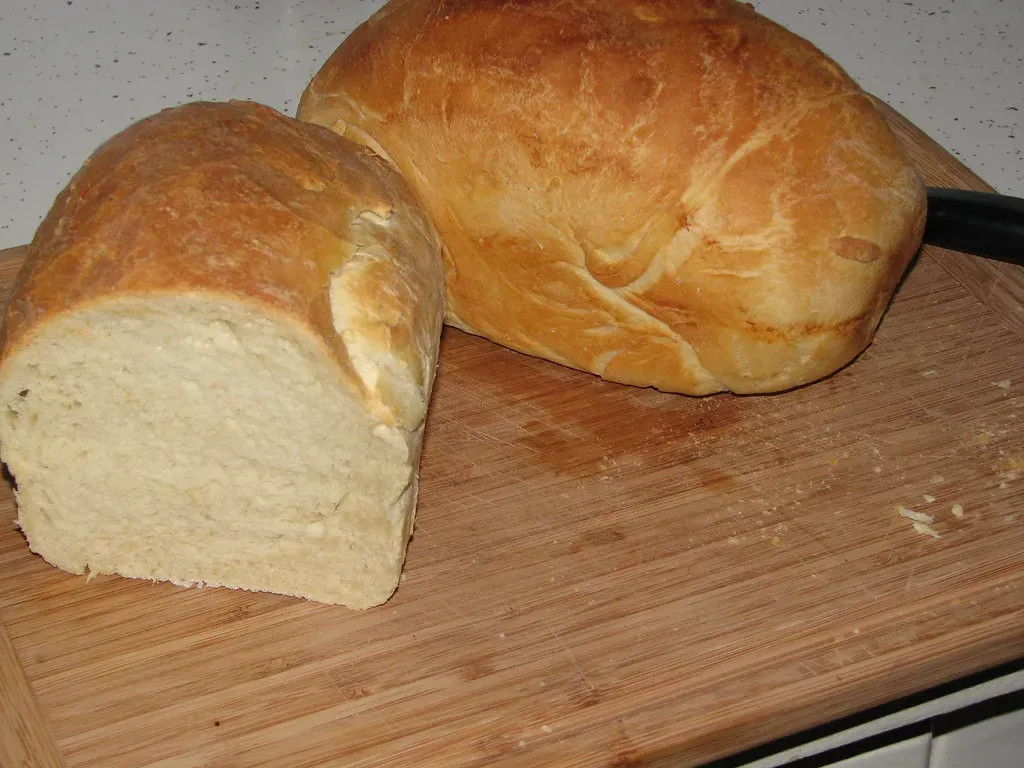
Bread at local groceries shines with bakery-fresh options cheaper per loaf during promotions. Costco’s bulk bags tempt, but staleness sets in before finishing. Smaller quantities prevent tossing half-eaten loaves. Analyses show regional deals make supermarkets winners here. Waste from oversized packs erodes any per-unit edge. Freshness matters more than volume for daily use. Grocery stores tailor sizes to families, cutting unnecessary spend. Sales cycles keep prices dynamic and low.
Imagine slicing into day-old bulk bread week after week. Local chains bake or source fresher, often at better promo rates. Studies note staples like bread favor smaller formats for value. Overbuying leads to freezer overload or trash. Loyalty discounts compound savings on bakery items. Consumer habits shift toward practical portions. Bulk allure fades against real-world use. Check the weekly flyer for unbeatable loaf prices nearby.
Lettuce and Leafy Greens
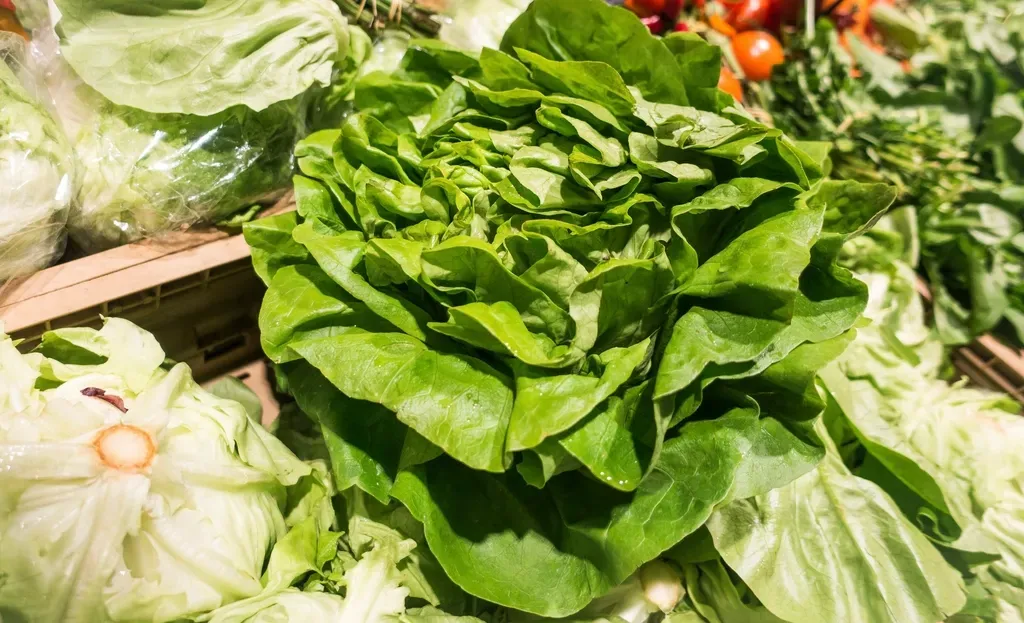
Fresh produce like lettuce heads cost less per serving at groceries, dodging bulk waste. Costco’s giant bags wilt fast if not devoured quickly. Local stores sell singles or small packs ideal for moderate eaters. Reports flag perishables as overpriced in warehouses factoring spoilage. Promotions slash greens prices regionally. Households waste less with right-sized buys. Quality holds up better in smaller volumes. Savings stack when avoiding the trash bin.
Those massive clamshells often end up half-rotten despite low per-pound tags. Supermarkets offer variety in sizes matching needs. Data underscores waste as a bulk pitfall for veggies. Loyalty apps deliver targeted deals on lettuce. Overpurchasing fuels global food loss trends. Shoppers thrive grabbing fresh heads weekly. Effective cost favors the local route. Taste the difference in crispness from timely buys.
Strawberries and Berries
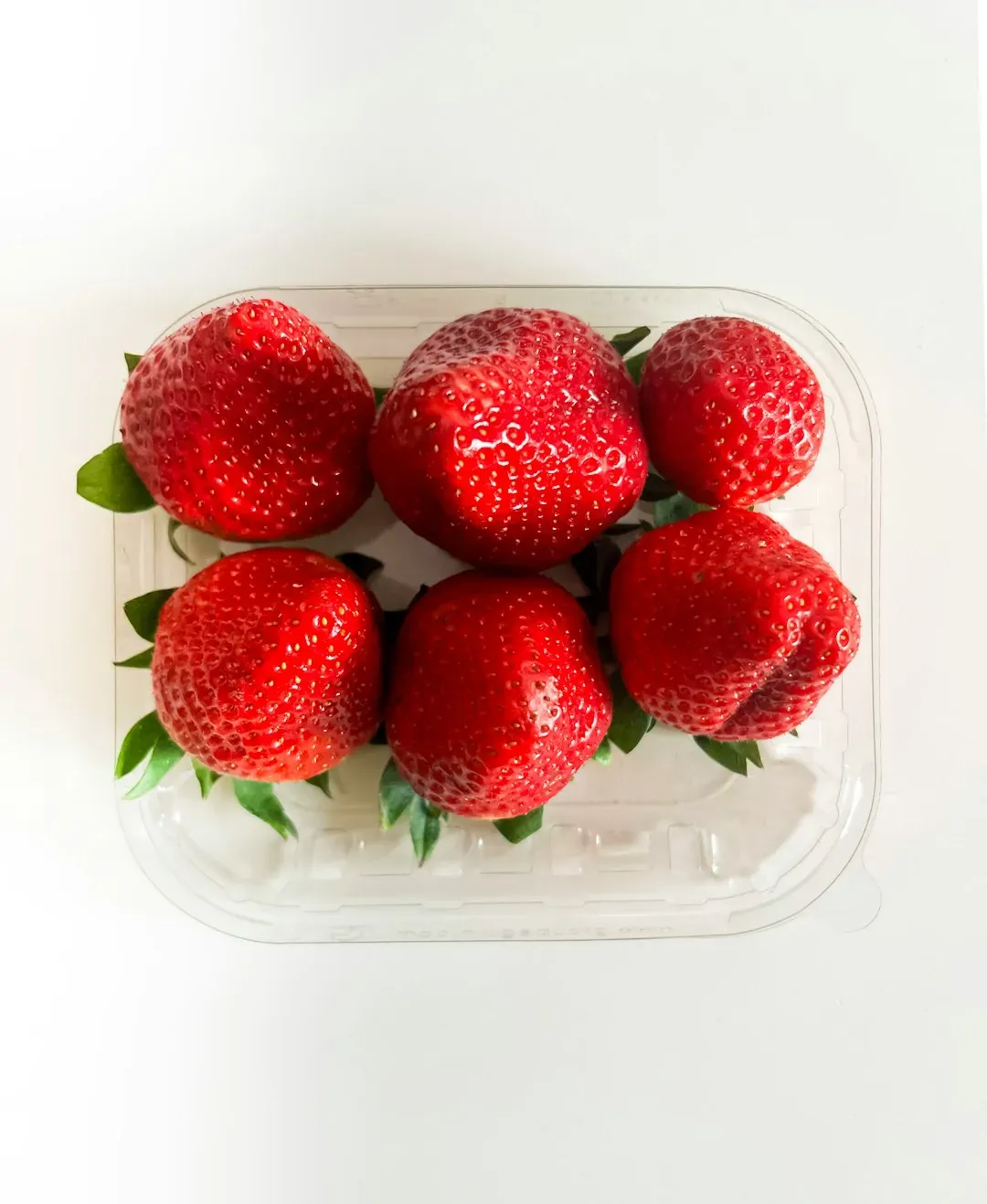
Berries shine cheaper at local stores via seasonal sales and smaller punnets. Costco’s flats overwhelm, leading to moldy discards. Precise quantities curb the spoilage trap. Studies cite produce waste highest in bulk buys. Regional promotions undercut warehouse pricing often. Families save by portioning perfectly. Freshness trumps volume every time. Grocery flexibility wins for delicate fruits.
Picture rinsing spoiled strawberries from a giant pack mid-week. Local spots stock peak-ripe berries at promo lows. Pricing research favors supermarkets on perishables. Overconsumption rises with abundance, per behavior insights. Loyalty rewards amplify berry bargains. Bulk models ignore varied household sizes. Real value lies in used-not-wasted portions. Swing by the neighborhood for sweeter, smarter picks.
Navigating the Costco trap comes down to matching buys to your life. Perishables prove bulk isn’t always best when waste enters the picture. Local groceries offer nimble pricing and sizes that fit real needs. Research backs smaller packs for true savings on these items. Next shop, weigh promotions against pack sizes. Your wallet notices the difference over time.