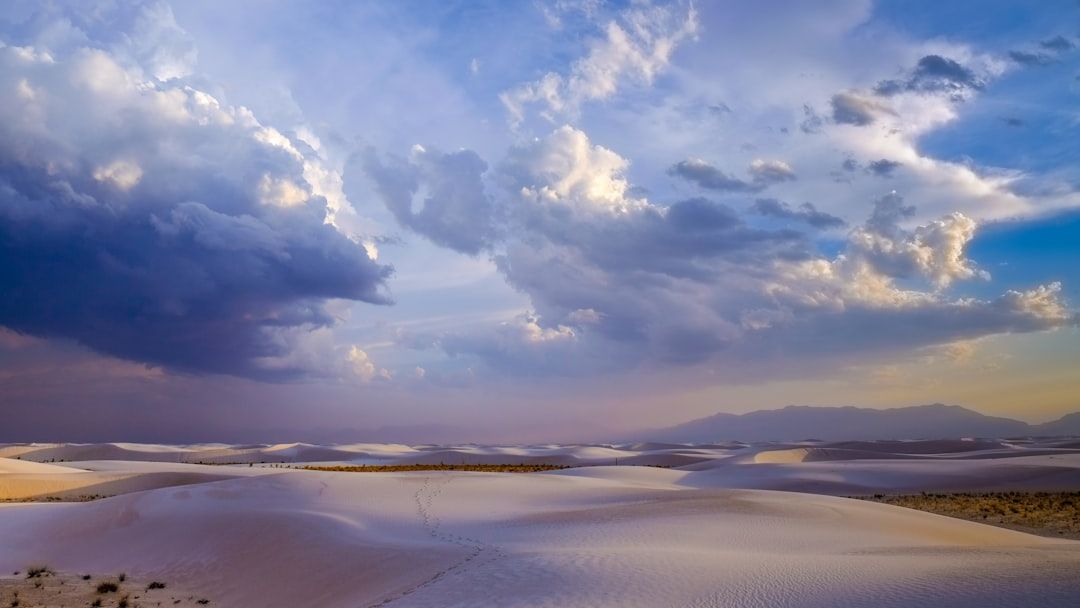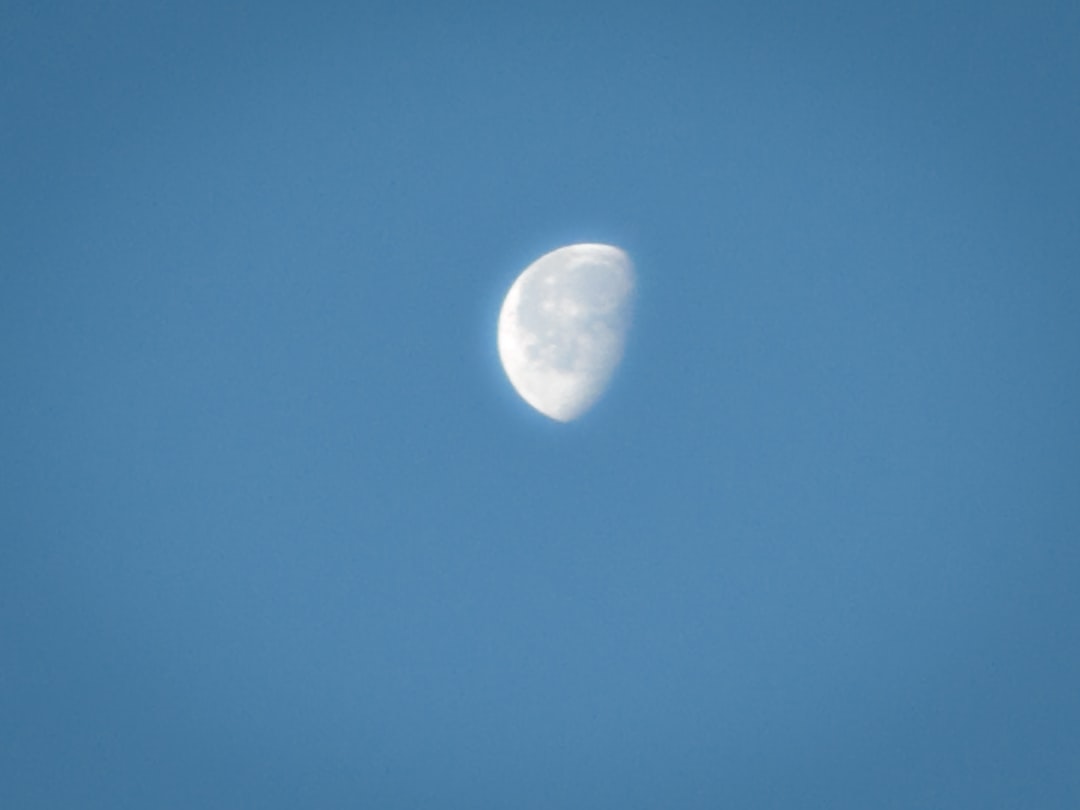
A Striking Post-Sunset Gathering (Image Credits: Unsplash)
Stargazers prepare for a highlight in the evening sky tomorrow. A slender waxing crescent moon, glowing softly with earthshine, positions itself near the dazzling planet Venus and the prominent Pleiades star cluster. This alignment unfolds low in the west-northwest shortly after sunset, offering a serene springtime spectacle visible to the naked eye under clear conditions.[1][2]
A Striking Post-Sunset Gathering
The celestial trio comes together as twilight fades. On April 19, the moon appears about 11 degrees above Venus, with the Pleiades nestled nearby in the constellation Taurus. Observers notice the moon’s illumination at roughly 9 to 11 percent, creating a razor-thin crescent just two days past new moon.[3][2]
This configuration shifts subtly over consecutive evenings. The moon waxes from 4 percent illuminated on April 18 to 17 percent by April 20, tracing a path through Taurus while Venus holds steady as a brilliant guidepost. Such groupings remind viewers of the dynamic dance of solar system bodies against the stellar backdrop.[4]
The Enchanting Glow of Earthshine
Earthshine provides one of the evening’s subtle wonders. Sunlight reflects off Earth’s oceans, clouds, and landmasses, faintly illuminating the moon’s dark side and giving the crescent a ghostly fullness. This phenomenon, sometimes called the “Da Vinci glow,” peaks near new moon phases when the sun-Earth-moon geometry aligns just right.[1]
Photographers capture it best with steady hands or tripods, using exposures up to five seconds. Binoculars reveal lunar maria and craters bathed in this borrowed light, adding depth to the thin crescent. The effect transforms the moon from a mere sliver into a luminous orb suspended in twilight.[2]
Venus Leads the Evening Display
Venus dominates the scene at magnitude minus 3.8 or brighter, outshining all stars and planets. Known as the evening star, it lingers about two hours past sunset, low near the horizon at around 20 degrees up roughly 60 minutes after sundown. Small telescopes reveal Venus itself as a crescent, mirroring the moon’s phase.[3][1]
Faint Uranus hovers about 5 degrees upper right of Venus, a greenish pinpoint at magnitude 5.8 for those with binoculars. Yet Venus steals the show, serving as the anchor for locating the moon and cluster amid twilight haze.[1]
Unveiling the Pleiades Star Cluster
The Pleiades, or M45, rides on the back of Taurus like a miniature dipper. This open cluster harbors around 1,000 young stars, about 100 million years old, located 440 light-years away. Six to seven brightest members sparkle to the naked eye, while binoculars unveil dozens more in a hazy glow.[3][2]
On April 19, the moon sits just 4.6 degrees above the cluster, fitting neatly in binocular fields. Aldebaran, Taurus’s fiery orange eye, stands nearby, framing the scene with the Hyades V-shape. The Pleiades add a touch of mythology, known across cultures as the Seven Sisters.[2]
Practical Tips for Prime Viewing
Timing proves crucial for this low-horizon event. Step outside 30 to 90 minutes after local sunset, when the sky darkens enough for the Pleiades to emerge. A clear, unobstructed western view remains essential, away from city lights if possible.[1]
Binoculars enhance details without complicating setup. Here’s a quick guide:
- Locate Venus first – its brilliance cuts through twilight.
- Scan upward for the crescent moon, about a fist’s width (10-12 degrees) away.
- Spot the Pleiades between or above, resembling a tiny Big Dipper.
- Use a clenched fist at arm’s length for measurements: moon at ~20 degrees altitude.
- Arrive early on April 18-20 to track the moon’s motion.
- Steady phone cameras on railings for sharp earthshine shots.
Weather apps help confirm clear skies. Northern Hemisphere viewers enjoy optimal low-altitude views.[2]
Key Takeaways
- Waxing crescent moon (9-11% lit) joins Venus and Pleiades west-northwest after sunset April 19.
- Earthshine softly lights the moon’s dark side – binoculars recommended.
- Naked-eye event; Venus at -3.8 magnitude guides the alignment.
This alignment captures the quiet poetry of the cosmos, where moon, planet, and ancient stars briefly share the stage. It invites a pause amid daily rush to connect with the heavens. What catches your eye in this display? Share your thoughts and photos in the comments.