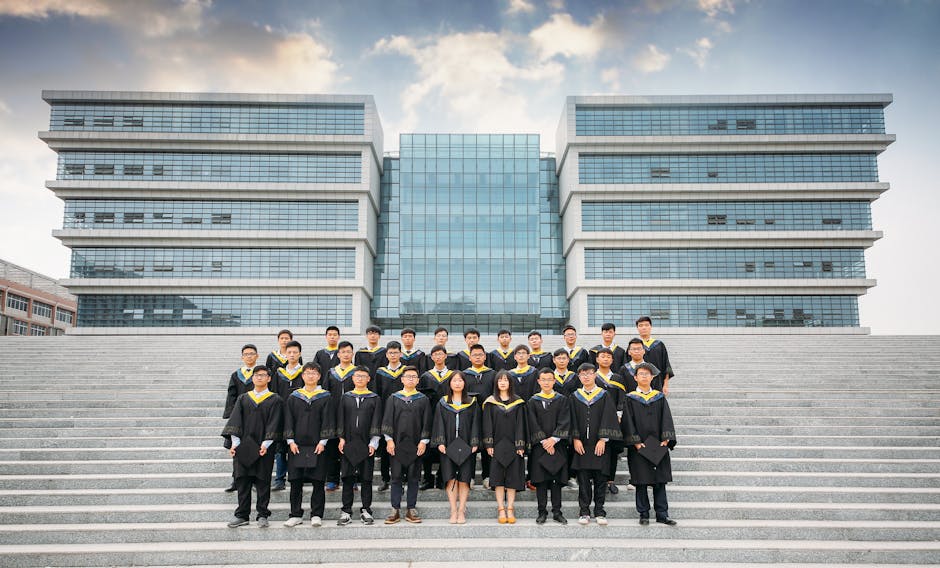
Presidents Fell, Trust Plummeted (Image Credits: Pexels)
Nashville, Tennessee — Elite universities confronted severe headwinds in recent years, from campus protest fallout to shrinking federal funding and eroding public trust. Vanderbilt University Chancellor Daniel Diermeier navigated these storms successfully, steering his institution toward record growth and heightened selectivity. His method, centered on steering clear of political entanglements and recommitting to foundational goals, now serves as a model for corporate executives facing similar pressures.[1][2]
Presidents Fell, Trust Plummeted
Several university presidents lost their positions amid controversies surrounding pro-Palestine demonstrations on campuses. Federal research grants declined sharply during the Trump administration. Public confidence in higher education dropped from 57 percent in 2015 to 42 percent in 2025, according to a Gallup poll.[1]
Yale University issued a report this month that highlighted the contributions of prestigious institutions to this loss of faith. These developments created a volatile environment for academic leaders. Vanderbilt stood apart, achieving gains where peers struggled.
Vanderbilt Surged Ahead with Selectivity Records
Undergraduate applications to Vanderbilt climbed 12.6 percent in 2025, while early-decision applications leaped 20 percent, signaling strong appeal among top students. The admission rate tightened to 4.7 percent, surpassing the selectivity of Cornell and Dartmouth. Diermeier directed expansions that included a new campus in New York City, with others planned for West Palm Beach, Florida; Chattanooga, Tennessee; and San Francisco.[2]
These milestones reflected effective stewardship amid widespread challenges. The university’s focus yielded tangible results in enrollment and infrastructure. Critics noted the approach, though some labeled Diermeier the sector’s most divisive figure.
Neutrality Rooted in Proven Principles
Diermeier drew from his tenure as provost at the University of Chicago, where he helped shape the “Chicago Principles” on freedom of expression. Vanderbilt adopted a parallel Statement of Principles. His earlier roles as dean and professor involved teaching crisis management and reputation strategies.[1]
A Chronicle of Higher Education profile in February portrayed his neutrality as controversial, with detractors viewing it as yielding to unfounded attacks. Supporters credited it with restoring stability. This framework emphasized institutional roles over partisan debates.
Leaders benefited from clear guidelines on speech and operations. Vanderbilt’s implementation fostered an environment conducive to academic excellence.
Corporate Parallels in Polarized Markets
Business executives encountered parallel turbulence, including consumer boycotts and regulatory scrutiny tied to cultural divides. Diermeier’s counsel urged companies to sidestep politicization and prioritize missions. Such discipline mirrored Vanderbilt’s path to resurgence.
CEOs could adapt these tactics through structured steps:
- Maintain neutrality on divisive issues unrelated to core operations.
- Reinforce foundational purposes in communications and decisions.
- Invest in reputation management protocols, informed by crisis research.
- Pursue growth initiatives grounded in institutional strengths.
- Monitor public sentiment via reliable metrics, like enrollment or sales trends.
These practices promised resilience. Firms that embraced them positioned themselves for sustained performance.
Key Takeaways
- Avoid political distractions to protect trust and focus efforts.
- Adopt clear principles on expression and neutrality for stability.
- Prioritize measurable growth over reactive posturing.
Diermeier’s experience demonstrated that purposeful leadership prevailed in fractious eras. Universities and corporations alike stood to gain from this measured approach. What strategies have helped your organization weather cultural storms? Share your thoughts in the comments.