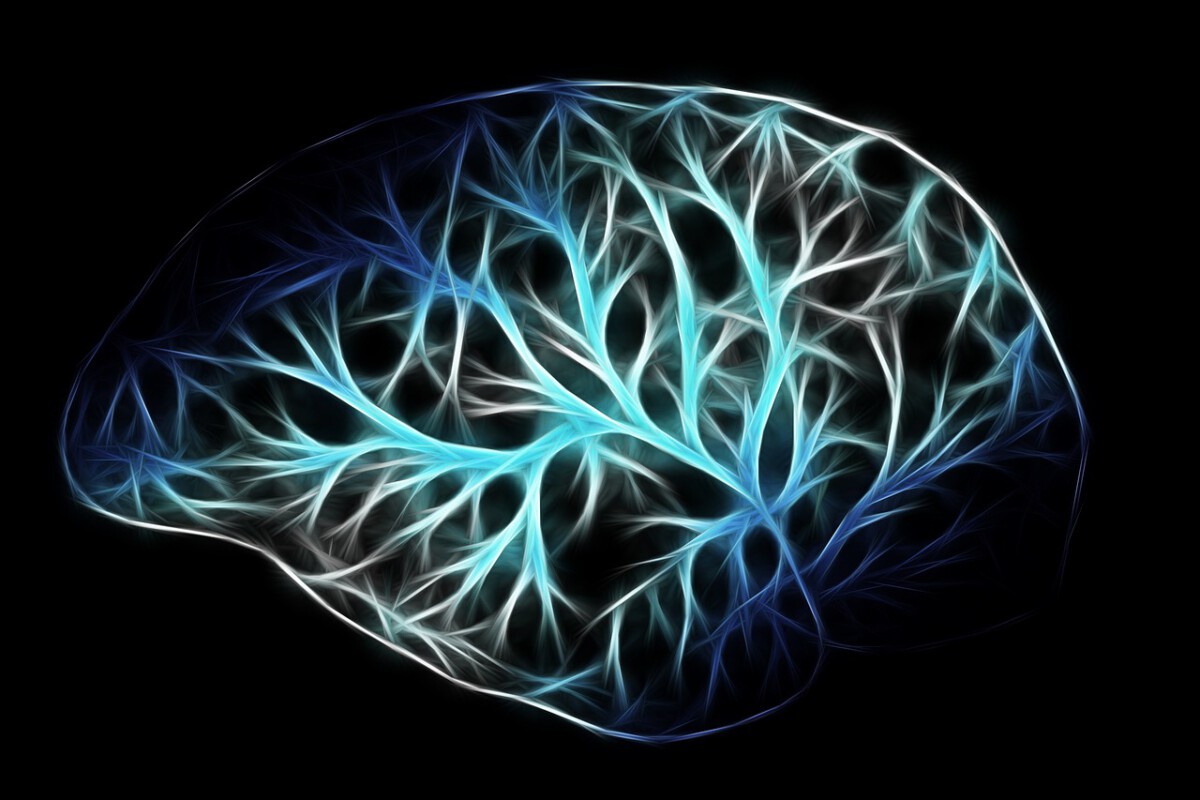
From ‘Brain Glue’ to Dynamic Regulators (Image Credits: Pixabay)
Star-shaped cells known as astrocytes have long lingered in the shadows of neuroscience research. Once relegated to the role of mere structural support, these cells now command attention for their influence over fear processing and neurodegenerative conditions. Recent studies reveal their active participation in memory formation and disease progression, opening doors to novel treatments for persistent mental health challenges.[1][2]
From ‘Brain Glue’ to Dynamic Regulators
Researchers previously viewed astrocytes as passive elements, dubbing them “brain glue” for their role in bridging neural structures and maintaining the brain’s environment. This perspective dominated for decades, with early descriptions emphasizing their supportive functions like metabolic aid to neurons.[1]
Breakthrough findings shifted that narrative. Astrocytes actively regulate neuronal activity and respond to brain stress. In mouse models, they demonstrated dual potential: protecting neurons or releasing harmful molecules when reactive. Such reactivity occurs in conditions like Alzheimer’s, where stress transforms them into contributors to pathology.[1]
Their star-shaped morphology allows extensive connections with neurons, positioning them as key players in real-time signaling. This reevaluation challenges neuron-centric models of brain function.
Astrocytes Drive Fear Memory in the Amygdala
Astrocytes surged in activity during fear learning and recall in the amygdala, the brain’s fear center, according to a 2026 study published in Nature. Fluorescent sensors tracked these changes in mice, showing activity peaks that encoded threatening experiences.[2][3]
Manipulation of astrocyte-neuron signals produced striking results. Boosting signals strengthened fear memories, while suppression weakened them. Disrupting astrocyte function halted normal neural patterns for fear responses and blocked signal transmission to areas like the prefrontal cortex.[4]
“For the first time, we found that astrocytes encode and maintain neural fear signaling,” noted Lindsay Halladay, assistant professor at the University of Arizona and senior author on the research. Activity declined during memory extinction, suggesting astrocytes control whether fears fade or persist.
Linking Astrocytes to PTSD and Anxiety Persistence
Persistent fear in PTSD and anxiety may stem from astrocyte dysfunction. The same amygdala study implied that faulty astrocyte signaling contributes to inappropriate fear responses in safe situations. Researchers observed impaired defensive behaviors when astrocytes failed to relay fear data effectively.[2]
Separate investigations pinpointed astrocytes as producers of excess GABA, an inhibitory neurotransmitter, via the enzyme monoamine oxidase B. This overproduction in PTSD models suppressed memory extinction, locking in trauma. Inhibiting the enzyme reversed symptoms in animals, hinting at therapeutic promise.
- Astrocytes outnumber neurons and form intricate networks around synapses.
- They modulate inflammation and nutrient supply during stress.
- Reactive states amplify neuroinflammation in trauma-related disorders.
- Targeting their signaling could enhance exposure therapies for phobias.
- Sex differences in astrocyte proteins may explain higher PTSD rates in women.
Astrocytes’ Dual Role in Alzheimer’s Progression
In Alzheimer’s disease, astrocytes shift to a reactive state under amyloid-beta stress. They attempt to clear plaques but often exacerbate damage by promoting inflammation and toxicity. A Nature review highlighted this ambiguity: protective clearance versus harmful reactivity.[1]
Cell cultures and mouse models confirmed astrocytes’ involvement in synaptic loss and neuronal death. Restoring their balance emerged as a strategy to slow progression, distinct from neuron-focused drugs.
| Condition | Astrocyte Role | Potential Intervention |
|---|---|---|
| PTSD/Anxiety | Fear memory encoding/extinction | Signal modulation, GABA inhibitors |
| Alzheimer’s | Reactive inflammation/plaque clearance | Prevent reactivity, enhance metabolism |
Toward Targeted Therapies
Drugs like KDS2010, which block astrocyte enzymes, showed efficacy in PTSD mouse models by normalizing GABA levels. Already in trials for other conditions, such agents could repurpose for mental health. Astrocyte-focused approaches promise precision over broad antidepressants.
Combining astrocyte and neuron therapies may yield better outcomes. Ongoing research maps their circuit-wide influence, from amygdala to prefrontal areas.
Key Takeaways:
- Astrocytes actively shape fear memories, not just support them.
- Excess GABA from astrocytes sustains PTSD symptoms.
- Reactive astrocytes drive Alzheimer’s inflammation but offer treatment targets.
These discoveries mark a paradigm shift, positioning astrocytes as pivotal in brain health. As research advances, they hold potential to alleviate suffering from fear-driven disorders and dementia. What role do you see for these cells in future medicine? Share your thoughts in the comments.