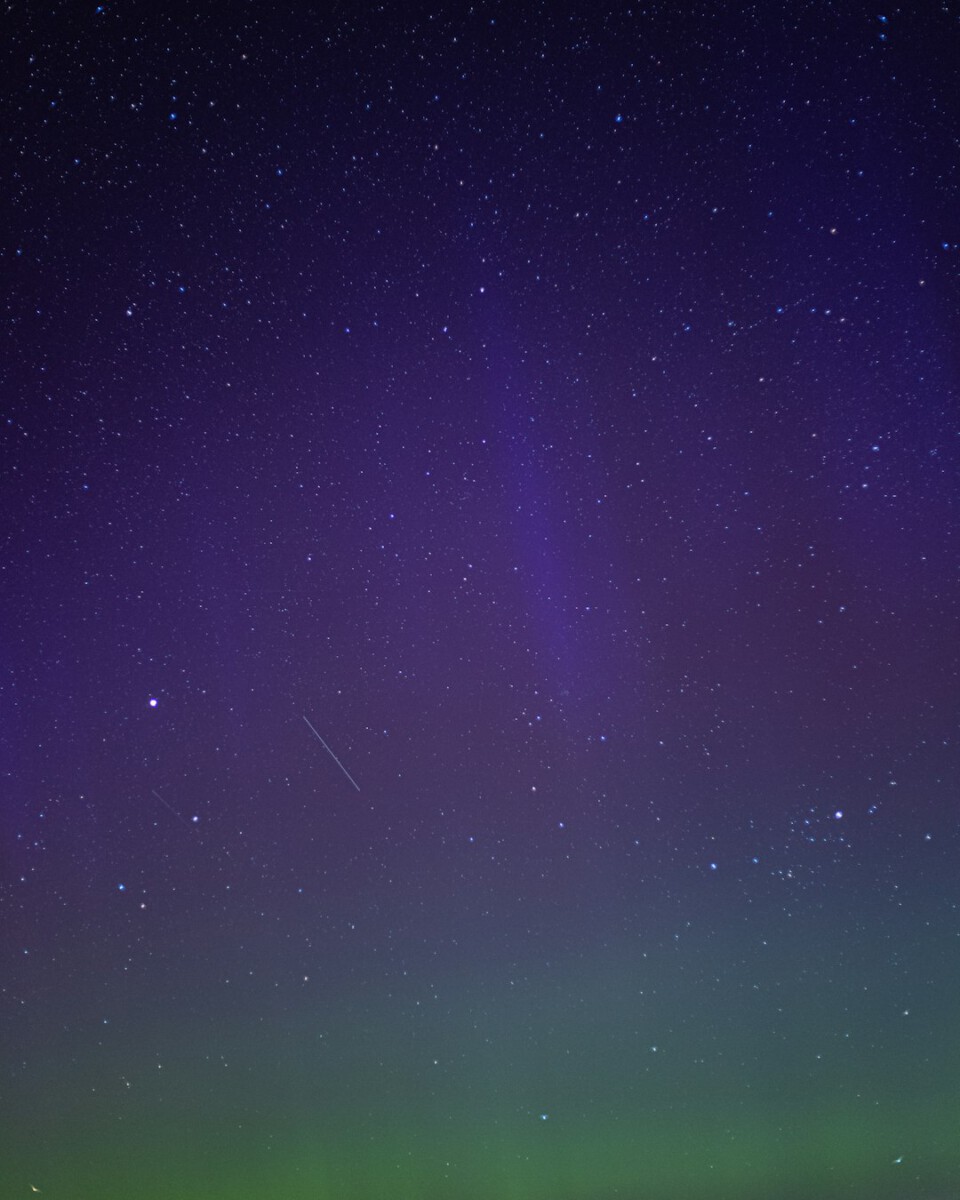
A Legacy Spanning 2,700 Years (Image Credits: Unsplash)
The Lyrid meteor shower graces the skies each spring, drawing enthusiasts eager for fleeting bursts of light. This year, the display reaches its height on the evening of Tuesday, April 21, and the predawn hours of Wednesday, April 22.[1][2] Observers in the Northern Hemisphere stand the best chance to witness 10 to 20 meteors streaking across the darkness, remnants of an ancient comet’s passage.
A Legacy Spanning 2,700 Years
Records of the Lyrids extend back more than 2,700 years, marking it as one of humanity’s earliest documented celestial events. Ancient skywatchers noted these annual visitations long before modern telescopes pierced the heavens.
The shower originates from debris shed by Comet C/1861 G1 (Thatcher), which Earth intersects yearly. As these cosmic particles meet the atmosphere, they incinerate in brilliant flashes known as shooting stars. NASA explains the phenomenon: “When comets come around the sun, the dust they emit gradually spreads into a dusty trail around their orbits. Every year the Earth passes through these debris trails, which allows the bits to collide with our atmosphere where they disintegrate to create fiery and colorful streaks in the sky.”[1]
Prime Viewing Hours and Locations
Activity builds from April 16 through 25, but the most meteors appear near the peak late on April 21 into early April 22. The radiant point – the apparent origin – lies near Vega in the Lyra constellation, rising in the east after 10 p.m. local time.[3]
Northern Hemisphere viewers enjoy the clearest sights at dawn, when the radiant climbs highest. Southern observers may catch fewer, but dark rural spots still yield rewards. This year, a waning moon poses no threat to visibility, enhancing the show.[4]
Mastering the Art of Meteor Observation
Look slightly offset from the radiant to catch longer tails on incoming meteors. Stargazing apps pinpoint Vega reliably, simplifying the hunt.Popular options guide novices and experts alike.
No telescope or binoculars help here – naked eyes suffice for the swift streaks. Patience pays off, as eyes adapt to darkness over 20 minutes, and lulls punctuate the flow. Plan for at least an hour outdoors to maximize sightings.
- Seek remote sites far from city glow and traffic.
- Face east after 10 p.m. on April 21, scanning the full dome.
- Recline comfortably to relax neck strain during long sessions.
- Lie flat or use a chair to cover more sky real estate.
- Track fainter meteors once dark-adapted.
Expectations and Practical Preparations
Under pristine skies, 10 to 20 meteors dazzle hourly, though rare outbursts have surged to 100 in past displays. Variability depends on weather, location, and luck – no guarantees, but odds favor dedicated watchers.
Dress in layers against chill night air, and pack insulating blankets or sleeping bags. Thermoses of hot beverages ward off the cold during extended vigils. Check local forecasts, as clear skies amplify the spectacle.
According to the American Meteor Society, simple steps elevate any outing into a memorable cosmic rendezvous.
Key Takeaways
- Lyrids peak April 21 evening to 22 predawn; aim for dark, rural eastern skies.
- Expect 10-20 meteors/hour normally, up to 100 in bursts from Comet Thatcher dust.
- No gear needed – just patience, warmth, and distance from lights.
The Lyrids remind us of the universe’s enduring rhythms, turning ordinary nights into wonders. As ancient as civilization itself, this shower invites reflection on our place among the stars. What do you think about it? Tell us in the comments.