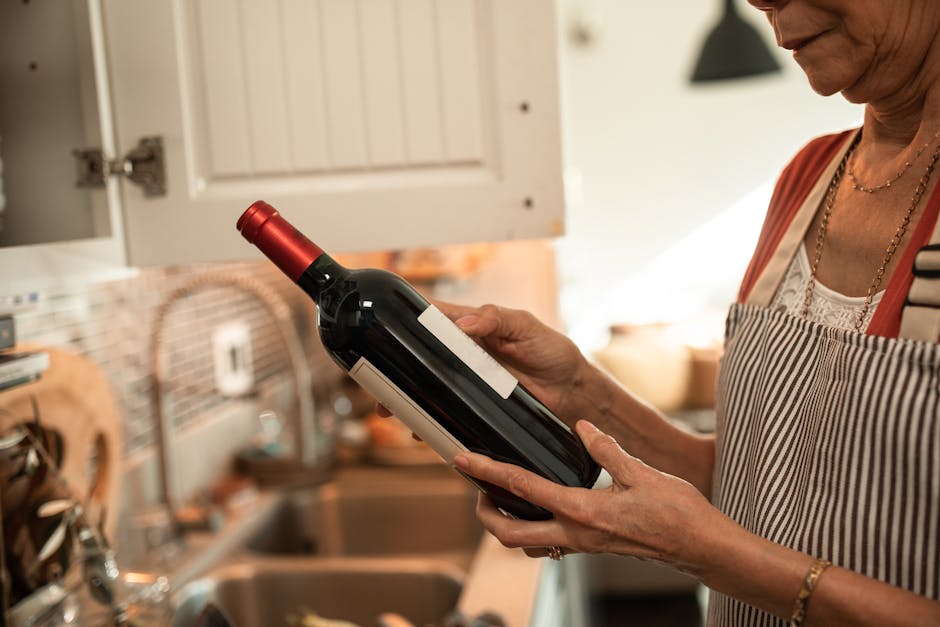

America’s social landscape is shifting quietly but steadily. Recent data shows roughly one in four U.S. adults reported eating all their meals alone on a given day in 2023, marking a 53 percent increase since 2003.[1][2] This pattern reflects growing comfort with solo activities, from meals out to trips away.
Single-person households now make up 29 percent of all U.S. households, a record high that underscores the appeal of independent living.[3][4] Factors like delayed marriage and career focus fuel this rise, blending personal choice with changing norms.
Record High in Single-Person Households

The U.S. Census Bureau reports 38.5 million one-person households in 2024, accounting for 29 percent of the total.[3] This figure has climbed steadily, up from 19 percent in 1974. Younger adults and seniors alike contribute to the trend, often prioritizing flexibility over shared spaces.
States vary widely, with some like Utah showing fewer solo dwellers due to family-oriented cultures.[5] Overall, this growth ties into broader preferences for autonomy in daily life, including how people eat and explore.
Young Adults Driving Solo Meal Habits

Among Americans aged 18 to 24, 25 percent eat every meal alone, nearly double the rate from 20 years ago.[6] For those under 25, solo dining has surged 80 percent recently. Busy schedules and digital distractions play key roles here.
This group feels at ease in restaurants alone, viewing it as self-care rather than isolation. Restaurants note higher solo visits from younger patrons, especially midweek.[2]
Solo Dining Reservations Skyrocket
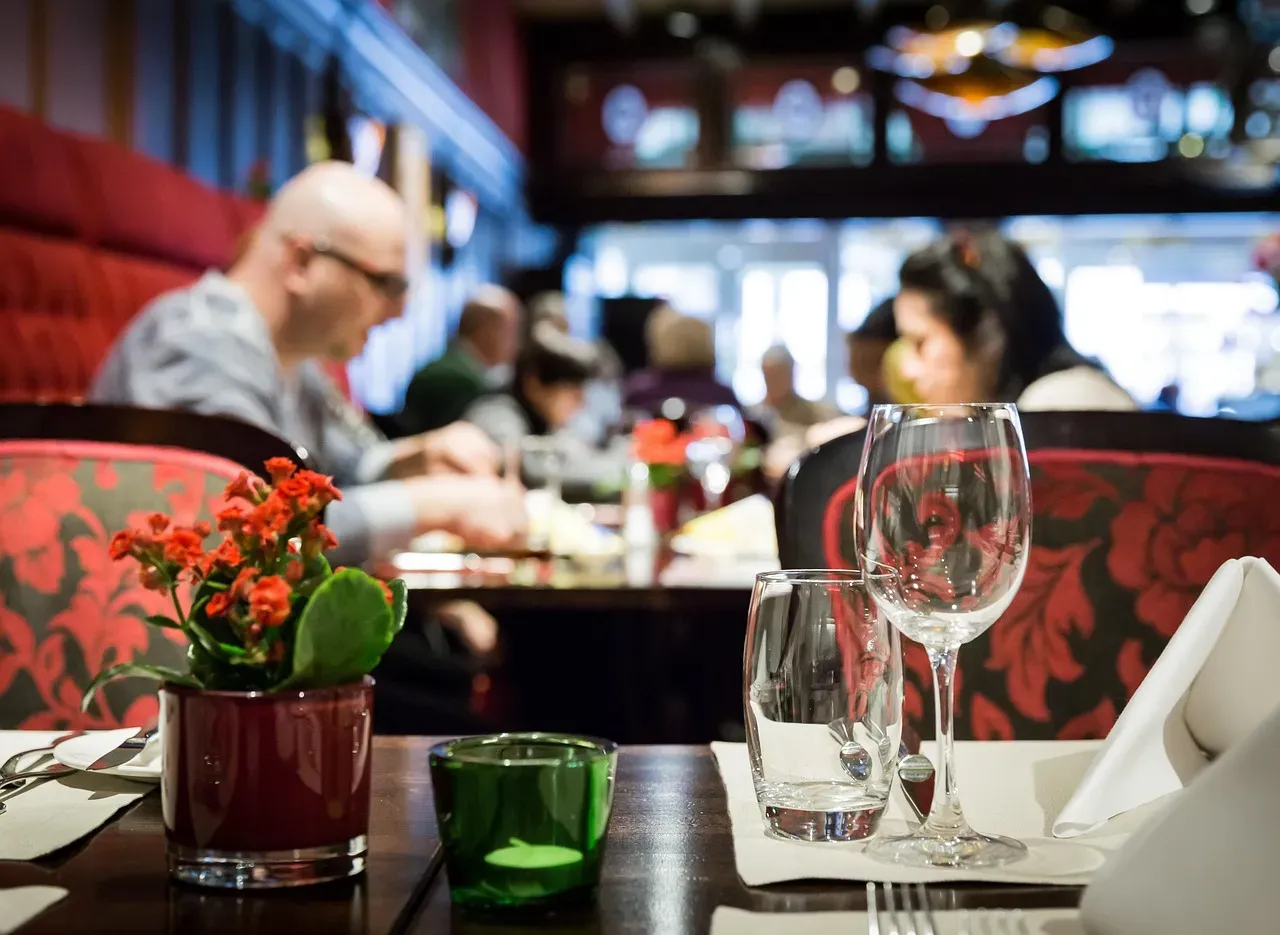
OpenTable data shows solo dinner reservations up 64 percent since 2019, with a 22 percent jump in late 2025.[7][8] Quick-service spots see solo orders at 47 percent of visits now, versus 31 percent four years back.[8]
Nearly 62 percent of Americans dine alone occasionally, per CivicScience.[9] TouchBistro finds 21 percent typically go solo, a rise from prior years.[10] These diners often spend more per visit.
Weekday trends stand out, with Tuesdays up 15 percent in solo bookings. Full-service places adapt with bar seating and quick menus.
Solo Travel Market Booms

The U.S. solo travel market hit nearly $95 billion in 2024, projected to double by 2030 at a 12.4 percent annual growth.[11][12] Eighty-two percent of Americans express interest, though safety concerns hold some back.[13]
Travelers average $2,261 on solo trips yearly, hitting three destinations.[14] Women lead, with 65 percent taking multiple trips annually. Shorter getaways appeal most.
Comfort When Traveling Alone
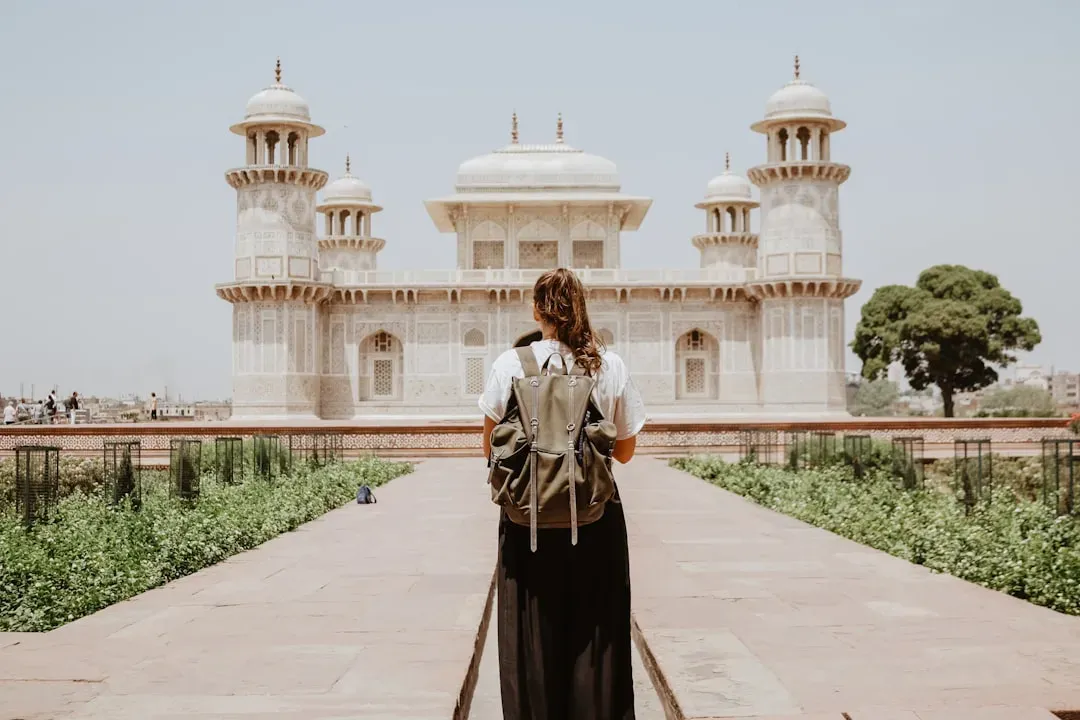
Over 60 percent opt for solo dining primarily during solo trips, rising to 69 percent among boomers.[15][16] Only 15 percent say travel feels better alone, yet curiosity grows. Thirty-two percent of never-solo travelers want to try.
Safety tops hesitations at 30 percent. Still, apps and tours make it easier, fueling market expansion into 2026.
Shifting Social Norms
Solo activities once carried stigma, but now signal confidence. Searches for “best place to eat alone” jumped 150 percent.[17] Restaurants welcome it with dedicated spots.
Post-pandemic, independence feels empowering. Nearly half of self-care solo diners report more frequent outings this year.[9] This mirrors rising single living across demographics.
Technology Fuels Independence

Apps for reservations and delivery simplify solo plans. Remote work extends comfortable alone time into evenings. Solo travelers use platforms for safe connections.
Digital tools track preferences, boosting repeat solo visits. This tech layer makes independence seamless and routine.
Post-Pandemic Lasting Effects

COVID accelerated comfort with solitude, sustaining into 2026. Dining habits shifted permanently for many. Travel rebounds emphasize personal pace over groups.
Remote lifestyles blend work and solo leisure, normalizing table-for-one choices.
Economic and Lifestyle Factors

Single households rise with delayed partnerships and career mobility. Solo diners spend comparably or more, aiding restaurants.[18] Urban living suits quick, independent outings.
Average solo trip costs reflect willingness to invest in self. This economic viability supports the trend’s growth.
Debates on Happiness Links

While solo trends grow, reports tie more alone meals to lower happiness rankings.[2] Yet many report fulfillment in choice. Balance matters, with shared meals still valued.
Research shows variation by age and context. Solo living thrives where it fits personal rhythms.
Solo living carves a distinct path in modern America, blending freedom with subtle challenges. As numbers climb, society adapts, from restaurant designs to travel options. The key lies in what feels right for each person, one meal or trip at a time.