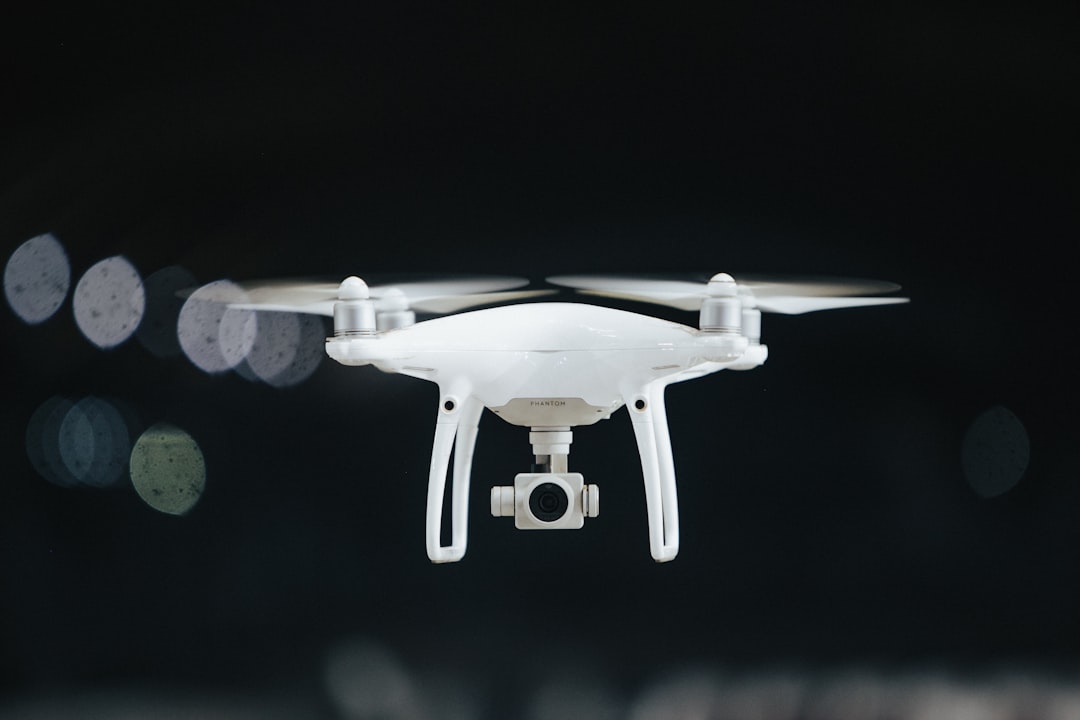
Unregistered Drone Becomes Tool of Tragedy (Image Credits: Unsplash)
Lancaster, California – Federal authorities sentenced a local man to more than 14 years in prison after he used a drone to deliver fentanyl that resulted in a woman’s overdose death. The delivery occurred in a church parking lot just hundreds of feet from the suspect’s home. Prosecutors detailed how Christopher Patrick Laney employed the unregistered device multiple times to shuttle narcotics, evading traditional risks of in-person sales.[1][2]
Unregistered Drone Becomes Tool of Tragedy
A single drone flight on January 17, 2023, carried $80 worth of fentanyl from Laney’s residence to a nearby church parking lot. Text messages arranged the sale to an intermediary identified as S.G., who collected the drugs and passed them to the victim, known only as J.K. She died the following day from a fatal overdose at her Lancaster home.[3][4]
Video footage recovered from the DJI FPV drone captured this and at least three other deliveries in December 2022 and January 2023. Laney, 37, operated the aircraft without Federal Aviation Administration registration, flying it distances of 600 to 1,500 feet. The method allowed discreet drops, with buyers retrieving packages from the lot.[1]
Multi-Agency Probe Uncovers Arsenal and Drugs
Investigators from the Drug Enforcement Administration, Los Angeles County Sheriff’s Department, FAA, and U.S. Customs and Border Protection zeroed in on Laney after identifying his drone activity. A search of his home revealed methamphetamine, fentanyl, and several firearms. Authorities seized an AR-15-style ghost gun rifle without a serial number, two 9mm semiautomatic ghost-gun pistols, the drone itself, $1,063 in cash, digital scales, and two cellphones.[3][5]
The probe highlighted Laney’s alias “Crany” and his repeated use of the drone for narcotics transport. Evidence showed he possessed the drugs with intent to distribute. Firearms charges stemmed from their presence in furtherance of trafficking.[1]
Indictment, Plea, and Lengthy Sentence
A federal grand jury indicted Laney on nine counts in September 2024, including distribution of fentanyl resulting in death and four counts of operating an unregistered aircraft for felony narcotics crimes. Additional charges covered possession with intent to distribute methamphetamine and fentanyl, plus firearms violations. He faced a potential life sentence if convicted on all counts.[1]
Laney pleaded guilty in September 2025 to distribution of fentanyl and possession with intent to distribute methamphetamine. As part of the deal, he agreed not to seek less than 168 months in prison. United States District Judge sentenced him to 14 years and six months on April 20, 2026. He must also forfeit the seized items.[2][3]
Rising Threat of Tech-Enabled Drug Trade
Laney’s case exposed how drones enable low-risk drug distribution in suburban areas. The short flights bypassed street-level exposure, targeting church lots near his home. Federal officials noted the drone’s camera provided damning self-incriminating evidence.[4]
Here are key elements seized in the case:
- DJI FPV drone used for deliveries
- AR-15-style ghost gun rifle
- Two 9mm ghost-gun pistols
- $1,063 cash
- Digital scales and cellphones
- Methamphetamine and fentanyl
Key Takeaways:
- Unregistered drones pose new challenges for law enforcement in drug cases.
- Fentanyl distribution resulting in death carries severe penalties.
- Multi-agency collaboration proved crucial in securing evidence.
This sentencing serves as a stark warning to traffickers adopting technology for illicit gains. Communities like Lancaster continue to grapple with fentanyl’s toll. What measures should authorities take next to counter drone drug drops? Tell us in the comments.