

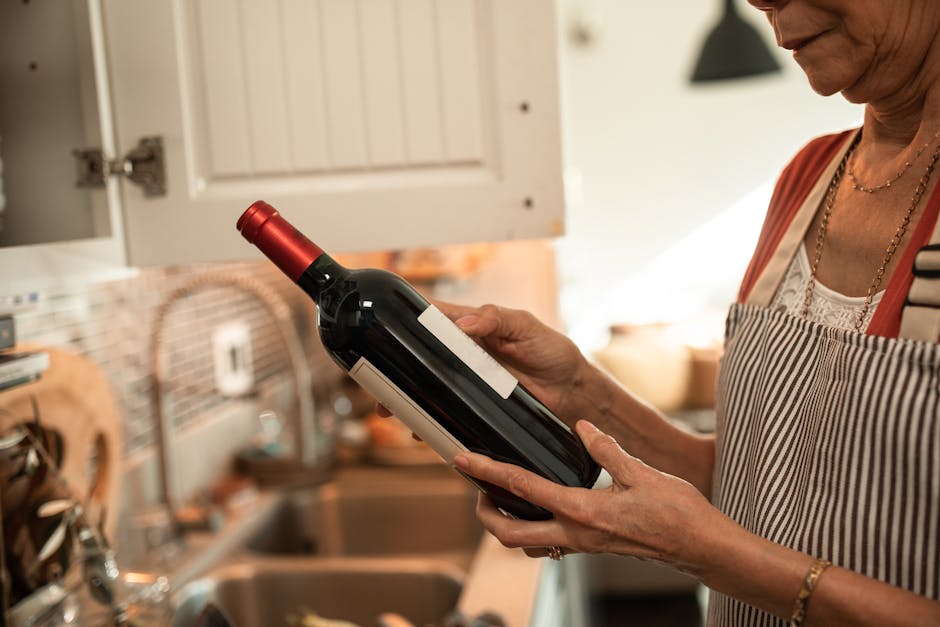
Distinguishing Shelf-Stable from Real Cooking Wine (Image Credits: Pexels)
Chefs and home cooks often reach for cooking wine to elevate sauces, marinades, and reductions. After opening a bottle for a single recipe, questions arise about proper storage. The choice between refrigerator and pantry hinges on the product’s formulation, with mistakes leading to premature spoilage or flavor loss.
Distinguishing Shelf-Stable from Real Cooking Wine
A surprising fact emerges when examining supermarket options: not all cooking wines behave the same way. Shelf-stable varieties, like those from Holland House or Goya, contain added salt and preservatives such as potassium sorbate and potassium metabisulfite. These ingredients allow storage at room temperature without rapid degradation.[1]
Real wines used for cooking, including table wines, Marsala, Sherry, and Vermouth, lack these stabilizers. Found in the wine aisle rather than near vinegars, they oxidize quickly once exposed to air. Check the label: if salt appears in the ingredients, treat it as pantry-friendly; otherwise, plan for chilling.[1]
Pantry Rules for Shelf-Stable Cooking Wine
Shelf-stable cooking wines require minimal fuss for storage. Manufacturers explicitly state on labels that refrigeration remains unnecessary, even after opening. Keep the bottle in a cool, dark cabinet away from stoves or direct heat to preserve quality up to the best-by date.[1]
Reseal tightly after each use and store upright to limit air exposure. These products endure pantry conditions thanks to their high salt content, which inhibits bacterial growth. Home cooks report reliable performance over months when handled this way.
Refrigeration Requirements for Authentic Wines
Real table wines demand immediate refrigeration post-opening to combat oxidation. At room temperature, flavors fade within a day, turning sharply acidic soon after. Chilling extends usability to three to five days for optimal taste, though two weeks remains possible in some cases.[1]
Fortified options fare better due to higher alcohol levels. Dry Marsala lasts four to six months when recorked and chilled; Sherry holds for four to six weeks; Vermouth manages one to three months. Always label with the opening date and position bottles upright in the fridge door or main compartment, away from light.[1]
Shelf Life Comparison Across Types
Understanding durations helps prevent waste. The table below outlines refrigerated shelf life for common cooking wines after opening:
| Type | Refrigerated Shelf Life | Notes |
|---|---|---|
| Shelf-Stable (e.g., Holland House) | Best-by date (pantry) | No fridge needed |
| Table Wine (red/white) | 3-5 days optimal | Up to 2 weeks usable |
| Marsala | 4-6 months | Higher alcohol aids stability |
| Sherry | 4-6 weeks | Tightly sealed |
| Vermouth | 1-3 months | Good white wine substitute |
Unopened bottles of any type stay pantry-stable until the seal breaks. Freezing offers another layer of preservation: portion excess into ice cube trays (one to two tablespoons per cube), freeze, then transfer to bags for up to three months.[1]
Spotting Spoilage and Waste-Reduction Strategies
Oxidation marks the primary enemy, converting alcohol to vinegar-like acetic acid. Watch for faded aromas, brownish hues in whites, or overly sharp tastes. Even refrigerated wines eventually lose vibrancy, so prioritize use within recommended windows.[1]
Practical steps minimize losses. Opt for 375ml half-bottles of table wine for single recipes. Stock Vermouth for white needs or dry Marsala for reds, as both outlast standard wines. Vacuum sealers or wine stoppers further reduce air contact. Here are quick strategies:
- Buy small sizes to match usage.
- Freeze in cubes for easy dosing in future dishes.
- Date labels to track freshness.
- Choose fortified wines for infrequent cooking.
- Reseal immediately after pouring.
Key Takeaways
- Salt in ingredients signals no-refrigeration pantry wine.
- Real wines oxidize fast – chill right away.
- Fortified types like Marsala extend usability months.
Mastering these storage habits transforms leftover cooking wine from potential waste into a kitchen staple. Proper handling ensures consistent flavors in your next meal. What’s your go-to cooking wine, and how do you store it? Share in the comments.